A Winnipeg roofing guide helps homeowners understand roofing materials, maintenance schedules, repair signs, and how to select a qualified contractor for Manitoba’s climate. Winnipeg experiences extreme temperature swings, heavy snowfall, and intense UV exposure during summer months. Asphalt shingles remain the most popular choice for local homes, while metal roofing offers longer lifespans for those seeking durability.
Recognizing warning signs like water stains, missing shingles, and damaged flashing prevents small issues from becoming costly repairs. Spring and fall inspections catch damage early, and proper attic ventilation with adequate insulation prevents ice dams during winter. Choosing a licensed, insured roofer with local experience ensures quality workmanship that withstands prairie weather conditions. Knowing when to repair versus replace saves money over time, and seasonal maintenance keeps your roof performing for decades.
Winnipeg Roofing Guide: Why Homes Need Specialized Roofing Knowledge
Winnipeg sits in a unique climate zone where winter temperatures drop below -30°C and summer heat exceeds 30°C. This 60-degree temperature range creates expansion and contraction cycles that stress roofing materials constantly. A proper Winnipeg roofing guide must address these local conditions.
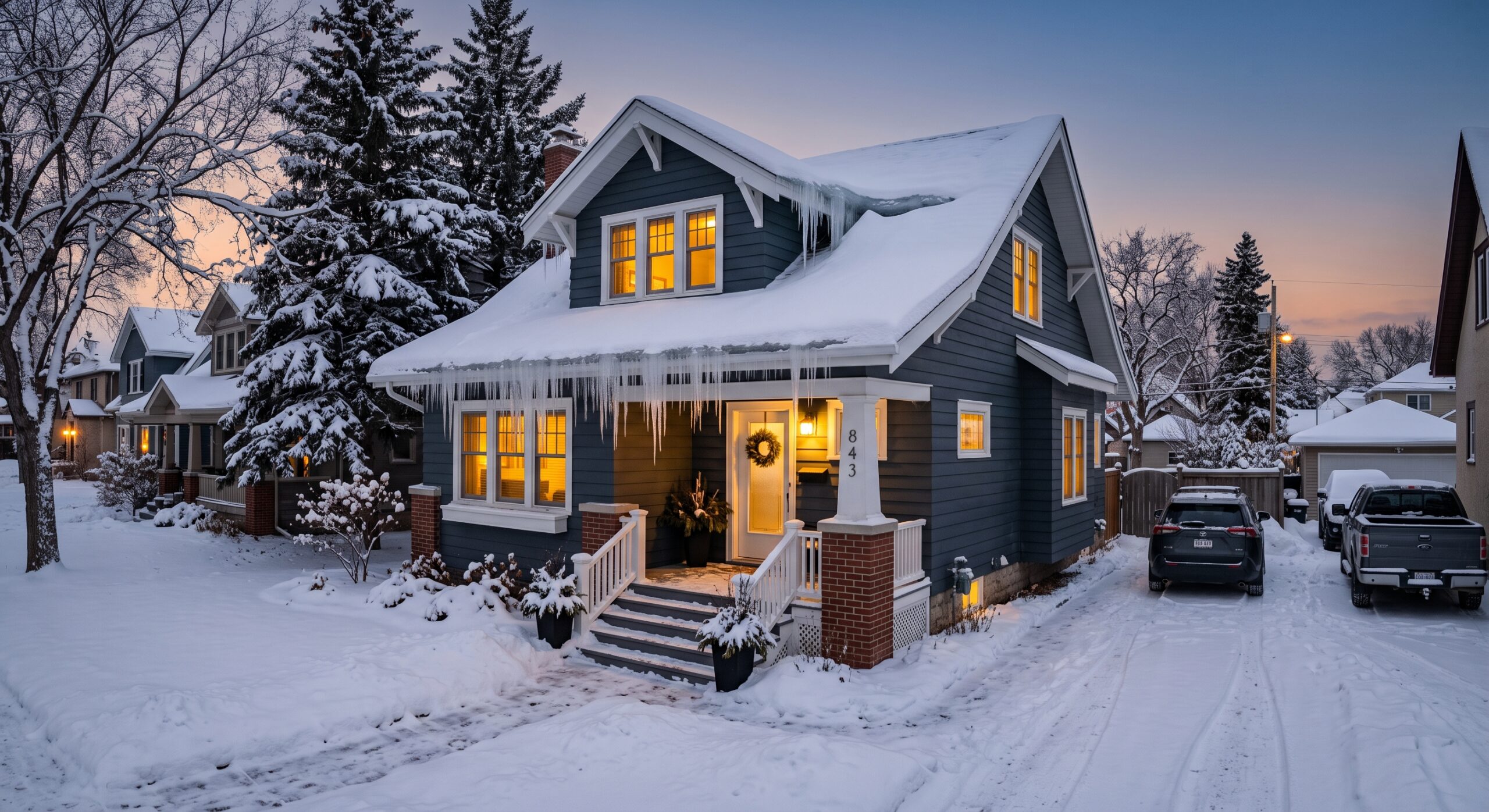
Snow accumulation presents another challenge. Average annual snowfall in Winnipeg reaches approximately 110 centimeters. When snow sits on a roof, it adds weight and creates ice dam potential. Ice dams form when heat escapes through the attic, melting snow that refreezes at the eaves. This trapped water can seep under shingles and cause interior damage.
Wind is also a factor. Prairie winds regularly exceed 50 kilometers per hour during storms. Roofing materials must withstand these gusts without lifting or tearing. Homeowners who understand these local conditions make better decisions about materials and maintenance timing.
The areas we serve across Winnipeg all experience these same weather patterns, making localized roofing expertise valuable for every property owner.
Understanding Roofing Materials Commonly Used in Winnipeg with the Winnipeg Roofing Guide
Choosing the right material is a foundational part of any Winnipeg roofing guide. Each option has strengths and weaknesses depending on your budget, home style, and maintenance preferences.
Asphalt Shingles
Asphalt shingles remain the most popular choice for Winnipeg homes. They offer affordability, easy installation, and decent durability. Modern architectural shingles provide better wind resistance and longer warranties than basic three-tab options. Most asphalt roofs last 15 to 25 years in Manitoba’s climate when properly maintained.
Metal Roofing
Metal roofs have gained popularity due to their longevity and snow-shedding properties. Steel and aluminum options can last 40 to 60 years with minimal maintenance. The initial cost runs higher than asphalt, but the extended lifespan often justifies the investment. Metal roofing also reflects heat during summer, potentially reducing cooling costs.
Cedar Shakes
Some heritage homes in Winnipeg feature cedar shake roofing. While beautiful, cedar requires more maintenance than other materials. It needs regular treatment to prevent moss growth and moisture damage. Cedar roofs typically last 20 to 30 years with proper care.
| Material | Lifespan | Cost Range | Best For |
| Asphalt Shingles | 15-25 years | Budget-friendly | Most residential homes |
| Metal Roofing | 40-60 years | Higher initial cost | Long-term investment |
| Cedar Shakes | 20-30 years | Moderate to high | Heritage properties |
For detailed information about roofing shingles, exploring the different grades and styles helps narrow down your options.
Winnipeg Roofing Guide for Signs Your Roof Needs Repair
Recognizing damage early prevents small issues from becoming expensive problems. This section of your Winnipeg roofing guide focuses on warning signs every homeowner should monitor.
Interior Warning Signs
Water stains on ceilings or walls indicate roof leaks. These brown or yellowish marks often appear after heavy rain or during spring thaw. Peeling paint near the roofline also suggests moisture intrusion. If you notice a musty smell in your attic, mold may be developing due to water entry.
Exterior Warning Signs
Missing or damaged shingles are obvious indicators of needed repairs. After storms, walk around your property and look up at the roof surface. Curling shingles, where edges lift away from the surface, signal aging materials. Granule loss appears as bald patches on asphalt shingles and often shows up in gutters as sandy debris.
Flashing around chimneys, vents, and skylights requires inspection too. Cracked or separated flashing allows water entry at these vulnerable points. Sagging sections anywhere on the roof demand immediate professional attention.
When to Schedule an Inspection
Spring and fall represent ideal times for roof inspections in Winnipeg. Spring inspections catch winter damage before rainy season arrives. Fall inspections ensure your roof is ready for snow and ice accumulation. Contact Zega Roofing to schedule a free inspection and catch problems early.
Choosing a Reliable Winnipeg Roofer Using the Winnipeg Roofing Guide
Selecting the right contractor matters as much as choosing quality materials. A comprehensive Winnipeg roofing guide must cover what separates reputable roofers from unreliable ones.
Verify Credentials
Licensed and insured contractors protect homeowners from liability. Ask for proof of both general liability insurance and workers compensation coverage. Without these protections, you could face financial responsibility if accidents occur on your property.
Check how long the company has operated in Winnipeg. Local experience means understanding regional weather challenges and building codes. Established contractors have track records you can verify through reviews and references.
Get Written Estimates
Reputable roofers provide detailed written estimates before starting work. These documents should list materials, labor costs, project timeline, and warranty information. Be cautious of significantly low bids, which may indicate inferior materials or shortcuts.
For accurate pricing on your specific project, reach out to Zega Roofing directly. Every roof has unique characteristics that affect final costs, and a professional assessment provides the most reliable numbers.
Ask About Warranties
Material warranties come from manufacturers and cover defects in the products. Workmanship warranties come from the installer and cover installation quality. Both types of protection matter for long-term peace of mind. Quality contractors stand behind their work with meaningful warranty coverage.
Roof Maintenance Tips for Winnipeg Weather from the Winnipeg Roofing Guide
Preventive maintenance extends roof lifespan and reduces repair frequency. Following a Winnipeg roofing guide for seasonal care keeps your roof performing optimally.
Spring Maintenance
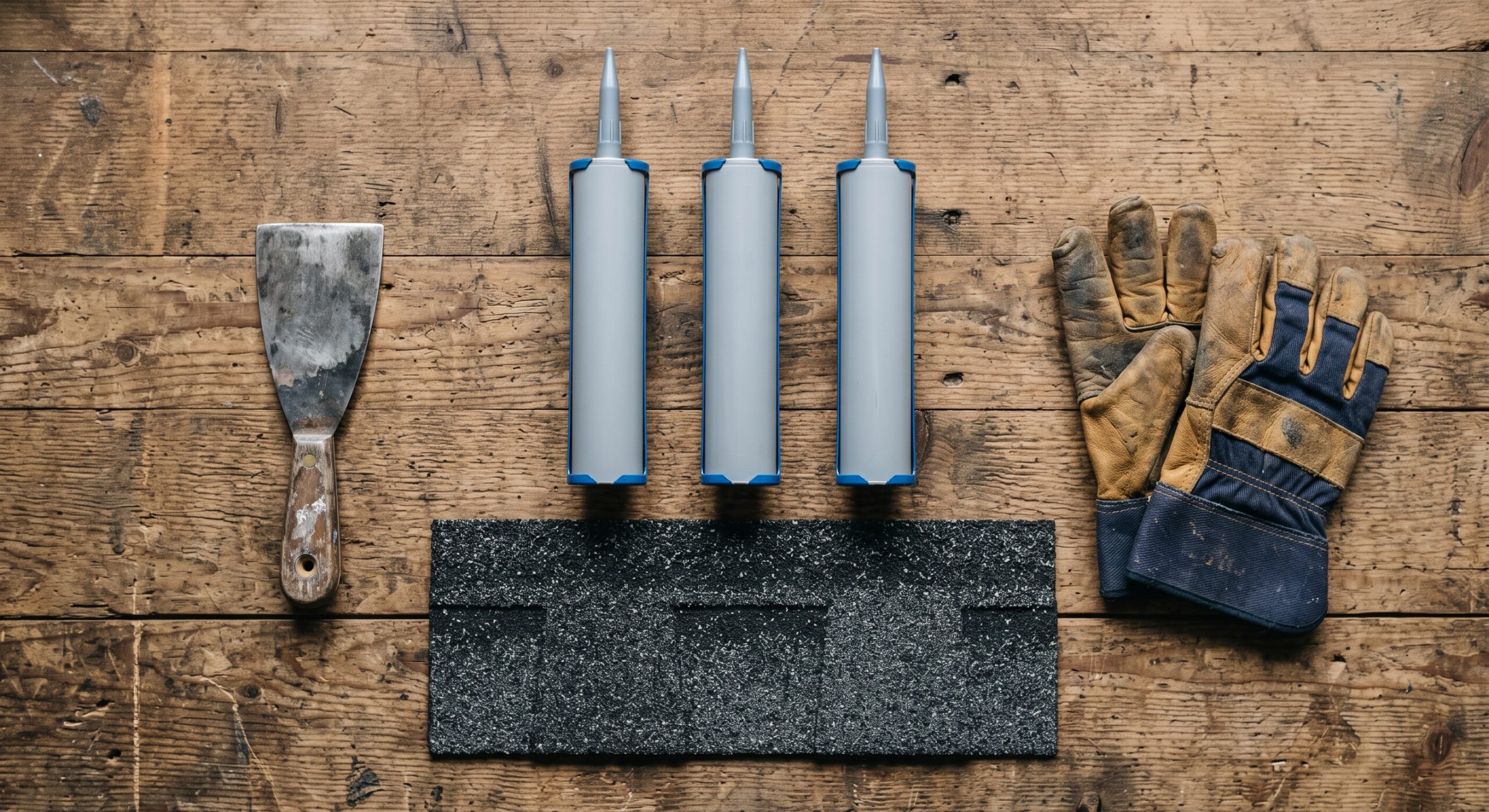
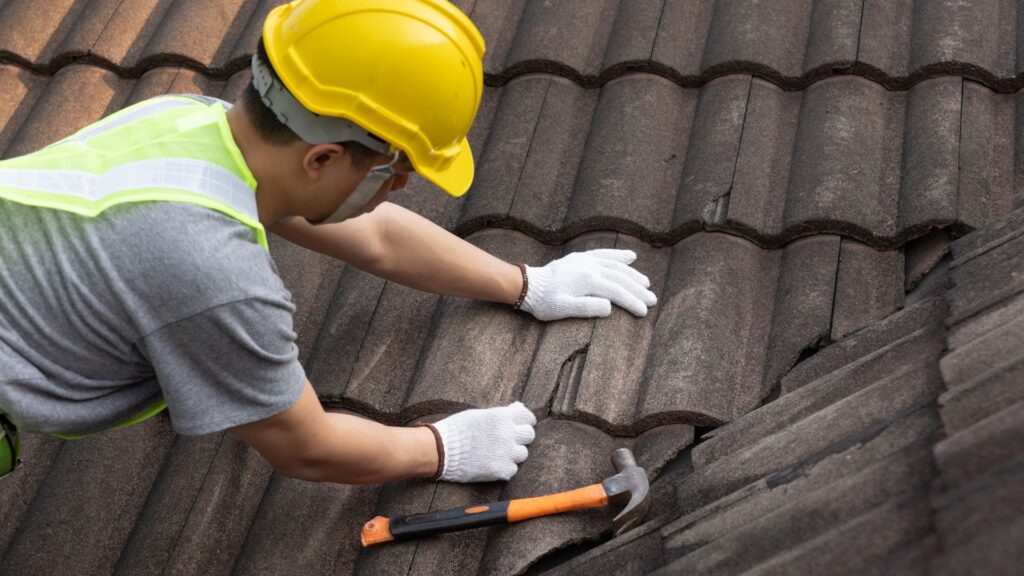
After snow melts, inspect for winter damage. Clear debris from the roof surface and clean gutters thoroughly. Check flashing around penetrations and repair any damaged caulking. Trim tree branches that hang over the roof to prevent future damage.
Summer Maintenance
Summer offers the best weather for repairs and inspections. Look for signs of UV damage, including faded or brittle shingles. Ensure attic ventilation works properly to prevent heat buildup. Address any moss or algae growth before it spreads.
Fall Maintenance
Prepare your roof for winter by clearing all leaves and debris. Check that gutters flow freely and downspouts direct water away from the foundation. Inspect attic insulation levels to prevent ice dam formation. This Winnipeg roofing guide emphasizes fall preparation because winter damage prevention starts before the first snowfall.
Winter Considerations
Heavy snow loads require monitoring. If accumulation exceeds 12 inches, consider professional snow removal. Never attempt to remove snow yourself without proper equipment and safety measures. Ice dams should be addressed by improving attic insulation and ventilation rather than repeatedly removing ice.
| Season | Key Tasks | Priority Level |
| Spring | Damage inspection, gutter cleaning | High |
| Summer | Repairs, ventilation check | Medium |
| Fall | Debris removal, winter prep | High |
| Winter | Snow monitoring, ice dam prevention | Medium |
Understanding roofing tiles and other material options also helps when considering future replacement or upgrades during your maintenance planning.
Repair vs. Replacement: Making the Right Decision
Knowing when to repair and when to replace saves money over time. This Winnipeg roofing guide section helps you evaluate your specific situation.
When Repairs Make Sense
Minor damage affecting less than 30% of the roof surface usually warrants repair rather than replacement. If your roof is less than 15 years old and structurally sound, targeted repairs address most problems effectively. Isolated leaks, missing shingles, or damaged flashing typically fall into the repair category.
When Replacement Is Necessary
Roofs approaching or exceeding their expected lifespan often need full replacement. Widespread damage affecting multiple areas suggests underlying issues that repairs cannot solve. If you have had multiple repairs within a few years, replacement becomes more cost-effective long-term.
Structural problems like sagging, rot, or compromised decking require immediate attention. These issues indicate more than surface damage and demand comprehensive solutions.
An integrity roof assessment from qualified professionals determines which approach best fits your situation. Professional evaluations consider factors homeowners may overlook.
Winnipeg Roofing Guide on Proper Attic Ventilation and Insulation
Roofing performance depends heavily on what happens beneath the surface. Adequate ventilation and insulation prevent many common problems addressed in this Winnipeg roofing guide.
Poor attic ventilation traps heat and moisture. In summer, trapped heat accelerates shingle aging. In winter, warm air meeting cold roof surfaces creates condensation that leads to mold and rot. Proper ventilation includes both intake vents at the soffits and exhaust vents near the peak.
Insulation prevents heat loss that causes ice dams. When warm air escapes through the ceiling, it heats the roof deck unevenly. Snow melts in warm areas and refreezes at cold eaves. Adequate insulation keeps heat inside your living space where it belongs.
Zega Roofing offers spray foam insulation and attic insulation services that complement roofing work. Addressing ventilation and insulation during roofing projects provides comprehensive protection for your home.
What to Expect During a Professional Roof Installation
Understanding the installation process helps homeowners prepare and recognize quality work. A thorough Winnipeg roofing guide explains what professional installation involves.
Pre-Installation Steps
The project begins with a detailed inspection and material delivery. Contractors protect landscaping and exterior features from debris. They set up safety equipment and establish work zones around your property.
Installation Process
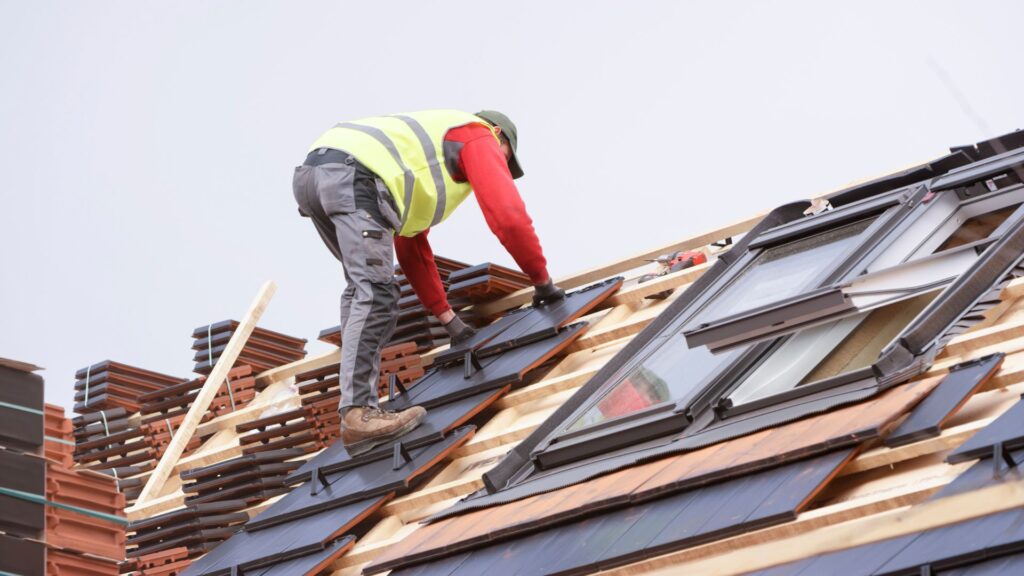
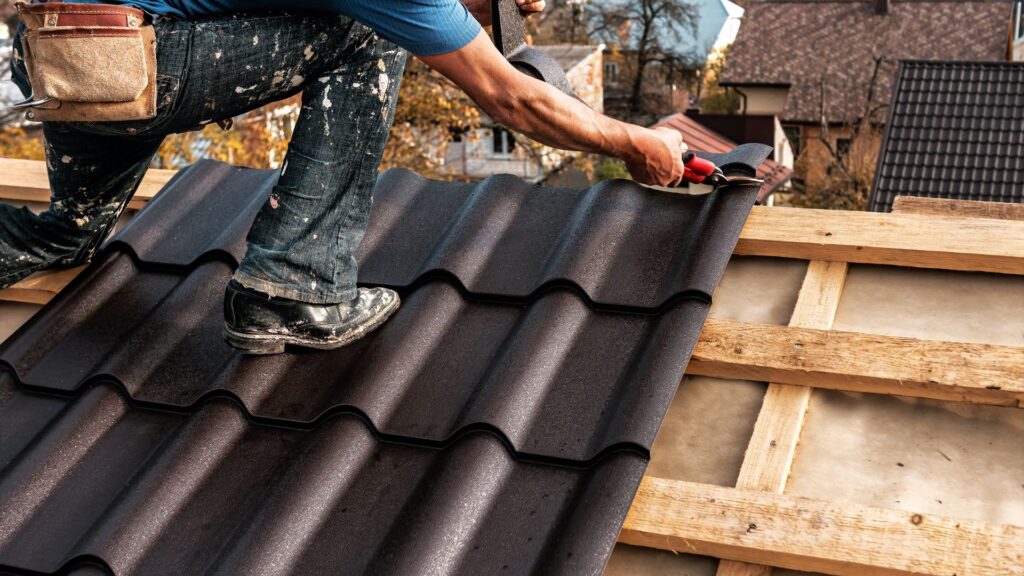
Old roofing materials come off first. Workers inspect the decking for damage and replace compromised sections. They install underlayment, which provides a secondary moisture barrier. New roofing materials go on following manufacturer specifications. Flashing installation around penetrations receives special attention.
Post-Installation Cleanup
Professional crews remove all debris and conduct magnetic sweeps for nails. They inspect the completed work and address any concerns immediately. Final walkthrough with the homeowner ensures satisfaction before the project closes.
Wrapping Up Your Winnipeg Roofing Guide
Protecting your home starts with understanding your roof. This Winnipeg roofing guide covered material options, maintenance schedules, repair indicators, and contractor selection. Winnipeg’s climate demands attention to local conditions that affect roofing performance year-round.
Regular inspections catch problems early. Seasonal maintenance prevents expensive emergency repairs. Choosing qualified contractors ensures work meets professional standards. Whether you need minor repairs or complete replacement, informed decisions lead to better outcomes.
Zega Roofing brings local expertise and quality materials to every project. Our team understands Winnipeg weather and builds roofs that last through harsh Manitoba conditions. Contact us for a free inspection and personalized recommendations for your property.
Frequently Asked Questions
How often should I inspect my roof in Winnipeg?
Inspect your roof at least twice per year, in spring and fall. Spring inspections identify winter damage while fall inspections prepare for snow season. Additional checks after major storms help catch new damage quickly.
What is the best roofing material for Winnipeg winters?
Asphalt architectural shingles and metal roofing both perform well in Winnipeg winters. Metal roofs shed snow effectively while quality asphalt shingles handle temperature swings when properly installed with adequate ventilation.
How long does a typical roof last in Winnipeg?
Most asphalt shingle roofs last 15 to 25 years in Winnipeg, while metal roofs can exceed 40 years. Actual lifespan depends on material quality, installation standards, and maintenance frequency.
Can I install a new roof over my existing shingles?
Installing over existing shingles is sometimes possible but not always recommended. Building codes limit the number of layers, and underlying damage may go undetected. Full tear-off provides the best foundation for new materials.
How much does a new roof cost in Winnipeg?
Roof replacement costs vary based on size, material choice, and project complexity. Contact Zega Roofing for a free estimate tailored to your specific property. Accurate pricing requires professional assessment of your roof’s unique characteristics.