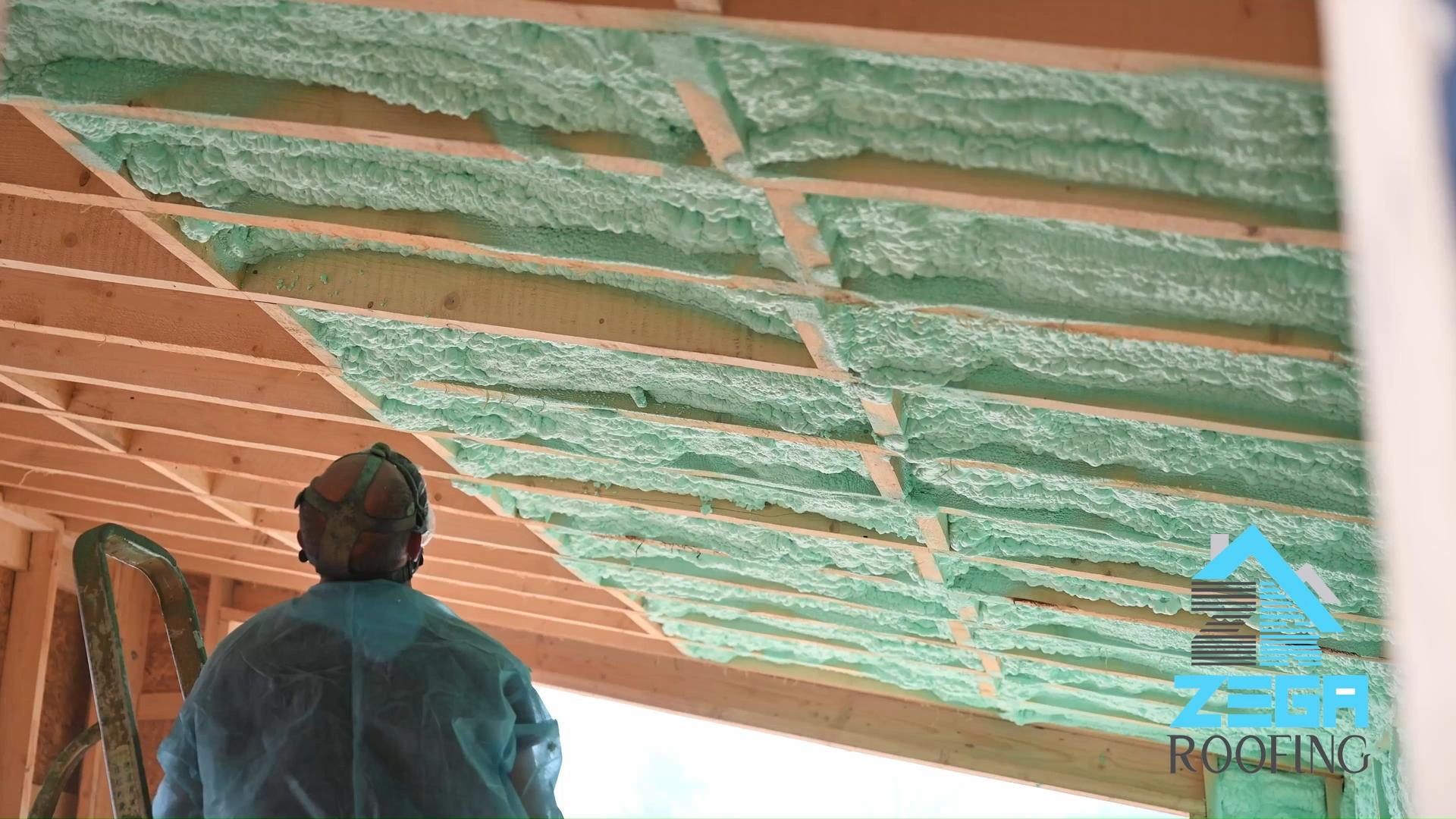
Commercial roofing solutions keep your business protected from Winnipeg’s brutal weather. Most building owners don’t realize how much their roof affects daily operations until something goes wrong. Your roof does way more than stop leaks.
It controls your energy bills, keeps employees comfortable, and protects the value of your property. Getting the right system installed and taking care of it properly saves you serious money over the years.
Winnipeg weather beats up commercial buildings like few other places in Canada. We see temperatures swing from -35°C in January to +32°C in July. That’s a 67-degree difference your roof has to handle. Throw in heavy snow loads, ice forming everywhere, and those crazy spring melts, and you’ve got conditions that find every weak spot in a roof system.
Here’s the thing about commercial roofs. They’re totally different from residential ones. Most commercial buildings have flat or low-slope roofs that need special materials and installation methods.
These roofs support heavy equipment, drainage systems, and maintenance crews walking around regularly. Understanding how different systems perform in our climate helps you make better choices about repairs, replacements, and ongoing care.
Understanding Commercial Roofing Solutions for Canadian Climates
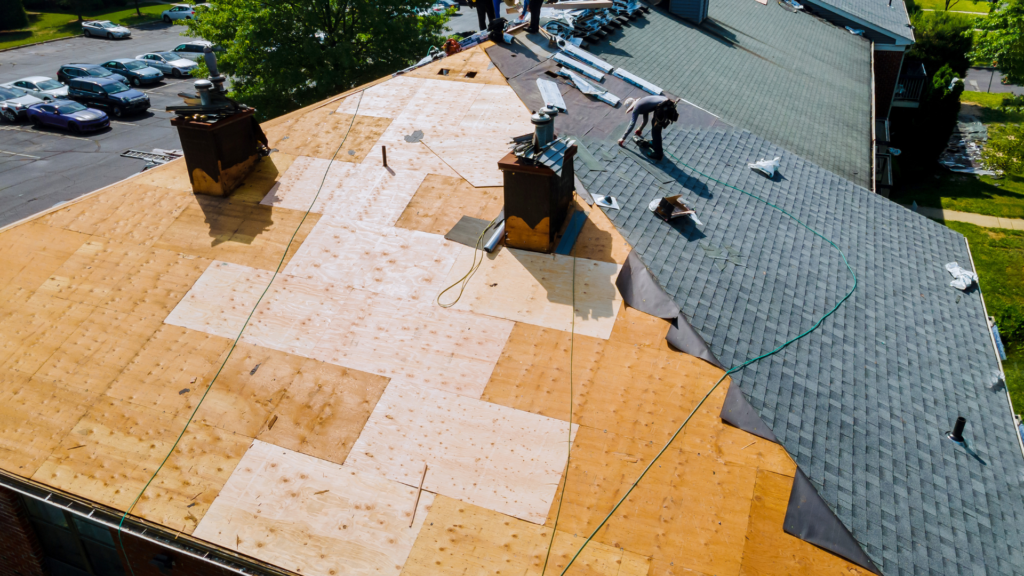
Commercial buildings need different roofing than houses. The design, materials, and installation techniques all change when you’re covering a larger structure.
Most commercial properties in Winnipeg use low-slope or flat roof designs. These roofs have to handle equipment weight, manage water drainage efficiently, and stand up to regular foot traffic from maintenance workers.
Our location right in the middle of the continent creates weather patterns that would destroy inferior roofing systems. A roof that works great in Vancouver might fall apart here within five years. The combination of extreme cold, high winds, and dramatic seasonal changes means you need commercial roofing solutions built specifically for these conditions.
Commercial Roofing Solutions Built-Up Roofing Systems
Built-up roofing has been around for over 100 years, and there’s a reason it’s still used today. This system layers multiple sheets of bitumen and reinforcing fabric to create a thick, tough membrane. The top layer usually has gravel or a reflective coating that protects everything underneath from sun damage.
BUR systems work really well in Winnipeg winters. The multiple layers give you backup protection, so one small puncture doesn’t automatically mean you have a leak.
The gravel weight helps hold everything down during windstorms. The thermal mass actually helps moderate temperature swings that stress other roofing materials.
Installation happens during warmer months because you need hot asphalt or coal tar. The smell and smoke are pretty noticeable, so plan around your business hours. Once it’s down though, a properly installed BUR system lasts 20 to 30 years with regular checkups.
Modified Bitumen Roofing
Modified bitumen takes traditional built-up roofing and makes it better. Manufacturers add rubber or plastic polymers to asphalt, creating material that stays flexible when it’s freezing outside but resists heat damage in summer. These systems come in rolls that get torch-applied, glued down cold, or mechanically fastened to your roof deck.
The flexibility makes modified bitumen perfect for our freeze-thaw cycles. Some materials get brittle at -30°C and crack. Modified bitumen stays elastic down to -40°C. That prevents the cracking and splitting that ruins other systems during harsh winters.
You’ll see two main types: APP and SBS. SBS products work better here because they stay more flexible in cold weather. APP products are fine too, but they’re better suited for places that don’t get as cold as we do.
Single-Ply Membrane Systems
Single-ply membranes include TPO, PVC, and EPDM systems. These lightweight materials get installed in large sheets. They’re either mechanically fastened, fully glued down, or held in place with ballast stone.
TPO and PVC membranes reflect sunlight really well, which cuts your cooling costs during hot Winnipeg summers. The white or light surface stays up to 30°C cooler than a dark roof on sunny days. This also helps prevent thermal shock when the weather changes fast.
EPDM is rubber roofing. It comes in black or white. The black material actually absorbs solar heat, which helps melt snow and ice in winter. Some building owners like this feature in our climate, even though it increases summer cooling costs. EPDM handles temperature extremes well and lasts 20 to 30 years with proper maintenance.
Metal Roofing for Commercial Applications
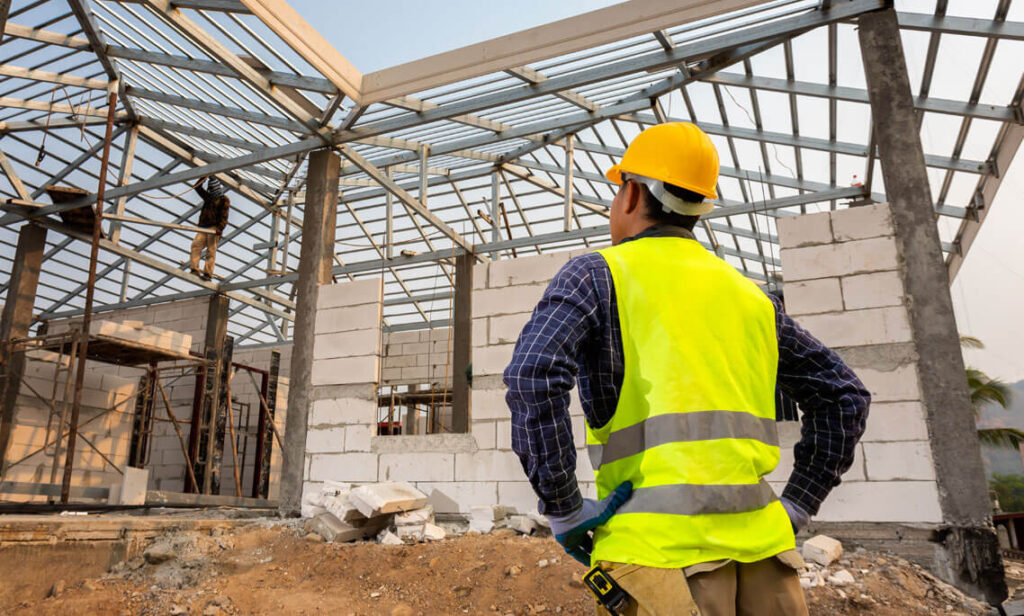
Metal roofing includes standing seam systems, corrugated panels, and structural metal deck installations. These systems shed snow and ice naturally, which reduces weight on your building structure during heavy winters. Metal also handles high winds better than most other commercial roofing solutions.
Standing seam metal roofs have raised ribs running vertically along the panels. These ribs let the metal expand and contract without creating stress points that could leak. The hidden fastener design means fewer holes through your roof surface, which means fewer potential leak spots.
Metal costs more upfront than other systems. But the long lifespan often makes it cheaper over time. A well-installed metal roof lasts 40 to 50 years or longer. It also needs less maintenance than membrane systems, though you still need regular inspections to catch problems early.
Selecting Commercial Roofing Solutions Based on Building Type
Every commercial building has unique needs that affect which roofing system works best. A retail store with crews constantly on the roof servicing HVAC units needs something different than a warehouse with minimal rooftop activity. Understanding your building’s specific requirements helps you pick a system that gives you the best performance and value.
Roof slope plays a huge role in what system you should use. Flat roofs actually have a slight slope, usually less than 2:12 pitch.
They need waterproof membranes because water doesn’t drain off quickly. Sloped roofs can use water-shedding systems like metal panels. Most commercial buildings here have low-slope designs that require membrane-based solutions.
The way you use your building matters too. Some businesses need frequent roof access for equipment maintenance. Others rarely have anyone up there except during inspections. Your roof has to accommodate your operational needs while still providing reliable weather protection.
Retail and Office Buildings
Retail and office properties need roofing systems that balance cost, performance, and looks. These buildings often have HVAC units, satellite dishes, and other equipment bolted to the roof. Your roofing system has to accommodate all those penetrations while keeping water out.
Single-ply membranes work well here because they’re lightweight and install relatively quickly. TPO and PVC systems handle frequent foot traffic from maintenance visits. The heat-welded seams create strong, permanent bonds that won’t separate over time.
These buildings also benefit from white or reflective surfaces. Lower cooling costs directly cut your operating expenses. Some property owners install green roof systems or solar panels on parts of their roof, which requires coordination with the roofing contractor during installation.
Industrial and Warehouse Facilities
Industrial buildings and warehouses often have massive roof areas with very little slope. These structures need tough commercial roofing solutions that can handle the occasional dropped tool or equipment impact. The roof also needs to support snow loads without sagging or letting water pond.
Built-up roofing systems excel in these applications. The multiple layers provide excellent puncture resistance. The gravel surface protects against mechanical damage. The thermal mass of BUR systems also helps moderate temperature swings inside the building, which can reduce heating and cooling costs.
Metal roofing works great for warehouses too, especially those with higher slopes. The ability to shed snow reduces structural loading during heavy winters. Metal panels can span longer distances between supports, which gives architects more flexibility in building design.
Multi-Unit Residential Buildings
Apartment complexes and condo buildings need roofing systems that provide long-term reliability with minimal maintenance. These properties need to minimize disruptions to residents while keeping operating costs under control. The roof also has to meet specific building code requirements for fire resistance and wind uplift.
Modified bitumen systems are popular for multi-unit residential buildings. The material handles temperature extremes well and provides excellent waterproofing. Installation happens relatively quickly, which reduces how long residents deal with construction noise and activity.
Some newer buildings use hybrid systems that combine different materials to get maximum performance. For example, a property might use modified bitumen on the main roof areas with TPO around equipment and high-traffic zones. This approach takes advantage of what each material does best while managing costs effectively.
Installation Considerations for Commercial Roofing Solutions
Proper installation determines how well your commercial roof performs over its lifespan. Even the best materials fail early if installed incorrectly. Weather conditions during the work, the skill level of the crew, and attention to detail all affect installation quality.
Winnipeg’s short construction season creates real scheduling challenges for roofing projects. Most commercial roofing solutions install best when temperatures stay above 10°C.
That gives you roughly May through September for optimal conditions. Fall and spring installations are possible but require extra precautions and take longer to complete.
Getting the installation right the first time matters more than rushing to finish. A roof that’s properly installed during good weather conditions will always outperform one that’s rushed during marginal conditions.
Roof Deck Preparation for Commercial Roofing Solutions
The roof deck is the foundation for your entire roofing system. Any problems with the deck structure will eventually show up as issues with the roof surface. Before installing new materials, contractors need to inspect and repair the deck as needed.
Common deck types include concrete, metal, and wood. Each one needs specific preparation:
- Concrete decks need to be clean, dry, and free of cracks or spalling
- Metal decks must be securely fastened with no rust or corrosion
- Wood decks should have no rot, with all boards or panels properly secured and meeting current building codes
Moisture in the deck causes serious problems after the new roof gets installed. Trapped moisture tries to escape through the roofing system, potentially causing blisters, delamination, or early failure. Contractors sometimes install vents or use specialized materials to let moisture vapour escape without compromising waterproofing.
Insulation and Vapour Barriers
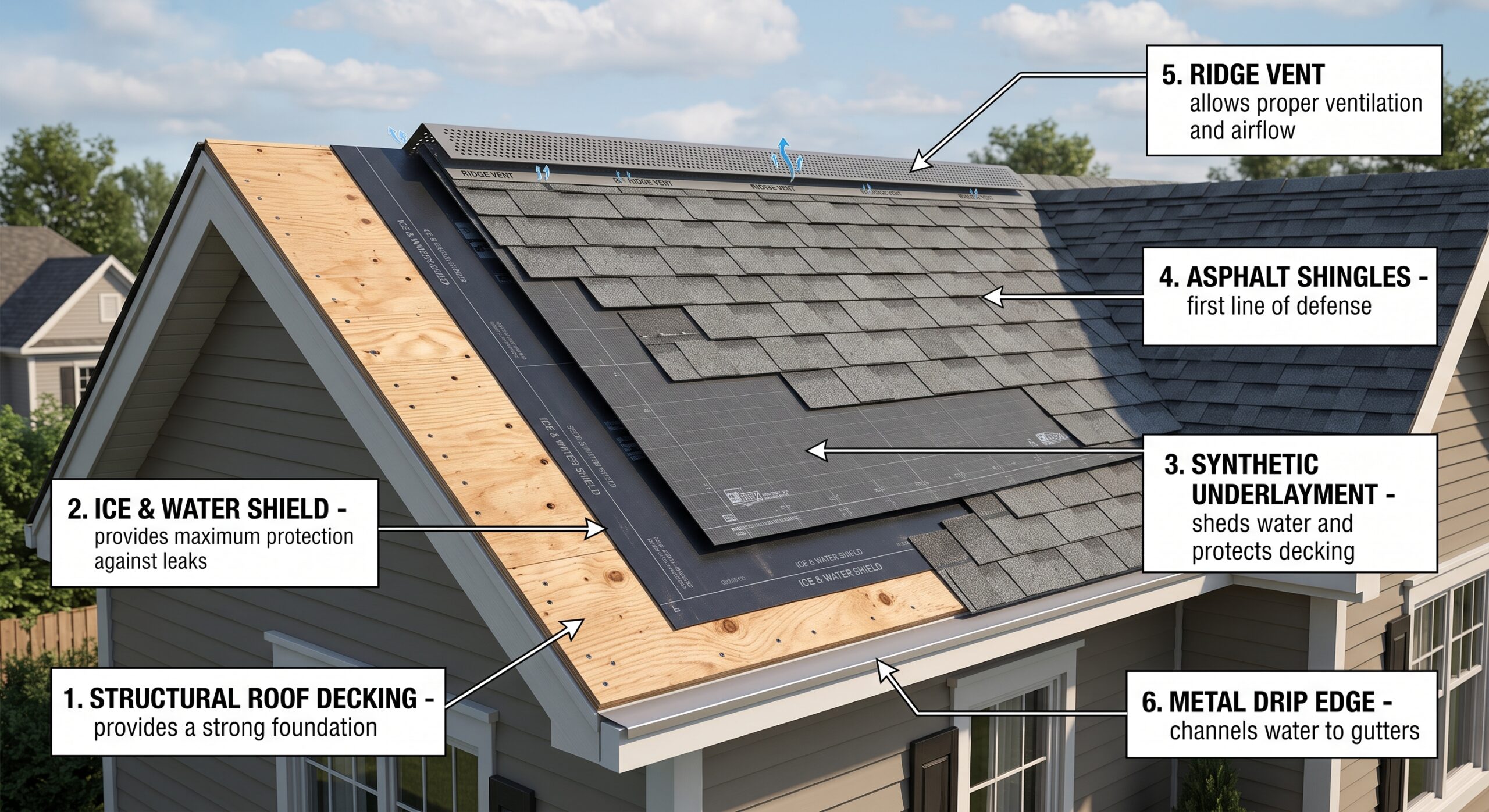
Energy codes in Winnipeg require specific R-values for commercial roof insulation. The insulation sits between the roof deck and the waterproof membrane, reducing heat loss in winter and heat gain in summer. Proper insulation also helps prevent condensation problems that lead to mold growth and structural damage.
Vapour barriers prevent moisture from inside your building from reaching the insulation layer. In cold climates like ours, vapour barriers typically go on the warm side of the insulation, below it, inside the building. Some roofing systems use air barriers or vapour retarders instead of full vapour barriers, depending on the specific building design.
The insulation material affects how your roofing system performs. Polyiso boards provide high R-values per inch of thickness but lose insulating ability in extreme cold. EPS maintains its R-value in cold weather but requires more thickness. Your contractor should recommend insulation based on your building’s specific needs.
Drainage Design
Water management is critical for flat or low-slope roofs. Standing water accelerates roof deterioration and increases leak risk. Proper drainage design gets water off the roof quickly, even during heavy rainfalls or rapid snow melts.
Primary drains should be at the lowest points of the roof, with a minimum slope of 1/4 inch per foot leading to each drain. Overflow drains or scuppers provide backup drainage if primary drains get blocked. Building codes require these secondary drainage systems to prevent water from building up to dangerous depths.
Your roof should have no areas where water ponds for more than 48 hours after rainfall. Ponding water weighs down the roof structure, speeds up material breakdown, and creates breeding grounds for mosquitoes. If your current roof has ponding issues, the new roof design needs to fix these drainage problems.
Penetrations and Flashing Details
Every place something penetrates through the roof creates a potential leak point. HVAC units, vent pipes, drains, and equipment supports all need proper flashing to maintain a watertight seal. Poor flashing causes more commercial roof leaks than any other single factor.
Flashing materials must be compatible with the roofing membrane to prevent chemical reactions that cause early failure. Metal flashings need to be properly detailed to allow for thermal movement without creating stress points. Seams and corners need extra attention because these areas experience the most movement.
Equipment supports should distribute weight across a larger area rather than concentrating loads at specific points. This prevents indentations in the roofing membrane that could trap water. Supports should also allow for easy removal and replacement of the roofing membrane during future maintenance or repairs.
Maintenance Requirements for Different Commercial Roofing Solutions
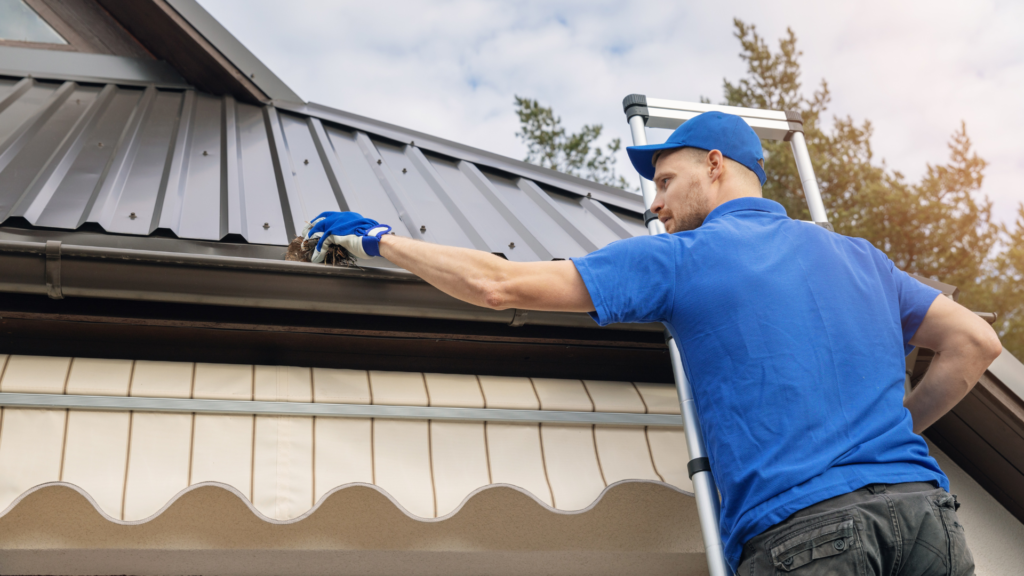
Regular maintenance extends roof life and helps you avoid expensive emergency repairs. Different roofing systems need different types of care, but all commercial roofs benefit from scheduled inspections and quick attention to small problems before they become big ones.
Creating a maintenance schedule based on your specific roof type helps you stay ahead of potential issues. Most commercial roofing solutions should be inspected at least twice per year, typically in spring and fall. You also want additional inspections after severe weather events to catch storm damage early.
Think of roof maintenance like car maintenance. You wouldn’t skip oil changes and expect your engine to last. Same goes for your roof. Regular attention prevents breakdowns and extends service life significantly.
Seasonal Inspection Protocols
Spring inspections focus on winter damage. Snow and ice can tear membranes, damage flashings, and cause structural problems if loads got too heavy. Check for punctures from ice buildup, displaced gravel or ballast, and any signs of water getting inside the building.
Fall inspections prepare your roof for winter. Clear all drains and gutters of leaves and debris. Check flashings around penetrations for any separation or damage. Look for areas where the roofing membrane has lifted or buckled, which could allow water in when snow melts.
During inspections, document your roof’s condition with photos and notes. Track problem areas over time to see if they’re getting worse. This documentation helps you plan for repairs and provides valuable information if you need to file an insurance claim for storm damage.
Preventive Maintenance Tasks
Keeping drains clear prevents water backup and ponding. Check drains monthly during spring and fall when leaves and debris accumulate quickly. Remove any vegetation growing on the roof. Plant roots can penetrate and damage roofing membranes.
Trim back tree branches that hang over the roof. Falling branches can puncture membranes, and leaves create debris that blocks drains. Keep at least two metres of clearance between tree limbs and your roof surface.
Clean off any dirt or organic material that piles up on the roof surface. This debris holds moisture against the roofing membrane, speeding up deterioration. For gravel-surfaced roofs, redistribute gravel that’s been moved around by foot traffic or wind to maintain even coverage.
Addressing Minor Repairs Promptly
Small problems become expensive repairs if you ignore them. A minor crack in a membrane can let water get into the insulation layer, leading to extensive damage that requires large-scale repairs. Catching and fixing these issues early saves money and extends roof life.
Common minor repairs include:
- Resealing flashings around penetrations
- Patching small tears or punctures in the membrane
- Fixing lifted seams before they spread
- Replacing damaged sections of gravel or coating
Most of these repairs take an hour or less and cost a few hundred dollars. Waiting to fix them can turn these into problems costing thousands of dollars to resolve.
Keep detailed records of all repairs, including dates, locations, and work done. This maintenance history helps future contractors understand your roof’s condition and makes it easier to identify recurring problem areas that might need more extensive attention.
Cost Analysis for Commercial Roofing Solutions
Understanding roofing costs helps you budget right and make informed decisions about repairs versus replacement. The cheapest option upfront often costs more over time due to shorter lifespan or higher maintenance needs. Looking at total cost of ownership gives you a better picture of real value.
Commercial roofing costs include materials, labour, tear-off and disposal of old roofing, structural repairs if needed, new insulation and vapour barriers, and flashing details. Winnipeg’s climate adds some costs that warmer regions don’t face, like better insulation requirements and materials rated for extreme temperature swings.
Getting multiple quotes helps you understand the market and spot any outliers. But don’t automatically go with the cheapest bid. The lowest price often means corners will get cut somewhere.
Initial Installation Costs
Built-up roofing typically costs between $8 and $14 per square foot installed, depending on how many layers and what type of surfacing you choose. Modified bitumen runs $7 to $12 per square foot. Single-ply membranes range from $6 to $11 per square foot for TPO and EPDM, while PVC costs $8 to $14 per square foot.
Metal roofing represents the highest upfront investment at $12 to $20 per square foot for standing seam systems. However, the 40 to 50 year lifespan makes the annual cost comparable to or lower than other systems. Metal also needs less maintenance, which reduces ongoing expenses.
These price ranges assume average installation conditions. Costs go up for roofs with complicated layouts, lots of penetrations, or difficult access. Structural repairs, better insulation, or removing multiple layers of old roofing also add to the total project cost.
Long-Term Value Considerations
A roof that costs less initially but only lasts 15 years might cost more than a pricier system that lasts 30 years. Calculate the cost per year of expected service life to compare different systems fairly. Include estimated maintenance costs in this calculation for a complete picture.
Energy costs matter too. A white TPO roof might cost $1,000 more to install than a black EPDM roof on a 1,000 square foot building. If that reflective surface saves $200 per year in cooling costs, it pays for itself in five years and keeps saving money for the rest of its life.
Some roofing systems qualify for utility rebates or tax incentives if they meet energy efficiency standards. These programs change over time, so check with your local utility company and accountant when planning a roofing project. The savings might influence which system makes the most financial sense.
Warranty Coverage and Its Impact
Manufacturer warranties typically cover material defects but not installation problems or maintenance failures. Warranties range from 10 to 30 years depending on the product and coverage level. Read warranty terms carefully to understand what’s actually covered and what conditions might void the coverage.
Contractor workmanship warranties cover installation defects and typically run from 2 to 10 years. Some contractors offer extended warranties that cover both materials and labour. These comprehensive warranties cost more but can provide valuable peace of mind and protection.
Maintaining warranty coverage requires following the manufacturer’s specified maintenance schedule. Missing required inspections or using unauthorized contractors for repairs can void warranties. Factor these maintenance requirements into your decision-making and budget planning.
Weather-Related Challenges for Commercial Roofing Solutions
Winnipeg’s weather creates specific challenges that affect how commercial roofs perform and how long they last. Understanding these challenges helps you choose appropriate materials and plan for necessary maintenance. Your roof has to handle extreme cold, heavy snow, ice buildup, rapid temperature changes, and high winds throughout the year.
The average Winnipeg winter brings several months of temperatures below -20°C, with occasional cold snaps hitting -40°C or colder. Summer temperatures can exceed 30°C, creating a temperature range of 70°C or more between seasonal extremes. This expansion and contraction stresses roofing materials in ways that milder climates never experience.
Nobody else in Canada deals with quite the same combination of weather extremes we face. That’s why choosing commercial roofing solutions specifically designed for this climate makes such a huge difference in performance and lifespan.
Ice Damming and Snow Load Management
Ice dams form when heat escaping through your roof melts snow, which then refreezes at the roof edge where temperatures stay below freezing. The ice buildup traps water behind it, forcing moisture under roofing materials and potentially into the building. Commercial buildings with heated spaces below the roof are particularly vulnerable.
Proper insulation and ventilation prevent most ice damming problems. The roof deck should stay cold in winter, which stops snow from melting except during above-freezing weather. This requires adequate insulation below the deck and proper air sealing to prevent warm air from reaching the roof assembly.
Snow loads can exceed design limits during heavy winters, especially if drifting concentrates snow in certain areas. Flat roofs need clearing when snow depth approaches 30 to 40 centimetres, depending on the snow’s density. Wet, heavy snow weighs way more than light, fluffy snow, so monitoring conditions throughout winter helps prevent structural problems.
Wind Uplift Resistance
High winds create suction forces that try to pull roofing materials off the deck. The roof edges and corners experience the strongest uplift forces, often two to three times greater than forces on the main roof area. Proper fastening and attachment methods prevent wind damage.
Building codes specify required wind resistance based on your building’s height, location, and exposure. Taller buildings and those in open areas face stronger winds than shorter buildings surrounded by other structures. Your roofing system must meet or exceed these code requirements to perform properly.
Single-ply membranes can be mechanically fastened, fully glued down, or held in place with ballast to resist wind uplift. Each method has pros and cons:
- Mechanical fastening costs less but creates more potential leak points
- Full adhesion provides superior wind resistance but costs more
- Ballasted systems work well in moderate wind zones but may not meet code requirements in high-wind areas
Thermal Cycling and Material Fatigue
Daily and seasonal temperature swings cause roofing materials to expand and contract repeatedly. This movement stresses the material and can lead to fatigue failures over time. Seams and joints are particularly vulnerable because different materials expand at different rates.
Some commercial roofing solutions handle thermal cycling better than others. Modified bitumen stays flexible across a wide temperature range, which reduces stress from thermal movement. Metal roofing systems use specialized fasteners and details that allow for movement without creating leak points.
UV radiation from intense summer sun also breaks down roofing materials over time. This happens faster at high altitudes and in areas with lots of snow cover that reflects additional UV radiation onto the roof surface. Light-coloured or reflective surfaces resist UV damage better than dark materials, though all roofing eventually shows some wear from sun exposure.
Energy Efficiency in Commercial Roofing Solutions
Your roof affects heating and cooling costs more than most building owners realize. The right roofing system can reduce energy consumption by 20 to 30 percent compared to a poorly performing roof. These savings add up to substantial amounts over the roof’s lifetime.
Cool roofing technology reflects solar energy instead of absorbing it, keeping roof surfaces cooler during summer. This reduces the heat transferred into your building, which lowers cooling costs. In Winnipeg’s climate, you also need to think about winter heating costs, since a roof that reduces summer heat gain might increase winter heat loss if not properly insulated.
Getting energy efficiency right means balancing multiple factors. You want good summer performance without sacrificing winter performance. The insulation layer plays a bigger role here than the roof surface colour.
Reflective Roofing Systems
White or light-coloured roofing membranes reflect 60 to 85 percent of solar radiation, compared to 5 to 20 percent for dark surfaces. This temperature difference can be dramatic. A white roof might reach 50°C on a sunny summer day, while a black roof on the same building could hit 80°C or higher.
TPO and PVC membranes naturally come in white or light colours with high reflectivity. EPDM traditionally came only in black, but white EPDM is now available for applications where reflectivity matters. Metal roofing comes in many colours, including highly reflective white and light metallic finishes.
Cool roofing reduces urban heat island effects in addition to lowering building cooling costs. Cities with lots of dark roofs can be several degrees warmer than surrounding areas, which increases smog formation and overall cooling demand. Using reflective commercial roofing solutions helps address these community-wide issues.
Insulation Performance and R-Values
Building energy codes specify minimum insulation R-values for commercial roofs based on building type and location. Winnipeg’s cold climate requires higher R-values than most other Canadian cities. Current code requirements typically call for R-values between R-25 and R-30 for commercial buildings.
Adding insulation beyond code minimums costs more upfront but reduces energy costs over the building’s life. The payback period for extra insulation varies based on energy prices and how you use the building. Buildings that operate 24/7 or have high heating loads see faster payback than buildings with minimal occupancy.
Thermal bridging through roof structural members reduces overall insulation effectiveness. Continuous insulation layers help minimize this effect by covering structural elements with unbroken insulation. Some building designs use multiple insulation layers with staggered joints to get maximum thermal performance.
Air Sealing and Moisture Control
Air leaks waste energy and can cause moisture problems inside the building envelope. Warm, moist air from inside the building can condense when it hits cold surfaces in the roof assembly. This moisture damages insulation, promotes mold growth, and speeds up structural deterioration.
The vapour barrier or air barrier prevents indoor air from reaching cold surfaces where condensation could occur. These barriers need careful installation with all seams and penetrations properly sealed. Even small gaps allow significant air leakage and moisture problems.
Proper ventilation removes moisture that does get into the roof assembly before it causes damage. Some roof designs include vented insulation layers or specialized membranes that let moisture vapour escape while still providing waterproofing. Your contractor should design the complete roof assembly to manage both energy efficiency and moisture control effectively.
Finding Qualified Contractors for Commercial Roofing Solutions
The quality of installation matters as much as the materials you choose. A skilled contractor can make an average roofing system perform really well, while poor installation causes even premium materials to fail early. Taking time to find the right contractor pays off in better performance and fewer problems down the road.
Commercial roofing requires different skills and equipment than residential work. Contractors who mainly work on houses may not have the experience or tools needed for commercial projects. Look for companies that specialize in commercial roofing and have a proven track record in Winnipeg’s climate.
Don’t rush this decision. The few extra days you spend researching contractors could save you tens of thousands of dollars in problems later. A bad roofing job is expensive and disruptive to fix.
Credentials and Certifications
Licensed contractors carry liability insurance and workers compensation coverage that protects you if something goes wrong. Verify these credentials before signing any contracts. An uninsured contractor might save you money initially, but you could face huge liability if a worker gets injured or the work damages your building.
Manufacturer certifications show that contractors have received training on specific roofing systems. Many manufacturers offer tiered certification programs, with higher levels requiring more extensive training and experience. Certified contractors can often offer better warranties than non-certified installers.
Industry associations like the Canadian Roofing Contractors Association set standards for quality workmanship and business practices. Members must meet specific requirements and follow codes of conduct. Association membership doesn’t guarantee quality, but it shows a commitment to professional standards.
Evaluating Experience and References
Ask potential contractors how many commercial projects they’ve completed in the past few years. Companies that do mostly residential work might lack the expertise needed for commercial roofing solutions. Look for contractors who regularly work on buildings similar to yours.
Request references from recent commercial projects and actually contact those references. Ask about the contractor’s communication, workmanship quality, how they handled unexpected problems, and whether the project finished on schedule and budget. Past customers can provide valuable insights you won’t get from marketing materials.
Visit completed projects if possible to see the contractor’s work firsthand. Look at details like flashing installations, seam quality, and overall appearance. A contractor who takes pride in their work will be happy to show you examples of completed projects.
Contract Terms and Project Management
Get detailed written proposals from at least three contractors before making a decision. Proposals should specify materials by manufacturer and model number, installation methods, timeline, payment schedule, and warranty coverage. Vague proposals that lack specifics make it impossible to compare contractors fairly.
Payment terms should tie payments to project milestones rather than upfront lump sums. Never pay the full amount before work is complete. A typical payment schedule might include:
- Small deposit at contract signing
- Progress payments as work proceeds
- Final payment after satisfactory completion and cleanup
Good contractors communicate regularly throughout the project. They should provide updates on progress, notify you about any unexpected issues, and address your questions or concerns quickly. Establish clear communication expectations at the start of the project to avoid misunderstandings later.
Extending Roof Lifespan Through Proper Care
Even the best commercial roofing solutions eventually wear out and need replacement. However, proper maintenance and timely repairs can significantly extend useful life. A roof that might last 20 years with minimal attention could provide 30 or more years of service with proactive care.
Developing a comprehensive roof asset management plan helps you maximize your investment. This plan includes regular inspections, scheduled maintenance, a repair budget, and planning for eventual replacement. Treating your roof as a long-term asset rather than something to ignore until it fails saves money and prevents business disruptions.
The key is consistency. Sporadic maintenance doesn’t work nearly as well as a regular, ongoing program. Set up a schedule and stick to it.
Documentation and Record Keeping
Maintain complete records of your roof from initial installation through its entire life. Save copies of specifications, warranties, inspection reports, maintenance records, and repair invoices. This documentation helps future contractors understand your roof’s history and makes warranty claims easier if problems develop.
Photograph your roof regularly to document its condition over time. Take photos from the same locations each time so you can easily compare how things change. Mark problem areas on a simple roof plan so you can track whether issues are getting worse or spreading.
Create a digital file with all roof-related documents that’s accessible to maintenance staff and property managers. Include emergency contact information for your roofing contractor, warranty details, and procedures for responding to leaks or other urgent problems.
Proactive Repair Strategies
Budget for roof repairs every year rather than waiting for emergencies to force your hand. Setting aside funds annually means you can address minor issues before they become major problems. Many property owners set aside 1 to 2 percent of the roof replacement cost annually for maintenance and repairs.
Some repairs get way more expensive if you wait. A small section of damaged membrane might cost $500 to repair today, but if moisture gets into the insulation layer, that repair could balloon to $5,000 or more. Acting quickly on minor problems prevents this kind of damage escalation.
Work with your contractor to prioritize repairs based on urgency and importance. Some issues need immediate attention to prevent further damage, while others can wait until the next scheduled maintenance visit. This prioritization helps you use your repair budget effectively.
Knowing When to Replace Instead of Repair
At some point, continuing to repair an aging roof stops making financial sense. If repair costs exceed 25 to 30 percent of replacement cost, or if you’re making frequent repairs to address recurring problems, replacement likely provides better value than continued patching.
Other signs that replacement makes sense include widespread deterioration throughout the roof system, structural problems with the roof deck, inadequate insulation that doesn’t meet current energy codes, or an outdated system that’s incompatible with modern materials. These situations mean repairs will only provide short-term fixes.
Planning for replacement several years in advance helps you budget right and schedule the work during an optimal time for your business. Unexpected emergency replacements cost more and cause more disruption than projects you can plan and handle on your schedule.
Protecting your commercial property with the right roof system matters more in Winnipeg than almost anywhere else in Canada. The extreme weather we get year-round tests every aspect of roof performance. Choosing appropriate commercial roofing solutions based on your building type, budget, and long-term goals sets you up for decades of reliable service.
Regular maintenance extends roof life and prevents expensive emergency repairs. Small problems caught early cost hundreds to fix, while major failures can run into tens of thousands. Investing in preventive care and working with qualified contractors who understand local conditions helps you get maximum value from your roofing investment.
Your roof represents a significant asset that affects operating costs, property value, and business continuity. Taking the time to understand your options, selecting quality materials and skilled installers, and maintaining the system properly throughout its life protects this investment and your business for years to come.