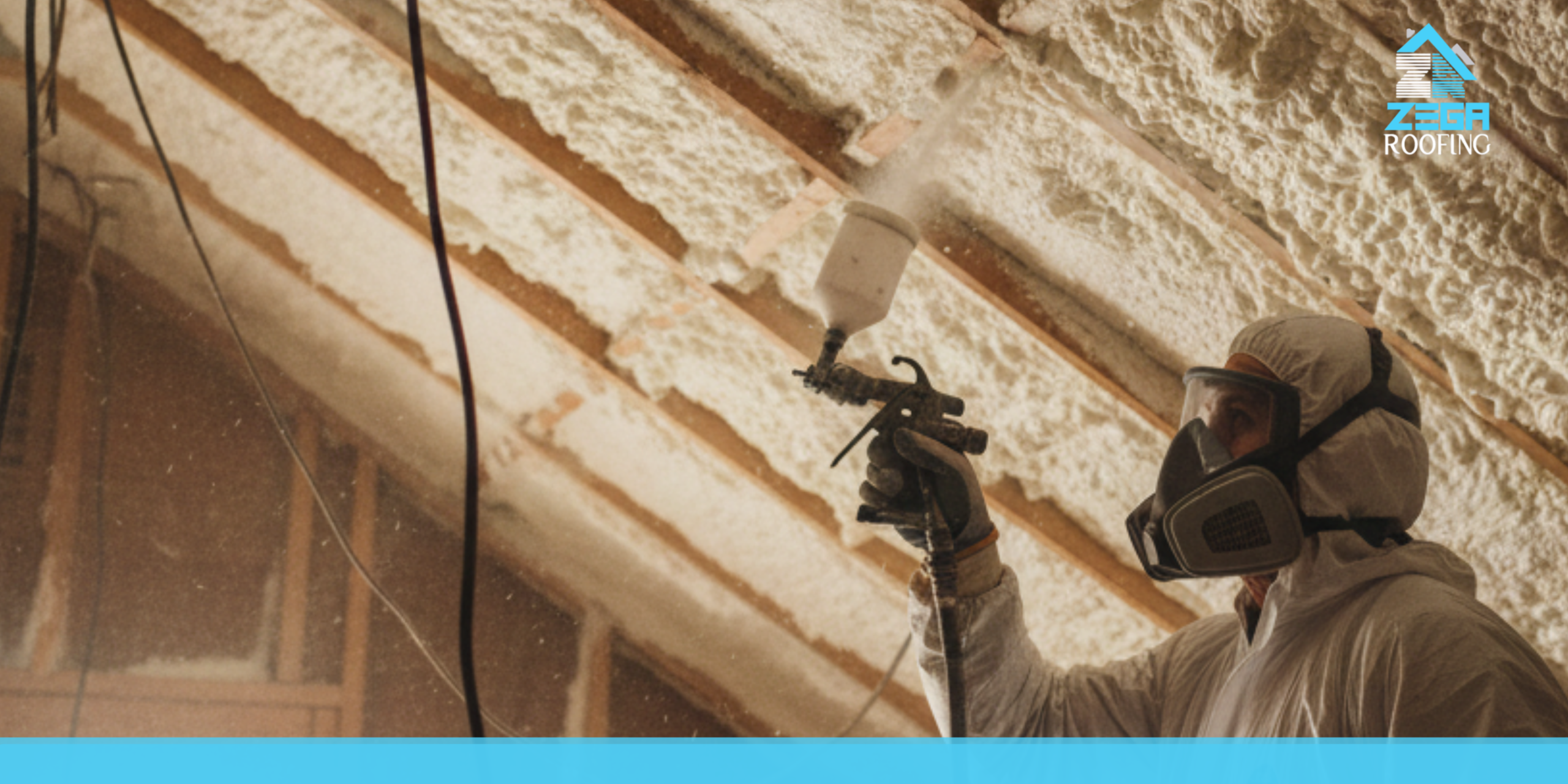
Roof insulation foam is a spray-applied material that expands to seal air leaks, block moisture, and create a strong thermal barrier in your home.
This article covers the two main types (open-cell and closed-cell), why closed-cell is the better pick for Winnipeg’s climate, how it compares to traditional insulation in R-value and longevity, and what it delivers in long-term benefits like lower heating bills, ice dam prevention, and added structural strength.
You will also find clear guidance on where not to apply it, what the installation process looks like, why some lenders raise concerns about spray foam during home sales, and the five most common questions homeowners ask before committing to roof insulation foam for their property.
What Is Roof Insulation Foam?
Roof insulation foam, commonly called spray foam insulation, is a two-component chemical material that expands on contact when applied to surfaces. It fills gaps, seals air leaks, and creates a tight thermal barrier between your living space and the outside environment. There are two main types used in Canadian homes: open-cell foam and closed-cell foam.
Open-Cell Foam
Open-cell roof insulation foam is lighter and more flexible. It has a lower R-value per inch compared to closed-cell, but it’s typically more affordable. It absorbs moisture, which makes it less ideal for areas exposed directly to weather or bulk water.
Closed-Cell Foam
Closed-cell roof insulation foam is denser, more rigid, and water-resistant. It offers a higher R-value per inch, making it a stronger choice for attics and rooflines in cold climates like Winnipeg. It also adds structural rigidity to the roof deck.
Which One Is Best for Winnipeg Homes?
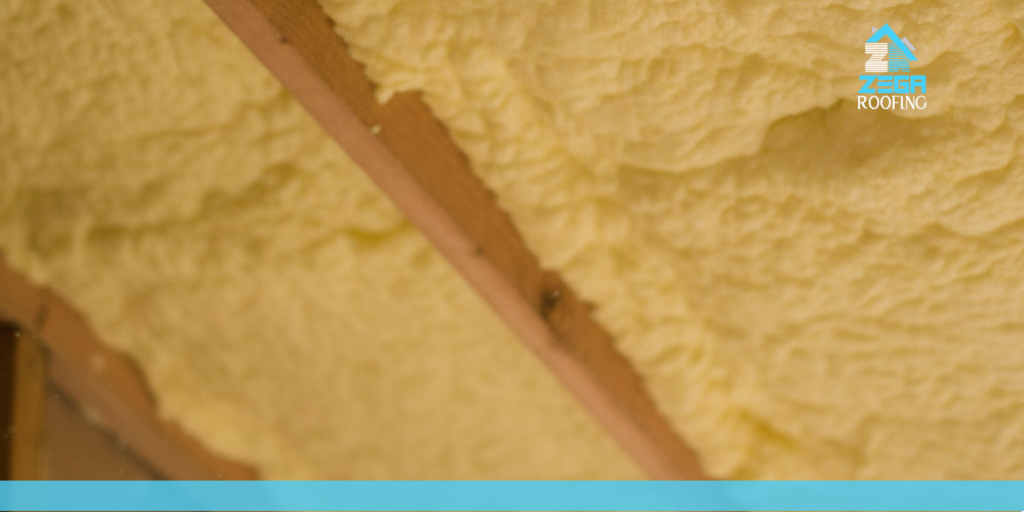
For most Winnipeg homeowners, closed-cell roof insulation foam is the better option. Manitoba’s climate brings extreme cold, heavy snow loads, and freeze-thaw cycles that demand a high-performing insulation system. Closed-cell foam provides superior air sealing, moisture resistance, and thermal performance in one application, making it a strong match for this region.
Is Roof Insulation Foam Worth It for Canadian Homes?
Yes, roof insulation foam is worth considering for most Canadian homeowners, especially in provinces with cold winters. When properly installed, it can dramatically reduce heating costs, prevent ice dams, and stop the air infiltration that leads to drafts and moisture buildup.
Here is a quick comparison to help you see where spray foam stands against traditional insulation options:
| Feature | Spray Foam | Fiberglass Batts | Blown-In Cellulose |
| Air Sealing | Excellent | Poor | Moderate |
| Moisture Resistance | High (closed-cell) | Low | Moderate |
| R-Value Per Inch | 6-7 (closed-cell) | 2.2-2.7 | 3.2-3.8 |
| Longevity | 20-30+ years | 10-25 years | 15-30 years |
| Install Complexity | Professional only | DIY possible | Professional preferred |
The numbers tell a clear story. It outperforms most alternatives in air sealing and thermal efficiency. For Winnipeg homes where energy bills spike in January and ice dams are a yearly threat, that performance difference is significant.
For pricing on spray foam services in Winnipeg, contact Zega Roofing directly for a free estimate tailored to your property.
Things To Know Before Installing Roof Insulation Foam
Before committing to spray foam, there are several practical details worth understanding. These are not reasons to avoid it, but rather points that help you move forward with the right expectations.
It requires professional installation. Spray foam is not a DIY product. Incorrect mixing ratios, improper thickness, or wrong application conditions can result in off-ratio foam that underperforms or releases chemical odors. Always use a licensed contractor.
The roof deck must be dry and clean. Foam applied to a wet or dirty surface will not adhere properly. Any existing moisture issues should be resolved before installation begins. If your roof has active leaks, those need to be fixed first. Zega Roofing’s roof repair services can address those issues before insulation work begins.
Ventilation requirements change. When you apply roof insulation foam directly to the underside of the roof deck (called an unvented or hot roof system), the ventilation strategy changes entirely. This must be done correctly to avoid humidity issues.
Foam cannot always be inspected visually once installed. This matters during resale, as some buyers and lenders may request invasive inspections to verify the condition of the roof deck underneath.
Removal is difficult and costly. Unlike batt insulation, spray foam bonds directly to structural materials, which makes removal labor-intensive if ever needed.
Why Roof Insulation Foam Is a Smart Long-Term Investment
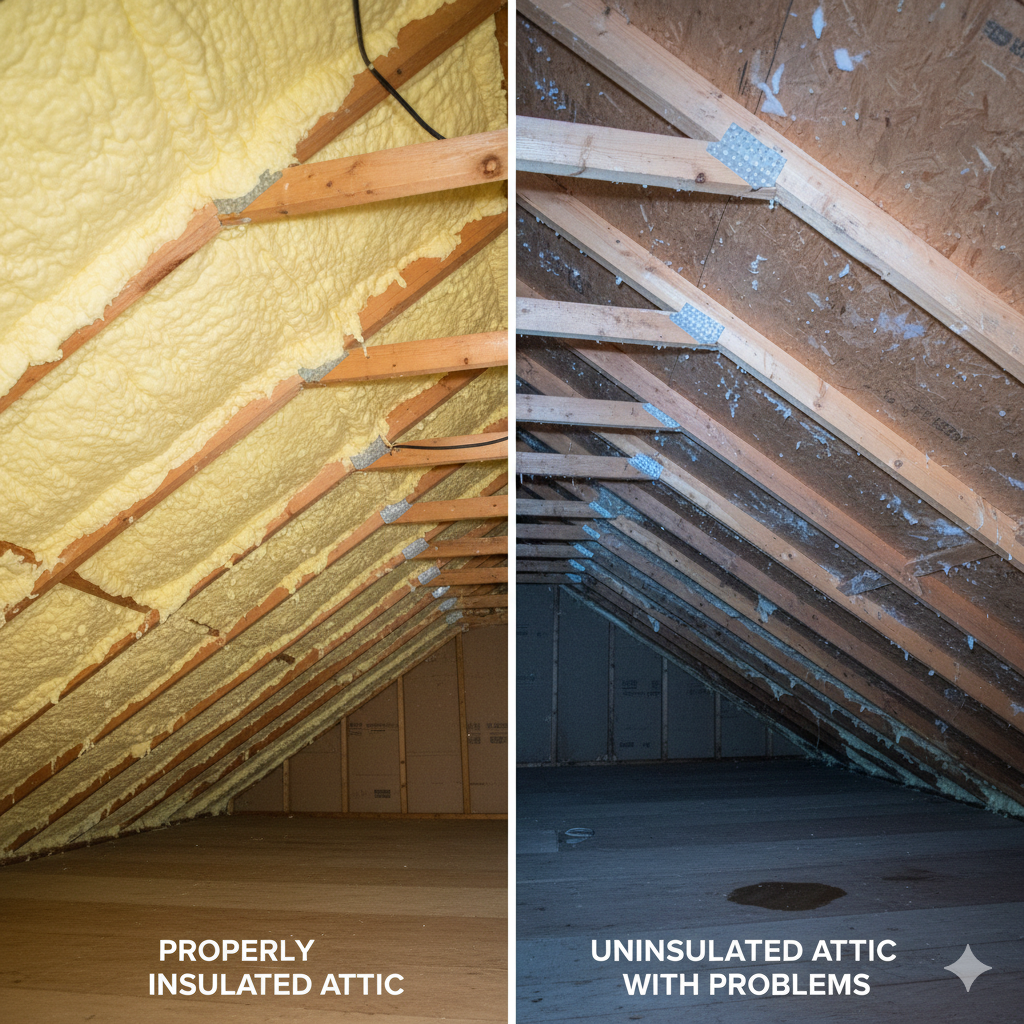
Beyond the upfront cost, it delivers long-term value in several areas worth considering.
Energy savings. Homes in Winnipeg with properly sealed attics using spray foam report meaningful reductions in heating and cooling costs. When air stops leaking through the roof assembly, the HVAC system works less hard to maintain comfortable temperatures.
Ice dam prevention. Ice dams form when warm air escapes from living spaces, melts snow on the roof, and refreezes at the eaves. Roof insulation foam stops that warm air from reaching the roof deck, which dramatically reduces ice dam risk.
Improved structural strength. Closed-cell foam adds rigidity to roof sheathing. In areas with heavy snow loads, this added structural support can make a real difference.
Soundproofing. Foam also reduces noise transmission, which is a bonus for homes near busy roads.
Zega Roofing has been helping Winnipeg homeowners protect their homes for over 25 years. If you’re considering spray foam insulation as part of a roofing upgrade, the team can walk you through what makes sense for your specific home.
| Benefit | Impact for Winnipeg Homes |
| Reduced air leakage | Lower heating bills in winter months |
| Ice dam prevention | Less water damage risk at eaves |
| Moisture control | Reduced mold and condensation risk |
| Structural reinforcement | Better performance under snow loads |
| Long service life | Fewer replacements over time |
Where Not to Use Roof Insulation Foam
Knowing where to avoid foam is just as important as knowing where to apply it. There are certain areas where its use is either unsafe or counterproductive.
Do not spray foam near electrical boxes or panels without professional assessment. Foam can trap heat around electrical components, raising fire risk. Avoid using it as a patch solution around skylights or flashings without addressing the source of the leak first. Applying foam over water-damaged wood simply seals moisture into the structure, which accelerates rot and creates a mold-friendly environment.
Open-cell foam should not be used in areas that may be exposed to standing water or direct weather exposure without a proper protective coating. It is also not the right choice for rim joists and crawlspaces that are prone to flooding.
Roof insulation foam should never be used as a substitute for proper structural repairs. If your roof deck is rotting or your trusses are compromised, foam alone will not solve the underlying problem. Explore Zega Roofing’s full list of areas served in Winnipeg and get an expert evaluation before proceeding.
What to Expect During a Roof Insulation Foam Installation
A typical spray foam job involves several preparation steps. The space is cleared and cleaned, electrical boxes are masked off, and temperature and humidity are checked since foam requires specific conditions to cure correctly.
The applicator mixes two chemical components and applies them in passes to build up the correct thickness. Closed-cell foam is typically applied in half-inch to one-inch passes to prevent heat buildup. After curing, the foam may be trimmed or coated depending on the application.
For Winnipeg projects, schedule installation during dry conditions and within acceptable temperature ranges. Your contractor should also do a post-installation check to verify consistent coverage and thickness across the entire treated area.
Making the Right Call on Roof Insulation Foam
Roof insulation foam is one of the most versatile and high-performing insulation materials available to Winnipeg homeowners. It seals air, resists moisture, prevents ice dams, and lasts for decades when properly installed. It is also a material that rewards careful planning. Understanding where it works best, where to avoid it, and how lenders view it puts you in a much stronger position to make the right choice.
Whether you are renovating or dealing with a drafty attic driving up your heating bill, this spray foam solution could be exactly what your home needs. With over 25 years of roofing expertise in Winnipeg, Zega Roofing is ready to help you evaluate your options and deliver a solution that holds up through every Manitoba season. Visit Zega Roofing’s residential installation page to learn more, or view the gallery to see past projects.
Call Zega Roofing today at +1 204-997-2697 for a free inspection and personalized quote on roof insulation foam installation in Winnipeg.
Frequently Asked Questions
Is foam roof insulation any good?
Yes, roof insulation foam is highly effective. Closed-cell spray foam delivers the highest R-value per inch of any common insulation type, provides superior air sealing, and resists moisture. For cold climates like Winnipeg, it is one of the top-performing insulation options available for residential roofs.
Why are lenders rejecting homes with spray foam insulation?
Some lenders flag spray foam because it can hide roof deck damage. Since the foam bonds directly to structural wood, it makes it difficult to inspect the condition of the roof deck during a home purchase. This has led some mortgage lenders and insurers to request core sampling or invasive checks before approving financing. It’s not universal, but it is a known consideration in the Canadian market.
Can mold grow behind spray foam insulation?
Yes, mold can grow behind roof insulation foam if moisture is present before installation. Foam applied over already-damp or wet surfaces traps that moisture inside. Closed-cell foam, when installed correctly on a dry substrate, creates a moisture barrier that actually reduces mold risk. The key is proper preparation before any foam is applied.
Where not to use spray foam insulation?
Avoid using roof insulation foam near electrical panels, over water-damaged wood, or as a patch fix for active leaks. Open-cell foam is not suitable for areas exposed to standing water. It should also not be used in areas where structural repairs are overdue. Foam cannot compensate for underlying damage. Always address root causes first.
Should I spray foam my roof?
It depends on your home’s age, condition, and energy goals. If you have an older home with significant air leakage, high heating bills, or recurring ice dams, roof insulation foam can be a strong solution. If your roof deck has existing moisture damage or you’re planning to sell soon, weigh the inspection and lending considerations carefully. Reach out to Zega Roofing for an honest assessment of whether spray foam is the right call for your specific situation.