

A roof garden works in layers, with a waterproof membrane keeping water out of the home, a root barrier protecting that membrane, a drainage layer moving rain and meltwater to the drains, and a lightweight growing medium holding hardy plants on top. On a Winnipeg home, the system also has to carry wet soil plus snow and handle freeze-thaw cycles, so it needs a flat or low-slope roof, a strong structure, and fast drainage, with most existing homes best suited to a lightweight extensive setup.
The planting is what everyone sees, but the layers underneath decide whether the garden protects the roof or slowly damages it.
How a Planted Roof Holds Up in a Winnipeg Winter
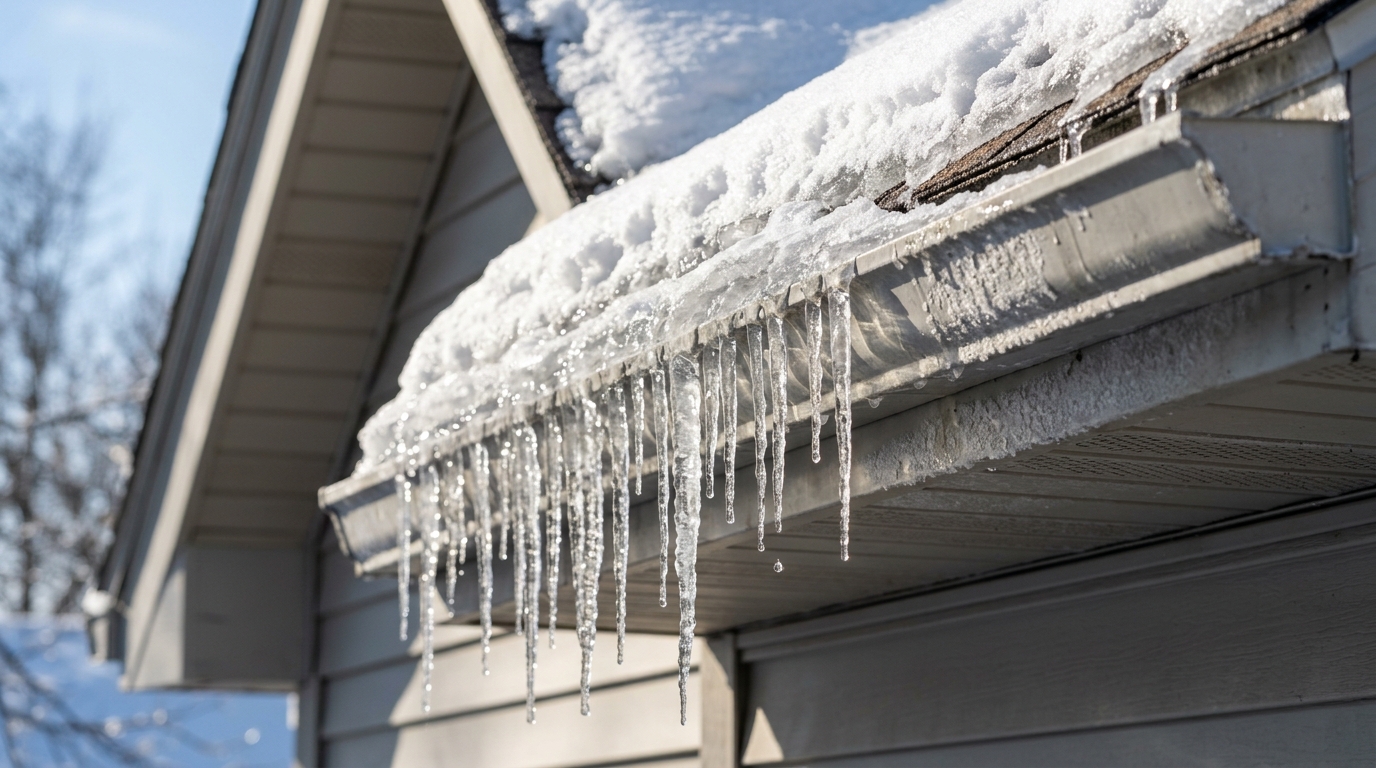
Winter is the real test. Snow sits on the roof for months, temperatures swing around freezing in the shoulder seasons, and spring melt sends a lot of water across the roof in a short time. The system handles this when three things are in place.
First, the structure has to carry saturated growing medium, plants, and snow together. Wet soil is far heavier than dry soil, and a garden that soaks up fall rain and then freezes carries that weight all winter.
Second, water has to keep moving. Meltwater that can’t reach a drain pools, refreezes overnight, and stresses the membrane and its seams. Third, the membrane must be sound before installation, because once soil covers it, small defects are much harder to find.
Built properly, the garden actually protects the roof. Field research by the National Research Council of Canada in Ottawa found that a membrane under an extensive green roof stayed much cooler in summer and had far smaller daily temperature swings than an exposed membrane beside it. Less thermal movement means less wear on the waterproofing.
How a Roof Garden Works, Layer by Layer
Each layer has one job, and skipping one leaves the rest exposed. From the bottom up, a typical residential system includes the following.
Roof Deck and Structure
This is the existing roof framing and sheathing. It needs to be assessed for the full wet weight of the garden plus snow, not the dry weight of the materials on delivery day.
Waterproof Membrane
The membrane keeps water out of the home. Garden installations call for a durable roof membrane with fully sealed seams, since any repair later means lifting soil and plants to reach the problem.
Root Barrier
Roots go looking for moisture, and over several seasons they can work their way into seams and laps. A root barrier stops them before they reach the waterproofing. Some membranes are root-resistant on their own, while others need a separate barrier sheet.
Drainage and Filter Layers
A drainage mat or board creates space for excess water to flow toward drains and scuppers. A filter fabric above it keeps fine soil particles from washing down and clogging that space. With Manitoba’s spring runoff, this layer often does more work than any other.
Growing Medium and Plants
Rooftop systems use an engineered, lightweight growing medium instead of regular garden soil, which gets heavy when wet and compacts over time. The plants on top shade the layers below and slow rainfall before it reaches the drains.

Extensive, Semi-Intensive, or Intensive? Which Type Fits Your Home
The type you choose sets the weight on your roof, the amount of upkeep, and how much you can actually use the space.
| Type | Growing Medium Depth | Typical Plants | Weight on Roof | Upkeep | Best Fit |
|---|---|---|---|---|---|
| Extensive | Shallow | Sedum, mosses, low groundcover | Lightest | Low, a few checks a year | Most existing homes, garages, and low-slope additions |
| Semi-intensive | Moderate | Sedum mixed with grasses, perennials, and small shrubs | Moderate | Seasonal care and some watering | Homes with stronger framing and owners who want more variety |
| Intensive | Deep | Shrubs, small trees, vegetables, lawn areas | Heaviest | Regular watering, pruning, and feeding | Roofs designed or reinforced for heavy loads, often new builds |
For most Winnipeg homes, an extensive system is the practical starting point. It adds the least weight, survives mostly on rainfall once established, and still delivers the membrane protection and stormwater benefits.
Be honest about how you’ll use the space. An extensive garden works more like a living roof covering than a backyard and isn’t built for foot traffic. If you want to sit, grow vegetables, or entertain up there, plan a semi-intensive or intensive design from the start, which usually means an engineer designing or reinforcing the structure first.
Is Your Roof Ready to Carry Soil and Plants?
Before picking plants, confirm the roof itself is a good candidate.
- Slope. Flat and low-slope roofs work best. Steeper roofs need retention systems to keep the growing medium from sliding, and most steep residential roofs aren’t a good match.
- Structure. A structural engineer should confirm the roof can carry the saturated garden plus winter snow. Many homes need added support for anything beyond a lightweight system.
- Membrane age and condition. If the existing membrane is near the end of its life, replace it first. A garden on a worn membrane only buries the problem.
- Drainage. Drains, scuppers, and gutters should be clear, properly sized, and placed so water never has to cross the entire garden to escape.
- Access and safety. You’ll need a safe way onto the roof for maintenance, and a garden meant for people may need guardrails.
- Permits. Reinforcing or altering roof structural members typically requires a building permit, so review the City of Winnipeg’s home renovation permit requirements before work begins.
Project scope depends on roof size, garden type, and whether the membrane, structure, or drainage needs upgrades. Since those factors vary from home to home, an on-site inspection is the reliable way to know what your roof needs.
Roof Garden vs Traditional Roof
A planted roof and a standard roof solve different problems.
| Feature | Roof Garden | Traditional Roof |
|---|---|---|
| Weight on structure | Heavier, needs a structural check | Lighter, standard framing usually works |
| Membrane exposure | Shielded from sun, UV, and hail | Exposed directly to the weather |
| Summer heat gain | Reduced by soil and plants | Depends on roof colour, insulation, and ventilation |
| Stormwater | Absorbs and slows runoff | Sends water straight to gutters and drains |
| Maintenance | Plant care plus drain checks a few times a year | Periodic inspection and repair |
| Leak detection | Harder, since the membrane is covered | Easier to inspect visually |
| Outdoor space | Possible with semi-intensive or intensive designs | None |
If you want usable outdoor space, a cooler roof surface in summer, and better stormwater handling, a planted roof is worth exploring. If your priority is the simplest, lowest-maintenance option with easy inspections, a traditional roof remains the more straightforward choice.
Plants That Survive Prairie Roof Conditions
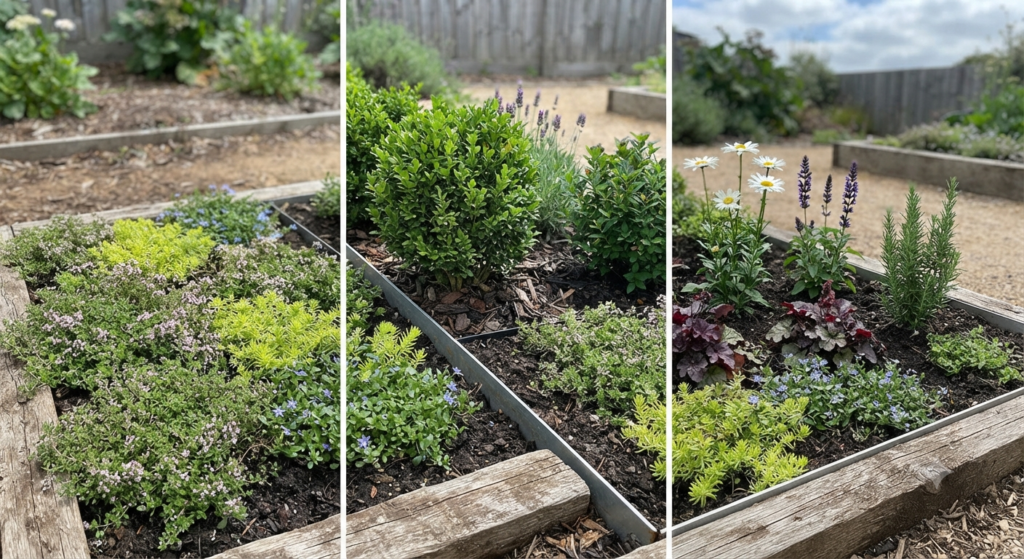
A roof is harsher than a backyard, with full sun, drying wind, shallow soil, and long stretches frozen solid. Sedum species, native prairie grasses, and low-growing hardy groundcovers cope far better than plants bred for milder climates.
A mix of species helps, since a dry summer or hard winter rarely hits all of them equally. Expect to water during the first season and through summer dry spells. Leaving dead growth standing in fall catches snow, which insulates the roots through the coldest weeks.
Protecting the Edges, Drains, and Transitions
Roof edges take the most wind and ice, and growing medium near the perimeter can blow or wash away. Most systems keep a vegetation-free gravel border along the edges and around every drain, which keeps outlets visible and stops roots from crowding them. Properly sealed roof edge flashing at the perimeter keeps water from creeping under the garden layers.
Transitions deserve the same attention. Where a garden roof meets a wall or an adjoining sloped roof, ice and meltwater tend to collect. Adding ice and water shield protection under the neighbouring roofing at those junctions gives the system a second line of defence during freeze-thaw cycles.
Seasonal Care for a Planted Roof
- Spring. Once the snow clears, check drains and scuppers for debris and confirm water is moving. Look for low spots where water ponds or soil has washed toward the edges.
- Summer. Water during dry spells, pull weeds, and remove tree seedlings early. Woody roots are the biggest threat to a root barrier.
- Fall. Clear leaves from drains before freeze-up and check the gravel border and edge details. Fall is also a good time to plan a new installation, which leaves room for inspections and permits before the next building season.
- Winter. Heavy snow on top of a saturated garden adds serious load. If snow needs to come off, use a crew that offers rooftop snow removal and roof maintenance and knows a garden is underneath, since shovels and scrapers can damage plants, the drainage layer, and the membrane.
Things To Know
- Engineers size the structure for a fully soaked garden plus snow, not dry materials.
- A membrane close to the end of its service life should be replaced before installation, not after.
- Root barriers matter most in the long run, since root damage builds slowly and usually goes unnoticed until a leak appears inside.
- Extensive systems aren’t designed for foot traffic. Plan walkways and seating into the design from the start if you want them.
- Leaks under a planted roof are harder to locate, so keep records of the membrane type and installation details.
If you’re considering a roof garden and want to know whether your roof can support one, contact Zega Roofing to talk through your roof’s condition, drainage, and options. You can also check the Winnipeg neighbourhoods we serve to see if your home is in our service area.
Getting the Foundation Right Before Anything Is Planted
A successful roof garden is mostly decided before a single plant goes in. The structure, membrane, root barrier, and drainage have to be ready for Winnipeg’s snow load and spring melt, and the garden type has to match both the roof and the way you plan to use it. Get those foundations right, and the planting on top becomes the easy part.
Frequently Asked Questions
Can any roof support a roof garden?
No, not every roof can support one. Flat and low-slope roofs work best, and a structural engineer needs to confirm the roof can carry the weight of saturated soil, plants, and winter snow before anything is installed.
Does a roof garden leak more than a regular roof?
Not if it’s built correctly. The planting actually shields the membrane from sun and temperature swings. Leaks usually come from a worn membrane left in place, a missing root barrier, or blocked drains.
How much maintenance does a roof garden need?
An extensive system needs a few simple checks a year. Clearing drains, pulling weeds and seedlings, and watering during dry spells cover most of it. Semi-intensive and intensive gardens need regular care, much like a ground-level garden.
Can a roof garden survive a Winnipeg winter?
Yes, with the right setup. Hardy prairie plants, strong drainage, a sound membrane, and well-sealed edges allow the system to handle snow load and freeze-thaw cycles year after year.
Is a roof garden a good investment for a home?
It can be, depending on your roof and goals. It shields the membrane, reduces summer heat gain, slows stormwater, and can add outdoor space. The value depends on the roof’s condition and the quality of the installation.