
Roofing tar sticks to the roof surface and cures into a thick, waterproof asphalt layer that keeps water out of cracks, seams, and gaps. Use it for small, targeted repairs like sealing flashing edges, covering exposed nail heads, and patching minor flat roof cracks. It does not replace damaged shingles, a failed membrane, or missing flashing.
That difference matters. A small seal around a vent pipe can keep a roof dry for years. A thick smear over worn-out shingles usually hides the real problem until it turns into a bigger repair. A tar repair lasts when you pick the right product, put it in the right place, and know when tar is the wrong fix.
How Does Roofing Tar Work?
Roofing tar works by filling gaps with a dense, water-repellent asphalt compound that bonds to the roof surface and firms up as its solvents evaporate. Most products sold as roofing tar today are asphalt-based roofing cements in tubs or caulking tubes, while true coal tar pitch is mainly found on older tar-and-gravel flat roofs.
It Blocks Water
Asphalt naturally repels water. When roofing cement is pressed into a crack or joint, it fills the void completely and forms a continuous barrier that rain and snowmelt cannot easily pass through. That makes it well suited to a roof’s weak points, such as the joint where flashing meets shingles or the gap where a pipe passes through the deck, because those are the spots where water looks for a way in first.
It Bonds and Stays Flexible
Cold-applied roofing cement contains solvents that keep it soft enough to spread. As those solvents evaporate, the material firms up and grips the surface below, staying slightly flexible so it can move with the roof as temperatures swing between seasons. Many products also include reinforcing fibres, which add body, help the cement hold its shape on vertical surfaces like chimney flashing, and reduce cracking as the patch ages.
Roofing Tar vs. Roofing Cement: Are They the Same?
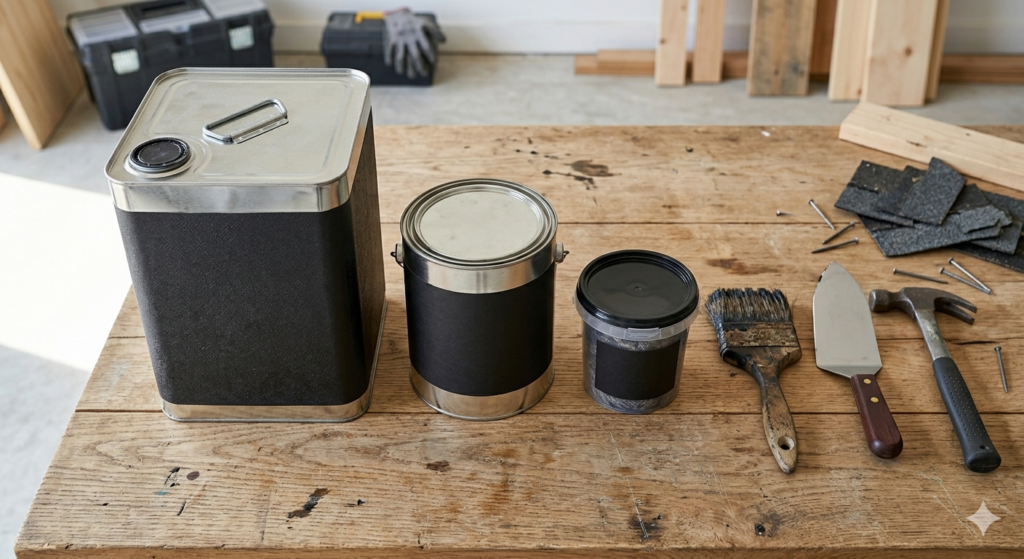
In everyday use, yes. When homeowners say roofing tar, they almost always mean plastic roof cement. Roofers may use the word for hot-applied asphalt or coal tar on built-up flat roofs, which is a very different job. The table below separates the common products.
| Product | Main Use | Who Applies It | Key Point |
|---|---|---|---|
| Fibred plastic roof cement | Flashing edges, cracks, nail heads, vertical surfaces | Homeowners and roofers | Thick and holds its shape |
| Non-fibred plastic roof cement | Small gaps and smooth seams | Homeowners and roofers | Spreads easily, less body |
| Wet-surface roof cement | Emergency patches on damp surfaces | Homeowners and roofers | Holds until a proper repair |
| Lap cement | Bonding overlaps on rolled roofing | Mostly roofers | Thin, not a crack filler |
| Hot asphalt or coal tar pitch | Built-up flat roof systems | Professionals only | Heated and mopped on in layers |
| Silicone or polyurethane sealant | Membranes, metal, detail work | Roofers | Used where asphalt isn’t compatible |
When Should You Use Roofing Tar?
Roofing tar is the right choice when the problem is small, easy to locate, and sitting on roofing that is otherwise in good condition. In each case below, the tar supports a roof component that is still doing its job rather than replacing one that has failed.
Flashing, Vents, and Exposed Nail Heads
These three spots account for many small leaks. Sealant along chimney, wall, and roof edge flashing dries and cracks over time, and fresh roofing cement along the joint keeps water from running behind the metal. Gaps around plumbing vents and exhaust caps can be sealed the same way, as long as the pipe boot is still in good shape. Exposed fasteners on flashing and ridge caps also deserve a small dab of cement, since water can follow an uncovered nail straight into the deck.
Can You Use Roofing Tar on Shingles?
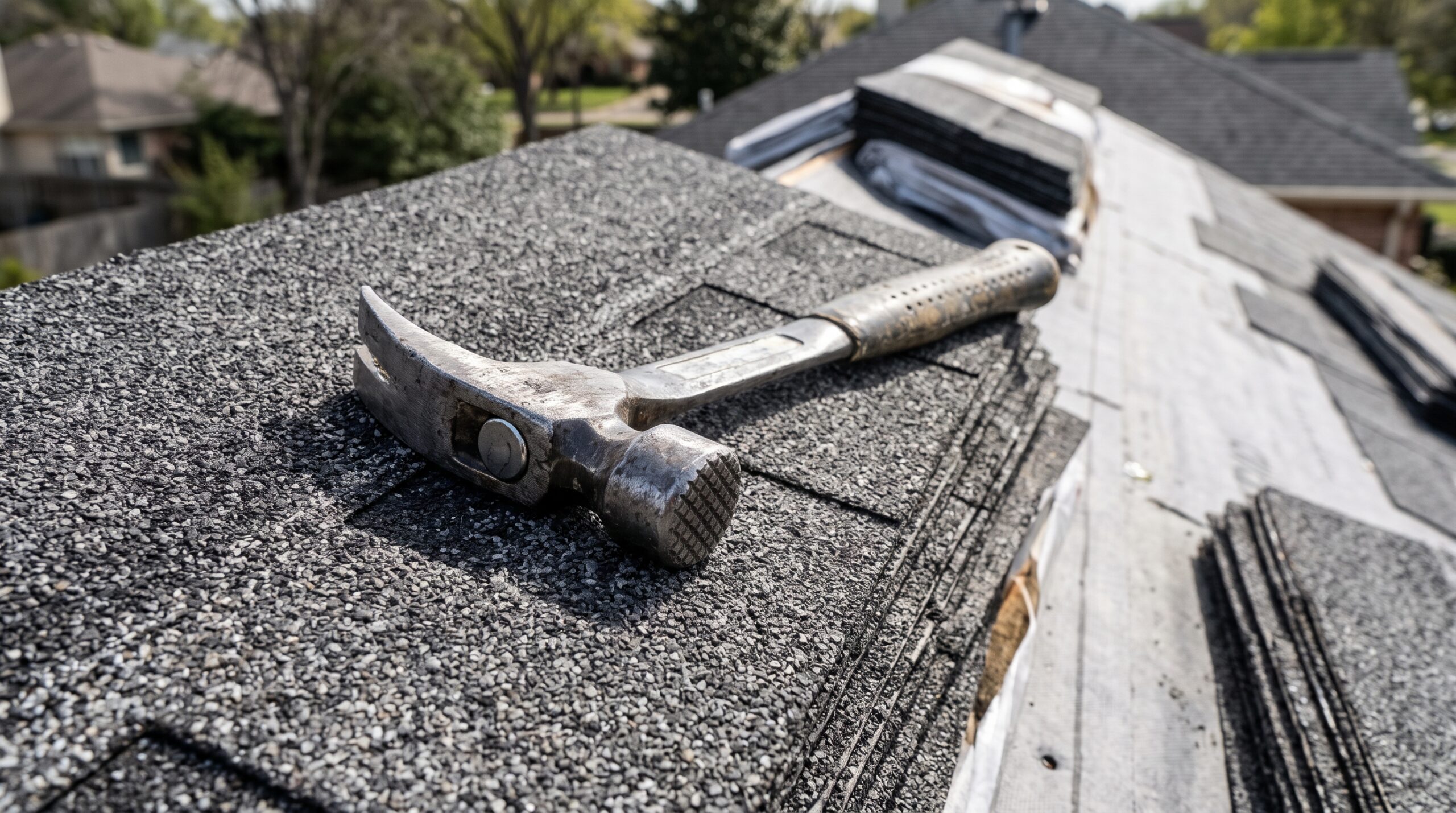
Yes, in small amounts. A dab under a lifted shingle tab can hold it down after a windstorm. Spreading tar across the face of shingles is a different matter, because it traps moisture, interferes with drainage, and does nothing to repair shingles that are cracked, curled, or losing granules.
Can You Use Roofing Tar on a Flat Roof?
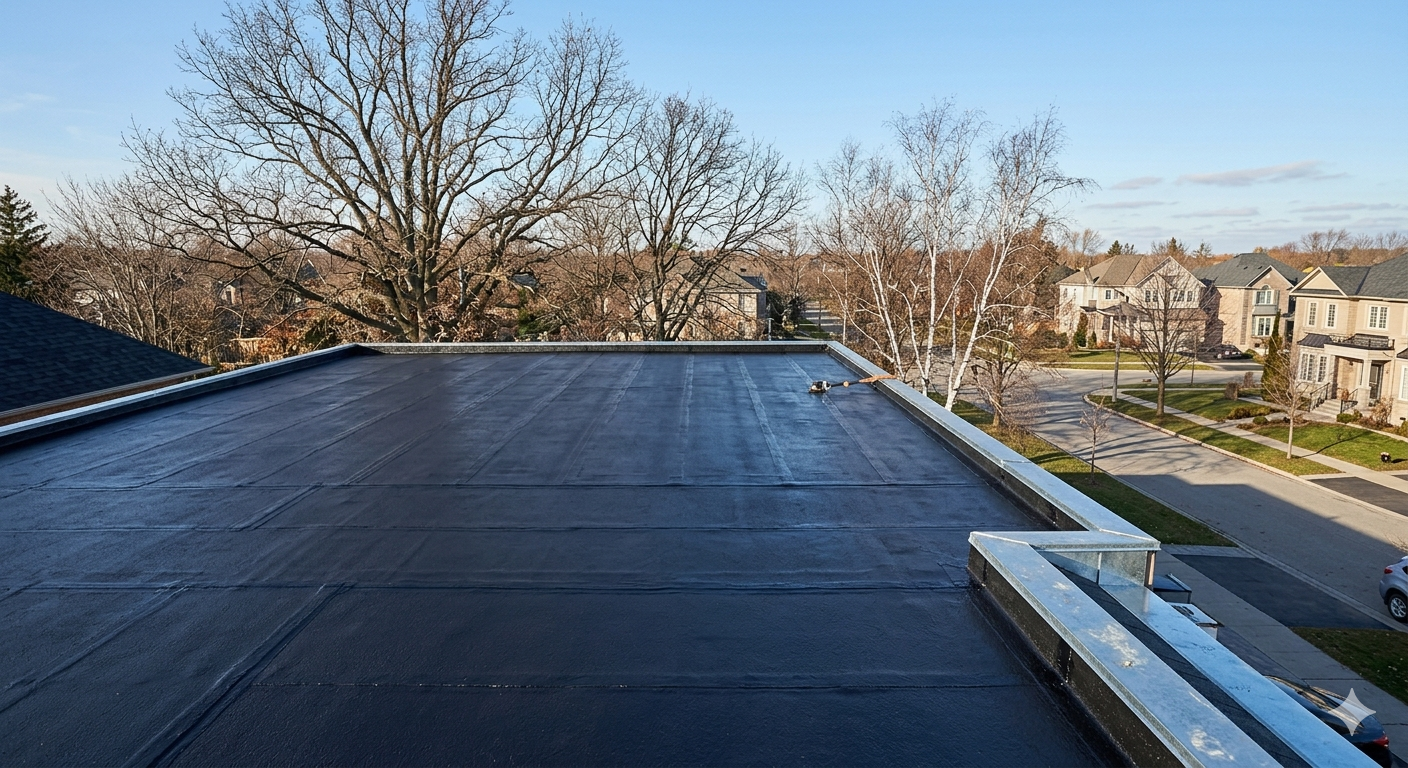
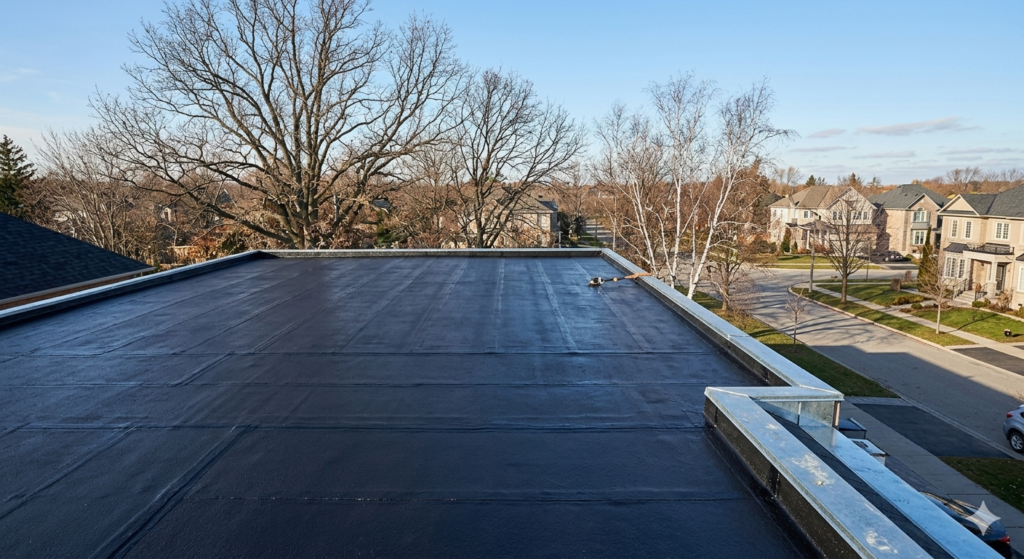
Yes, if the roof is asphalt-based. Small cracks and blisters on built-up or modified bitumen roofs can be patched with roofing cement and a layer of reinforcing fabric for added strength. Single-ply membranes like EPDM, TPO, and PVC are the exception, as covered below.
When Roofing Tar Is the Wrong Fix
Used in the wrong place, tar can trap moisture, hide damage that needs attention, and send water where it was never meant to go.
| Situation | Good Fit for Roofing Tar? | Better Approach |
|---|---|---|
| Small gap at chimney or vent flashing | Yes | Clean, dry, and seal the joint |
| Rusted, bent, or missing flashing | No | Replace or reinstall the flashing |
| Several cracked, curled, or missing shingles | No | Replace the damaged shingles |
| Widespread granule loss on an aging roof | No | Assess for shingle roof replacement |
| Soft or sagging roof deck | No | Repair the decking first |
| EPDM, TPO, or PVC flat roof | No | Use membrane-compatible products |
| Minor blister on a built-up flat roof | Often | Patch with cement and fabric |
Single-ply flat roofs need extra care. Asphalt-based products can damage EPDM rubber and won’t bond properly to TPO or PVC, so tar on these roofs can turn a small leak into a bigger one. A flat roof membrane needs repair materials made for that specific system.
Some signs point to a cause bigger than a surface gap: a leak that keeps coming back in the same spot, a ceiling stain that keeps growing, or storm damage over a large area. In those cases, professional roof repair in Winnipeg is more reliable than adding more layers of cement.
How to Apply Roofing Tar So the Patch Lasts
Most failed patches come from poor preparation, not a bad product.
- Clean the area. Scrape away loose granules, dirt, and old cracked sealant.
- Dry the surface. Unless the product is made for wet surfaces, only apply it to a dry roof.
- Check the label. Confirm the minimum application temperature and the recommended thickness.
- Press it in. Work the cement firmly into the crack or joint with a trowel instead of smearing it over the top.
- Reinforce larger cracks. Apply a layer of cement, embed reinforcing fabric in it, and cover it with a second layer.
- Feather the edges. Taper the patch so water runs over it instead of collecting against a ridge.
- Let it cure. Keep foot traffic off the area until it has fully set.
Safety matters as much as technique. Roof work carries serious fall hazards, and SAFE Work Manitoba’s roofing guidance explains the planning and fall protection the work requires. Steep, high, icy, or hard-to-reach roofs are best left to a crew with the right equipment.
How Long Does Roofing Tar Take to Dry?
Drying time depends on the product, how thick it’s applied, the temperature, and the humidity. In warm, dry weather, roofing cement often firms up on the surface fairly quickly, but a full cure takes longer, especially in thicker patches. Cool or damp weather slows it down a lot, so go by the curing time on the container instead of checking by touch.
Can You Apply Roofing Tar in Winnipeg’s Cold or Wet Weather?
Only as a temporary fix. Standard roofing cement stiffens in the cold and doesn’t bond well to damp or frosty surfaces. Wet-surface formulas can slow an active leak during a storm or spring melt, but those patches should be checked and redone once the weather improves.
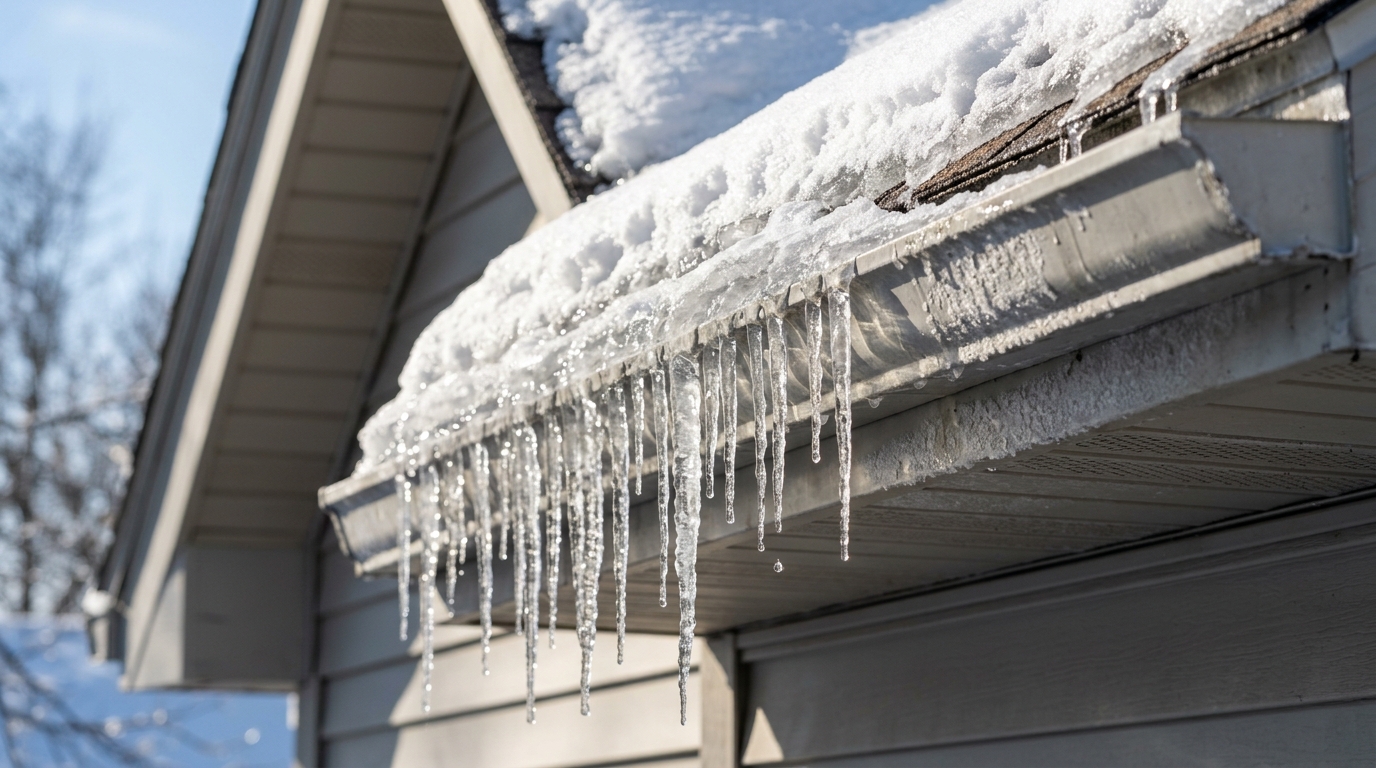
Manitoba’s climate is hard on any patch. Freeze-thaw cycles pull at the bond. Ice dams and spring melt push water under flashing. Summer heat dries out older asphalt until it cracks. Late spring through early fall usually has the best conditions for repairs. For homes across Winnipeg and nearby Manitoba communities, a quick check of every tar patch each spring and fall catches problems early.
Things To Know
- Roofing tar seals small gaps. It doesn’t restore worn shingles or a failed membrane.
- Fibred roof cement is the most versatile choice for flashing and vertical surfaces.
- Never use asphalt-based products on EPDM, TPO, or PVC roofs.
- Tar over wet or rotted decking traps moisture and lets the damage spread where you can’t see it.
- Thick, wide layers of tar can block drainage and make water pool.
- Water often travels before it drips, so a leak inside may start somewhere else on the roof.
- Freeze-thaw cycles are the most common reason patches fail, so recheck them after winter.
If you have a leak you can’t trace, a patch that keeps failing, or questions about whether roofing tar suits your roof, contact Zega Roofing to have the problem assessed and talk through your options.
Roofing Tar Is a Patch, Not a Roof
Roofing tar works best as a precise, targeted repair. It closes the small gaps at flashing, vents, fasteners, and seams that let water in, and it can keep a sound roof watertight between bigger maintenance jobs. Problems start when it’s used to cover damage it was never designed to fix.
Before you open a tub of roofing cement, figure out whether you’re dealing with a gap in a working roof or a sign that something bigger has failed. A clean, dry, well-applied patch handles the first. The second needs a repair that fixes the cause.
Frequently Asked Questions About Roofing Tar
Will roofing tar stop a leak?
Yes, for small leaks at a clearly identified spot. Roofing tar works well when water is getting in through a gap at flashing, a vent, or a minor crack. It won’t reliably stop leaks caused by missing shingles, a failed membrane, or damaged decking. If the leak comes back after patching, the water is probably getting in somewhere else.
What is tar used for in roofing?
It’s used to seal and waterproof small weak points on a roof. Common uses include sealing flashing joints, covering exposed nail heads, sealing around vents and pipes, holding down lifted shingle tabs, and patching minor defects on asphalt-based flat roofs. Hot-applied tar is also used to build multi-layer built-up flat roofs.
Where to use roofing tar?
Use it at flashing edges, roof penetrations, fastener heads, and small cracks on asphalt-based roofing. It works on asphalt shingles, built-up roofs, and modified bitumen. Avoid it on EPDM, TPO, and PVC membranes, over wet or rotted decking, and anywhere it would block drainage.
How long will tar last on a roof?
It depends on the product, how it was applied, and the conditions it faces. A well-prepared patch on a clean, dry surface can hold for several years, while a rushed patch put on in cold or wet weather may fail within a season. In Winnipeg, freeze-thaw cycles and summer heat wear patches down faster, so inspect them every spring and fall.
What is the best roofing tar to use?
For most homeowner repairs, a fibred asphalt plastic roof cement is the most versatile option. It holds its shape on vertical flashing and resists cracking better than thinner products. Use a wet-surface formula only for emergencies on damp surfaces, and choose membrane-compatible products for single-ply flat roofs.