

An emergency roof repair guide can save your home when disaster hits at the worst possible moment. Roof problems don’t care if it’s 3 AM or Christmas morning. They just happen, leaving you scrambling to protect your house and keep your family safe.
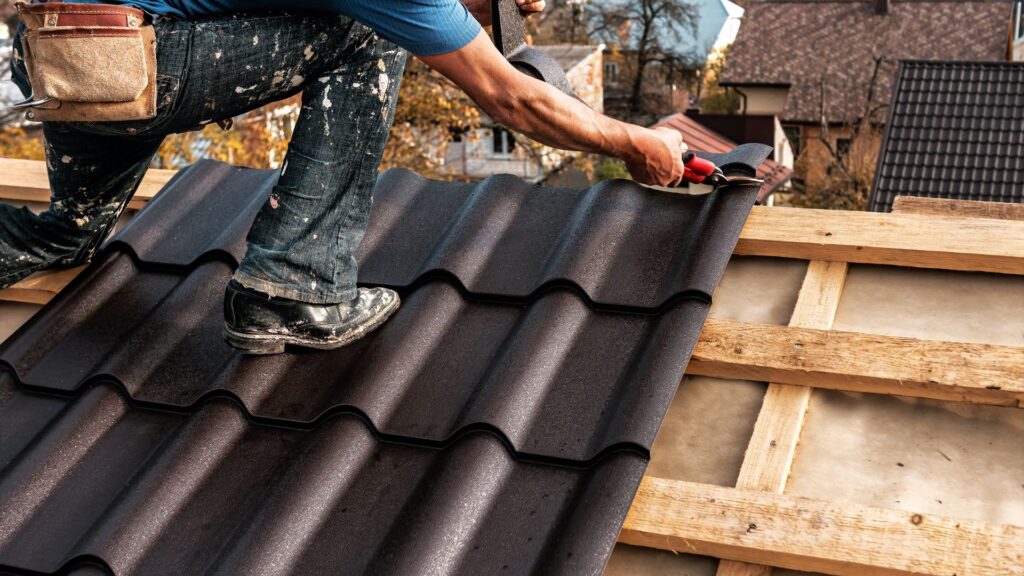
Canadian homeowners deal with roof emergencies constantly. Wind storms rip off shingles. Heavy snow crushes structures. Ice builds up and forces water into places it shouldn’t go. When your roof fails, every minute counts before small problems turn into expensive disasters.
Having a solid emergency roof repair guide ready before trouble starts makes all the difference. You’ll know exactly what to do instead of panicking and making costly mistakes when water starts pouring through your ceiling.
Understanding Roofing Emergencies
Not all roof problems are the same, but they all need quick action to stop things from getting worse. Some issues build up slowly over time, while others happen instantly during bad storms. Knowing what you’re dealing with helps you respond the right way.
Common Emergency Situations
Bad weather causes most roof emergencies across Canada. Strong winds can lift shingles clean off or tear away whole sections of your roof. Hail punches holes right through roofing materials. Too much snow can make your roof structure buckle under the weight.
Trees falling on your roof create serious emergencies too. Big branches or entire trees can punch massive holes through everything. Even smaller branches can knock shingles loose or create spots where water gets in.
Fire damage needs immediate attention no matter how small it looks. Even minor fires can weaken the structure and make your roof unsafe. Heat and smoke can also damage materials that look fine from the ground.
Old roofs sometimes fail suddenly even though they’ve been getting worse for years. Flashing gives out during storms. Worn shingles blow off in normal wind. Rotten decking collapses when it can’t handle regular weight anymore.
Immediate Damage Assessment
You need to figure out how bad things are and how fast you need to act. Start by checking inside your house if you can do it safely. Water stains on your ceiling mean you’ve got active leaks that need fixing right now. Fresh water damage looks dark and feels wet, while old stains are more yellow or brown.
Check your attic if you can get up there safely. If you can see daylight coming through your roof, you’ve got big problems. Water pooling on the attic floor means you need emergency help fast.
Only check the outside of your roof from the ground. Use binoculars to look at what you can see. Look for missing shingles, damaged flashing, or places where debris hit. Take pictures of everything for your insurance company.
Safety Hazards
Roof emergencies create all kinds of dangerous situations beyond just the obvious structural problems. Water and electricity don’t mix, so turn off power to any areas where water might have gotten into electrical systems.
Everything gets slippery when your roof is damaged. Wet surfaces, loose materials, and unstable parts of your roof can cause serious falls. Never try to fix anything during storms or when surfaces are wet.
Gas leaks can happen when trees or big pieces of debris hit your house. If you smell gas after roof damage, get everyone out immediately and call emergency services before worrying about your roof.
Immediate Emergency Response Steps
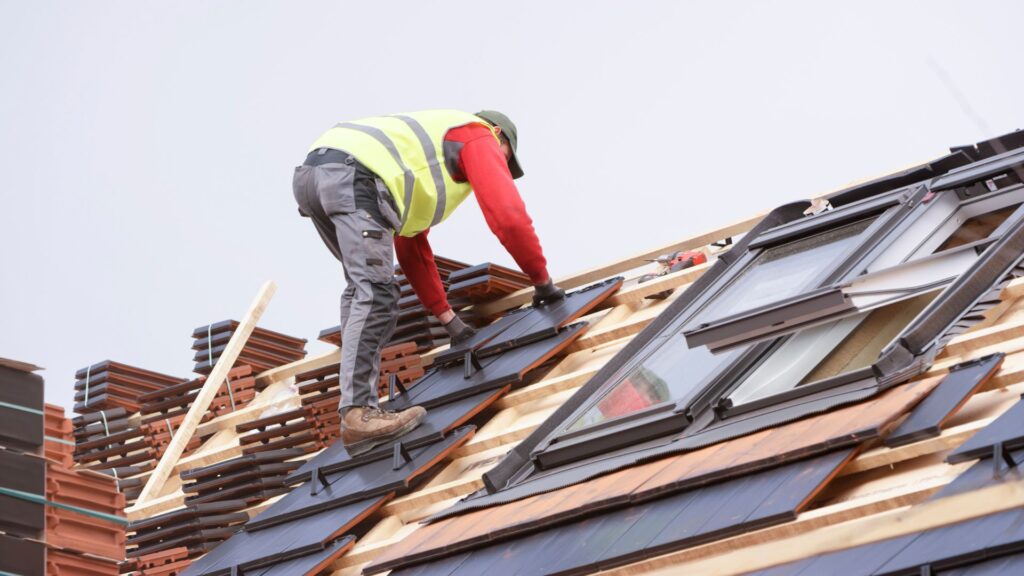
Your emergency roof repair guide needs to start with steps that keep people safe and stop damage from spreading. What you do in the first few minutes often decides whether you’ll need simple repairs or major reconstruction work.
The first things you do after roof damage can make or break your situation. Quick action saves money and prevents small problems from becoming huge disasters.
Securing the Interior
Water damage spreads incredibly fast once it gets inside your house. Move anything valuable away from leak areas right away. Electronics, important papers, and furniture can be ruined within minutes of getting wet.
Don’t try to catch major leaks with tiny buckets. Use big storage containers, spread out tarps on the floor, or grab garbage cans. Empty whatever you’re using frequently so it doesn’t overflow and create more problems.
Take pictures and videos of everything before you move stuff around. Your insurance company will need proof of where damage happened and what got wet. Get shots from different angles showing water stains, damaged ceilings, and wet areas.
Temporary Protection Measures
Tarping works best for temporary protection according to most emergency roof repair guide experts. Get heavy-duty tarps made for outdoor use because they resist water better. Try to secure tarps from inside your attic when possible since going on the roof during storms is dangerous.
Make sure tarps cover way more area than just the damaged spot. Water runs along roof boards before it drips down, so the ceiling damage might not show you exactly where the roof is broken. Overlap tarp edges and hold them down with heavy stuff or fasteners that can handle wind.
Plastic sheeting might work for small leaks but tears easily when it’s windy. Reinforced plastic or canvas lasts longer for temporary fixes. Don’t use anything that traps moisture against your roof boards because that causes mould and rot.
Emergency Roof Repair Guide Communication
Call your insurance company right after you’ve made things safe and set up temporary protection. Most insurance companies have phone lines open 24 hours just for emergencies. Report damage quickly to avoid problems with your claim later.
Write down your claim number and who you talked to. Take notes about what they told you to do and what your coverage includes. Some insurance policies have specific rules about emergency repairs, so understand what you can spend before you do anything.
Contact an emergency roofing contractor as soon as you can. Good roofing companies often have crews ready to go for urgent situations. Give them detailed descriptions of the damage and send pictures if possible so they know what equipment and materials to bring.
Types of Emergency Roof Repairs
Different emergency situations need different approaches and materials. Understanding these differences helps you talk to contractors better and make smart choices about temporary versus permanent solutions.
Emergency repairs vary a lot depending on what happened to your roof and how bad the damage is. Knowing what type of repair you need helps you get the right help faster.
Leak Repairs
Stopping active leaks comes first before anything else. Small holes from hail or debris can sometimes be sealed with roofing cement or emergency patch materials. These quick fixes give you time until proper repairs can be done when conditions are better.
Bigger tears or areas where shingles are completely gone need more serious temporary protection. Emergency roofing patches made from tough materials work better than basic tarps for longer protection. These patches stick right to your existing roof materials and can handle weather exposure.
Problems with flashing around chimneys, vents, or where roof sections meet need special repair methods. Emergency flashing fixes might use temporary sealants or metal patches until proper flashing can be replaced. These spots are especially vulnerable to water getting in and need careful attention.
Structural Damage Response
When trees fall on your roof or you have severe impact damage, you need professional help right away to assess the structure. These situations often involve damaged roof boards, broken support beams, or twisted framing. Emergency structural repairs focus on preventing collapse and making the damaged area secure.
Temporary supports help stabilize damaged roof sections. Professional emergency crews use adjustable posts, braces, or temporary framing to move weight away from compromised areas. These supports stay in place until permanent structural repairs can be completed.
Emergency roof repair guide rules for structural damage always put safety before protecting property. If the structure looks compromised, get everyone out and call emergency services. You might need professional structural engineers to check the damage before any repair work starts.
Weather-Related Emergency Fixes
Wind damage repairs usually involve securing loose stuff and replacing missing parts. Emergency repairs might include putting up temporary shingles, securing loose flashing, or removing damaged materials that could fall and hurt someone.
Snow emergencies need careful removal to prevent your roof from collapsing. Emergency snow removal focuses on areas that bear the most weight while avoiding sudden shifts that could cause more damage. Professional snow removal equipment and methods prevent putting more stress on your roof structure.
Ice dam emergencies need immediate attention to prevent major water damage. Emergency ice removal combined with temporary heating systems can stop ongoing damage. But removing ice the wrong way can cause more damage than the original ice dams.
Professional Emergency Services
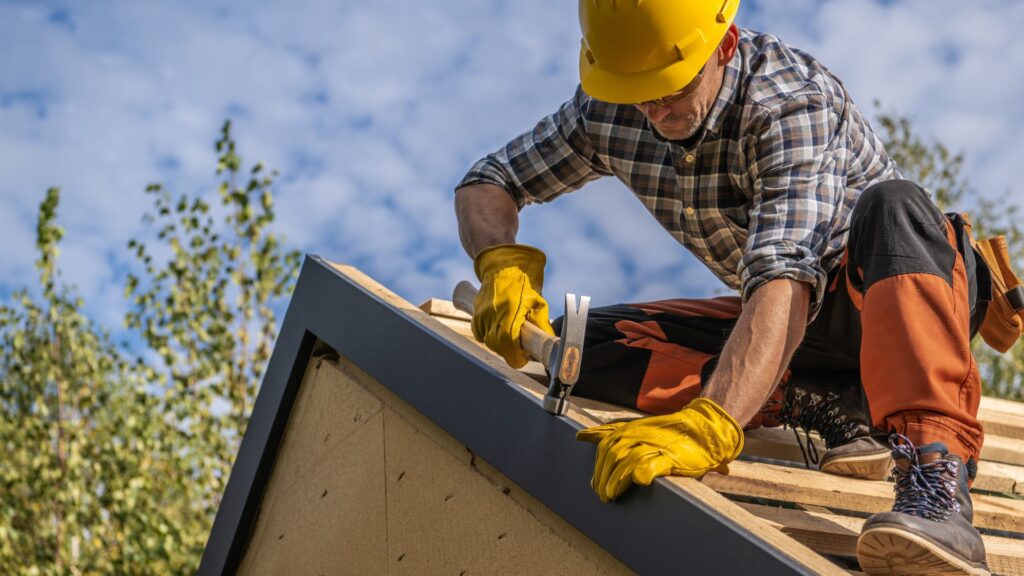
Professional emergency roofing services have the expertise, equipment, and safety training that regular homeowners can’t match. Knowing when to call professionals instead of trying temporary fixes yourself can prevent injuries and additional property damage.
Understanding when you’re in over your head can save you money, time, and potentially your life. Some situations always require professional help no matter how handy you think you are.
When to Call Professionals Immediately
Any structural damage needs professional response right away. If you can see daylight through your roof, notice sagging ceiling areas, or see obvious structural problems, get everyone out and call emergency services. These situations create immediate safety risks that are more important than protecting property.
Electrical problems combined with roof damage create extremely dangerous conditions. If water gets into electrical systems or damaged power lines affect your roof area, contact emergency services and your power company before trying any repairs.
Major damage covering large roof areas is beyond what most homeowners can handle. Professional emergency teams have the equipment, materials, and people to deal with big damage safely and effectively. They also know proper insurance procedures for large claims.
Emergency Service Capabilities
Professional emergency roofing teams carry specialized equipment for crisis situations. Heavy-duty tarps, industrial sealants, temporary structural supports, and professional patch materials provide much better protection than what you can get at regular hardware stores.
Being available 24 hours means professional emergency services can respond during active storms when damage happens. Many established roofing companies keep emergency response teams ready specifically for urgent situations. They understand that roof emergencies don’t follow normal business hours.
Safety training and proper insurance coverage protect both workers and property owners during emergency repairs. Professional roofers understand fall protection, electrical hazards, and structural safety in ways that prevent injuries during emergency response.
Working with Insurance Adjusters
Emergency roof repair guide procedures often involve working with insurance companies. Professional emergency services understand insurance requirements and how to document things properly. They can provide detailed damage assessments that support your insurance claim.
Proper documentation during emergency repairs protects your insurance coverage. Professional services take pictures of damage, document temporary repair methods, and provide detailed written reports for insurance purposes. This documentation often makes the difference between full coverage and claim disputes.
Emergency repair authorization changes depending on your insurance company and policy type. Professional services understand these differences and can work directly with insurance adjusters when you give them permission. This coordination often speeds up the claims process and makes sure you get proper coverage for emergency repairs.
Temporary Repair Techniques
Good temporary repairs can stop minor roof damage from turning into major structural problems. These methods bridge the gap between when the emergency happens and when permanent professional repairs can be done, often saving thousands in additional damage costs.
Temporary repairs aren’t meant to be permanent solutions, but they can be the difference between manageable repair costs and complete roof replacement.
Safe Repair Methods
Try to do repairs from ground level whenever possible. Many emergency roof repair guide techniques can be done from inside the attic or through openings you can reach safely. This approach eliminates fall risks while still giving you effective damage control.
Ladder safety becomes really important during roof emergencies. Wet conditions, high winds, or icy surfaces make using ladders extremely dangerous. If you absolutely must use a ladder, make sure someone else is there and follow proper ladder positioning rules. Never try to use a ladder during active storms.
Weather timing affects how safely you can do repairs. Wait for wind speeds to drop below 25 mph before trying any outside repairs. Wet surfaces stay slippery long after rain stops. Plan temporary repairs during the safest possible conditions.
Materials and Tools
Keep emergency repair materials on hand before emergencies happen. Heavy-duty tarps, roofing cement, temporary patch materials, and basic fasteners give you options for different emergency situations. Quality materials work better and last longer than cheap alternatives.
Professional emergency patches work much better than basic tarps. These patches are made specifically for roofing and provide better sticking power, weather resistance, and durability. They cost more up front but often prevent additional damage that would cost way more than the patches.
Having proper tools makes emergency repairs safer and more effective. Keep cordless drills, appropriate fasteners, utility knives, and safety equipment where you can get to them easily. Having the right tools prevents you from trying to use inappropriate equipment during emergencies.
Application Techniques
Preparing surfaces properly makes emergency repairs work much better. Clean off debris and standing water from repair areas when you can. Dry surfaces provide better sticking for emergency patches and sealants. But don’t delay repairs waiting for perfect conditions during active emergencies.
How you overlap and seal determines how long repairs last. Make patches extend well beyond damaged areas and create multiple seal lines to prevent water from getting in. Emergency repairs often fail at edges where water finds ways around improperly sealed patch edges.
How you fasten things depends on what materials you’re using and what conditions are like. Mechanical fasteners hold better than just adhesives when it’s windy. But too many fasteners can create additional holes that become leak points. Balance holding power with preventing more damage.
Prevention and Preparedness
Being proactive about emergency preparedness significantly reduces how bad damage gets and how quickly you can respond during actual emergencies. Most emergency roof repair guide experts say prevention costs way less than reaction as the most effective approach to roof protection.
Getting ready before problems happen is always smarter and cheaper than dealing with emergencies after they’ve already caused damage.
Regular Maintenance Programs
Scheduled roof inspections catch potential problems before they become emergencies. You should have professional inspections twice a year, usually in spring and fall. These inspections find loose shingles, damaged flashing, or deteriorating sealants that could fail during storms.
Keeping gutters and drainage systems clean prevents many emergency situations. Clogged gutters create ice dams in winter and cause water backup during heavy rains. Regular cleaning and small repairs keep water flowing away from roof structures properly.
Trimming trees around your roof reduces storm damage risks. Overhanging branches turn into projectiles during high winds, while leaf buildup creates drainage problems. Professional tree services know proper trimming methods that protect both trees and roof structures.
Emergency Supply Preparation
Having emergency supplies ready ahead of time lets you respond faster during crisis situations. Store emergency repair materials somewhere accessible that won’t be affected by typical roof damage. Basements, garages, or outbuildings provide better protection than attics that might become unreachable during roof emergencies.
Keep emergency contact lists that include several roofing contractors, insurance company numbers, and emergency services contacts. Keep physical copies in multiple places since power outages might prevent you from accessing electronic contact information. Update contact information every year to make sure it’s accurate.
Getting documentation ready speeds up insurance claims processing significantly. Take photos of your roof, important belongings, and home interior before emergencies to provide baseline documentation for damage assessment. Store copies somewhere off-site or in cloud storage so you don’t lose them during emergencies.
Weather Monitoring Systems
Advanced weather monitoring gives you early warning for potential roof emergencies. Modern weather apps offer specific alerts for high winds, hail, and severe storms that threaten roof structures. These warnings give you time for preventive measures and emergency preparation.
Local weather patterns affect how you should prepare for emergencies. Coastal areas face different challenges than inland regions. Understanding your area’s typical severe weather patterns helps you focus preparation efforts on the most likely emergency scenarios.
Emergency roof repair guide development should account for seasonal changes in weather risks. Preparing for winter ice dams is completely different from preparing for summer storms. Rotating seasonal supplies makes sure materials work effectively when you need them most.
Insurance and Emergency Claims
Understanding your insurance coverage and claims procedures before emergencies happen prevents confusion and delays during stressful situations. Many homeowners only discover coverage limitations after filing claims, making advance preparation essential for adequate protection.
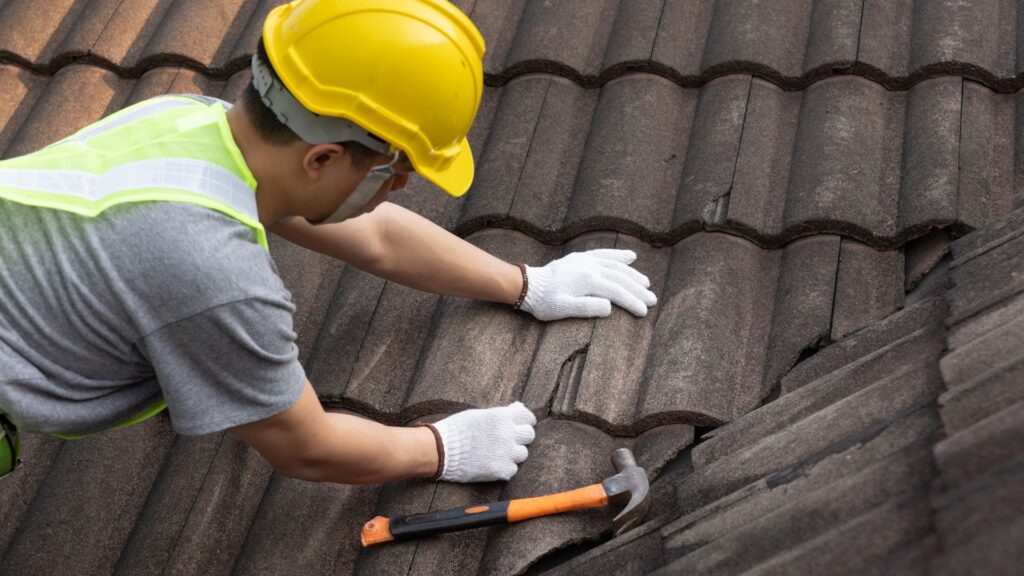
Insurance can be confusing at the best of times, and it’s even worse when you’re dealing with an emergency. Understanding your coverage before you need it saves headaches later.
Coverage Understanding
Emergency repair coverage varies a lot between insurance policies. Some policies provide immediate coverage for emergency repairs up to specific dollar amounts without requiring approval first. Others require adjuster approval before covering any repair costs, which creates delays during urgent situations.
Temporary living expense coverage helps when roof damage makes your home unlivable. This coverage pays for hotel costs, restaurant meals, and other living expenses while your home isn’t safe to live in. Understanding these benefits prevents you from paying these costs out of your own pocket during extended repair periods.
How your deductible applies affects emergency repair decisions significantly. High deductibles might mean you pay for entire emergency repairs yourself. Understanding deductible amounts helps you budget for emergency situations and influences repair decisions.
Documentation Requirements
Detailed damage documentation supports successful insurance claims. Take pictures of damage from multiple angles, including wide shots showing overall damage and close-ups highlighting specific problems. Date-stamp photos when possible to establish when damage happened.
Keep all documentation related to repair costs, including material receipts, contractor invoices, and detailed work descriptions. Save everything related to emergency repairs, including temporary protection costs. Insurance companies often reimburse temporary repair expenses when permanent repairs are covered.
Document all communication with insurance companies for claim resolution. Keep records of all phone calls, including dates, times, claim numbers, and who you talked to. Follow up verbal agreements with written emails to create paper trails for disputes.
Working with Adjusters
Insurance adjusters assess damage and determine how much coverage you get for repair claims. Professional emergency roof repair guide procedures help adjusters understand how extensive damage is and what repair work is necessary. Providing detailed damage information supports accurate assessments.
Scheduling adjusters during emergency situations often involves delays because of high claim volumes. Document ongoing damage while waiting for adjuster visits. Additional damage that happens because of assessment delays might be covered separately from original damage claims.
Professional contractor estimates help adjusters understand proper repair costs and procedures. Multiple estimates give adjusters market rate information for accurate claim settlements. Quality contractors understand insurance procedures and provide appropriate documentation for claim support.
Having a solid emergency roof repair guide becomes incredibly valuable when disaster hits your home. Understanding immediate response procedures, temporary repair options, and professional service capabilities helps you protect your property and family during crisis situations. Proper preparation combined with quick decisive action often makes the difference between minor inconvenience and major reconstruction projects.
Success with emergency roof repair comes down to preparation, safety, and professional coordination. Keep emergency supplies where you can get to them easily, maintain current contact information for professional services, and understand your insurance coverage before you need it. When emergencies happen, always put safety before property protection and don’t hesitate to call professionals when situations exceed your abilities or comfort level.
Professional emergency roofing services provide expertise, equipment, and safety protocols that protect both property and people during crisis situations. Building relationships with quality contractors before emergencies happen ensures faster response when you need help most. Remember that temporary repairs are exactly that – temporary solutions that buy you time for proper permanent repairs under better conditions.