

Emergency roofing solutions are fast, temporary, or permanent repairs performed when sudden roof damage threatens your home or business. These range from tarping and patching to full emergency roof replacements by licensed professionals. Winnipeg homeowners face harsh weather year-round, from heavy snow loads to high winds and sudden hail. Knowing how to respond to a roof emergency can prevent costly water damage, mold growth, and structural problems. This blog covers why emergency roofing solutions matter, how to handle a roof leak temporarily, which materials work best for quick fixes, and when you should call a trusted roofing company in Winnipeg like Zega Roofing for professional help.
What Are Emergency Roofing Solutions?
Emergency roofing solutions refer to any repair or protective measure taken right after unexpected roof damage. The goal is to stop further harm to your property until a full repair can happen. A sudden storm can rip off shingles, crack flashing, or puncture your roof membrane, and water can seep into your attic, walls, and ceilings within minutes.
These emergency roofing solutions include temporary fixes like tarping a damaged section, applying roof sealant over a crack, or placing a bucket under an interior leak. They also include permanent emergency repairs carried out by professional roofers who respond quickly. In Winnipeg, where winter storms and freeze-thaw cycles put constant stress on roofing materials, reliable emergency roofing solutions are a must for every property owner.
Why Emergency Roofing Solutions Are Important for Winnipeg Homes
Winnipeg experiences some of the most extreme weather in Canada. Temperatures swing from -30C in winter to +30C in summer, putting your roof under serious pressure. Heavy snowfall causes ice dams that force water under your roofing shingles, while summer storms bring hail and high winds that loosen or remove materials.
Without emergency roofing solutions, a small leak can turn into a major flood inside your home. Water damage spreads fast and ruins insulation, drywall, and flooring. Mold can start growing within 48 hours of moisture exposure. Repairing interior damage often costs far more than a prompt emergency roof fix.
Acting quickly is the single most effective way to limit damage. Even a basic temporary cover over a hole or crack buys you enough time to get a professional on-site. Zega Roofing offers fast-response roof repair services for Winnipeg homeowners who need emergency roofing solutions right away.
Common Causes of Roof Emergencies
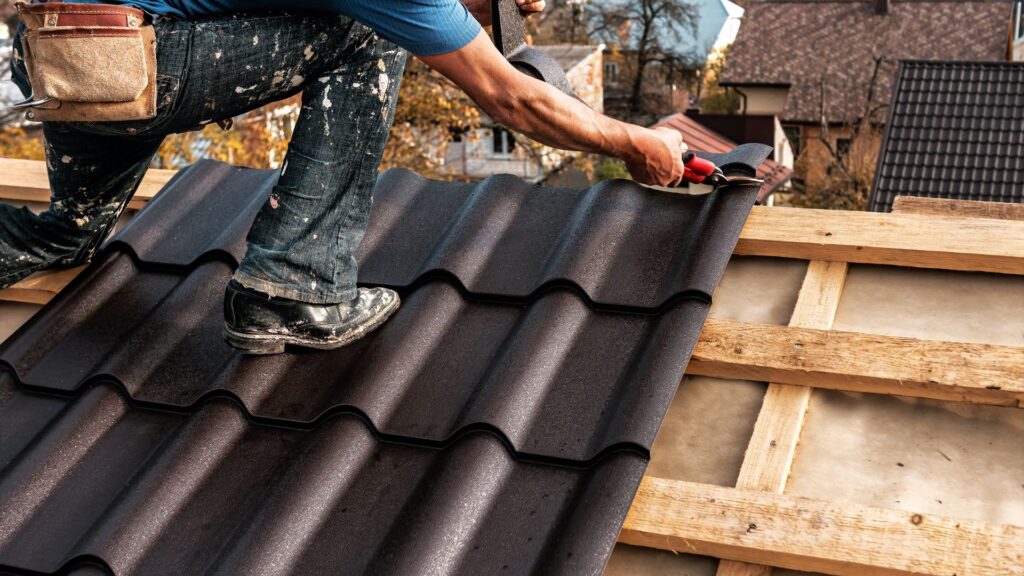
Roof emergencies rarely happen without a cause. Knowing what triggers them helps you prepare and respond faster with the right emergency roofing solutions.
Severe Weather Events
Hailstorms, heavy winds, and blizzards are the top weather-related causes of roof damage in Winnipeg. High winds can peel back shingles or tear off entire sections of roofing material. Hail creates cracks in shingles and tiles, reducing their ability to keep water out. If your roof sustains weather damage, emergency roofing solutions should be your first priority.
Falling Debris and Tree Damage
Large branches or entire trees can fall on your roof during storms. Even smaller branches can crack roofing tiles or dislodge flashing. After any storm, inspect your roof visually from the ground. If you see broken branches or debris on the rooftop, contact a professional for emergency roofing solutions before the damage gets worse.
Aging and Neglected Roofing Materials
Roofs that have not been maintained or are past their expected lifespan are more vulnerable to sudden failure. Missing shingles, worn-out flashing, and deteriorated sealant can all lead to unexpected leaks. Regular inspections reduce the chance of a surprise emergency, but when one occurs, emergency roofing solutions get your home protected fast.
Emergency Types and Recommended Responses
Below is a breakdown of common roof emergencies with their typical causes and the best response for each.
| Emergency Type | Common Cause | Recommended Response |
| Missing Shingles | High winds, aging materials | Apply roof sealant or tarp the area; call a roofer |
| Punctured Roof | Fallen tree or debris | Cover with heavy-duty tarp; contact emergency service |
| Ice Dam Leak | Freeze-thaw cycles, poor insulation | Remove snow from edges; apply calcium chloride |
| Flashing Failure | Aging sealant, storm impact | Seal with roofing cement; schedule full repair |
| Sagging Roof Deck | Heavy snow load, water pooling | Remove excess weight immediately; call a roofer |
Temporary Fixes You Can Do Before a Professional Arrives
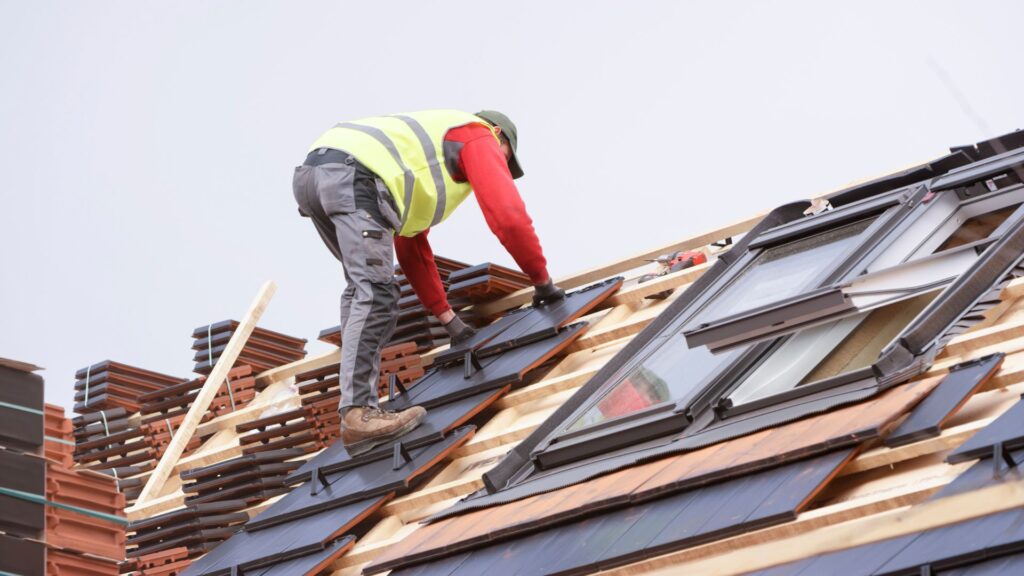
When emergency roofing solutions are needed and a professional cannot arrive right away, there are a few steps you can take to limit damage. These are temporary measures, not permanent fixes, but they can save you thousands in interior repairs.
Tarping a Damaged Roof
A heavy-duty polyethylene tarp is one of the most effective temporary covers for a damaged roof. Spread it over the damaged area, extending at least four feet past the damage on all sides. Secure the edges with 2×4 lumber and roofing nails or sandbags. Make sure the tarp is tight so wind cannot get underneath. Only attempt this if it is safe to access your roof. If the damage is large or the roof is steep, wait for a professional to handle these emergency roofing solutions safely.
Applying Roof Sealant or Cement
For smaller cracks or gaps, roofing sealant or cement provides a quick temporary seal. Clean the area, dry it as much as possible, and apply the sealant directly over the crack. This works well for minor shingle damage or small gaps around flashing. Sealant is a short-term fix and should be followed by a proper repair.
Managing a Leak From Inside
If you notice water dripping from your ceiling, place a bucket directly beneath the leak. If the ceiling is bulging, carefully puncture a small hole at the lowest point to release trapped water. This prevents the ceiling from collapsing under pooled water weight. Move furniture and valuables away from the wet area. These interior emergency roofing solutions protect your belongings while you wait for a roofer.
Choosing the Right Materials for Emergency Roofing Solutions
The materials you use for a temporary fix matter. Here is a quick guide to help you pick the right option for your emergency roofing solutions.
| Material | Best For | Limitation |
| Heavy-duty tarp | Large holes, missing shingle sections | Temporary; must be secured properly |
| Roofing sealant | Small cracks, gaps around flashing | Not suitable for large openings |
| Roofing cement | Loose shingles, minor flashing repair | Needs dry surface for best adhesion |
| Plywood board | Covering puncture holes temporarily | Heavy; may need help to install |
| Self-adhesive patch | Flat roofs, small tears | Short lifespan; best as a stopgap |
When to Call a Professional for Emergency Roofing Solutions
Temporary fixes have limits. If the damage is extensive, the roof is structurally compromised, or you are not comfortable working at height, call a professional right away. Zega Roofing provides emergency roofing solutions across Winnipeg and surrounding areas with fast response times and experienced crews who assess damage and perform lasting repairs.
A professional roofer will inspect the full extent of the damage, including areas you cannot see from the ground. They will recommend whether a repair is sufficient or if a partial or full roof replacement is needed. For accurate pricing on emergency roofing solutions, contact Zega Roofing so the team can provide a proper estimate based on your situation.
How to Prepare for Roof Emergencies Before They Happen
Prevention is always more affordable than emergency repairs. Here are practical steps Winnipeg homeowners can take to lower the risk of needing emergency roofing solutions.
Schedule annual roof inspections with a licensed roofer who can spot early signs of wear, loose shingles, or failing flashing before they become emergencies. Keep trees trimmed back from your roofline since overhanging branches are a risk during storms. Clean your gutters at least twice a year to prevent water backup and ice dams. Ensure your attic has proper insulation and ventilation, as poor insulation contributes to ice dam formation in winter. Maintaining roof integrity through regular upkeep extends the life of your roof and reduces the need for emergency roofing solutions.
Keep a basic emergency roofing kit at home: a tarp, roofing sealant, a caulking gun, and sandbags. Having these supplies on hand means you can respond to roof damage right away instead of scrambling for materials during a storm.
Protecting Your Home With Emergency Roofing Solutions
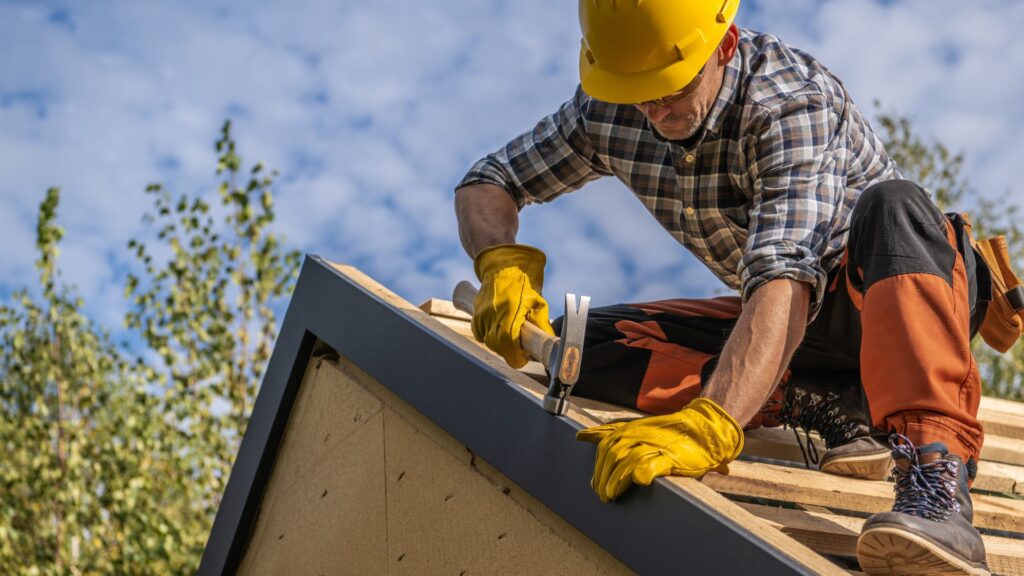
Emergency roofing solutions give homeowners the ability to act fast when the unexpected happens. From tarping a damaged area to applying sealant over a crack, knowing the right steps prevents small problems from becoming expensive disasters. For Winnipeg homeowners dealing with extreme weather, being prepared and having a trusted roofing partner makes all the difference. Zega Roofing is ready to help with emergency roofing solutions whenever you need them. Fast professional response is the key to keeping your home safe and dry. Visit Zega Roofing or check the areas we serve page for coverage details in your neighborhood.
Frequently Asked Questions
How can I temporarily cover a hole in my roof?
Use a heavy-duty tarp secured with 2×4 lumber and nails or sandbags. Spread the tarp at least four feet beyond the damaged area on all sides. Make sure it is pulled tight to prevent wind from lifting it. This is one of the most common emergency roofing solutions for large openings and storm damage.
How to temporarily cover a roof leak?
Apply roofing sealant or cement directly over the source of the leak after cleaning and drying the area. For larger leaks, place a tarp over the section from the outside. Inside, use a bucket to catch dripping water and move valuables away from the wet zone.
How to temporarily fix a leaking roof from inside?
Place a bucket under the leak and carefully puncture any bulging ceiling spots to release trapped water. If you can access the attic, trace the water to its entry point and apply roofing sealant from the inside as a stopgap. These are quick interior emergency roofing solutions until a roofer arrives.
How to quickly fix a leak in the roof?
Identify the source, apply roofing sealant or cement over the crack, and cover the area with a tarp if needed. Speed matters because water damage spreads quickly. For anything beyond a minor crack, call a professional roofing team for a lasting repair.
What are the options for a temporary roof cover?
Heavy-duty tarps, self-adhesive roof patches, plywood boards, roofing sealant, and roofing cement are all effective options. The best choice depends on the size and location of the damage. Tarps work well for large areas, while sealant is better for small cracks. All of these are temporary emergency roofing solutions that should be followed by a professional repair.