
Ice dams in Winnipeg form when heat escapes through roofs, melting snow that refreezes at eaves and creates barriers trapping water behind them. These frozen ridges damage shingles, gutters, and cause interior leaks affecting insulation, ceilings, and walls. Prevention through proper attic insulation, adequate ventilation, and prompt snow removal protects homes throughout Manitoba’s winters. Professional inspections identify vulnerable areas before winter, while understanding formation science helps homeowners implement effective solutions.
What Causes Ice Dams in Winnipeg?
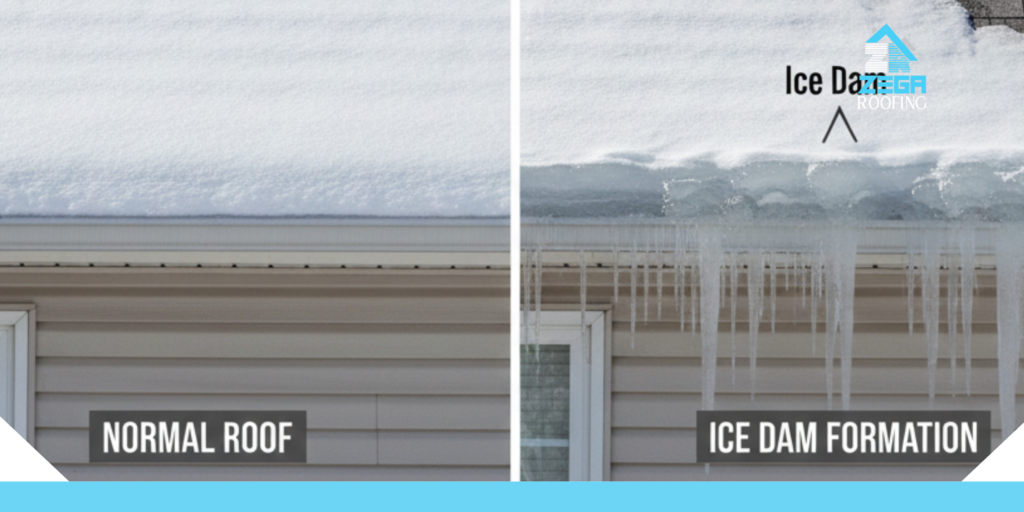
Ice dams in Winnipeg occur when interior heat escapes through roof surfaces, melting snow. Water flows downward toward colder edges where it refreezes into thick ridges. These barriers trap meltwater, forcing water back up under shingles and into homes.
Manitoba’s winter climate creates ideal conditions for ice dam development. When attic temperatures rise above freezing while outside temperatures remain below zero, snow melts from underneath. This meltwater travels downward until reaching colder overhang sections, causing rapid refreezing at edges.
Heat loss comes from several sources. Poor insulation allows warmth from living spaces to rise to roof surfaces. Inadequate ventilation prevents cold air circulation. Gaps around recessed lights and plumbing vents create thermal bridges concentrating heat.
Insufficient attic insulation tops vulnerability factors, with homes needing R-50 to R-60 to meet standards. Older properties often have R-20 or less. Poor ventilation fails to balance intake at soffits with exhaust at ridge vents, disrupting airflow that prevents snow melt.
Complex roof geometry increases ice dams in Winnipeg risks. Homes with valleys or dormers create areas where snow accumulates and heat loss concentrates. Clogged gutters prevent drainage, with standing water freezing and creating foundations for ice dams building onto roof surfaces.
|
Ice Dam Risk Factor |
Impact Level |
Prevention Priority |
|
Poor insulation |
High |
Immediate |
|
Inadequate ventilation |
High |
Immediate |
|
Clogged gutters |
Medium |
Regular maintenance |
|
Complex roof design |
Medium |
Professional assessment |
How to Identify Ice Dams on Your Roof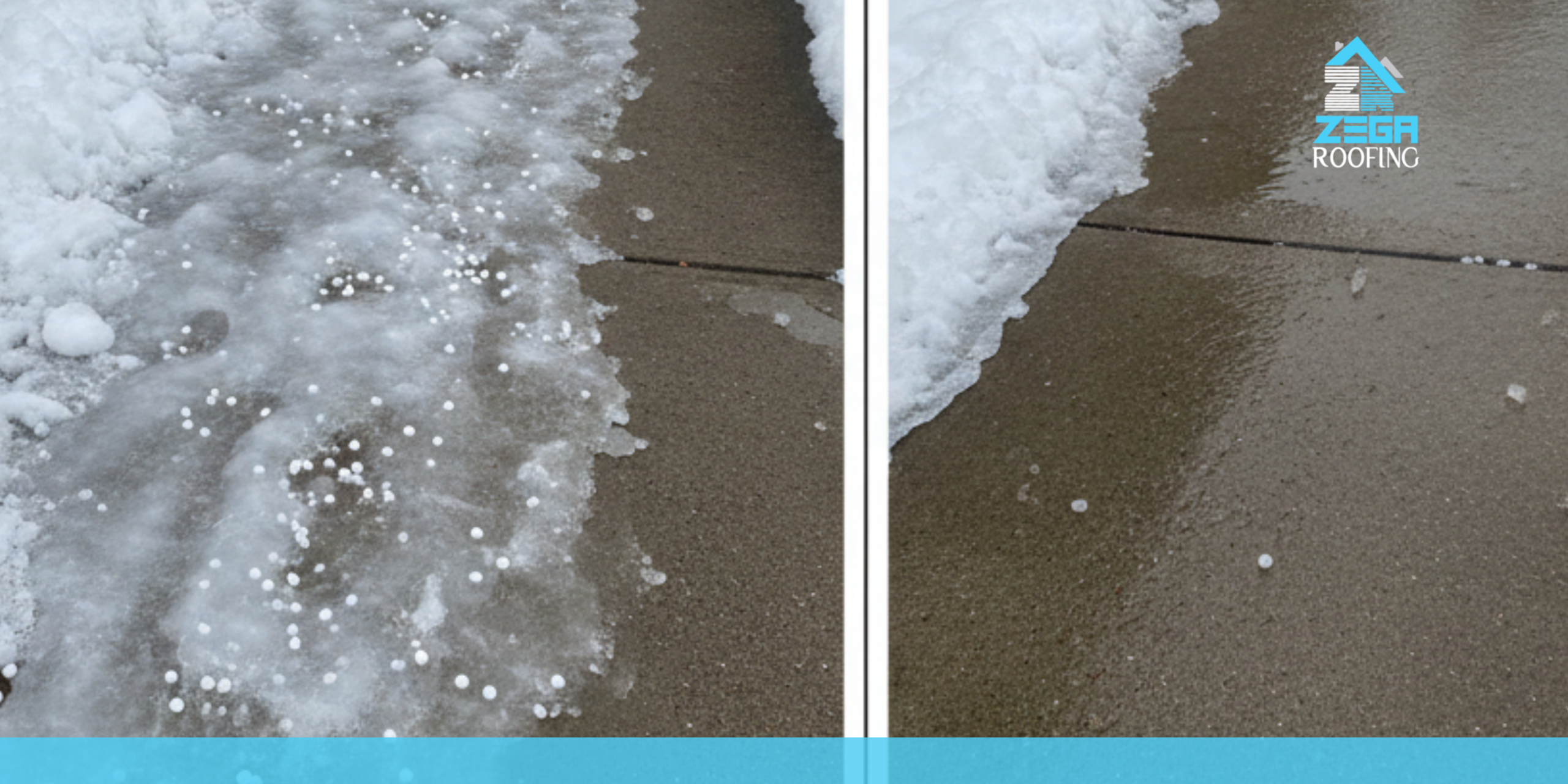
Recognizing ice dams in Winnipeg early allows action before serious damage occurs.
Large icicles along roof edges often accompany ice dam development. Thick ice ridges visible along edges, particularly ice extending up from gutters, signal water backing up behind dams.
Look for uneven snow melting. If lower sections remain snow-covered while upper areas show bare shingles, heat loss promotes ice dam formation. This pattern appears on south-facing slopes receiving sunlight.
Water stains on ceilings or walls near exterior walls provide leakage evidence. These appear as discolored patches, water marks, or peeling paint. Damp insulation loses effectiveness and develops mold.
Musty odors in upper rooms suggest water from ice dams in Winnipeg saturating insulation. Monitor roofs after snowfall followed by temperature fluctuations. Dangerous conditions occur when daytime temperatures rise above freezing while nighttime temperatures drop below zero.Professional Prevention Solutions
Prevention offers the most effective approach to managing ice dams in Winnipeg.
Attic Insulation Upgrades
Spray foam insulation creates air-tight thermal barriers preventing heat escape. This technology seals gaps, eliminates thermal bridges, and provides superior R-value. Installers assess existing insulation and recommend appropriate types.
Blown-in cellulose or fiberglass offers cost-effective solutions. These materials fill irregular spaces and achieve higher R-values without extensive renovation. Installation completes within days, immediately reducing heat loss. Residential roof installations should include comprehensive planning.
Ventilation System Improvements
Balanced systems maintain consistent attic temperatures preventing snow melt. Ridge vents paired with soffit vents create natural convection currents. This exchange keeps roof decking at outdoor temperatures, reducing ice dams in Winnipeg.
Baffles ensure insulation doesn’t block soffit vents. Professional roofing installation Winnipeg services include assessments identifying inadequate airflow.
Heat Cable Systems
Electric cables installed along roof edges prevent ice formation in vulnerable areas. These cables activate when temperatures drop below freezing, creating channels for meltwater drainage. Modern systems include thermostatic controls minimizing energy costs.
|
Prevention Method |
Effectiveness |
Cost Range |
Lifespan |
|
Attic insulation |
Excellent |
$1,500-$4,000 |
30+ years |
|
Ventilation improvements |
Excellent |
$800-$2,500 |
Permanent |
|
Heat cables |
Good |
$600-$1,500 |
10-15 years |
|
Professional maintenance |
Very Good |
$200-$500/year |
Ongoing |
DIY Prevention Tips for Homeowners
Homeowners can implement practical measures to reduce ice dam risks.
Remove snow from lower three to five feet of roofs using roof rakes with extension handles. Work from ground level pulling snow straight down. After snowfall, remove snow within 24 to 48 hours before it compacts.
Install thermometers in attic spaces. Attics should stay within five to ten degrees of outdoor temperatures. If readings exceed outdoor temperatures by more than ten degrees, heat loss contributes to ice dam formation.
Seal air leaks around attic access points, lighting fixtures, and plumbing penetrations. Weatherstripping around attic doors creates barriers against infiltration while expanding foam seals penetrations.
Safe Ice Dam Removal Methods
When ice dams in Winnipeg form despite prevention efforts, safe removal becomes necessary.
Low-pressure steam equipment safely melts ice dams without damaging materials. Technicians direct controlled steam at formations, creating channels for drainage. This method works in extreme cold and removes thick accumulations. Steam removal costs between $400 and $800.
Never use sharp implements like ice picks or chisels to break ice dams in Winnipeg. These tools damage shingles and create leak points. Avoid rock salt or calcium chloride directly on roofs. While these melt ice, they corrode flashing and degrade shingles.
If water actively leaks from ice dams in Winnipeg, place buckets under drips and move valuables away. Use fans to promote circulation. Create temporary drainage channels using calcium chloride in fabric tubes laid across ice dams.
Contact emergency services from companies like Zega Roofing for immediate response. Professionals arrive with appropriate equipment, remove ice safely, and temporarily seal damage.
Things To Know About Ice Dams in Winnipeg
Ice dams in Winnipeg form during specific conditions requiring temperatures above freezing on upper sections while below freezing at eaves. This pattern occurs when outdoor temperatures range from negative 15°C to 0°C with snow cover and inadequate insulation.
Most homeowner insurance covers damage caused by ice dams in Winnipeg but not removal costs or prevention measures. Review policy details with agents before winter. Document damage thoroughly with photographs.
Professional removal protects roofs because improper techniques damage shingles and void warranties. Fall months are optimal for scheduling upgrades and improvements before winter arrives.
Protecting Your Winnipeg Home From Ice Dams
Ice dams in Winnipeg present serious risks to structural integrity and interior condition, but understanding causes empowers effective prevention strategies. Proper attic insulation, adequate ventilation, and regular maintenance create comprehensive defense against formation throughout Manitoba’s winter season.
Professional prevention services cost significantly less than repairing damage. Whether you need insulation upgrades, ventilation improvements, or emergency removal, experienced local contractors ensure solutions addressing your home’s specific needs.
Schedule professional roof inspections this fall to identify vulnerabilities and implement prevention before winter. The experts at Zega Roofing understand ice dams in Winnipeg and provide comprehensive solutions protecting your home and preserving value.
Contact Zega Roofing at +1 204-997-2697 for free inspections. Their experienced team will assess your roof, recommend prevention strategies, and provide professional service Winnipeg homeowners trust for all roofing needs.
Frequently Asked Questions
Do I need to worry about ice dams?
Yes, ice dams in Winnipeg cause significant damage when left unaddressed. They force water under shingles, saturate insulation, stain ceilings, and promote mold growth affecting air quality. Ice weight also stresses gutters and structures. Early prevention through proper insulation and ventilation eliminates most risks before damage occurs.
Does home insurance cover ice dams?
Most homeowner insurance covers damage caused by ice dams in Winnipeg, including water damage, insulation replacement, and ceiling repairs. However, policies exclude the cost of removing ice dams or upgrading insulation to prevent future occurrences. Review policy terms with agents and document all damage thoroughly with photographs.
How to check for ice dams?
Check for ice dams in Winnipeg by looking for large icicles and thick ice ridges along roof edges after snowfall followed by temperature fluctuations. Examine ceilings and walls for water stains, discoloration, or peeling paint. Use binoculars to observe roofs from ground level, looking for uneven snow melting patterns.
Who removes ice dams?
Professional roofing contractors like Zega Roofing remove ice dams in Winnipeg using specialized low-pressure steam equipment that melts ice safely. Avoid hiring handymen lacking proper equipment. Professional removal costs $400 to $800 depending on size, protecting roofs from damage DIY attempts cause.
Will a steel roof prevent ice dams?
Metal roofing reduces ice dam risks but doesn’t eliminate them. Steel roofs shed snow more effectively, limiting material for formation. However, poor insulation and ventilation still allow heat loss creating ice dams even on metal roofs. Consider metal roofing as one component of overall strategy rather than complete solution.