
Residential roofing installation is the process of fitting a new roof system on a home, from material selection to the final inspection. For homeowners in Winnipeg and across Canada, a properly installed roof protects against heavy snow, ice, wind, and rain while boosting energy efficiency.
This content walks through roofing material types, the step-by-step process behind a residential roofing installation, signs you need a new roof, and tips to help you pick the right contractor. If you are planning a roofing installation in Winnipeg, this breakdown covers what you need to know.
What Is Residential Roofing Installation?
Residential roofing installation refers to the complete process of placing a new roof on a home. It involves removing old materials (if applicable), preparing the roof deck, laying down underlayment, and securing the chosen material on top. Unlike commercial projects that use flat membranes, residential roofing installation typically involves sloped structures that shed water and snow naturally.
A residential roof is any roof system designed specifically for homes, townhouses, duplexes, or other housing structures. These roofs prioritize weather resistance, curb appeal, and long-term durability. In Winnipeg, where temperatures swing from extreme cold to summer heat, the project needs to account for thermal expansion, ice damming, and heavy snow loads.
Why Residential Roofing Installation Matters for Canadian Homes
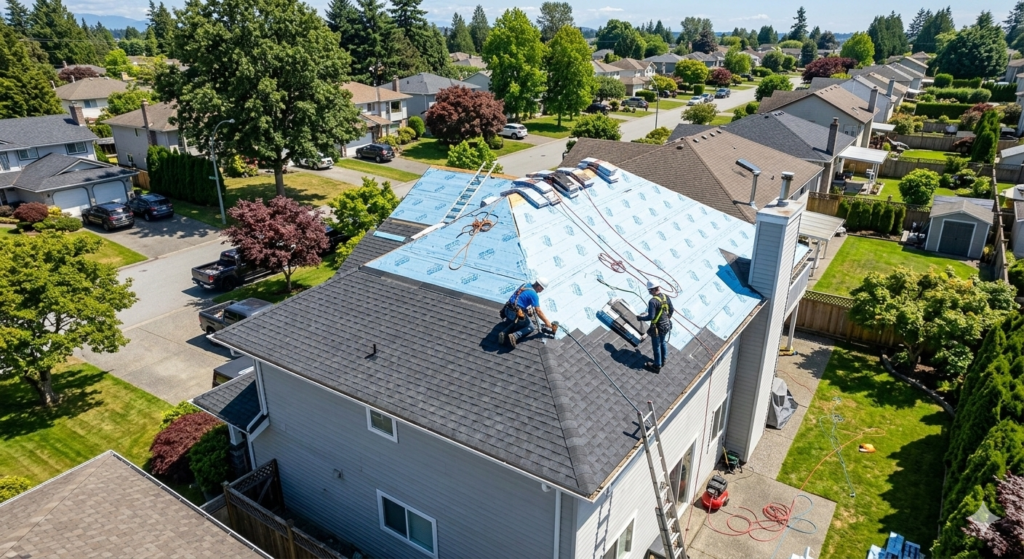
Canada’s climate puts roofs through serious punishment. From freezing winters in Manitoba to spring thaws that create moisture buildup, a poorly installed roof will not last. Residential roofing installation done correctly from the start saves homeowners thousands in repairs.
Protection Against Harsh Weather
A solid residential roofing installation creates a barrier against snow accumulation, ice dams, heavy rainfall, and wind uplift. In Winnipeg, roofs need to handle temperature drops well below minus 30 degrees Celsius in winter. Without proper installation, gaps can form and allow moisture to seep into the attic and walls.
Energy Efficiency and Insulation
Your roof plays a huge role in keeping heating costs under control. A well-executed residential roofing installation pairs with proper attic insulation to prevent heat loss during winter months. Homeowners who combine both projects often notice a measurable drop in their energy bills.
Increased Property Value
A new roof is one of the top home improvements that raises resale value. Buyers look for homes with recently completed residential roofing installation because it means fewer maintenance concerns for years to come.
Preventing Costly Repairs
Small leaks left unaddressed lead to mould growth, structural rot, and damaged ceilings. Investing in a quality residential roofing installation now avoids expensive emergency fixes later.
Types of Roofing Materials for Residential Homes
Choosing the right material is a key part of any residential roofing installation. Each option has its own lifespan, cost range, and suitability depending on where you live.
| Roofing Material | Estimated Lifespan | Best For | Climate Suitability |
| Asphalt Shingles | 15 to 30 years | Budget-friendly homes | Cold and moderate climates |
| Metal Roofing | 40 to 70 years | Durability and snow shedding | Extreme cold, heavy snow areas |
| Cedar Shakes | 20 to 40 years | Rustic appearance | Moderate climates with lower humidity |
| Slate Tiles | 75 to 100+ years | Premium, long-lasting look | Various climates (heavy material) |
| Flat Membrane | 20 to 35 years | Low-slope residential roofs | Urban homes with flat sections |
For pricing details on residential roofing installation materials suited to your home, contact Zega Roofing for a free estimate.
Step-by-Step Process of Residential Roofing Installation
Understanding the process helps homeowners feel confident about what happens on their property. Here is what a typical project looks like from start to finish.
1. Roof Inspection and Assessment – A qualified roofer examines the current roof for damage, rot, and structural issues. This step determines whether a full replacement or partial repair is needed. Zega Roofing offers free roof inspections across areas served in Winnipeg.
2. Old Roof Removal – The existing shingles, underlayment, and flashing are stripped down to the roof deck. This allows the crew to check for hidden water damage or weakened wood.
3. Deck Repair and Preparation – Any damaged plywood or oriented strand board gets replaced. The deck must be smooth and structurally sound before new materials go on.
4. Ice and Water Shield Application – In Canadian climates, ice and water barriers are applied along eaves, valleys, and around penetrations. This layer is critical for preventing ice dam leaks.
5. Underlayment Installation – A synthetic or felt underlayment goes over the entire deck as a secondary moisture barrier. This is a non-negotiable step in any quality residential roofing installation.
6. Flashing and Drip Edge – Metal flashing is installed around chimneys, vents, skylights, and roof edges. Drip edge channels water away from fascia boards and into gutters.
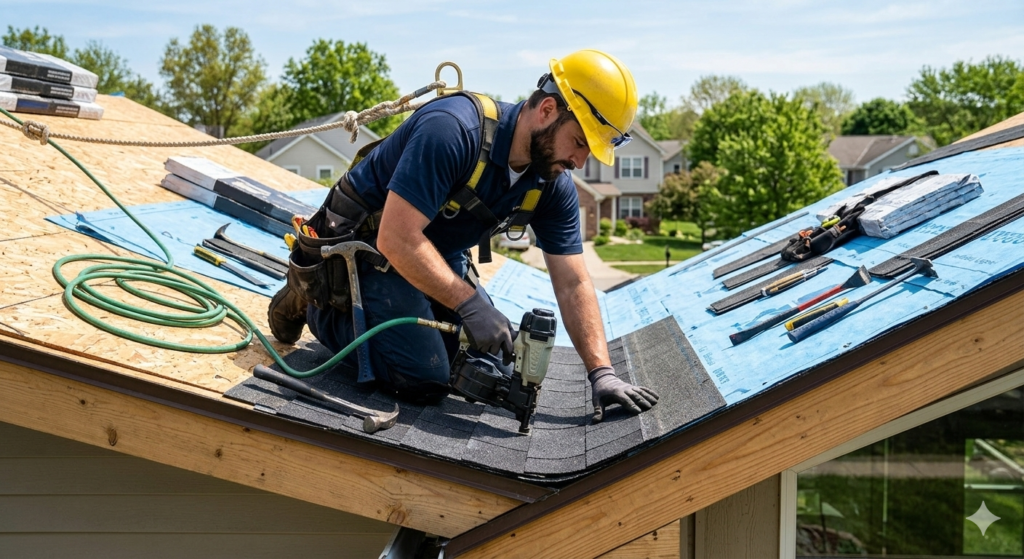
7. Shingle or Material Application – The chosen roofing material is laid starting from the bottom edge and working upward. Proper nailing patterns and overlap ensure wind resistance and waterproofing.
8. Ridge Cap and Ventilation – Ridge caps seal the peak of the roof, and ventilation components like ridge vents are installed. Proper airflow extends the life of the entire roof system.
9. Cleanup and Final Inspection – The crew removes all debris, runs a magnet sweep for stray nails, and performs a final walkthrough.
Signs You Need a New Residential Roofing Installation
Not every roof issue means a full replacement, but some warning signs point toward a new residential roofing installation. If you notice curling or missing shingles, granule buildup in gutters, daylight through the attic, water stains on ceilings, or sagging roof deck sections, it is time to call a professional.
Most asphalt shingle roofs in Winnipeg last between 15 and 25 years depending on maintenance. If your roof is approaching that age, scheduling an inspection with Zega Roofing helps you plan ahead. Explore their roofing gallery to see completed projects.
How to Choose the Right Contractor for Residential Roofing Installation
Hiring the wrong contractor can turn a straightforward project into a nightmare. Here are practical tips for picking the right team.
| What to Look For | Why It Matters |
| Valid licence and insurance | Protects you from liability if a worker is injured on your property |
| Local experience | Contractors familiar with Winnipeg weather know how to install for cold climate performance |
| Written estimates | Avoid surprise costs by getting a detailed quote before work begins |
| Warranty coverage | A workmanship warranty shows the contractor stands behind the job |
| References and reviews | Past customer feedback reveals consistency and professionalism |
Zega Roofing checks all of these boxes. With 25 years of experience serving Winnipeg homeowners, their team handles every step of the residential roofing installation process. Learn more on their about page.
Things To Know About Residential Roofing Installation
Before you commit to a project, here are important details that often catch homeowners off guard.
Permits may be required. Most municipalities in Manitoba require a building permit for a full roof replacement. Your contractor should handle this for you, but always confirm.
Weather affects scheduling. Roofing work in Winnipeg is seasonal. The best months for this type of project are typically May through October when temperatures allow proper shingle adhesion.
Ventilation is just as important as the shingles. Poor attic ventilation shortens roof lifespan. Make sure your contractor includes proper soffit and ridge ventilation in the plan. You can also pair your project with spray foam insulation for maximum efficiency.
Not all quotes are equal. The lowest bid does not always mean the best value. Compare what each quote includes, such as material quality, cleanup, warranty terms, and disposal fees.
Your old roof condition matters. If the existing deck has significant rot or structural issues, costs will increase. A thorough inspection before starting helps avoid surprises.
Residential Roofing Installation Tips for Winnipeg Homeowners
Living in Winnipeg means dealing with one of Canada’s most demanding climates. Here are a few tips to get the most out of your roof project.
Choose materials rated for cold weather performance. Asphalt shingles with a high wind and impact rating perform well in Manitoba. Metal roofing sheds snow and ice quickly, making it a strong alternative.
Schedule your project during warmer months. Shingles need sun heat to seal properly. Work done in freezing conditions may not bond correctly.
Ask about ice and water shield coverage. In Winnipeg, this protective layer should extend at least six feet from the eave edge to protect against ice dams. Some contractors cut corners here, so always verify.
Consider combining your roof project with shingle roof replacement and insulation upgrades for a more comprehensive improvement. Bundling services with Zega Roofing often results in better coordination and overall value.
Wrapping Up Your Residential Roofing Installation
A residential roofing installation is one of the biggest investments you will make in your home. Getting it right means choosing proper materials, working with a licensed contractor, and planning around your local climate. Zega Roofing delivers dependable services backed by 25 years of hands-on experience.
Whether you need a full replacement, a residential roof installation, or just an honest assessment of your current roof, the team at Zega Roofing is ready to help. Contact Zega Roofing today to schedule your free inspection and get a detailed quote for your project.
Frequently Asked Questions About Residential Roofing Installation
What are the three types of roofing?
The three main types are asphalt shingles, metal roofing, and flat membrane systems. Asphalt shingles remain the most common choice for residential roofing installation across Canada due to their affordability and ease of replacement. Metal roofing offers superior durability, while flat membranes work best for low-slope or urban home designs.
What is the process of installing a roof?
The process includes inspection, old roof removal, deck preparation, underlayment, flashing, material application, and final inspection. Each stage builds on the previous one to create a watertight and weather-resistant system. A professional team like Zega Roofing follows each step carefully to meet building codes.
What is a residential roof?
A residential roof is a roof system built specifically for homes and housing structures. It differs from commercial roofing in design, slope, and material choices. This type of installation focuses on sloped structures that naturally shed water and snow, making them ideal for Canadian weather conditions.
What type of roof is best in the Philippines?
Metal roofing and concrete tiles are popular choices in tropical climates like the Philippines. These materials handle intense heat, heavy rain, and typhoon-level winds. While different from Canadian requirements, the principle of matching materials to climate remains the same everywhere.
Which type of roofing is best?
The best roofing type depends on your climate, budget, and long-term goals. For Winnipeg homeowners, asphalt shingles offer the best balance of cost and performance. Metal roofing is the top pick for maximum lifespan and snow-shedding ability. Contact Zega Roofing for personalized advice.