
Roof pitch refers to the slope or angle of your roof, and it plays a major role in how well your home handles rain, snow, and overall weather exposure.
Choosing the right roof pitch affects everything from water drainage and material selection to energy efficiency and long-term maintenance costs. In Winnipeg, where heavy snowfall and freezing temperatures are part of daily life for months at a time, the angle of your roof can be the difference between a reliable structure and constant repair bills.
This post covers how roof pitch is measured, what different pitch levels mean for your property, which options work best in Canadian climates, and practical tips to help you make the right decision.
Whether you are building new or replacing an existing roof, you will also find helpful tables, real examples, and answers to common questions about roof pitch so you can move forward with confidence.
What Is Roof Pitch?
It is the measurement of how steep or flat a roof is. It is expressed as a ratio of vertical rise to horizontal run. For example, a 6/12 roof pitch means the roof rises 6 inches for every 12 inches of horizontal distance.
This ratio system is standard across the roofing industry in Canada and makes it easy for contractors, homeowners, and inspectors to communicate about roof angles.
A higher number before the slash means a steeper slope. A lower number means a flatter surface. Flat roofs are not truly flat but usually have a very low roof pitch, such as 1/12 or 2/12, just enough to allow minimal water movement.
It is essential before starting any roofing project. The slope determines which materials can be used, how well snow and rain drain off the surface, and how accessible the roof is for maintenance. If you are planning a roofing installation in Winnipeg, knowing your current or desired pitch helps your contractor recommend the best approach for your property.
How Is Roof Pitch Measured?
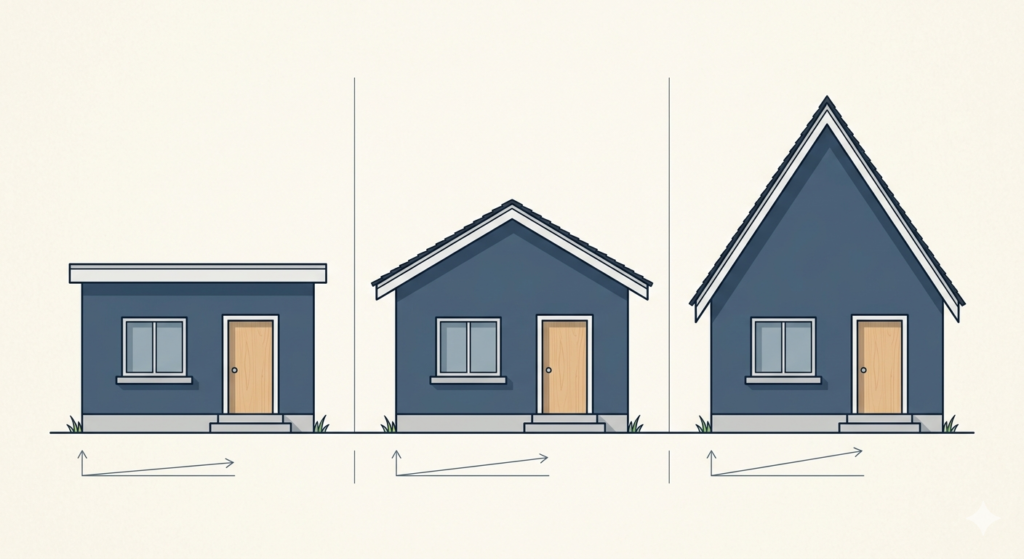
Measuring it does not require advanced tools. Homeowners can get a rough estimate using a level, a tape measure, and a simple calculation. Here is how it works:
Using a Level and Tape Measure
Place a 12-inch level horizontally against the roof surface or a rafter inside your attic. From the end of the level, measure straight down to the roof surface. That vertical distance is your rise. If you measure 5 inches of rise over 12 inches of run, your roof pitch is 5/12.
Using a Pitch Finder Tool
A pitch finder or angle gauge is a small tool that sits on the roof surface and gives you a reading in degrees or as a ratio. These are inexpensive and available at most hardware stores.
Professional Assessment
For accuracy, especially on complex roof shapes with multiple angles, it is best to have a professional evaluate the structure. Zega Roofing offers free roofing inspections across Winnipeg and surrounding areas, so you can get an expert measurement without any upfront cost. Check our gallery to see completed projects across different pitch types.
Common Roof Pitch Ratios and What They Mean
Not all roof pitch values serve the same purpose. Some are better for shedding snow, while others are more practical for commercial buildings or budget-conscious projects. Below is a breakdown of common ratios and their typical uses.
| Roof Pitch Ratio | Slope Category | Best Use |
| 1/12 to 2/12 | Low slope (nearly flat) | Commercial buildings, modern residential designs |
| 3/12 to 4/12 | Low to moderate slope | Budget-friendly homes, areas with mild weather |
| 5/12 to 7/12 | Standard slope | Most residential homes in Canada |
| 8/12 to 12/12 | Steep slope | Heavy snow regions, cathedral-style homes |
| Over 12/12 | Very steep slope | Specialty architecture, A-frame cabins |
A 5/12 to 7/12 roof pitch is the most popular range for residential properties in Winnipeg. It provides a good balance between drainage, structural support, and aesthetic appeal. Steeper slopes handle snow loads better but can increase construction and material costs.
Why Roof Pitch Matters in Winnipeg
Winnipeg winters bring heavy snow, ice buildup, and extreme cold. The angle of it directly affects how your home handles these conditions.
Snow and Ice Management
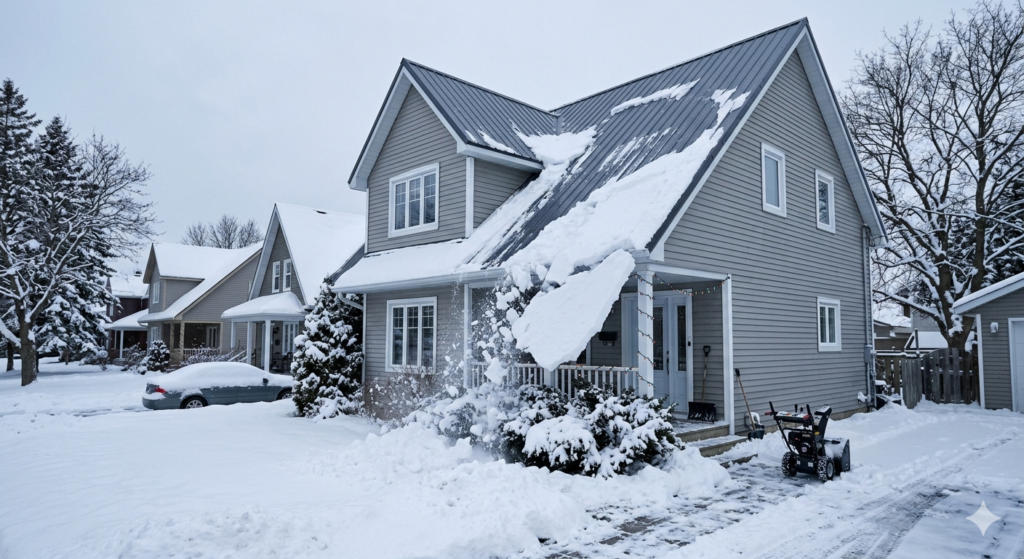
A steeper roof pitch allows snow to slide off naturally, reducing the weight load on your structure. Low-slope roofs tend to accumulate snow, which can lead to ice dams and potential leaks. If your home experiences frequent ice dam issues, your current roof pitch may be part of the problem.
Water Drainage
Rain and melting snow need a clear path off your roof. A proper roof pitch ensures water flows toward your gutters instead of pooling on the surface. Standing water leads to material deterioration and leaks over time.
Material Compatibility
Certain roofing materials require a minimum slope to perform correctly. For example, standard asphalt shingles need at least a 4/12 roof pitch to function properly. Lower slopes may require specialized membranes or modified installation methods. If you are considering a shingle roof replacement, confirming your pitch helps ensure the right material is selected.
Energy Efficiency
It also affects attic ventilation and insulation performance. Steeper roofs create more attic space, allowing for better airflow and thicker insulation layers. This is particularly valuable in Manitoba, where heating costs are a major household expense.
Which Roof Pitch Is Best for Canadian Homes?
There is no single answer that fits every property, but for most Canadian homes, a roof pitch between 5/12 and 8/12 offers the best combination of performance and practicality. Here is why:
A 5/12 roof pitch gives you enough slope for proper drainage and shingle compatibility while keeping material costs reasonable. Moving up to 6/12 or 7/12 adds more snow-shedding ability without making the roof too difficult to access for maintenance.
For homes in areas with heavy snowfall, like Winnipeg, an 8/12 or higher provides excellent snow management. The steeper angle prevents heavy accumulation, protecting your roof deck and reducing the need for rooftop snow removal.
If you are unsure which option fits your property, reaching out to a local roofing professional is the fastest way to get a recommendation tailored to your home. Zega Roofing works with homeowners across Winnipeg to evaluate existing structures and recommend the right roof pitch for new builds and replacements.
Roof Pitch and Roofing Material Selection
Your roof pitch determines which materials will work and which ones will not. Below is a helpful reference table.
| Roof Pitch Range | Compatible Materials |
| 1/12 to 2/12 | Built-up roofing, modified bitumen, single-ply membrane |
| 3/12 to 4/12 | Metal panels, rubber membrane, specialty low-slope shingles |
| 4/12 to 8/12 | Asphalt shingles, metal roofing, synthetic slate |
| 8/12 and above | Cedar shakes, clay or concrete tiles, standing seam metal |
Selecting the wrong material for your roof pitch leads to premature failure, voided warranties, and costly repairs. A professional assessment ensures everything lines up correctly from the start. Zega Roofing only uses top-grade materials suited for Winnipeg weather conditions, and our team matches every material recommendation to your specific roof pitch.
Things To Know About Roof Pitch
Before making any decisions about your roof, keep these practical points in mind:
Your local building code in Winnipeg may specify minimum roof pitch requirements for certain structures. Always verify with your municipality before starting construction.
Insurance providers sometimes factor roof pitch into your premium. Steeper roofs may qualify for lower rates due to reduced snow and water damage risk.
Changing your roof pitch on an existing home is a major renovation that affects your entire structure. It involves modifying trusses, rafters, and potentially walls. This is not a weekend project.
If your home has a very low roof pitch and you experience recurring leaks, upgrading during a full replacement may be worth the investment.
It also influences curb appeal. A well-proportioned slope adds visual balance to your home and can increase property value.
For any roof pitch assessment or project planning in Winnipeg, contact Zega Roofing for a free inspection and honest estimate.
How Roof Pitch Affects Long-Term Maintenance
The angle of your roof pitch plays a direct role in how much maintenance your roof will need over its lifespan. Steeper slopes naturally shed debris like leaves, branches, and dirt, keeping the surface cleaner and reducing the chance of moss or algae growth.
Low-slope roofs require more frequent inspections because water and debris tend to sit longer. In Winnipeg, that sitting moisture turns into ice during winter months, which can crack or lift roofing materials.
Homeowners with moderate roof pitch values (5/12 to 7/12) typically find a good middle ground. The slope is steep enough to stay relatively clean but accessible enough for safe inspection and commercial roofing repairs when needed.
Regular maintenance paired with the right roof pitch extends your roof’s lifespan significantly. Zega Roofing recommends annual inspections, especially after heavy winter seasons, to catch small issues before they become expensive problems.
Choosing the Right Roof Pitch for Your Property
It is one of those details that quietly affects every part of your roofing system. From drainage and material compatibility to snow management and energy efficiency, the slope of your roof deserves careful attention. Whether you are building from scratch or replacing an aging structure, getting the roof pitch right from the start saves money and prevents headaches down the road.
If you are a homeowner in Winnipeg or the surrounding communities, Zega Roofing is ready to help. Our licensed and insured team provides free inspections, honest estimates, and expert guidance on every aspect of your roofing project, including roof pitch evaluation. Reach out today to get started on a roof that is built to handle everything Manitoba throws at it.
For pricing details on theadjustments, inspections, or full replacements, contact Zega Roofing directly at +1 204-997-2697 or visit our about page to learn more about our team.
Frequently Asked Questions About Roof Pitch
What is the pitch of a roof?
The pitch of a roof is the angle or slope measured as a ratio of vertical rise to horizontal run. For instance, a 4/12 pitch rises 4 inches for every 12 inches of horizontal distance. It helps determine material choices, drainage capability, and structural requirements.
What does a 4/12 pitch roof mean?
A 4/12 pitch roof means the surface rises 4 inches vertically for every 12 inches horizontally. This is considered a low-to-moderate slope and is common on many residential properties. It works well with most standard shingle products.
What is a roof pitch called?
It is also commonly called roof slope or roof angle. All three terms describe the steepness of a roof surface. Contractors may use these interchangeably, though “pitch” remains the most widely used term in Canadian roofing.
What is a 3 and 12 roof pitch?
A 3/12 roof pitch means the roof rises 3 inches for every 12 inches of horizontal span. This is a low slope that may require specialized materials to prevent leaks. Standard shingles are generally not recommended below a 4/12 roof pitch.
Is 20 degrees a good roof pitch?
Twenty degrees roughly equals a 4.4/12, which is acceptable for most residential applications. It provides enough slope for water drainage and supports standard roofing materials. In heavy snow areas like Winnipeg, a slightly steeper angle may offer better performance.