
Roofing fascia is the long, straight board that runs along the lower edge of your roof, connecting the structure to the outer walls. It serves as the mounting point for gutters and acts as a barrier against moisture, pests, and weather damage. Without it, your roof becomes exposed to rot, water infiltration, and costly repairs.
This component might seem small, but it plays a critical role in keeping your entire roofline sound. Below, you will find material options, installation steps, maintenance tips, and signs that your fascia needs attention. If you are a homeowner in Winnipeg dealing with harsh winters, paying attention to your roofing fascia can save you thousands in preventable damage.
What Is Roofing Fascia?
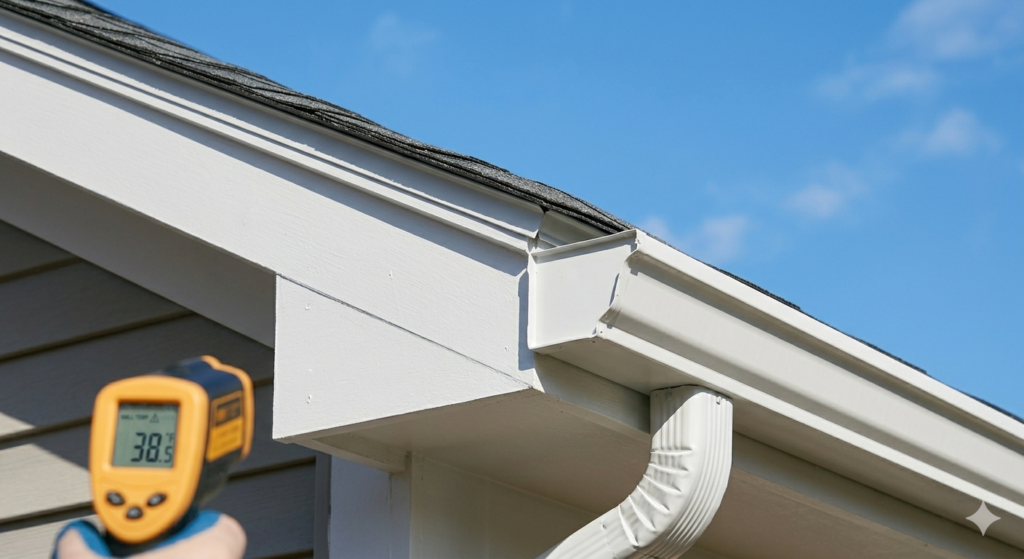
Roofing fascia is the vertical finishing edge that sits right where the roof meets the outer wall. It is typically a flat board that caps the exposed ends of roof rafters or trusses, giving the roofline a clean appearance while protecting the wood underneath from the elements.
Think of it as a protective shield for the most vulnerable part of your roof. Every time it rains, snows, or gets windy, the edges take the most beating. Without fascia in place, water can seep into rafter ends, leading to rot, mold, and structural weakening.
On most homes, the gutter system mounts directly onto the fascia board. That means it needs to be strong enough to support the weight of full gutters, especially during heavy rainfall or spring snowmelt here in Winnipeg.
Why Is Roofing Fascia Important for Your Home?
There are several reasons why this component matters more than most people realize. Here is a quick look at the key benefits:
| Benefit | How Roofing Fascia Helps |
| Moisture Protection | Blocks water from reaching rafter tails and roof decking |
| Pest Prevention | Seals off entry points for birds, squirrels, and insects |
| Gutter Support | Provides a stable surface for gutter attachment |
| Curb Appeal | Gives the roofline a finished, polished look |
| Structural Integrity | Adds rigidity to the lower roof edge and protects framing |
If you have noticed peeling paint, soft spots, or visible damage along your roofline, your roofing fascia may need repair or replacement. Addressing these issues early prevents further damage to the soffit, attic, and interior ceiling.
For homeowners across Winnipeg, Zega Roofing provides professional fascia repair and replacement as part of our full-service residential roof installations.
Common Roofing Fascia Materials
Not all fascia boards are the same. The material you choose affects durability, maintenance needs, and overall cost. Below are the most popular options used across Canadian homes.
Wood Fascia
Wood is the traditional choice. It is affordable, easy to cut, and simple to paint or stain. However, wood is prone to moisture damage and can rot if not properly sealed. In Winnipeg, where freeze-thaw cycles are constant, wood fascia requires regular inspection and repainting every few years.
Aluminum Fascia
Aluminum wraps are placed over an existing wood board. This adds weather resistance without replacing the entire piece. Aluminum does not rot, resists rust, and comes in various colours. Many Winnipeg homeowners prefer this option for its low maintenance.
Vinyl Fascia
Vinyl is lightweight, affordable, and does not require painting. It handles moisture well and does not warp. The downside is that vinyl can become brittle in extreme cold, which is worth considering in Manitoba.
Composite Fascia
Composite materials combine wood fibres with synthetic resins to create a board that looks natural but resists moisture and insects. Composite roofing fascia is growing in popularity across Canada because it holds up well in wet and cold conditions.
For personalized advice on which material suits your property, contact Zega Roofing for a free inspection and consultation.
How Is Roofing Fascia Installed?
Proper installation requires precision, the right tools, and knowledge of your roof structure. Here is how the process typically works.
First, the old or damaged board is carefully removed. If there is any rot on the rafter tails or sub-fascia, those areas are repaired before anything new goes on. Skipping this step can cause the replacement to fail prematurely.
Next, the new board is measured and cut to fit the roofline. It is then nailed or screwed into the rafter ends, sitting flush and level. Proper alignment matters because the gutters attach directly to this surface.
After securing the board, any gaps between the fascia and soffit are sealed to block moisture and pests. If aluminum capping is being applied, it wraps tightly over the wood for a waterproof finish. Finally, the gutter system is reattached to the new roofing fascia.
To see examples of completed projects including fascia work, visit the Zega Roofing gallery.
Signs Your Roofing Fascia Needs Replacement
Fascia does not last forever, especially in harsh weather regions. Here are the most common warning signs.
Peeling or bubbling paint along the roofline often means moisture has penetrated the board. Soft or spongy spots indicate rot has already set in. Visible cracks, holes, or warping are clear signals that your roofing fascia is past its useful life.
Animal activity near the roofline, such as birds nesting or squirrels chewing, can mean the fascia has openings that need sealing. Stained or sagging gutters may point to a board that can no longer support the drainage system.
Learn more about protecting your roof structure with proper shingle roof replacement when combined with fascia work.
Roofing Fascia vs. Soffit: What Is the Difference?
Many homeowners confuse these two because they sit close together on the roofline. While they work as a team, they serve different functions.
The fascia is the vertical board facing outward at the edge of the roof. It is visible from the street and holds the gutters. The soffit is the horizontal surface tucked under the roof overhang, facing downward. Soffits typically have vents that allow air circulation into the attic space.
Both components need to be in good condition for your roof to function properly. When one fails, it puts extra stress on the other.
Roofing Fascia Maintenance Tips
Keeping your fascia in top shape does not take much effort, but it does require consistency. Here are practical maintenance steps:
| Maintenance Task | How Often and Why |
| Visual Inspection | Twice a year (spring and fall) to catch early damage |
| Clean Gutters | At least twice yearly to reduce water overflow onto fascia |
| Repaint or Reseal | Every 3 to 5 years for wood fascia to maintain the moisture barrier |
| Check for Pests | Seasonally, especially in spring when animals look for nesting spots |
| Trim Nearby Trees | Annually to reduce debris buildup and branch damage |
Winnipeg weather is tough on every part of your roof. Regular maintenance on your roofing fascia keeps small issues from turning into expensive problems.
Zega Roofing serves homeowners throughout Winnipeg and surrounding communities. Check the full list of areas we served to see if we cover your neighbourhood.
Things To Know About Roofing Fascia
Before making any decisions about repairing or replacing your fascia, keep these key points in mind.
This board is load-bearing in the sense that it supports your entire gutter system. Choosing a low-quality material can result in sagging gutters and water pooling near your foundation.
In Winnipeg, ice dams are a common problem. When ice builds up along the roof edge, it puts extra pressure on the fascia. Proper attic insulation and ventilation reduce ice dam formation and extend the life of this component.
Not all roofing fascia damage is visible from the ground. A professional inspection can reveal hidden rot behind aluminum capping or paint. Zega Roofing offers free roofing inspections to help you catch problems early.
For related information on protecting your full roof system, read about ideal roofing practices for Canadian homes.
How Much Does Roofing Fascia Replacement Cost?
The cost depends on several factors, including roofline length, material choice, and whether there is underlying damage. Labour costs also vary based on job complexity and roofline accessibility.
Rather than providing a one-size-fits-all number, the best approach is to get a personalized estimate. Contact Zega Roofing at +1 204-997-2697 for a free consultation and honest quote tailored to your situation.
Protecting Your Home Starts With Quality Roofing Fascia
Your fascia is a small but essential part of your home that deserves attention. Whether you need a full replacement, a quick repair, or just a professional set of eyes on your roofline, keeping this component in good shape protects everything underneath. From blocking moisture to supporting your gutters, it plays a role in your roof system that cannot be overlooked.
If you are in Winnipeg or nearby areas and need help with fascia or any other roofing service, reach out to Zega Roofing. Visit our contact page to schedule a free inspection today.
Explore more of our services, including spray foam insulation in Winnipeg, for complete home protection.
Frequently Asked Questions About Roofing Fascia
What is fascia in roofing?
Fascia is the vertical board attached to the ends of the roof rafters along the roofline. It serves as the mounting surface for gutters and protects wooden rafter tails from moisture, pests, and weather exposure.
Will roofers replace fascia?
Yes, most professional roofing contractors include fascia replacement as part of their services. At Zega Roofing, fascia inspection and replacement are handled during roof repairs or full installations.
What is the difference between roof trim and fascia?
Roof trim covers all decorative and functional edging on a roof, while roofing fascia refers specifically to the board at the lower edge. Trim includes rake boards and moulding. Fascia focuses on function and gutter support.
How is roof fascia installed?
It is installed by attaching a flat board to the exposed rafter tails along the roofline. The old board is removed, damaged wood is repaired, and the new piece is nailed or screwed into place before gutter reattachment.
Does a roof need a fascia?
Yes, nearly every sloped roof benefits from having fascia installed. It protects the roof structure, supports gutters, and prevents animals and moisture from entering the attic.