
A roofing membrane is a protective, waterproof layer installed on flat and low-slope roofs to shield buildings from rain, snow, UV rays, and temperature extremes.
It serves as the primary defence for commercial and residential properties across Canada, especially in cities like Winnipeg where weather shifts are severe.
This post covers what this material actually is, the different types available, how each one performs under real conditions, what to look for when choosing a roofing membrane for your property, and common signs that yours needs replacing.
You will also find practical tips for maintenance, a comparison table of popular options, and answers to five frequently asked questions. Whether you own a home or a commercial building, picking the right protective layer can save you thousands in repair costs and keep your interior dry for decades.
What Is a Roofing Membrane?
A roofing membrane is a thin, flexible sheet made from synthetic materials or modified bitumen that sits on top of the roof deck. Its main job is to prevent water from entering the building. Unlike traditional shingles that overlap each other, this type of covering creates a continuous barrier with sealed seams, making it especially effective on flat or nearly flat surfaces where water tends to pool.
In Winnipeg, where heavy snowfall and freeze-thaw cycles are the norm, installing a reliable roofing membrane matters more than in milder climates. Ponding water on a flat roof without proper protection leads to leaks, mould growth, and structural damage over time. If you are considering roofing installation in Winnipeg, ask your contractor about which option best suits your building type and budget.
Types of Roofing Membrane for Canadian Properties
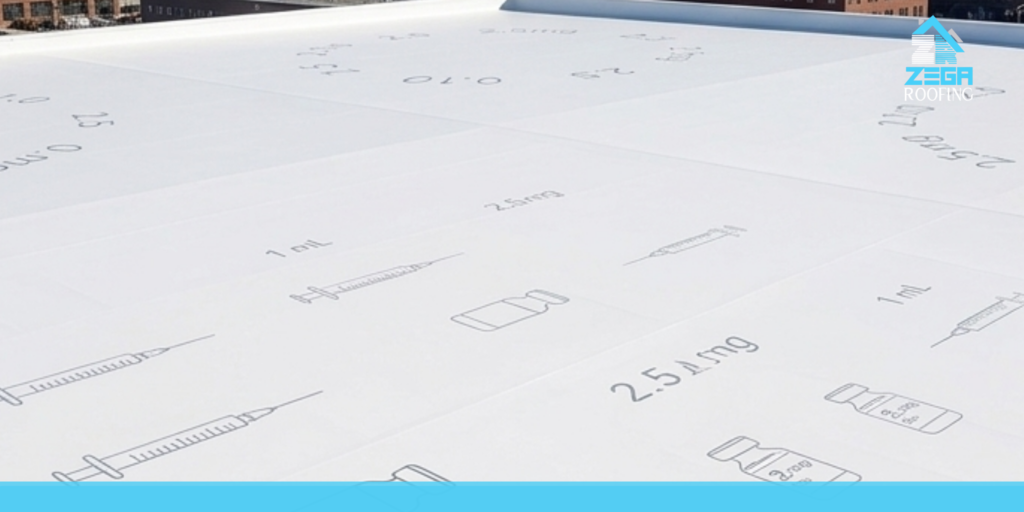
Not every product works the same way. Each type has its own material composition, lifespan, and installation method. Below are the three most common categories used across Winnipeg and the rest of Canada.
Thermoplastic Roofing Membrane (TPO and PVC)
Thermoplastic options are single-ply sheets that get heat-welded at the seams. TPO is known for its energy efficiency because it reflects sunlight, while PVC offers superior chemical resistance. Both handle Canadian winters well and typically last 20 to 30 years with proper maintenance. They are lightweight, which means less stress on the building structure.
Thermoset Membrane (EPDM)
EPDM is a rubber-based roofing membrane that has been used on flat roofs for decades. It is extremely durable and can withstand temperature swings from hot summers to frigid Winnipeg winters without cracking. Seams are bonded with adhesive or seam tape rather than heat. EPDM works especially well on large commercial roofs because it comes in wide sheets, reducing the number of seams needed.
Modified Bitumen Membrane
Modified bitumen combines traditional asphalt with polymer modifiers to create a tougher, more flexible roofing membrane. It is installed in multiple layers using a torch, cold adhesive, or self-adhesive backing. This type performs well in cold climates and is often chosen for buildings that experience heavy foot traffic on the roof. If your property needs a shingle roof replacement or you are exploring flat roof options, modified bitumen is worth considering.
Roofing Membrane Comparison Table
Here is a side-by-side look at how each type compares in key areas:
| Feature | Thermoplastic (TPO/PVC) | Thermoset (EPDM) | Modified Bitumen |
| Lifespan | 20-30 years | 25-30 years | 15-20 years |
| Seam Method | Heat-welded | Adhesive or tape | Torch or adhesive |
| UV Resistance | Excellent | Good | Moderate |
| Cold Climate Suitability | Very good | Excellent | Very good |
| Best For | Energy efficiency | Large flat roofs | High foot traffic roofs |
| Maintenance Level | Low | Low | Moderate |
How Is a Roofing Membrane Installed?
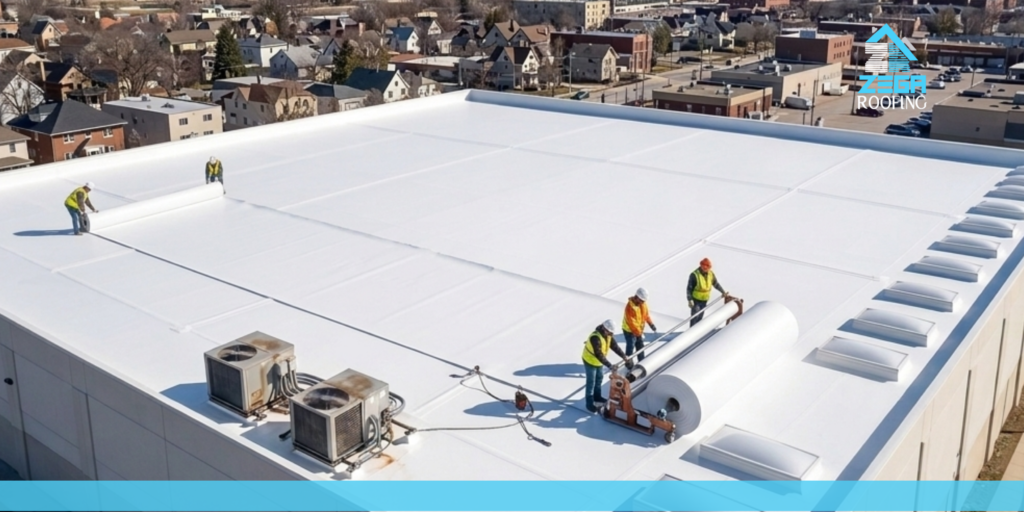
The installation process depends on the type selected. In general, the steps include preparing the roof deck, laying insulation boards, rolling out the sheets, and sealing all seams and edges.
For thermoplastic products, contractors use a hot-air gun to weld overlapping sheets together. EPDM gets bonded with a specialized adhesive or mechanical fasteners. Modified bitumen sheets may be torched down or applied using cold-process adhesive.
Proper installation requires experience, especially in Winnipeg where cold temperatures during the install can affect adhesion. A poorly installed roofing membrane leads to premature failure, leaks, and expensive repairs. That is why working with licensed professionals like the team at Zega Roofing matters. Their crew understands the local climate and follows manufacturer specifications to ensure long-lasting performance.
Signs Your Roofing Membrane Needs Replacing
Even a high-quality product will not last forever. Keep an eye out for these warning signals that indicate your roof covering may need attention:
Visible cracks, splits, or tears on the surface. Bubbling or blistering, which often signals trapped moisture underneath. Water stains on interior ceilings or walls. Seams that are pulling apart or lifting at the edges. Increased energy bills, which can point to insulation failure beneath a damaged protective layer.
If you spot any of these issues, schedule a roof inspection right away. Catching problems early prevents small issues from turning into full commercial roofing repairs. Zega Roofing offers free roofing inspections across Winnipeg and surrounding areas.
Benefits of a Quality Roofing Membrane
Choosing the right membrane brings more than just leak protection. Here are the top advantages property owners in Winnipeg enjoy:
Long-term waterproofing that stands up to pooling water and ice dams. Energy savings from reflective surfaces that reduce cooling costs in summer. Flexibility in extreme cold, preventing cracks during winter. Low maintenance requirements compared to multi-layer built-up systems. Resistance to UV degradation, wind uplift, and punctures.
For Winnipeg homeowners exploring insulation options alongside their new roof covering, spray foam insulation in Winnipeg pairs well with a membrane system to maximize energy efficiency and comfort.
When to Repair vs. Replace Your Roofing Membrane
Deciding between a patch job and full replacement depends on the extent of the damage. Use this table as a quick reference:
| Situation | Recommended Action | Why |
| Small puncture or tear | Patch repair | Isolated damage that has not spread |
| Seam separation in one area | Seam re-weld or re-adhesion | Localised fix extends membrane life |
| Widespread blistering | Full replacement | Moisture is trapped beneath the surface |
| Membrane older than 25 years | Full replacement | Material has reached end of service life |
| Multiple active leaks | Full replacement | Patching will not solve systemic failure |
For accurate pricing on repair or replacement, contact Zega Roofing for a free estimate tailored to your property.
Things To Know About Roofing Membrane
Before committing to this type of roof covering, keep these practical points in mind:
A roofing membrane works best on flat or low-slope roofs with a pitch of 2:12 or less. For steeper roofs, shingles or metal panels are usually the better choice.
White or light-coloured surfaces reflect more sunlight, which reduces cooling costs. Darker options absorb heat, which can be helpful in colder regions to aid snow melt.
Installation is not a DIY project. Improper seam sealing is the number one cause of membrane roof failures. Professional installation with proper equipment is essential.
Annual inspections help catch small issues before they become expensive problems. After major storms, a quick visual check can save you from hidden water damage.
Most products come with manufacturer warranties ranging from 10 to 30 years. Always confirm warranty terms and make sure your installer is certified to maintain coverage.
Choosing the Best Roofing Membrane for Your Property
The right option depends on several factors: your building type, roof slope, local climate, budget, and expected foot traffic. For most flat commercial roofs in Winnipeg, a thermoplastic or EPDM product offers the best balance of performance and cost. Residential properties with flat sections often benefit from modified bitumen because of its multi-layer protection.
Talk to a professional who understands Manitoba’s conditions. The team at Zega Roofing can walk you through the options, inspect your existing roof, and recommend the right solution for your needs. Check out their gallery to see completed projects across Winnipeg and the areas they serve.
Protecting Your Property With the Right Roofing Membrane
This type of roof covering is one of the smartest investments you can make for any flat or low-slope roof in Winnipeg. It delivers waterproofing, energy efficiency, and long-term durability that traditional materials cannot match on these roof types. Whether you choose thermoplastic, EPDM, or modified bitumen, the key is proper installation and regular maintenance.
Zega Roofing has over 25 years of experience helping Winnipeg property owners select and install the ideal solution for their buildings. If you are ready to protect your property, reach out to Zega Roofing at +1 204-997-2697 for a free inspection and honest estimate. You can also explore their residential roof installations and ideal roofing pages for more details on the services available.
Frequently Asked Questions
What is a roofing membrane for?
A roofing membrane serves as a waterproof barrier on flat and low-slope roofs. It prevents rain, snow, and moisture from penetrating the roof deck and causing interior damage. Beyond waterproofing, it also protects against UV exposure and helps regulate building temperature.
What is membrane roofing called?
Membrane roofing is commonly referred to as single-ply roofing. The specific names depend on the material used, such as TPO, PVC, or EPDM. Modified bitumen is another form that uses multiple layers instead of a single sheet.
Is roofing membrane waterproof?
Yes, a roofing membrane is designed to be fully waterproof. Its sealed seams and continuous surface create a barrier that stops water from passing through. Proper installation and seam welding are critical to maintaining that waterproof performance over time.
What is the difference between roof felt and membrane?
Roof felt is a traditional underlayment, while a membrane is a standalone waterproof covering. Felt is typically used beneath shingles as a secondary layer of protection. A membrane acts as the primary weather barrier on flat roofs and is far more durable and resistant to pooling water.
What is the best membrane for roofing?
The best option depends on your climate, building type, and budget. For cold Canadian climates like Winnipeg, EPDM and TPO are popular because of their flexibility in freezing temperatures. For buildings needing chemical resistance, PVC is the top pick. Contact Zega Roofing for a tailored recommendation based on your specific property.