
Spray foam for insulation is one of the most effective ways to seal air leaks, reduce energy costs, and keep your home comfortable through every season.
It works by expanding on contact to fill gaps, cracks, and hard-to-reach cavities that traditional materials often miss. There are two main types: open-cell and closed-cell, each suited for different applications and budgets. Open-cell spray foam for insulation is lighter and more affordable, while closed-cell offers a higher R-value and acts as a moisture barrier.
Homeowners in Winnipeg benefit from spray foam for insulation because it handles extreme cold, wind, and temperature swings better than most alternatives. However, it does come with some drawbacks, including higher upfront costs and the need for professional installation.
If you are considering spray foam insulation in Winnipeg, this content breaks down everything from types and benefits to common concerns and practical tips so you can make the right call for your property.
What Is Spray Foam for Insulation?
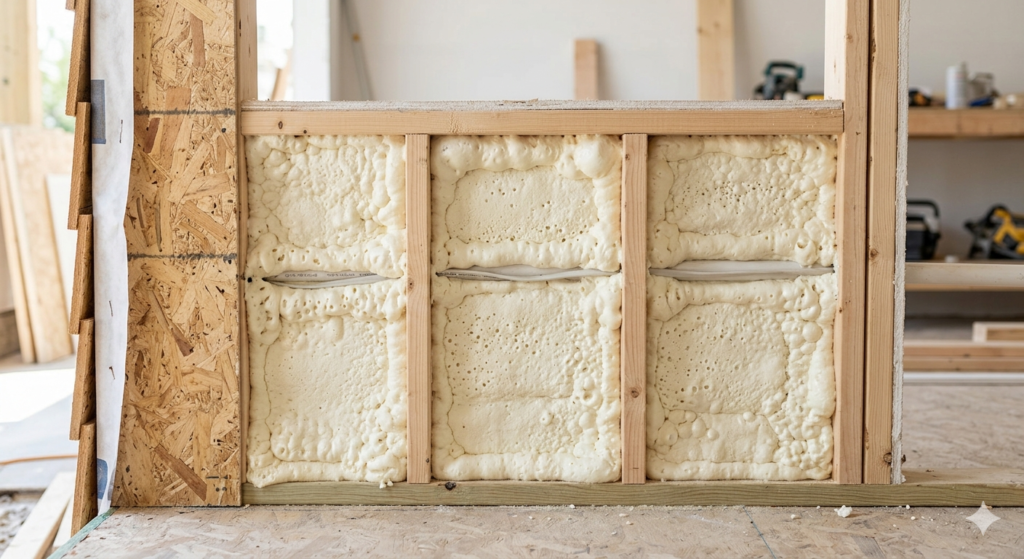
Spray foam for insulation is a polyurethane-based material applied as a liquid that expands into a solid foam. It bonds directly to surfaces like wood, concrete, and metal, creating an airtight seal that blocks heat transfer and air movement.
Unlike fiberglass batts or blown-in cellulose, spray foam for insulation does not sag, settle, or leave gaps over time. Once applied, it maintains its shape and performance for decades. This makes it a popular choice for attics, basements, crawl spaces, and exterior walls.
Professional contractors use specialized equipment to mix and spray the foam on-site. The material cures within seconds and reaches full strength in about 24 hours. For homeowners looking into attic insulation options, spray foam for insulation provides superior coverage compared to rolled or loose-fill products.
Why Should You Choose Spray Foam for Insulation?
Choosing the right insulation material matters, especially in a climate like Winnipeg where winter temperatures can drop well below -30 degrees Celsius. Here is why spray foam for insulation stands out from other options.
Superior Air Sealing
Spray foam for insulation expands to fill every crack and crevice. Traditional materials leave small openings where air can pass through, which leads to drafts and energy loss. Spray foam eliminates those weak spots entirely.
High R-Value Per Inch
Closed-cell spray foam for insulation delivers an R-value of approximately 6.0 to 7.0 per inch. That means you get more thermal resistance with less material compared to fiberglass (R-3.1 to R-3.7 per inch) or cellulose (R-3.2 to R-3.8 per inch).
Moisture and Vapour Control
Closed-cell spray foam acts as a vapour barrier, which helps prevent condensation and mould growth inside walls and attics. This is especially valuable in humid climates or homes prone to moisture issues.
Long Lifespan
Once installed, spray foam for insulation does not degrade, compress, or lose effectiveness over time. Most professionally applied spray foam lasts the lifetime of the building.
Structural Support
Closed-cell spray foam adds rigidity to walls and roofing systems. It can increase the structural strength of the surfaces it bonds to, which is a benefit that no other insulation type offers.
Types of Spray Foam for Insulation
Not all spray foam products are the same. Understanding the two main types helps you pick the right one for your project.
| Feature | Open-Cell Spray Foam | Closed-Cell Spray Foam |
| R-Value Per Inch | 3.5 to 3.7 | 6.0 to 7.0 |
| Density | Light (0.5 lb/ft3) | Dense (2.0 lb/ft3) |
| Moisture Barrier | No | Yes |
| Air Sealing | Excellent | Excellent |
| Best Used For | Interior walls, attics, soundproofing | Exterior walls, basements, roofing |
| Structural Support | Minimal | Adds rigidity |
Open-Cell Spray Foam
Open-cell spray foam for insulation is softer and more flexible. It expands significantly after application, making it great for filling large cavities. It also provides good soundproofing, which is why many homeowners use it for interior walls and ceilings.
However, open-cell foam absorbs water, so it is not ideal for areas exposed to moisture. It works best in protected interior spaces where vapour barriers are already in place.
Closed-Cell Spray Foam
Closed-cell spray foam for insulation is denser and stronger. Each cell in the foam is completely enclosed, which prevents moisture from passing through. This type is better for basements, crawl spaces, and exterior applications.
If you are dealing with a roofing installation in Winnipeg, closed-cell spray foam paired with proper roofing materials provides excellent thermal protection from Manitoba winters.
Where Should You Apply Spray Foam for Insulation?
Spray foam for insulation works in many areas of a residential or commercial building. Here are the most common applications.
Attics and Roof Decks
Applying spray foam to the underside of the roof deck creates a conditioned attic space. This keeps ductwork and stored items at a more stable temperature and reduces ice dam formation during winter.
Basement Walls and Rim Joists
Basements are notorious for heat loss and moisture problems. Spray foam for insulation seals the rim joist area and concrete walls effectively, reducing drafts and preventing mould.
Exterior Walls
Spray foam fills wall cavities completely, leaving no gaps for air to pass through. This is especially useful during new construction or major renovations.
Crawl Spaces
Crawl spaces benefit from closed-cell spray foam because it blocks both air and moisture. This helps protect floor joists and plumbing from freezing temperatures.
Spray Foam for Insulation vs. Traditional Options
Homeowners often compare spray foam for insulation against fiberglass and cellulose. Here is a side-by-side look at how they perform.
| Factor | Spray Foam | Fiberglass Batts | Blown-In Cellulose |
| Air Sealing | Complete seal | Gaps at seams | Settles over time |
| R-Value Per Inch | 3.5 to 7.0 | 3.1 to 3.7 | 3.2 to 3.8 |
| Moisture Resistance | High (closed-cell) | Low | Low |
| Lifespan | 50+ years | 15 to 25 years | 20 to 30 years |
| Installation | Professional only | DIY possible | Professional recommended |
| Upfront Cost | Higher | Lower | Moderate |
While fiberglass and cellulose cost less upfront, spray foam for insulation often delivers lower energy bills over time. The complete air seal means your heating and cooling systems work less, which translates to real savings on monthly utility costs.
For homeowners exploring residential roof installations, combining a quality roofing system with spray foam creates a building envelope that performs at a high level in all seasons.
Things To Know About Spray Foam for Insulation
Before committing to spray foam for insulation, keep these practical points in mind:
Spray foam must be applied by trained professionals with proper equipment. DIY kits exist, but they rarely deliver the same coverage or R-value as professional-grade products.
Proper ventilation is essential during and after application. The chemicals used in spray foam require adequate airflow while curing. Occupants should vacate the space for at least 24 hours after installation.
Not every home needs spray foam everywhere. In some cases, a combination of spray foam in key areas (like rim joists and attic floors) paired with traditional insulation in walls offers the best value.
Always check local building codes. In Manitoba, insulation projects must meet the requirements outlined in the National Building Code of Canada, including minimum R-values for your climate zone.
For pricing on spray foam for insulation in Winnipeg, contact Zega Roofing directly at +1 204-997-2697 for a free estimate tailored to your property.
How Zega Roofing Can Help With Spray Foam for Insulation

Zega Roofing is a trusted roofing and insulation company in Winnipeg with 25 years of experience serving residential and commercial clients. Their team of licensed, insured professionals handles everything from roof repairs to complete insulation upgrades.
When you work with Zega Roofing for spray foam for insulation, you get a full-service experience that includes property assessment, material recommendations, professional application, and post-installation inspection. They use high-quality products suited to Winnipeg’s harsh climate, and every project is backed by honest pricing and reliable workmanship.
Whether you need spray foam for your attic, basement, or an entire building envelope, Zega Roofing has the expertise to get the job done right. You can also explore their gallery of completed projects or check the areas they serve across Winnipeg and surrounding communities.
If your roof also needs attention, their team handles shingle roof replacement and commercial roofing repairs alongside insulation services.
IMAGE SUGGESTION: A finished basement wall covered with spray foam insulation, showing smooth and even coverage across concrete block walls. Clean workspace with no text on the image.
Spray Foam for Insulation: Making the Right Choice
Spray foam for insulation remains one of the smartest investments a Canadian homeowner can make. It delivers unmatched air sealing, high thermal resistance, and long-term durability that traditional materials simply cannot match. Whether you go with open-cell for interior soundproofing or closed-cell for moisture-prone areas, the key is hiring a qualified contractor who understands your local climate and building requirements. For Winnipeg homeowners, Zega Roofing offers the experience, materials, and professional service needed to ensure your spray foam for insulation project is done right the first time.
Frequently Asked Questions
Is spray foam any good for insulation?
Yes, spray foam is one of the best insulation materials available today. It provides a complete air seal, high R-value per inch, and lasts for decades without sagging or settling. Homeowners who switch to spray foam often notice lower energy bills and improved indoor comfort within the first winter season.
What type of spray foam is used for insulation?
Two types are used: open-cell and closed-cell. Open-cell is softer, expands more, and works well for interior walls and soundproofing. Closed-cell is denser, offers a higher R-value, acts as a moisture barrier, and suits exterior walls, basements, and roofing applications.
What are the downfalls of spray foam insulation?
The main drawbacks are higher upfront cost and the need for professional installation. Spray foam also requires proper ventilation during curing, and improper application can lead to off-gassing or uneven coverage. Choosing a qualified contractor like Zega Roofing helps avoid these issues.
How long does spray foam insulation last?
Spray foam insulation can last 50 years or more when professionally installed. It does not degrade, compress, or lose its R-value over time. This long lifespan often makes it more cost-effective than materials that need replacement every 15 to 25 years.
Why are people removing spray foam insulation?
Most removals happen because of poor installation, not the product itself. Incorrectly applied spray foam can trap moisture, cause odours, or fail to cure properly. These problems are preventable by hiring experienced, certified professionals who follow manufacturer guidelines and local building codes.