
Spray foam Winnipeg services have become an essential solution for homeowners and business owners looking to improve their property’s energy efficiency and comfort levels. As winter temperatures plummet and summer heat rises, proper insulation becomes critical for maintaining comfortable indoor environments while managing energy costs effectively.
Understanding Spray Foam Insulation Technology
Spray foam insulation represents a modern approach to building protection that surpasses traditional insulation materials in performance and longevity. This advanced material expands upon application, filling gaps and creating an airtight seal that prevents heat transfer and air infiltration. The two main types include open-cell and closed-cell formulations, each offering distinct advantages depending on your specific application needs.
Open-cell spray foam provides excellent sound dampening properties and flexibility, making it ideal for interior walls and attics where moisture control isn’t a primary concern. Closed-cell spray foam delivers superior insulation value per inch and adds structural strength to walls while providing a moisture barrier that protects against water intrusion.
Why Winnipeg Properties Need Quality Spray Foam Insulation
Manitoba’s extreme climate conditions make spray foam Winnipeg applications particularly valuable for property owners. Winter temperatures regularly drop below -30°C, while summer heat can exceed 30°C, creating significant challenges for maintaining consistent indoor temperatures. Without proper insulation, heating and cooling systems work overtime, leading to inflated utility bills and unnecessary wear on HVAC equipment.
Properties with inadequate insulation experience several common problems. Cold spots appear near windows and exterior walls during winter months. Ice dams form on roofs when warm air escapes through poorly insulated attics. Drafts and air leakage create uncomfortable living conditions and allow outdoor pollutants and allergens to enter indoor spaces. High humidity levels persist in basements and crawl spaces, promoting mold growth and structural damage.
Key Benefits of Professional Spray Foam Application
Energy savings stand as the most compelling reason property owners choose spray foam insulation. Studies show that properly insulated buildings reduce heating costs by 30-50% compared to structures with minimal or outdated insulation. The airtight seal created by spray foam prevents conditioned air from escaping while blocking outside air from entering, allowing climate control systems to operate more efficiently.
Indoor air quality improves dramatically after spray foam installation. The material’s expansive properties fill every crack and crevice, eliminating pathways for dust, pollen, and outdoor pollutants to infiltrate your space. This sealed environment proves particularly beneficial for family members with allergies or respiratory sensitivities.
Structural benefits accompany the insulation properties of closed-cell spray foam. The rigid material adds strength to walls and roofs, potentially increasing a building’s resistance to wind damage and improving overall structural integrity. This added strength can prove valuable during severe weather events common throughout Manitoba.
Residential Applications for Spray Foam Winnipeg Services
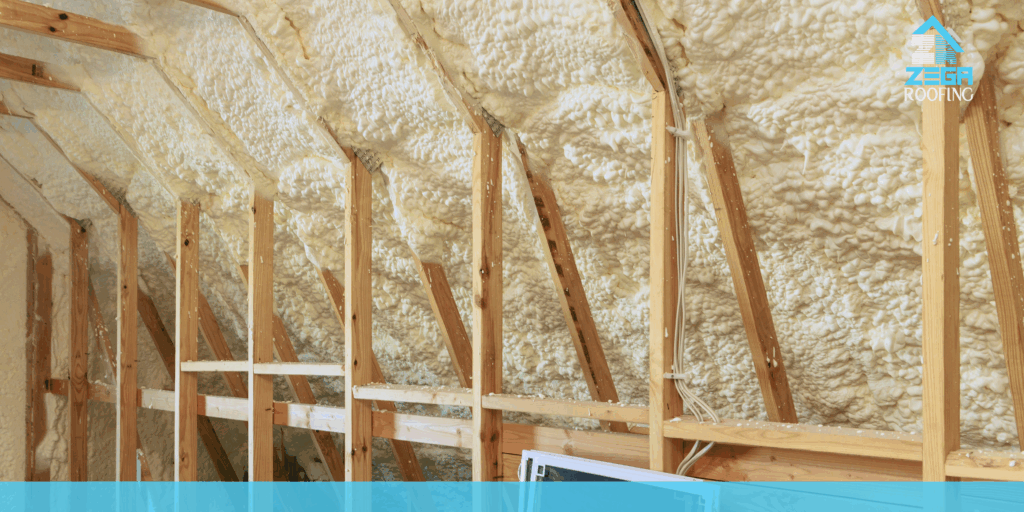
Homeowners throughout the city utilize spray foam insulation in various applications. Attic insulation ranks as the most popular residential application since heat naturally rises and escapes through roof assemblies. Properly insulated attics prevent this heat loss while eliminating ice dam formation that damages roofing materials and gutters.
Basement and crawl space insulation addresses moisture concerns while preventing heat loss through foundation walls. Many older Winnipeg homes feature uninsulated basements that account for significant energy waste. Spray foam application to foundation walls creates a thermal break and moisture barrier that keeps these spaces dry and comfortable year-round.
Wall cavity insulation improves comfort in existing homes without requiring extensive renovation. Injection foam techniques allow installers to fill wall cavities through small access holes, providing substantial insulation upgrades without removing drywall or exterior siding.
Commercial Spray Foam Solutions
Business owners recognize the value spray foam Winnipeg contractors provide for commercial properties. Warehouses, retail spaces, and office buildings all benefit from improved insulation that reduces operating costs and creates better environments for employees and customers.
Large commercial roofs often receive spray foam application as both insulation and roofing material. This seamless application eliminates leaks while providing superior thermal protection. The lightweight nature of spray foam makes it ideal for roof applications where structural load capacity presents concerns.
Cold storage facilities and temperature-controlled environments require exceptional insulation performance that spray foam delivers reliably. The material’s moisture resistance and thermal properties make it the preferred choice for spaces requiring consistent temperature maintenance.
The Professional Installation Process
Quality spray foam installation requires specialized equipment, training, and experience. Professional contractors begin with thorough site assessment to determine the appropriate foam type, thickness, and application method for your specific needs. They evaluate existing insulation, identify air leakage points, and develop a comprehensive installation plan.
Preparation involves protecting areas not receiving foam application and ensuring proper ventilation during the installation process. Installers wear protective equipment and maintain strict safety protocols throughout the application procedure.
The application itself happens quickly, with foam expanding to fill spaces within seconds of spraying. Professional installers control foam thickness and coverage patterns to achieve specified R-values and complete coverage. After application, the foam cures and hardens, creating the permanent insulation barrier your property needs.
Choosing the Right Spray Foam Winnipeg Contractor
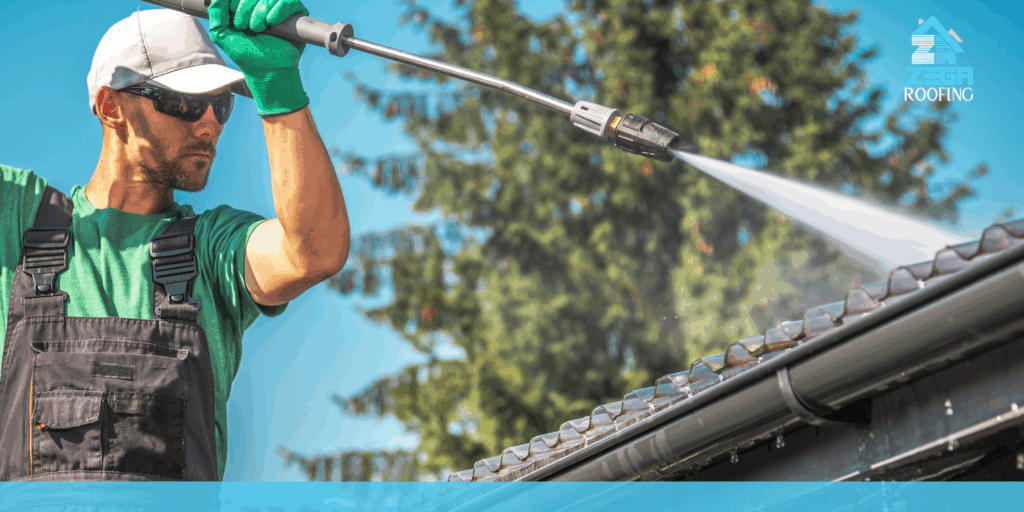
Selecting qualified professionals ensures your insulation investment delivers expected results. Look for contractors with proper licensing, insurance coverage, and manufacturer certifications. Experienced installers understand local building codes and climate considerations specific to Manitoba construction.
Request references and review previous projects to assess workmanship quality. Reputable contractors provide detailed written estimates outlining project scope, materials, costs, and timelines. They answer questions thoroughly and explain options clearly, helping you make informed decisions about your property’s insulation needs.
About Zega Roofing
Zega Roofing is a trusted Canadian roofing company that takes pride in helping property owners resolve roofing and insulation problems efficiently and affordably. From spray foam Winnipeg installations to complete roof overhauls, we offer dependable solutions for residential and commercial clients across Winnipeg and nearby areas.
Recognized as one of the best roofing companies in Winnipeg, Zega Roofing is known for delivering consistent workmanship, dependable solutions, and a strong commitment to client satisfaction. Our team brings unmatched expertise, high-quality materials, and friendly service to every job. We live and work in Winnipeg, so we understand firsthand how unpredictable the weather can be and how your property needs protection in every season.
Every project is handled by trained, experienced, and fully insured roofing professionals. We work only with top-grade materials suited for Winnipeg’s climate, ensuring every installation we complete is built to last.
Frequently Asked Questions About Spray Foam Insulation
Why are people removing spray foam?
Property owners occasionally remove spray foam due to improper installation, off-gassing from low-quality products, or renovations requiring access to building components behind the insulation. Professional installation using quality materials eliminates most concerns that lead to removal. When installed correctly, spray foam Winnipeg services provide long-term performance without issues.
How long will spray foam last?
Quality spray foam insulation lasts 80 to 100 years or more when properly installed. The material does not settle, sag, or deteriorate like traditional insulation products. Closed-cell foam maintains its R-value and structural properties indefinitely, making it one of the longest-lasting insulation options available for Winnipeg properties.
Can mold grow behind spray foam insulation?
Spray foam itself resists mold growth and does not provide food sources for mold development. The airtight seal prevents moisture intrusion that causes mold problems. However, if moisture issues existed before installation or if water enters through other building defects, mold could develop on adjacent materials. Proper installation and addressing existing moisture problems before applying spray foam prevents these concerns.
Can you sleep in a house after spray foam insulation?
Most professionals recommend waiting 24 hours after installation before occupying the space. This allows the material to fully cure and any odors to dissipate. Open-cell foam typically off-gasses less than closed-cell formulations. Professional installers provide specific guidance based on the product used and ventilation conditions in your property.
Does spray foam crack over time?
High-quality spray foam installed by experienced professionals maintains its integrity without cracking. The material’s flexibility allows it to accommodate normal building movement and temperature fluctuations. Cracking occasionally occurs with poor-quality products, incorrect mixing ratios, or application in extreme conditions. Choosing certified installers who use premium materials ensures your spray foam Winnipeg installation performs reliably for decades.
How long does it take spray foam to fully cure?
Spray foam becomes tack-free within minutes of application and reaches sufficient hardness for safe contact within one hour. Complete curing occurs within 24 hours for most formulations. Temperature and humidity conditions affect cure times. Professional installers account for environmental factors and provide accurate timelines for your specific project conditions.