

Your roof takes a serious beating in Winnipeg, and roofing weather protection isn’t just important – it’s essential for keeping your home safe and dry. We’re talking about temperatures that drop to -40°C, sudden spring melts, and summer storms that can rip shingles right off your house.
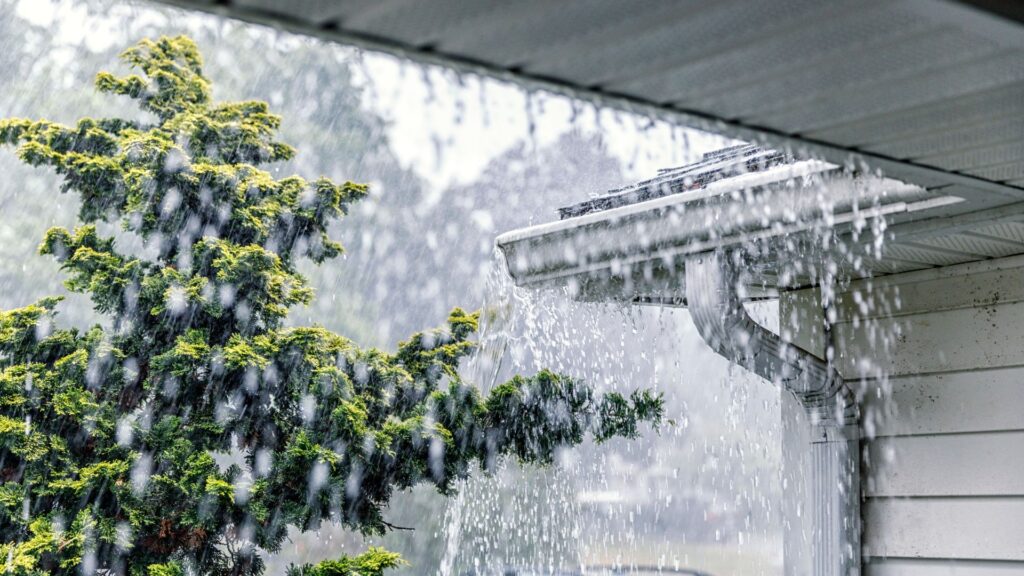
Most people don’t realize how tough Winnipeg weather really is on roofs. We get hit with extreme temperature swings, massive snow loads, ice that builds up in all the wrong places, and winds that can make your house shake. If you’re not prepared for this stuff, you’re looking at expensive repairs and maybe even a full roof replacement way sooner than you planned.
This guide walks you through everything you need to know about protecting your roof from Manitoba’s crazy weather. You’ll learn about materials that actually work in our climate, maintenance tricks that most people miss, and when it’s time to call in the pros.
Why Winnipeg Weather Is So Hard on Roofs
Roofing weather protection in Winnipeg sits right in the middle of the continent with nothing to block the weather coming from any direction. That means we get blasted with Arctic air from the north and humid air from the south, sometimes in the same week. Your roof has to handle all of this without breaking down.
The flat prairie around us doesn’t help either. There’s nothing to slow down those winter winds or break up storm systems. They just barrel right through the city, and your roof is the first thing they hit.
We provide quality and right evaluations without pressure tactics. Our team explains your options clearly so you can make informed decisions about your roofing weather protection status. For accurate pricing on your specific situation, contact Zega Roofing for a professional assessment right roofing weather protection assestment.
What Winter Does to Your Roof
Winter in Winnipeg is like a stress test for your roof that lasts five months. The snow alone can weigh over 400 pounds per square meter when it really piles up. That’s like having a small car sitting on every few square feet of your roof.
But the real killer is how the temperature bounces around. One day it’s -20°C, the next day it warms up to -5°C, then drops back down again. Every time this happens, your roofing materials expand and contract. Do this enough times and things start to crack, fasteners work loose, and seams open up.
Wind chill makes everything worse. When it’s -30°C with a 50 km/h wind, your roof is dealing with temperatures that feel like -45°C. Materials get so brittle they can crack just from normal movement.
Spring Thaw Problems
Spring should be a relief, but it brings its own headaches. Ice dams are probably the biggest problem we see. They happen when your roof warms up enough to melt snow, but the edges stay frozen. The water flows down, hits the cold part, and turns into ice. Now you’ve got a dam that backs water up under your shingles.
This is where a lot of people get surprised by water damage inside their house. The ice looks pretty harmless from the ground, but it’s forcing water into places it was never meant to go.
Trees cause problems too. Those big old elms and maples look great in summer, but load them up with ice and they can drop branches right through your roof. We see this every spring when the weather starts warming up.
Summer Storm Damage
Don’t think summer gives your roof a break. Our thunderstorms can be absolutely brutal. We’re talking hail the size of golf balls and winds over 120 km/h. A single storm can undo years of careful maintenance.
Hail damage is tricky because you might not notice it right away. Those little cracks in your shingles don’t leak immediately, but they let moisture in that causes problems later. By the time you see damage inside your house, the problem has been building for months.
Smart Ways to Roofing Weather Protection
Good roofing weather protection in Winnipeg means thinking about every season and what it throws at your house. You can’t just slap on some standard shingles and hope for the best. Our weather will find every weak spot and make it worse.
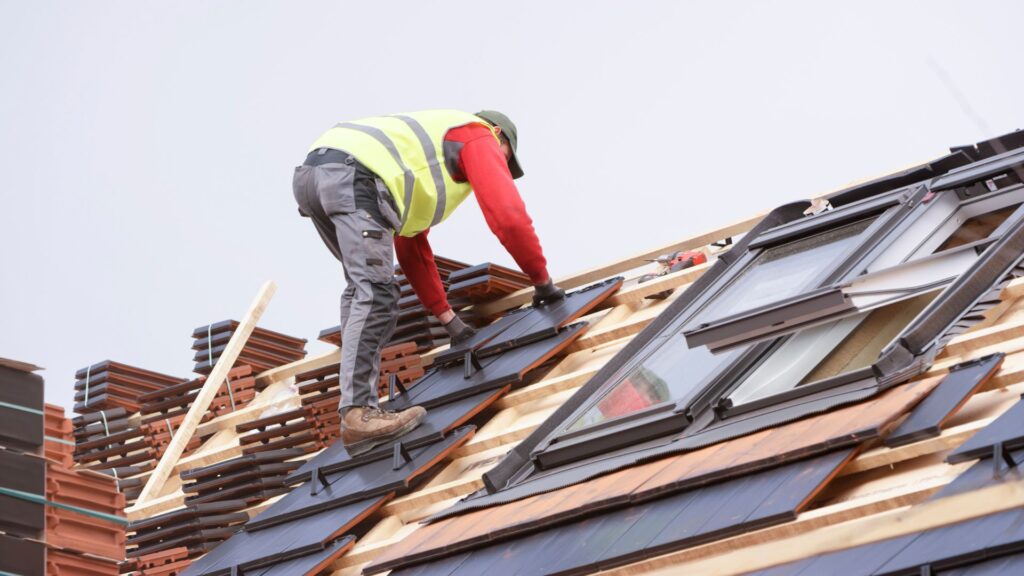
The key is understanding that protection starts when you build or replace your roof, and it continues with regular maintenance that actually makes sense for our climate. Generic advice from warmer places just doesn’t work here.
Choosing Materials That Work in Roofing Weather Protection
Not all roofing materials are created equal, especially when it comes to handling prairie weather. Standard asphalt shingles that work fine in Toronto or Vancouver often fall apart after a few Winnipeg winters. You need materials that are specifically made for extreme conditions.
Here’s what actually works:
- Impact-resistant shingles with Class 4 ratings stand up to hail and keep working when temperatures drop
- Metal roofing handles temperature swings better than anything organic and sheds snow and ice naturally
- Synthetic materials like polymer shingles give you the look you want with way better weather resistance
- Modified bitumen and TPO membranes work great on low-slope roofs where snow tends to sit
The trick is making sure whatever you choose is rated for the temperature range we actually get here. A lot of products are only tested down to -20°C, which isn’t nearly cold enough for Winnipeg.
Making Your Roof Structure Stronger for Roofing Weather Protection
Manitoba building codes require roofs to handle certain snow loads, but older houses were built before the current rules. If your house is more than 20 years old, there’s a good chance your roof structure could use some help.
Adding plywood or OSB sheathing gives you better wind resistance and helps spread out snow loads. This is especially important if you’re switching from three-tab shingles to something heavier like architectural shingles or metal.
Sometimes you need to look at the trusses or rafters themselves. If you’ve noticed any sagging or if your ceiling drywall has cracks, get a professional to take a look. It’s way cheaper to add some bracing now than to deal with a collapse later.
Proper fasteners matter more than most people think. Using longer screws or nails, spacing them correctly, and making sure they go into solid wood can mean the difference between keeping your roof and losing it in a windstorm.
Getting Installation Right
Even the best materials won’t help if they’re not installed properly. Winnipeg roofing weather protection are demands installation that goes beyond the minimum requirements in the instructions.
Ice and water shield needs to go way farther up your roof than the standard 36 inches. Many contractors now recommend covering the entire roof deck on houses with complex roof lines or in areas that get heavy snow.
Ventilation has to be designed for our long winters and deep snow. Ridge vents can get blocked, soffit vents can ice up, and if air isn’t moving properly, you get moisture problems that lead to ice dams.
Flashing around chimneys, vents, and where the roof meets walls needs extra attention. Standard installation often isn’t enough when you’re dealing with freeze-thaw cycles that happen dozens of times every winter.
Roofing Weather Protection: Year-Round Roof Maintenance That Actually Works
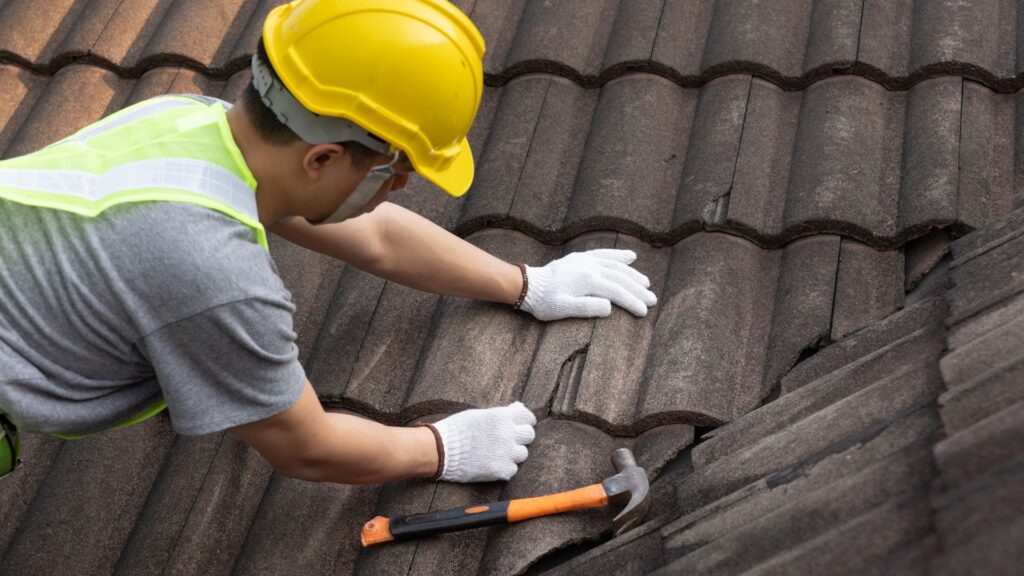
Maintaining a roof in Winnipeg means staying ahead of problems instead of reacting to them. Our short construction season and extreme weather make reactive maintenance expensive and sometimes impossible.
The smart approach is seasonal maintenance that addresses each type of weather threat before it can cause damage. This means different priorities for spring, summer, fall, and winter.
Spring Inspection and Cleanup
Spring is when you find out how your roof handled winter. This is the best time to spot problems while you can still fix them before next winter arrives.
Look for these common winter damage signs:
- Loose or missing shingles from wind and thermal cycling
- Damaged gutters and downspouts from ice expansion
- Flashing that’s pulled loose or cracked from movement
- Granule loss on shingles from ice and debris
- Water stains in the attic that show where moisture got in
Don’t forget to check inside your house too. Moisture problems in the attic often show up as staining on rafters, wet insulation, or frost buildup that melts and drips when it warms up.
Roofing Weather Protection in Summer Season
Summer is your window for major work. This is when contractors are available, materials are in stock, and weather conditions are right for quality installations.
Storm damage needs to get fixed fast. That hail damage might not leak today, but it will let water in when freeze-thaw cycles start again. Getting repairs done in summer means having a weatherproof roof when winter arrives.
This is also the time for upgrades. Adding ventilation, improving insulation, or upgrading to better materials is most cost-effective when you can combine multiple jobs into one project.
Fall Preparation
Fall is your last chance to get ready for winter. Once the snow flies and temperatures drop, your repair options become very limited.
The big jobs in fall are:
- Cleaning gutters and making sure downspouts drain away from the house
- Trimming tree branches that could fall during ice storms
- Checking and replacing caulk around penetrations
- Making sure attic ventilation isn’t blocked by insulation or debris
- Removing leaves and debris from roof valleys and flat areas
This stuff might seem basic, but it prevents the most common winter problems we see. Clogged gutters lead to ice dams, overhanging branches cause damage, and blocked ventilation creates moisture problems.
New Technology for Roofing Weather Protection
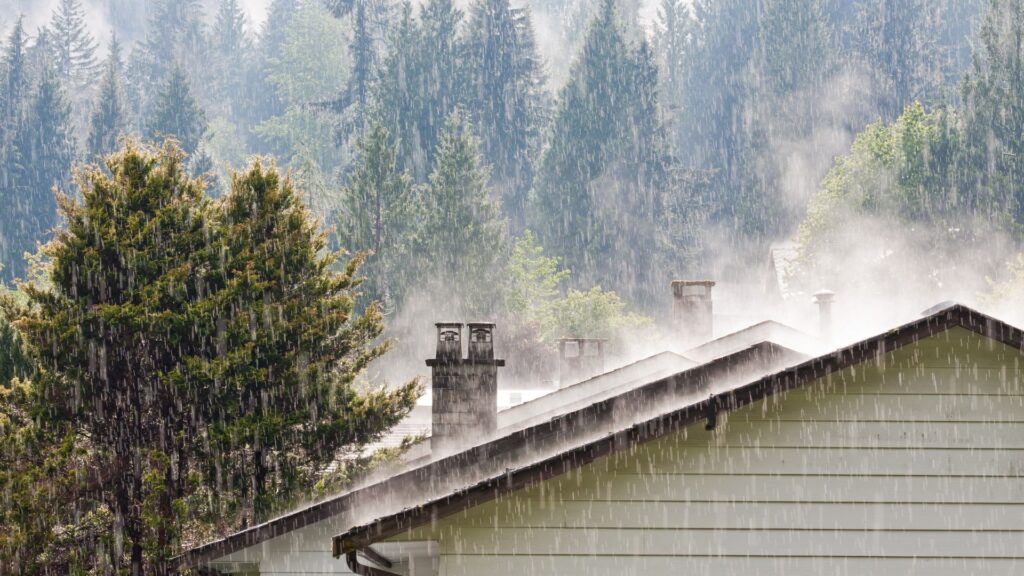
Roofing weather protection technology has come a long way in the past few years. Some of these new systems cost more upfront, but they can prevent damage that would cost thousands to fix.
Smart systems that automatically respond to weather conditions are becoming more popular. They’re especially useful for preventing ice dams, which cause more damage to Winnipeg homes than almost any other weather-related problem.
Stopping Ice Dams Before They Start
Electric heat cables along your eaves and in your gutters keep ice from building up in the first place. Modern cables adjust their heat output automatically based on temperature, so they’re not wasting energy when they don’t need to run.
Roof heating panels cover larger areas and can keep entire sections of your roof snow-free. These work great on south-facing slopes where solar gain helps them work more efficiently.
Better insulation and air sealing in your attic stops the heat loss that causes ice dams. Spray foam insulation seals air leaks that regular insulation can’t touch, and it gives you higher R-values in less space.
Powered ventilation fans keep air moving through your attic even when natural ventilation gets blocked by snow. This maintains even temperatures across your roof and prevents the hot spots that cause uneven melting.
Storm Protection Systems
Impact-resistant materials and reinforced installation methods protect against hail, wind, and flying debris. Modern materials designed for extreme weather often come with warranties that cover storm damage other products exclude.
Lightning protection systems protect both your roof and your home’s electrical systems. Modern systems integrate with your roofing materials so you don’t see ugly rods and wires all over your house.
Enhanced fastening systems and reinforced edge details help your roof stay put during windstorms. Professional installation using high-wind standards can mean the difference between minor damage and losing your whole roof.
When to Call the Professionals for Roofing Weather Protection
Knowing when you need professional help with roofing weather protection can save you from minor problems becoming major disasters. Winnipeg weather can cause sudden failures that need immediate attention to prevent extensive property damage.
Having a plan before problems happen makes everything easier. Know who you’re going to call, understand what your insurance covers, and know how to protect your property if your roof fails suddenly.
Warning Signs You Can’t Ignore
Some problems need professional attention right away. Water stains on your ceiling, ice forming in your attic, or sudden jumps in your heating bill all indicate serious roof problems that will get worse fast if you don’t address them.
Sagging roof lines, missing shingles, or places where you can see the roof deck through gaps need professional evaluation. These aren’t DIY problems, and trying to assess them yourself can be dangerous.
Strange sounds during windstorms like creaking, groaning, or things rattling around up there often mean something is loose or moving that shouldn’t be. Get a professional to check it out before it fails completely.
If your energy bills go up without an obvious reason, you might have air leaks or insulation problems related to roof damage. Thermal imaging can find these problems and show you exactly what needs fixing.
Emergency Response Planning for Roofing Weather Protection
Storm damage needs immediate action to prevent secondary problems. Professional emergency services can provide temporary protection while you plan permanent repairs.
Temporary fixes like tarps and emergency patching can prevent additional damage, but they need to be done right or they can make things worse. Professional emergency services have the right materials and know how to install them safely.
Insurance claims go smoother when you have professional documentation of damage. Experienced contractors know what insurance companies need to see and can provide photos and reports that support fair settlements.
Coordinating emergency repairs with permanent work ensures that temporary fixes don’t interfere with proper restoration. Good contractors can design temporary solutions that actually help with the permanent repair.
Roofing Weather Protection Planning & Investment
Building a good roofing weather protection strategy means thinking about costs over time, not just upfront expenses. In Winnipeg’s extreme weather, quality protection actually costs less in the long run because preventing damage is always cheaper than fixing it.
Budget for Winnipeg’s short construction season, premium materials that can handle our weather, and installation that goes beyond minimum standards. These investments pay for themselves through longer roof life and fewer emergency repairs.
What to Fix First
Start with structural problems because everything else depends on having a solid foundation. If your roof structure fails, all the other improvements won’t matter.
Focus on moisture management next. Proper ventilation, air sealing, and drainage prevent the most expensive problems we see in Winnipeg. These improvements often pay for themselves through lower heating costs.
Upgrade to premium materials when you need to replace things anyway. The extra cost for materials rated for extreme conditions is usually small compared to replacing standard materials that fail early.
Professional installation and maintenance ensure your investments perform as designed. Good installation often matters more than material selection for long-term performance.
Insurance and Warranty Benefits
Many premium materials come with enhanced warranties that cover weather damage standard products don’t. Understanding warranty terms and keeping up with maintenance requirements protects your investment.
Insurance companies often offer discounts for impact-resistant materials and protective systems. These discounts can help offset upgrade costs while providing better protection.
Keep records of all improvements and maintenance. Professional documentation supports insurance claims and warranty coverage when weather damage happens.
Regular professional inspections maintain warranty compliance and catch problems early. Most premium warranties require professional maintenance, making regular service a smart investment.
Bottom Line for Roofing Weather Protection
Protecting your roof in Winnipeg means understanding that our weather is harder on buildings than almost anywhere else in Canada. Standard approaches that work in milder places fail here, often catastrophically and always expensively.
Good roofing weather protection starts with materials designed for extreme conditions, continues through professional installation that exceeds minimum standards, and extends through maintenance programs that address problems before they cause damage.
The upfront investment in proper protection always costs less than dealing with weather damage and premature replacement. In Winnipeg’s climate, doing it right the first time isn’t just smart – it’s essential for protecting your home and your investment.
Your roof is your home’s first line of defense against some of Canada’s worst weather. Give it the protection it needs, and it will keep you safe and dry for decades. Cut corners, and you’ll pay for it every time the weather gets nasty.