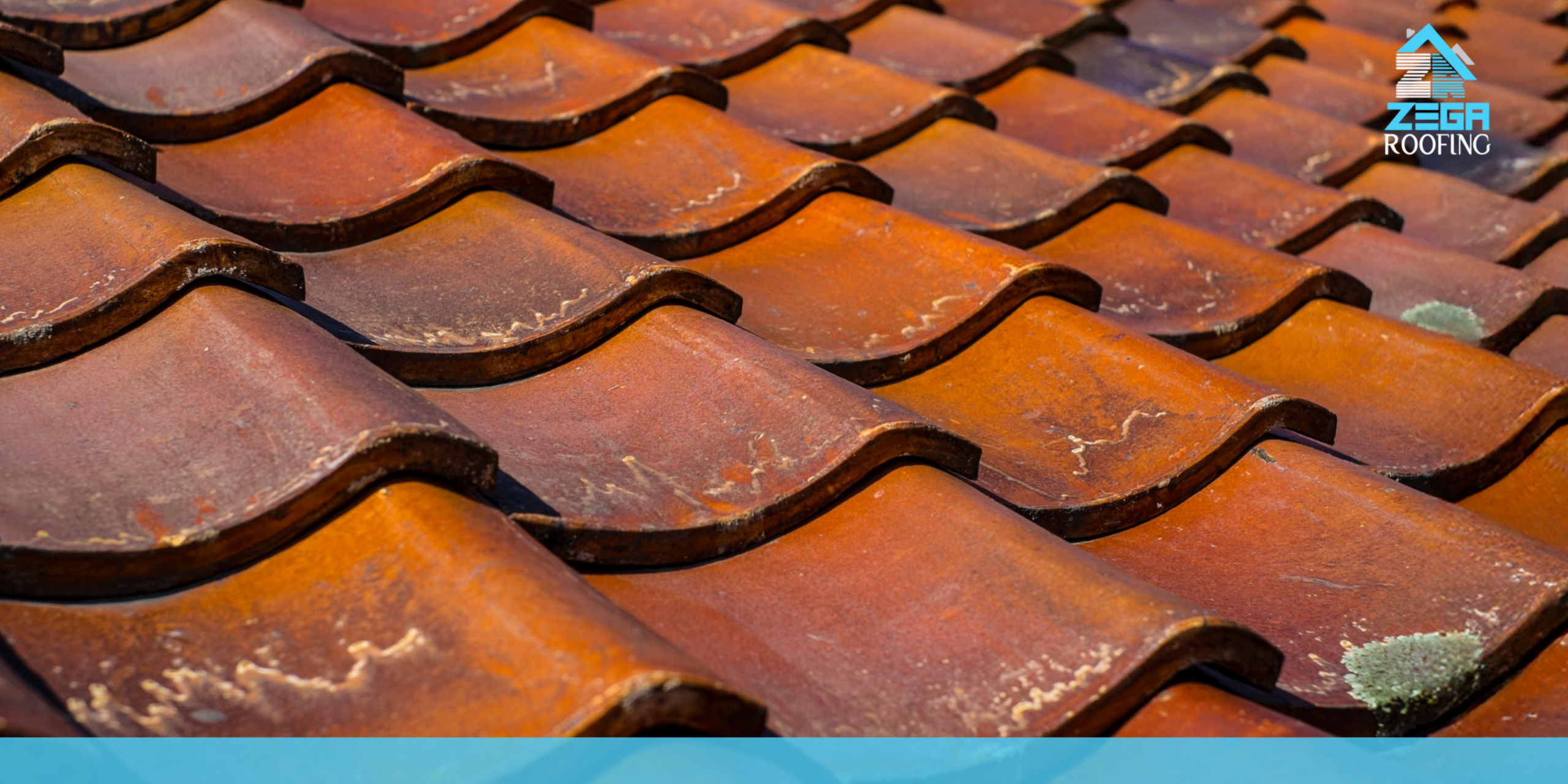
Roofing tiles stand as one of the most enduring materials available for protecting your property from harsh weather. These individual units, crafted from clay, concrete, slate, or composites, interlock to form a protective barrier that outlasts conventional options by decades. Winnipeg homeowners face extreme temperature swings, heavy snowfall, and intense summer heat—conditions that demand superior overhead protection. Selecting the right roofing tiles involves understanding material properties, structural requirements, climate compatibility, and long-term value.
What Are Roofing Tiles?
These individual protective units create overlapping patterns that shield structures from precipitation, wind, and temperature extremes. Unlike continuous sheet materials, roofing tiles function as a modular system where each piece can be individually replaced.
The design creates natural ventilation channels beneath the surface, allowing moisture to escape while preventing water penetration. This air circulation reduces heat buildup during summer and prevents condensation that leads to structural decay.
Traditional materials include fired clay, natural stone, and formed concrete. Modern innovations incorporate recycled polymers and metal composites. Each type offers distinct advantages in weight, cost, appearance, and longevity.
What Types of Roofing Tiles Work Best for Manitoba Homes?
| Tile Type | Weight (per square) | Lifespan | Cost (per sq ft) | Best For |
|---|---|---|---|---|
| Clay | 600-850 lbs | 75+ years | $10-20 | Traditional aesthetics, fire resistance |
| Concrete | 850-1000 lbs | 40-60 years | $8-15 | Budget-conscious, cold climate |
| Slate | 1500-3000 lbs | 100+ years | $15-30+ | Historic homes, maximum longevity |
| Composite | 350-500 lbs | 50+ years | $7-12 | Lightweight, modern performance |
Clay Options
Fired clay products bring timeless elegance to residential architecture. The manufacturing process involves molding natural clay into desired shapes, then firing at temperatures exceeding 1000°C. These units weigh 600-850 pounds per square and regularly exceed 75 years of service. Fire resistance earns Class A ratings.
Concrete Versions
Formed concrete provides similar aesthetics at reduced cost. Modern formulations incorporate additives that improve freeze-thaw resistance. Expected lifespan ranges from 40-60 years, making concrete roofing tiles popular for budget-conscious projects.
Slate Material
Natural stone delivers unmatched longevity. Slate roofing tiles commonly protect structures for 100+ years. Weight concerns prove significant at 1500-3000 pounds per square, demanding substantial structural capacity.
Composite Products
Engineered materials blend recycled rubber, plastic, and minerals. Advanced manufacturing replicates natural material appearance while reducing weight to 350-500 pounds per square. Impact resistance surpasses traditional options, preventing cracks from hail or falling debris.
Why Do Homeowners Choose Roofing Tiles Over Other Materials?
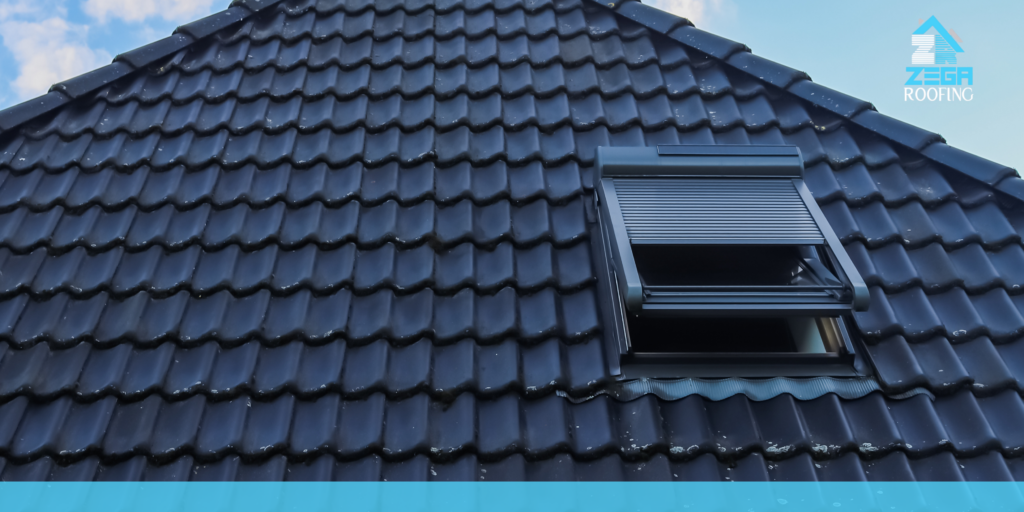
Superior Durability
While asphalt shingles deteriorate after 15-20 years, quality tiles protect homes for multiple generations. The modular design means damaged sections receive individual replacement rather than full roof tearoffs.
Energy Efficiency
The air gap beneath tiles prevents heat transfer to attic spaces, reducing cooling loads during summer. Studies show energy savings of 10-20% compared to conventional systems.
Weather Resistance
High winds cannot lift properly installed roofing tiles due to their weight and interlocking design. Hail impacts that destroy shingles merely bounce off dense tile surfaces. Winnipeg’s extreme weather patterns cannot compromise quality installations.
Increased Property Value
The dimensional profile and color options create visual interest that increases property values. Real estate studies show homes with premium roofing tiles command higher prices and sell faster than comparable properties.
How Much Do Roofing Tiles Cost in Winnipeg?
Material expenses vary by type. Clay products range $10-20 per square foot, concrete versions cost $8-15, slate commands $15-30+, and composite roofing tiles fall between $7-12.
Professional installation typically costs $5-12 per square foot depending on complexity and accessibility. A standard 2000 square foot roof might require $30,000-60,000 for complete replacement.
Compare these figures against repeated replacement cycles. Asphalt shingles costing $5,000-10,000 require replacement every 15-20 years, totaling $20,000-40,000 over 60 years. Quality roofing tiles installed once protect homes for the same period.
What Installation Process Do Roofing Tiles Require?
Professional assessment begins with structural evaluation. Engineers determine if existing framing supports additional weight. Reinforcement may involve adding support beams or upgrading trusses.
Old roofing removal exposes the deck for inspection. Damaged sheathing receives replacement before proceeding. Proper underlayment installation proves critical; high-quality synthetic materials resist water penetration while allowing vapor transmission.
Batten installation creates ventilation space and provides fastening points. Tile placement follows specific patterns. Workers proceed from bottom to top, securing each unit with nails or clips. Hip and ridge caps require specialized pieces that complete the system.
Quality contractors like Zega Roofing provide warranties covering both materials and workmanship.
What Maintenance Do Roofing Tiles Need?
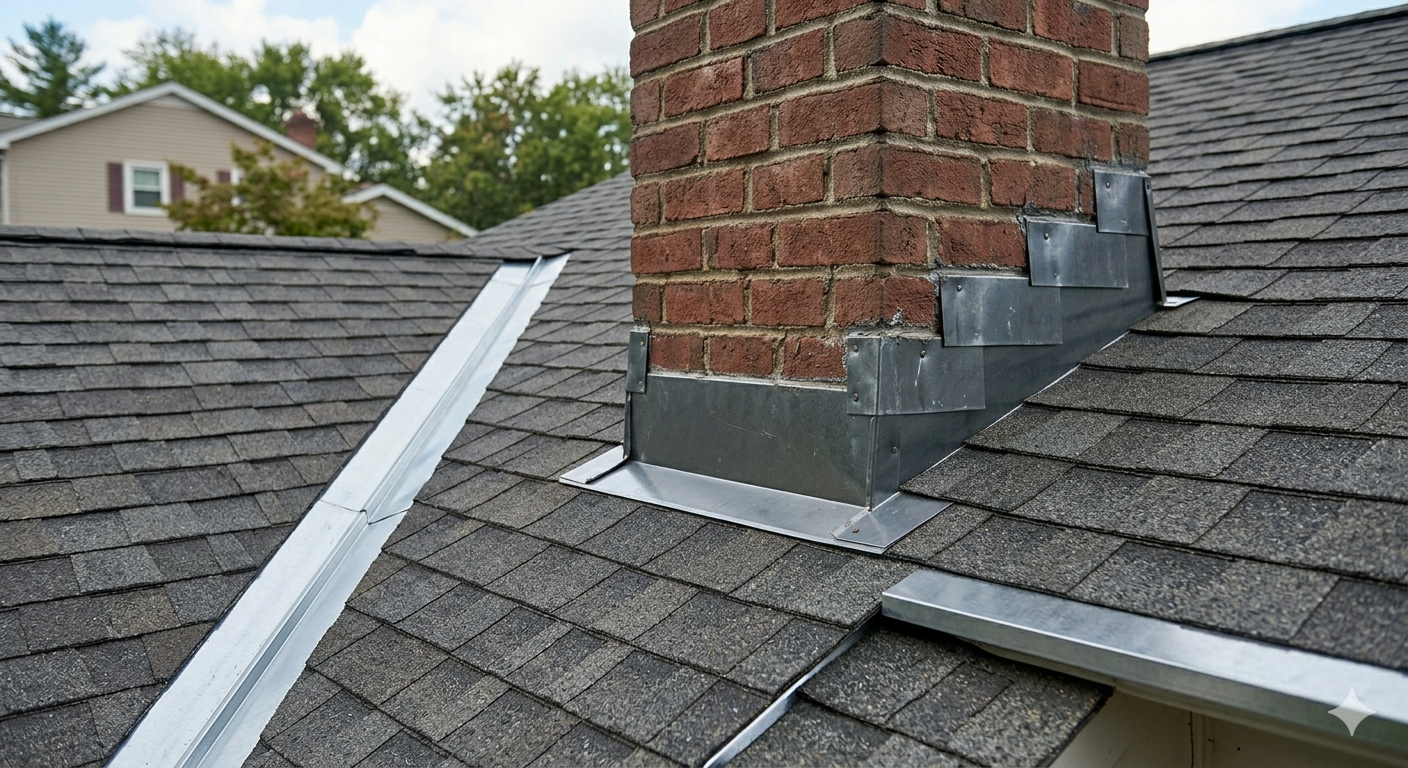
Annual inspections identify potential problems before they escalate. Visual examination spots obvious damage like displaced or broken units. Professional assessments include close inspection of flashings and sealants.
Debris removal maintains proper drainage. Leaves and twigs accumulate in valleys, trapping moisture. Gutters require regular cleaning to prevent overflow damage.
Individual broken pieces need prompt replacement. Most damage results from falling branches, foot traffic, or severe hail. Professionals stock common colors for seamless repairs.
Moss and algae growth occurs on north-facing slopes. Approved cleaning solutions remove growth without damaging surfaces. Winter monitoring prevents ice dam formation. Contact Zega Roofing for emergency winter services.
How Do You Select the Right Roofing Tiles for Your Home?
Climate Compatibility
Winnipeg’s freeze-thaw cycles demand materials rated for extreme temperature swings. Concrete and composite roofing tiles engineered for northern climates include additives that resist deterioration.
Structural Capacity
Existing homes built with asphalt shingles may lack strength for heavy tiles. Professional structural assessment costs $300-600 but prevents catastrophic failures. Composite options provide tile aesthetics without requiring reinforcement.
Architectural Style
Spanish Colonial homes suit barrel clay tiles in warm earth tones. Craftsman bungalows pair well with flat concrete profiles. Review neighborhood covenants and municipal codes before finalizing choices.
Budget Considerations
Calculate lifecycle costs including maintenance, energy savings, and expected replacement intervals. The cheapest initial option rarely proves most economical long-term.
Why Hire Professionals for Roofing Tiles Installation?
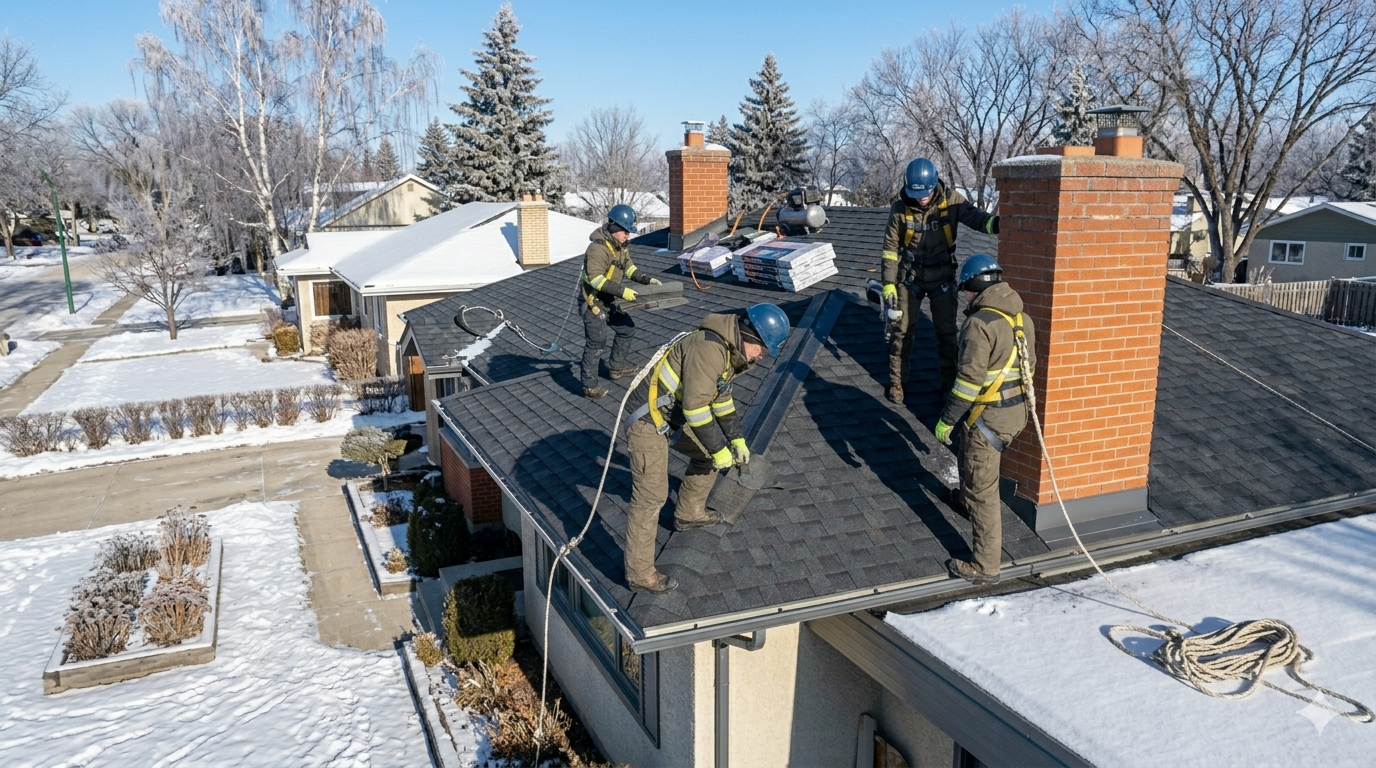
Safety concerns justify professional installation. Working at heights with heavy materials creates serious injury risks. Contractors carry insurance protecting property owners from liability.
Technical knowledge ensures proper execution. Understanding load distribution, fastening schedules, and flashing details comes from experience. Mistakes compromise weather resistance and void manufacturer warranties.
Efficiency matters for occupied homes. Professional crews complete installations in days rather than weeks. Warranty protection provides peace of mind.
Recognized as one of the best roofing companies in Winnipeg, Zega Roofing delivers consistent workmanship and dependable solutions.
Frequently Asked Questions
What makes roofing tiles better than asphalt shingles?
Material longevity proves the primary advantage—roofing tiles protect homes for 50-100+ years compared to 15-20 years for asphalt shingles. Energy efficiency improves through natural ventilation and thermal mass. Superior weather resistance withstands wind, hail, and fire better than composition shingles.
Can my existing roof support heavy roofing tiles?
Most homes built for asphalt shingles require structural reinforcement before installing traditional clay, concrete, or slate roofing tiles. Professional engineering assessment determines if existing framing provides adequate load-bearing capacity. Lightweight composite alternatives often install without reinforcement.
How often do roofing tiles need maintenance?
Annual inspections identify potential issues before they escalate. Basic maintenance includes debris removal from valleys and gutters, visual checks for displaced units, and periodic professional assessments every 1-2 years. Properly installed roofing tiles need minimal intervention compared to other materials.
Do roofing tiles perform well in Winnipeg winters?
Quality roofing tiles specifically rated for freeze-thaw cycles excel in Manitoba’s climate when properly installed. Concrete and composite products engineered for cold regions resist cracking from moisture expansion. Proper attic insulation and ventilation prevent ice dam formation.
Will roofing tiles increase my home’s resale value?
Premium roofing tiles consistently increase property values due to superior durability, aesthetic appeal, and low maintenance requirements. Real estate studies show homes with quality tiles sell for 5-15% more than comparable properties. Buyers appreciate not facing near-term replacement costs.