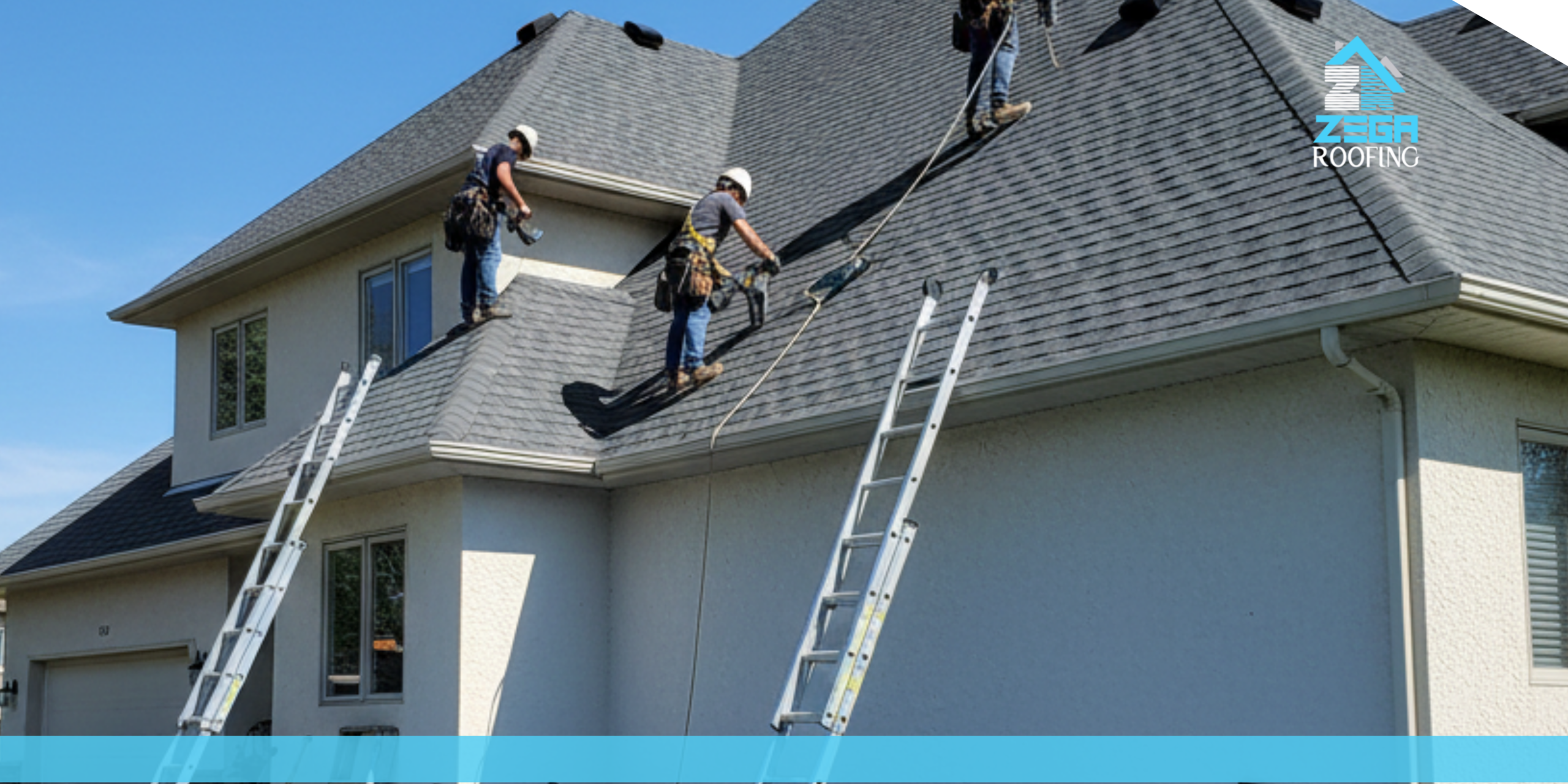
Residential roof installations follow a structured process that starts with removing old roofing materials, inspecting the deck for damage, and then layering new underlayment and shingles to protect your home. For Winnipeg homeowners, choosing the right roofing team means getting a roof built to withstand extreme temperature swings, heavy snow loads, and unpredictable storms.
Zega Roofing specializes in residential roof installations that prioritize durability, proper ventilation, and long-term performance. Whether you’re building a new home or replacing an aging roof, the installation process matters just as much as the materials you choose. A properly installed roof keeps moisture out, maintains energy efficiency, and adds value to your property for decades.
Why Residential Roof Installations Matter for Winnipeg Homes
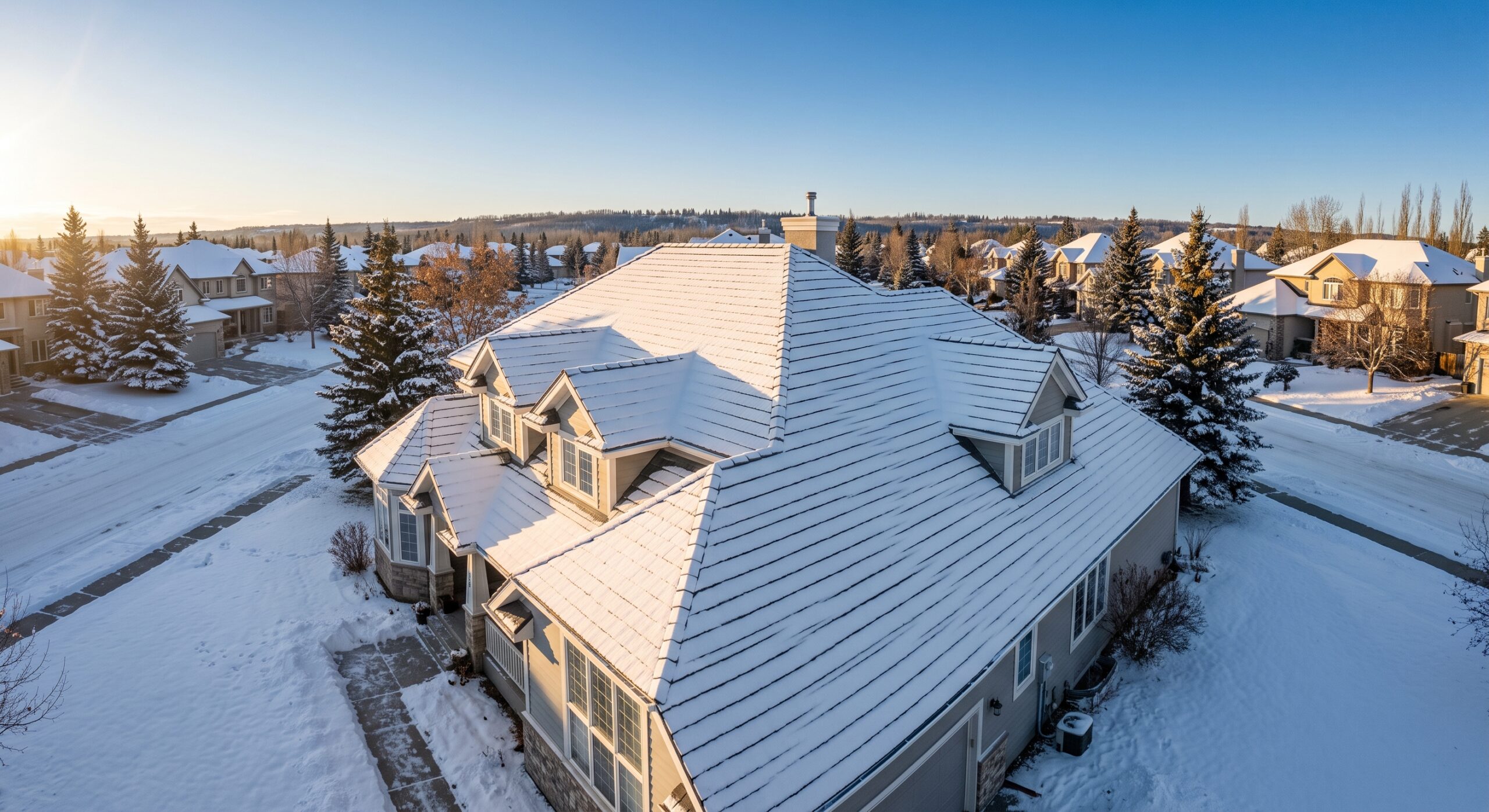
Your roof is the first line of defense against Manitoba’s harsh climate. From freezing winters to summer storms, residential roof installations must account for conditions that many other regions never face. A roof installed without proper techniques can lead to ice dams, moisture infiltration, and premature material failure.
Winnipeg’s temperature extremes cause roofing materials to expand and contract repeatedly throughout the year. This puts stress on shingles, flashing, and seals. Professional residential roof installations address these challenges by using climate-appropriate materials and installation methods that allow for natural movement without compromising the roof’s integrity.
Beyond weather protection, a quality installation improves your home’s energy efficiency. Proper ventilation and insulation work together with your roofing system to regulate attic temperatures, reducing heating and cooling costs year-round.
| Climate Challenge | Installation Solution |
| Heavy snow loads | Reinforced decking and proper slope design |
| Ice dam formation | Adequate attic ventilation and ice/water shield |
| Extreme cold | Cold-weather adhesive strips on shingles |
| High winds | Enhanced nailing patterns and sealed edges |
What Is a Residential Roof?
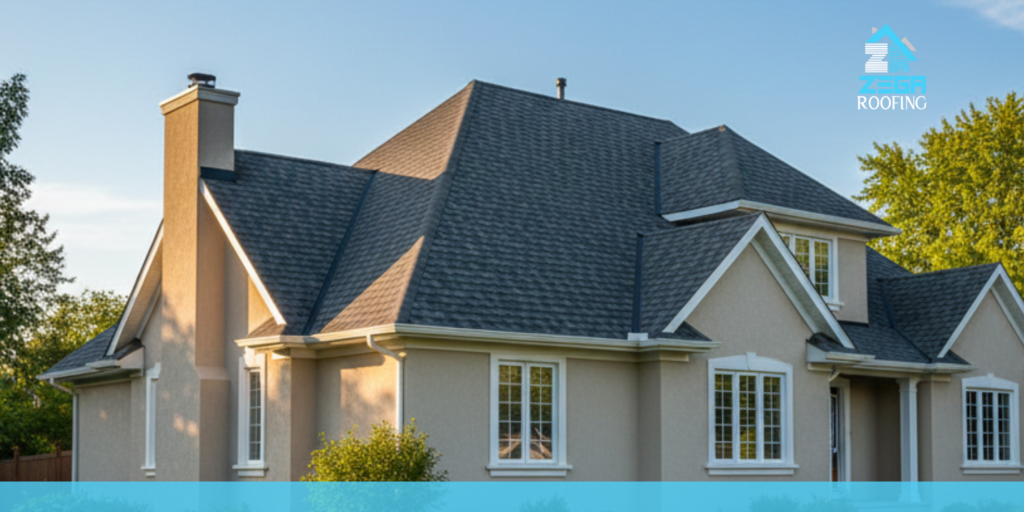
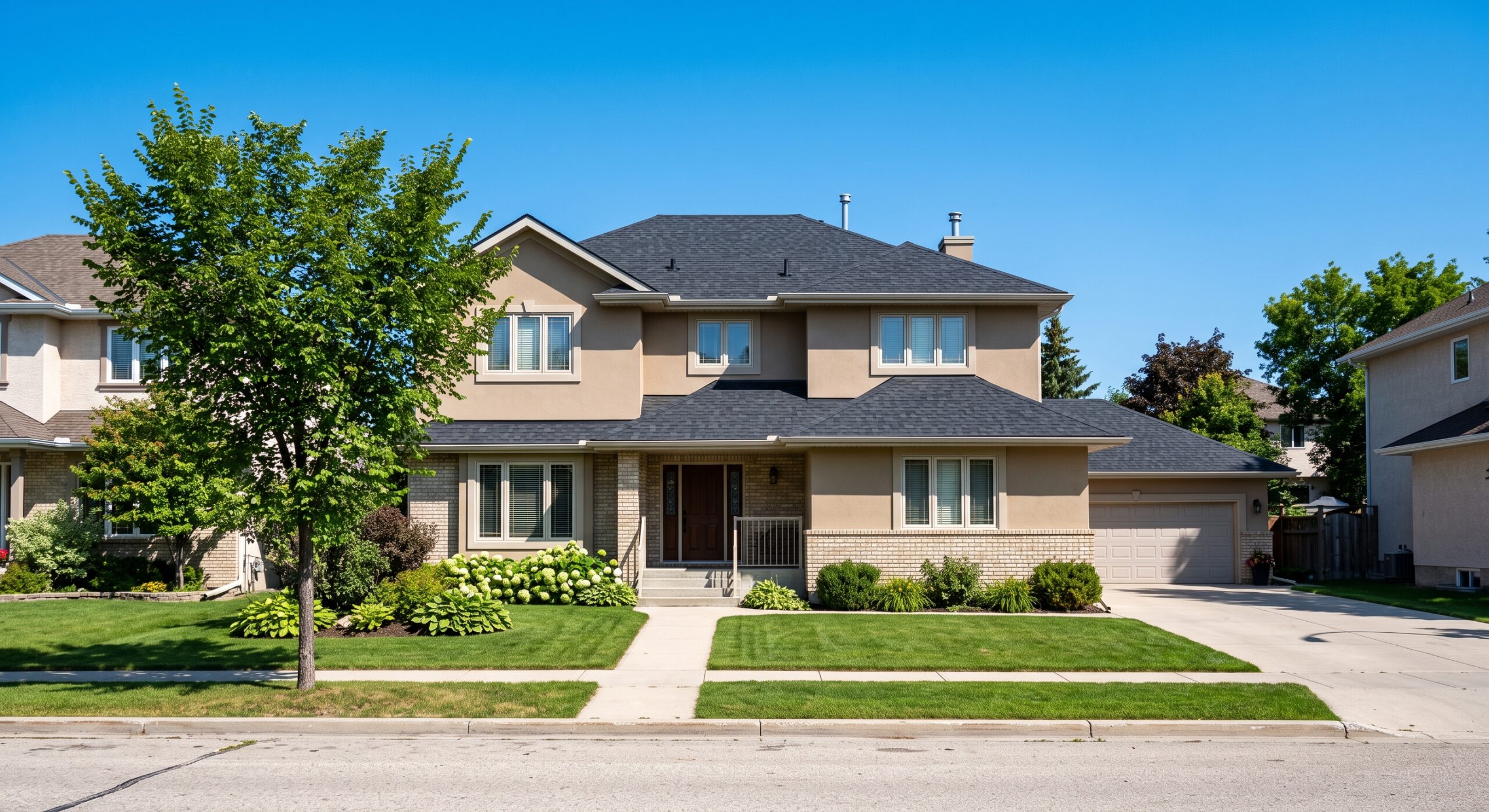
A residential roof is a roofing system designed specifically for homes, townhouses, and small multi-family dwellings. Unlike commercial flat roofs, residential roofs typically feature sloped designs that shed water and snow naturally. Most homes in Winnipeg have pitched roofs covered with asphalt shingles, though metal and other materials are becoming more popular.
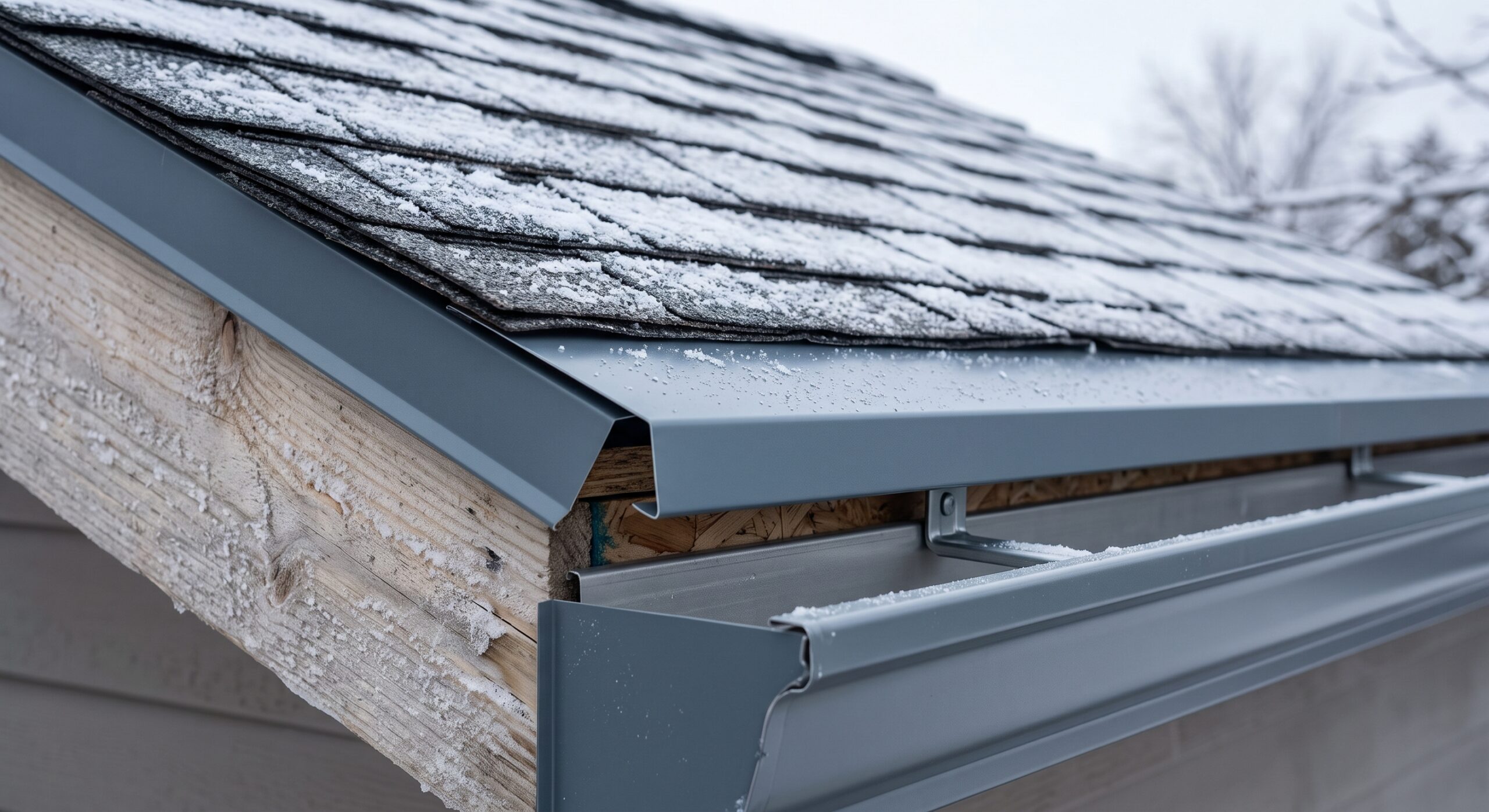
Residential roofs consist of several layers working together. The decking (usually plywood or OSB) provides the structural base. Underlayment adds a waterproof barrier. Shingles or other finish materials protect against weather and UV exposure. Flashing seals vulnerable areas around chimneys, vents, and roof edges.
When planning residential roof installations, homeowners should consider both the visible materials and the supporting components that make the system work effectively.
What Is the Meaning of Roof Installation?
Roof installation refers to the complete process of constructing or replacing a roofing system on a building. This includes removing existing materials (for replacements), preparing the deck surface, applying protective layers, and securing the final roofing materials in place.
For residential roof installations, the term covers everything from new construction projects to full tear-off replacements. A proper installation follows manufacturer specifications and local building codes to ensure warranty coverage and structural soundness.
The difference between a roof installation and a repair is scope. Repairs address localized damage, while installations involve the entire roof surface or significant sections of it.
What Is the Process of Installing a Roof?
Residential roof installations follow a consistent sequence of steps that professional roofers complete over several days, depending on roof size and complexity.
Step 1: Initial Inspection and Planning
Before any work begins, the roofing team inspects your existing roof (for replacements) or reviews construction plans (for new builds). This assessment identifies potential issues like rotted decking, inadequate ventilation, or structural concerns that need addressing during installation.
Step 2: Material Delivery and Site Preparation
Materials arrive at your property and are staged for efficient access. The crew sets up safety equipment, protects landscaping, and prepares the work area. For roof repair and installation projects in Winnipeg, proper staging prevents damage to your property during the work.
Step 3: Old Roof Removal (Replacements Only)
If you’re replacing an existing roof, the crew strips away old shingles, underlayment, and damaged flashing down to the decking. This step reveals any hidden damage that wasn’t visible during the initial inspection.
Step 4: Deck Inspection and Repair
With the deck exposed, roofers check for rot, water damage, or structural issues. Damaged sections get replaced to create a solid foundation for your new roof. Skipping this step during residential roof installations leads to problems down the road.
Step 5: Underlayment Installation
A synthetic or felt underlayment goes down over the entire deck surface. In Winnipeg, ice and water shield membrane is applied along eaves, valleys, and around penetrations to prevent ice dam damage.
Step 6: Flashing Installation
Metal flashing gets installed around chimneys, vents, skylights, and roof edges. Proper flashing installation is one of the most important details in residential roof installations because these transition points are where most leaks occur.
Step 7: Shingle or Roofing Material Application
Starting from the bottom edge, shingles are installed in overlapping rows moving up toward the ridge. Each shingle is secured with the correct number of nails placed in the designated nailing zone. Ridge caps complete the installation along the roof peak.
Step 8: Cleanup and Final Inspection
The crew removes all debris, runs magnetic sweepers to collect stray nails, and conducts a final quality check. Homeowners receive documentation for warranty purposes.
What Is the Best Type of Roof to Install?
Asphalt shingles remain the best choice for most Winnipeg residential roof installations due to their balance of cost, durability, and performance in cold climates. However, the “best” option depends on your budget, aesthetic preferences, and long-term goals.
| Roofing Material | Lifespan | Best For |
| Asphalt shingles | 20-30 years | Budget-conscious homeowners wanting reliable protection |
| Architectural shingles | 25-40 years | Enhanced curb appeal with better wind resistance |
| Metal roofing | 40-70 years | Long-term investment with minimal maintenance |
| Cedar shakes | 30-40 years | Traditional aesthetic (requires more maintenance) |
Asphalt shingles come in two main varieties. Three-tab shingles offer economical protection, while architectural (dimensional) shingles provide a thicker profile, better wind ratings, and longer warranties. For residential roof installations in Winnipeg, architectural shingles have become the standard recommendation.
Metal roofing is gaining popularity for homeowners planning to stay in their homes long-term. The higher upfront cost is offset by exceptional longevity and energy efficiency. Metal roofs shed snow easily and don’t suffer from the same freeze-thaw issues as asphalt.
When you contact Zega Roofing, you’ll receive guidance on which materials make sense for your specific situation and budget.
What Is the Most Common Residential Roof?
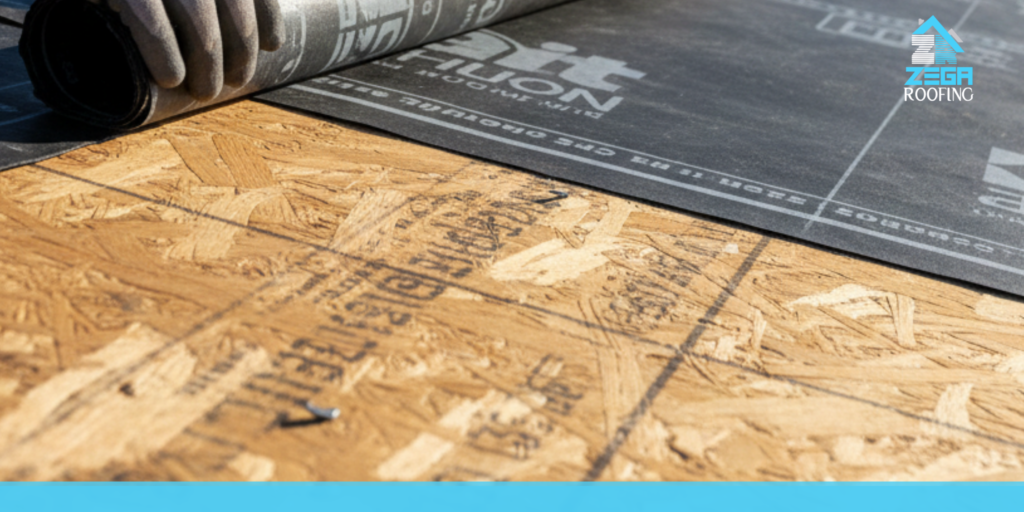
Asphalt shingle roofs account for approximately 80% of residential roof installations across North America. Their widespread use comes from affordability, ease of installation, and the availability of many colors and styles to match different home designs.
In Winnipeg specifically, asphalt shingles dominate the market because they perform well in cold temperatures when installed correctly. The shingles have adhesive strips that seal once activated by warm weather, creating wind-resistant protection.
Architectural shingles have become more common than basic three-tab options for newer residential roof installations. The dimensional appearance adds visual interest, and the heavier construction stands up better to Winnipeg’s wind and hail events.
Homeowners in the areas Zega Roofing serves frequently choose mid-grade architectural shingles with 30-year warranties as the sweet spot between cost and performance.
Choosing the Right Contractor for Residential Roof Installations
The quality of your roof depends heavily on who installs it. Even premium materials fail when installed incorrectly. Here’s what to look for when selecting a contractor.
Licensing and Insurance: Verify that any roofer you consider carries proper licensing and liability insurance. This protects you from responsibility if accidents occur on your property.
Local Experience: Winnipeg’s climate creates specific challenges that contractors from other regions may not understand. Choose a team with proven experience handling residential roof installations in Manitoba.
Written Estimates: Professional contractors provide detailed written estimates breaking down materials, labor, and any additional costs. Vague or verbal-only quotes should raise concerns.
Warranty Coverage: Understand what warranties apply to both materials and workmanship. Manufacturer warranties only cover defects, not installation errors.
Learning about roofing shingles options helps you have informed conversations with contractors about material choices.
Signs You Need a New Residential Roof Installation
Knowing when to repair versus replace saves money in the long run. Consider residential roof installations when you notice:
- Shingles curling, cracking, or missing in multiple areas
- Granule loss exposing the asphalt mat beneath
- Daylight visible through roof boards in the attic
- Water stains on ceilings or walls
- Roof age exceeding 20-25 years
- Multiple previous repairs without lasting results
A professional inspection can determine whether roofing tiles or shingle replacement is needed, or if repairs can extend your current roof’s life.
Cost Factors for Residential Roof Installations
Several variables affect the total investment for your new roof:
- Roof size and pitch: Steeper roofs require more safety equipment and labor time
- Material selection: Premium materials cost more upfront but may last longer
- Removal requirements: Layering over existing shingles costs less than full tear-off
- Structural repairs: Damaged decking or framing adds to the project scope
- Ventilation upgrades: Adding or improving vents increases total cost
For accurate pricing on residential roof installations in Winnipeg, contact Zega Roofing for a free inspection and detailed estimate tailored to your home’s specific needs.
Understanding integrity roofing standards helps you recognize quality work and fair pricing.
Wrapping Up Your Residential Roof Installations Decision
Residential roof installations represent a significant investment that protects your home for decades when done right. The process involves careful preparation, quality materials, and skilled workmanship at every stage. Winnipeg’s climate demands extra attention to details like ice protection, ventilation, and cold-weather installation techniques.
Choosing experienced local professionals ensures your new roof performs as expected through Manitoba’s challenging seasons. Zega Roofing brings the expertise, quality materials, and customer-focused approach that Winnipeg homeowners deserve for their residential roof installations.
Frequently Asked Questions
What is a residential roof?
A residential roof is a roofing system built for homes and small residential buildings. These roofs typically feature sloped designs with materials like asphalt shingles or metal panels that protect against weather while complementing the home’s appearance.
What is the meaning of roof installation?
Roof installation means constructing or replacing a complete roofing system. The process includes deck preparation, underlayment application, flashing installation, and securing the finish materials according to manufacturer and code requirements.
What is the best type of roof to install?
Asphalt architectural shingles offer the best value for most Winnipeg homes. They balance affordability with durability and come with warranties up to 40 years when properly maintained.
What is the process of installing a roof?
Roof installation follows a sequence of inspection, removal (if replacing), deck repair, underlayment, flashing, shingle application, and final cleanup. Each step must be completed correctly for the roof to perform as designed.
What is the most common residential roof?
Asphalt shingle roofs are the most common, covering about 80% of homes. Their popularity comes from cost-effectiveness, wide color selection, and proven performance in various climates including Winnipeg’s extreme conditions.