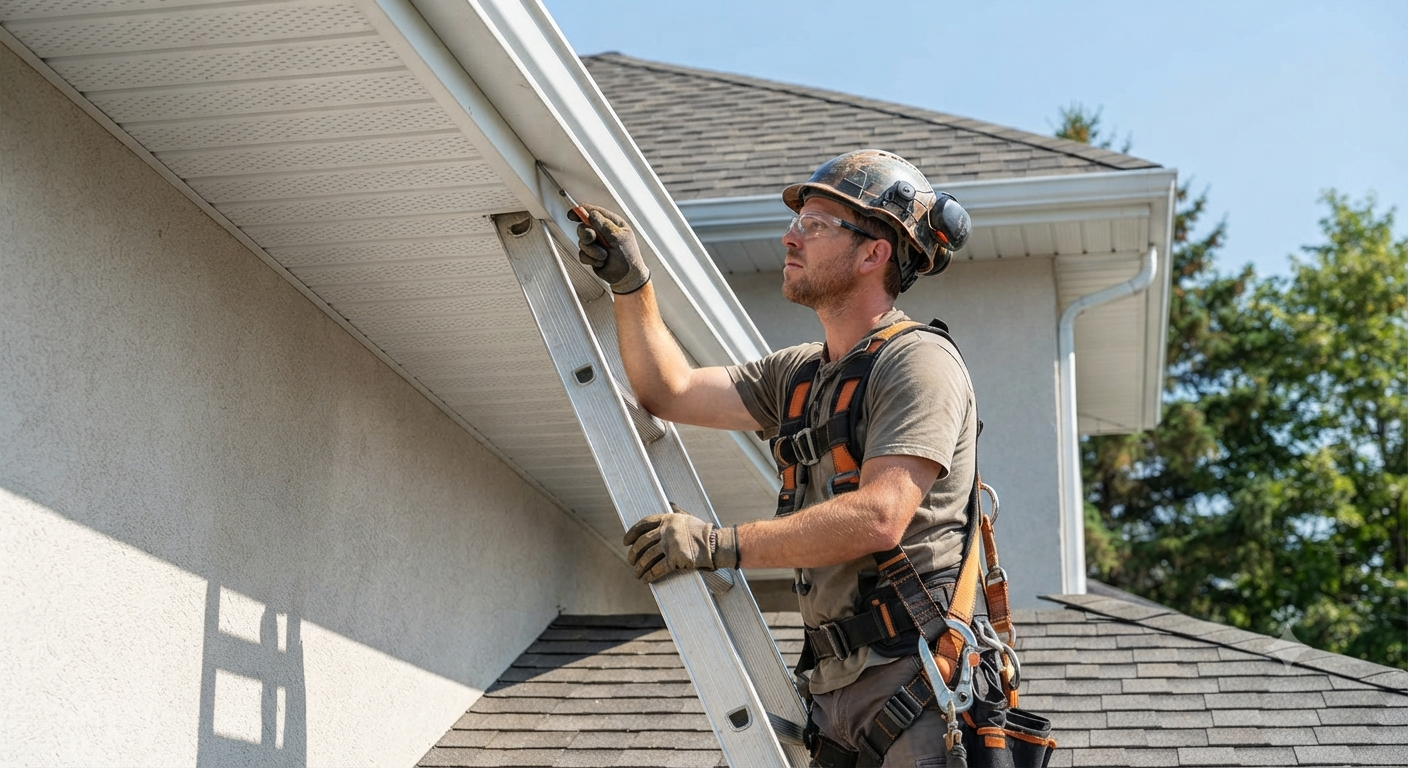
A roof ladder is a specialized tool that hooks over the ridge of a roof, giving you a stable, non-slip surface to stand or kneel on while you work.
It is different from a standard extension ladder because it distributes your weight across the slope instead of leaning against the edge of the structure. Choosing the correct roof ladder depends on your roof pitch, the material you are working on, and how often you plan to use it for inspections, gutter checks, or seasonal maintenance.
What Is A Roof Ladder And How Does It Work
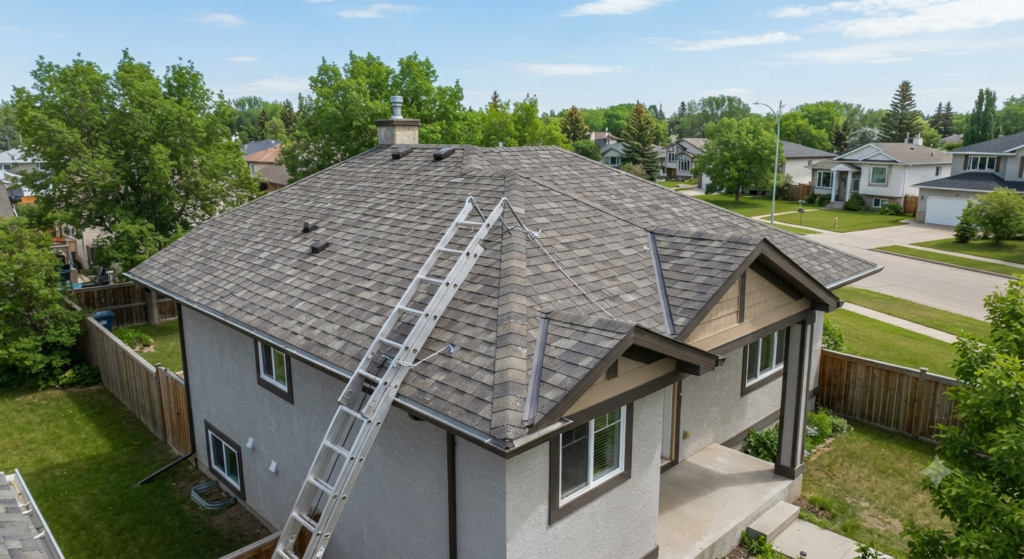
A roof ladder is a flat, rung-style ladder with hooks or wheels at the top end that anchor onto the ridge of a sloped roof. Once it is in place, it lies almost flat against the shingles or metal panels, letting you crawl along it rather than balancing directly on the roofing material. This spreads your body weight over a wider area, which reduces the chance of cracking shingles or denting metal panels underfoot.
Most roof ladders are made from aluminum or lightweight steel, since both hold up well against moisture and temperature swings without adding excessive weight. The wheels at the top allow you to roll the ladder up an empty roof before flipping it so the hooks catch the ridge line. Some models fold down for storage, which matters if you only need one occasionally rather than keeping it mounted permanently.
The rungs are usually spaced wider apart than a standard ladder to match the natural stride you would use while crouched on an incline. Grip texture on the rungs also tends to be more aggressive, since roofing surfaces can be slick after rain, frost, or morning dew.
Why A Roof Ladder Matters For Roof Safety And Maintenance
Working on a sloped roof without proper support is one of the more common causes of fall injuries around the home. A roof ladder gives you a fixed point of contact so you are not relying on the friction of your shoes against shingles or metal sheeting, which can give way without warning, particularly on steeper pitches.
Beyond safety, a roof ladder also protects the roofing material itself. Walking directly on asphalt shingles can loosen granules and shorten their lifespan, while stepping on metal roofing without support can leave dents that trap moisture over time. Distributing weight through the ladder’s frame instead of your boots helps preserve the surface you are trying to maintain in the first place.
For homeowners planning routine gutter cleaning, chimney checks, or seasonal inspections, having the right roof ladder on hand turns a risky task into a manageable one. That said, steep pitches, icy conditions, or roofs higher than a single story are situations where bringing in a Winnipeg roofing company is the safer call rather than attempting the climb alone.
How To Choose The Right Roof Ladder For Your Project
Picking a roof ladder comes down to matching the tool to the job. A short, one-story home with a moderate pitch has very different needs than a two-story house with a steep roofline or a commercial building with a low-slope membrane surface.
Features To Check Before Buying Or Renting
- Ridge hook strength: Look for hooks rated to support your body weight plus tools, not just the ladder itself.
- Length coverage: The ladder should reach from the eave to well past the ridge line for a secure anchor point.
- Wheel quality: Rubber-coated wheels roll smoothly without scratching shingles during placement.
- Weight capacity: Confirm the rated load includes both your weight and any equipment you are carrying.
- Fold and storage size: Compact folding designs are easier to store in a garage or shed between uses.
The table below compares the three most common roof ladder styles homeowners and contractors choose between.
| Ladder Type | Best Roof Pitch | Typical Use | Key Advantage |
| Hook-style roof ladder | Medium to steep | Shingle roofs, chimney work | Hooks lock onto ridge for stability |
| Wheel-assisted roof ladder | Steep pitches | Longer roofs, frequent repositioning | Rolls into place before flipping flat |
| Multi-position roof ladder | Low to medium pitch | Metal or membrane roofs | Adjusts between standing and flat modes |
For most residential shingle roofs, a hook-style roof ladder offers the best balance of stability and cost. If the roof is unusually steep or you need to move along a long ridge line repeatedly, a wheel-assisted roof ladder saves time and reduces repositioning. Multi-position models work well on lower-slope roofs where you need flexibility between standing tasks and flat crawling sections.
Which Roof Ladder Option Is Best For Different Roof Types
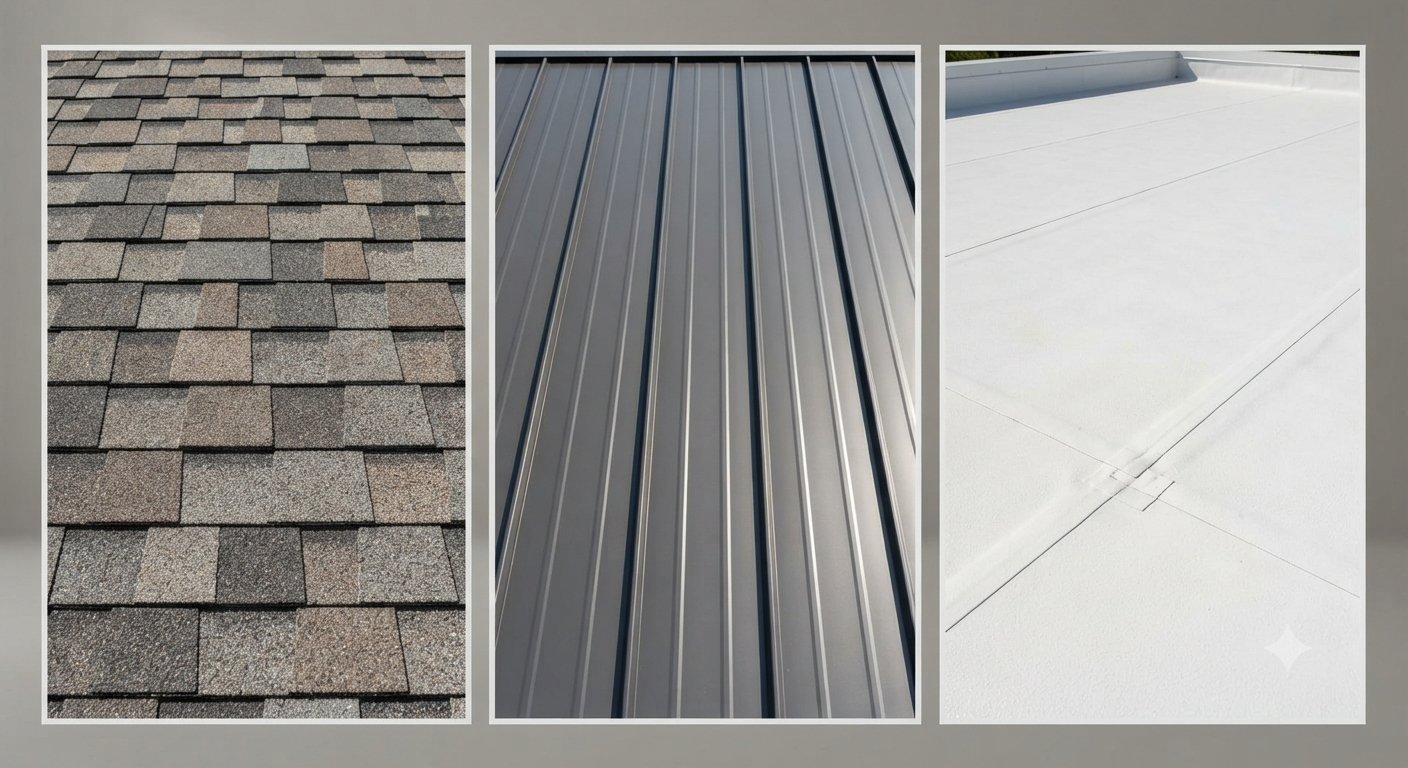
The right choice also depends heavily on the roofing material underneath your feet. Asphalt shingles, metal panels, and low-slope membranes each respond differently to pressure and grip.
| Roof Material | Recommended Ladder Feature | Why It Works Best |
| Asphalt shingle | Padded or rubber-coated rungs | Protects granules from wearing off |
| Metal roofing | Wide, flat contact rungs | Spreads weight to avoid denting panels |
| Low-slope membrane | Multi-position or flat-base design | Reduces puncture risk on softer surfaces |
| Steep pitch shingle | Hook-style with reinforced anchors | Keeps the ladder locked against gravity pull |
If your home has asphalt shingles, which is the case for most Winnipeg properties, a hook-style roof ladder with padded rungs is generally the best fit because it protects the shingle surface while giving you a firm working platform. Metal roofs call for wider rung contact points to avoid leaving marks, and low-slope membrane roofs are usually better served by a flatter, multi-position design that does not concentrate weight in one spot. When you are unsure which category your roof falls into, browsing a roofing project gallery of completed jobs can help you recognize your own roof type before deciding.
Things To Know Before Using A Roof Ladder
There are a handful of practical details that make a real difference once you are actually on the roof, especially in a climate like Winnipeg’s where temperature swings and moisture are constant factors.
- Always check the ridge condition before hooking a roof ladder onto it, since a loose or damaged ridge cap will not hold securely.
- Wet, frosty, or freshly snowed-on roofs dramatically increase slip risk, even with a roof ladder in place.
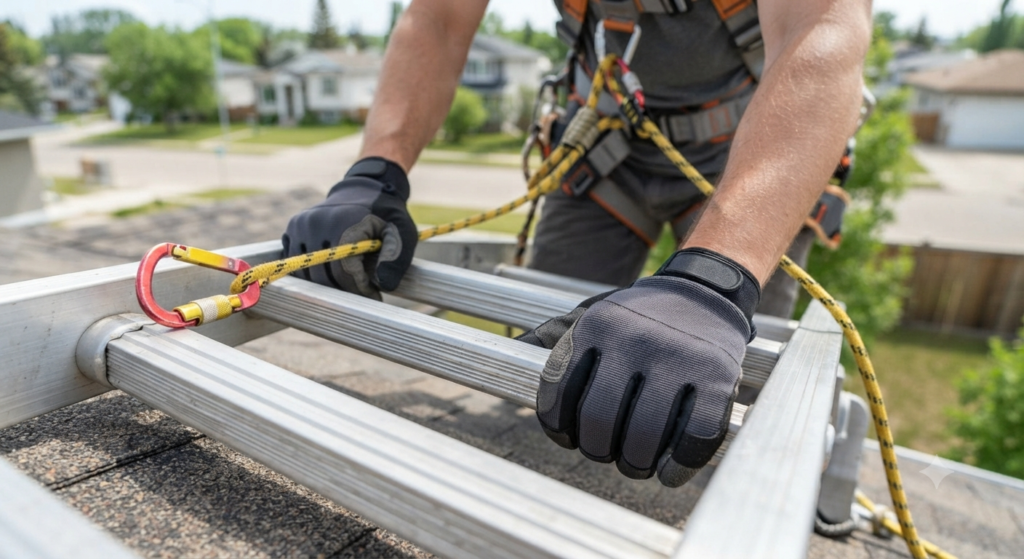
- A second person on the ground acts as a spotter and can help stabilize the base while you position the ladder.
- Rubber-soled boots with good tread work better on sloped surfaces than smooth-bottomed footwear.
- Avoid using a roof ladder during high winds, since gusts can shift your balance unexpectedly at height.
- Inspect the hooks and rungs for rust or bending before every use, particularly if the ladder has been stored outdoors.
Winnipeg’s freeze-thaw cycles can loosen shingles and shift ridge caps over a single season, so it is worth checking your ladder’s anchor point every time rather than assuming last month’s setup is still solid. If you notice soft spots, cracked shingles, or a ridge that feels unstable underfoot, that is usually a sign to step down and call in a professional rather than continuing the job solo.
Common Mistakes To Avoid When Using A Roof Ladder
One frequent mistake is choosing a roof ladder based on price alone without checking whether the hook style actually matches your ridge shape. A mismatched hook can slip under load even if the ladder itself is well built.
Another common issue is skipping the weight rating entirely. People often forget to account for the weight of tools, shingles, or a bucket of debris when calculating how much load the ladder needs to support.
Some homeowners also try to reposition a roof ladder alone on a steep pitch instead of asking someone to help from the ground, which increases the odds of losing balance mid-move. Finally, storing a roof ladder outdoors year-round without checking for rust or warping before the next use is a habit that catches up with people eventually, since Manitoba winters are hard on exposed metal hardware.
For repairs that go beyond routine maintenance, such as replacing damaged sections after a storm, it is often more practical to bring in support rather than push through the job with rented equipment. Reviewing options like shingle roof replacement or general roofers near me searches can point you toward a team that already has the right ladders and safety gear on hand.
Final Word On Picking The Right Roof Ladder
Choosing a roof ladder comes down to matching the hook style, length, and rung design to your roof’s pitch and material, then pairing that choice with basic safety habits like checking the ridge condition and avoiding wet or windy days. A hook-style roof ladder suits most shingle roofs, wheel-assisted models handle steeper pitches, and multi-position designs work best on lower-slope or membrane surfaces.
When the job involves storm damage, a steep second-story pitch, or a roof that feels unstable underfoot, it is worth reaching out to Zega Roofing through the contact page for an inspection before climbing up with a roof ladder on your own. Getting this one tool right protects both your safety and the condition of the roof you are trying to maintain.
Frequently Asked Questions About Roof Ladders
What Is A Roof Ladder Used For?
A roof ladder is used to safely walk, kneel, or crawl across a sloped roof during repairs or inspections. It hooks onto the ridge and lies flat against the surface, spreading your weight so you are not standing directly on shingles or panels.
What Is The Best Ladder For Reaching A Roof?
An extension ladder is best for reaching a roof, while a roof ladder takes over once you are on the slope itself. The two work as a pair, one gets you up, the other keeps you stable while working.
What Is A Roof Ladder Called?
It is most commonly called a roof ladder, though some people refer to it as a ridge ladder or hook ladder because of how it anchors onto the peak of the roof.
What Size Ladder Do I Need For A Roof?
The right roof ladder length should reach from the eave past the ridge line with a few feet to spare for a secure hook placement. Measuring your roof’s slope length before buying prevents an undersized ladder that cannot anchor properly.
What Are The 4 Types Of Ladders?
The four common types are step ladders, extension ladders, multi-position ladders, and roof ladders. Each serves a different purpose, and a roof ladder is the one designed specifically for working on sloped surfaces.