
The most common commercial roofing solutions are single-ply membranes (TPO, EPDM, and PVC), modified bitumen, built-up roofing, spray polyurethane foam, and metal roofing. The best commercial roofing solution depends on your roof’s slope, how the building is used, the condition of the existing roof, and how well the system handles Winnipeg’s snow, wind, and freeze-thaw cycles.
Most commercial buildings in Winnipeg have flat or low-slope roofs, so membrane systems cover the majority of projects. Metal is the main choice when the roof has enough pitch. Each system has a clear set of strengths, weak points, and situations where it makes the most sense.
What Are the Main Commercial Roofing Options?
Commercial roofing systems fall into three broad groups. Single-ply membranes are large sheets laid over insulation. Multi-ply asphalt systems build up waterproofing in layers. Then there are specialty systems like spray foam and metal.
TPO (Thermoplastic Polyolefin)
TPO is a single-ply thermoplastic membrane, usually white, with seams that are heat-welded together. The reflective surface helps limit heat gain in summer, and welded seams form a continuous waterproof layer. TPO is a common pick for warehouses, retail plazas, and office buildings with large, open roof areas.
EPDM (Rubber Roofing)
EPDM is a synthetic rubber membrane, typically black, that stays flexible in very cold temperatures. That flexibility is a real advantage in Manitoba, where roofs expand and contract with big temperature swings. Seams are joined with tape or adhesive rather than heat, so seam quality depends heavily on careful installation.
PVC (Polyvinyl Chloride)
PVC is another heat-welded single-ply membrane. It resists grease, oils, and many chemicals, which is why restaurants, food processing plants, and some industrial buildings choose it. It usually costs more upfront than TPO or EPDM, but it makes sense where rooftop exhaust or chemical exposure would break down other membranes.
You can read more about how these sheet systems work in our article on roof membrane types and how they perform.
Modified Bitumen
Modified bitumen is an asphalt-based roofing material reinforced with polymers and installed in two or more plies. It can be torch-applied, cold-applied, or self-adhered. The multi-layer build gives strong puncture resistance, so it works well on roofs with regular foot traffic from service technicians.
Built-Up Roofing (BUR)
Built-up roofing alternates layers of bitumen and reinforcing felts, often finished with gravel. It is one of the oldest commercial roofing methods and offers a thick, durable surface. The trade-off is weight and a slower, more labour-intensive installation, so the roof structure must be able to carry the load.
Spray Polyurethane Foam (SPF)
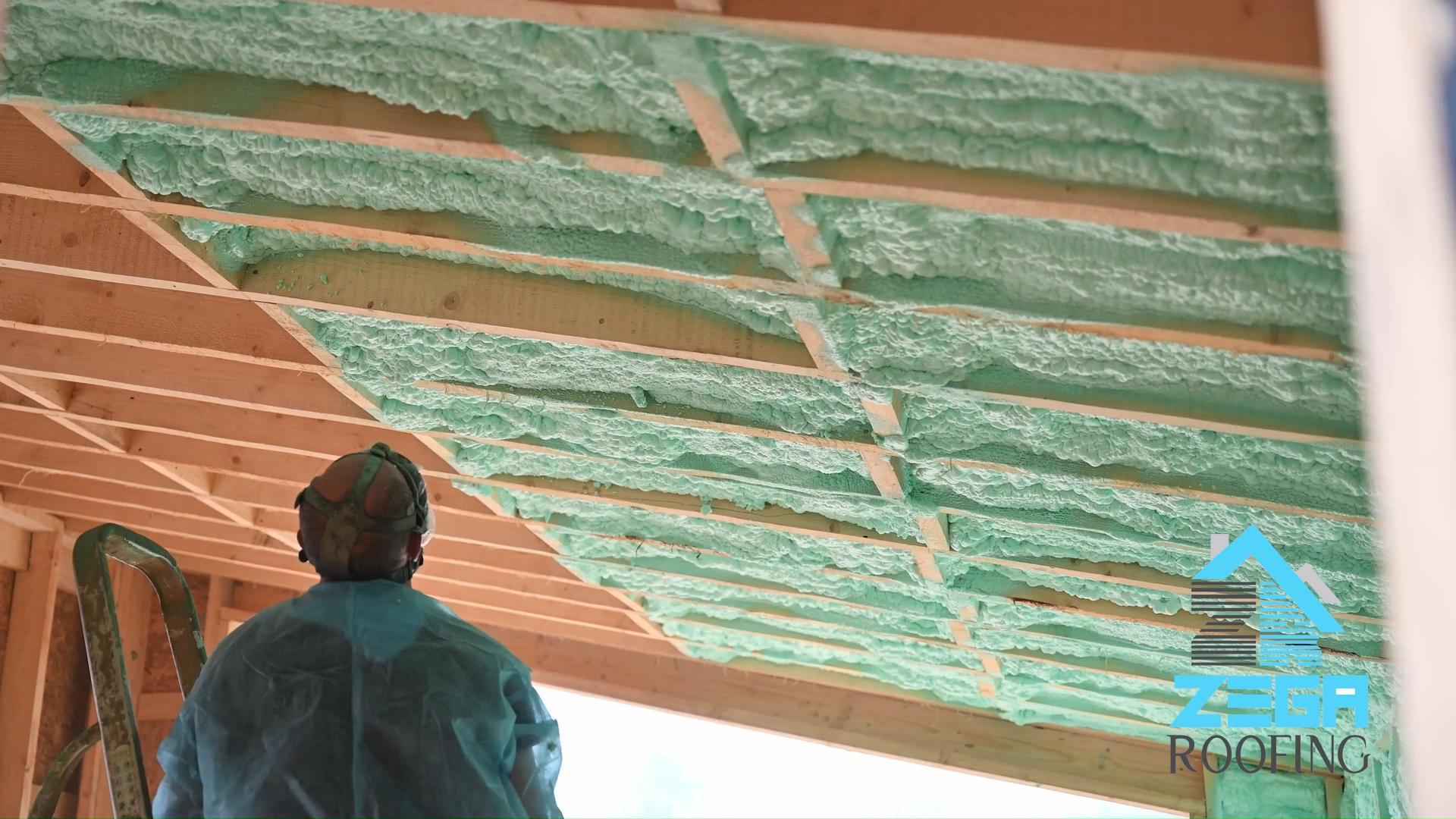
SPF is sprayed on as a liquid that expands into a seamless layer of foam. It adds insulation and waterproofing in one system and fills irregular shapes and penetrations well. It needs a protective coating to shield it from UV exposure, and installation depends on dry conditions and suitable temperatures.
Metal Roofing
Standing seam and other metal panel systems are used on commercial roofs with enough slope to shed water. Metal sheds snow well, lasts a long time, and resists fire. It needs careful attention to fastening, expansion, and condensation control underneath the panels.
Roof Coatings and Restoration
Coatings are not a separate roof type. They are a restoration option applied over an existing roof that is still structurally sound and dry. A coating can extend the service life of an aging membrane or metal roof, but it cannot fix wet insulation or a failing deck.
| Roofing System | Best Fit | Key Strengths | Watch-Outs | Relative Upfront Cost |
|---|---|---|---|---|
| TPO | Large flat roofs, warehouses, retail | Reflective, heat-welded seams | Installer skill affects seam quality | Lower to moderate |
| EPDM | Flat roofs in cold climates | Stays flexible in extreme cold | Taped seams need careful detailing | Lower to moderate |
| PVC | Restaurants, industrial buildings | Grease and chemical resistance | Higher material cost | Moderate to higher |
| Modified Bitumen | Roofs with frequent foot traffic | Multi-ply, puncture resistant | Torch work needs strict safety controls | Moderate |
| Built-Up Roofing | Heavy-duty flat roofs | Thick, durable layered system | Heavy and slower to install | Moderate to higher |
| Spray Foam (SPF) | Irregular roofs, insulation upgrades | Seamless, adds insulation | Needs coating and good weather to install | Moderate to higher |
| Metal | Sloped commercial roofs | Sheds snow, long service life | Needs adequate slope and condensation control | Higher |
Low-Slope vs. Steep-Slope Commercial Roofs
Roof slope narrows the list of options quickly. Flat and low-slope roofs need a continuous waterproof membrane because water drains slowly toward internal drains, scuppers, or gutters. Shingles and most metal panels are not designed to hold back standing water.
Sloped commercial roofs, such as those on churches, some offices, and mixed-use buildings, can use metal panels or asphalt shingles. These roofs move water off quickly, which reduces the risk of ponding. Many commercial properties have both, with a flat main roof and sloped sections over entrances or additions, so a single building may need two different commercial roofing solutions.
How Winnipeg Weather Affects Commercial Roofing Solutions
Manitoba winters put a different kind of stress on flat commercial roofs than on sloped homes. Snow does not slide off a flat roof. It sits there, drifts against parapet walls and rooftop units, and adds load until it melts or is removed.
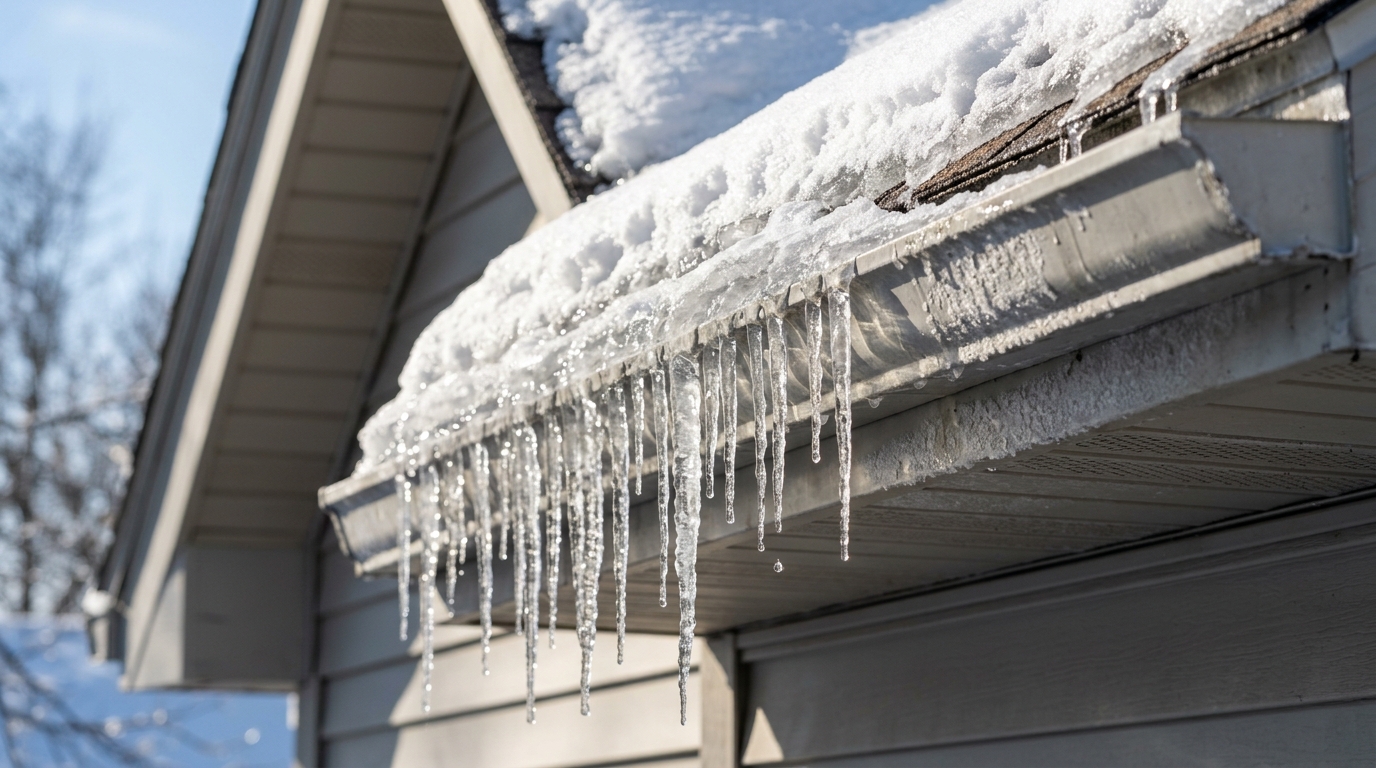
Freeze-thaw cycles are the other major concern. Meltwater that collects around drains or low spots can refreeze overnight and work its way into seams, flashings, and penetrations. Over several seasons, that repeated movement opens small gaps that turn into leaks. The roof edges and transitions are especially vulnerable, which is why proper roof edge flashing details matter so much on commercial buildings.
Wind is also a factor on large, open roofs. Wind moving across a flat roof creates suction that tries to lift the membrane, especially at corners and perimeters. The National Research Council Canada has developed testing and design tools for wind uplift on roofing systems, and that work shapes how membranes are attached and how perimeter areas are reinforced.
For Winnipeg buildings, the strongest commercial roofing solutions usually share a few traits. They have well-sealed seams, good drainage that prevents ponding and ice, enough insulation to limit melt-and-refreeze cycles, and solid detailing at every edge and penetration.
How to Choose the Right Commercial Roofing Solution
No single system is best for every building. The right choice comes from matching the roof to how the property actually works.
Building Use
A restaurant with kitchen exhaust on the roof has different needs than a storage warehouse. Grease exposure points toward PVC. Heavy rooftop traffic from HVAC servicing points toward modified bitumen or a thicker membrane with walkway pads.
Roof Structure and Slope
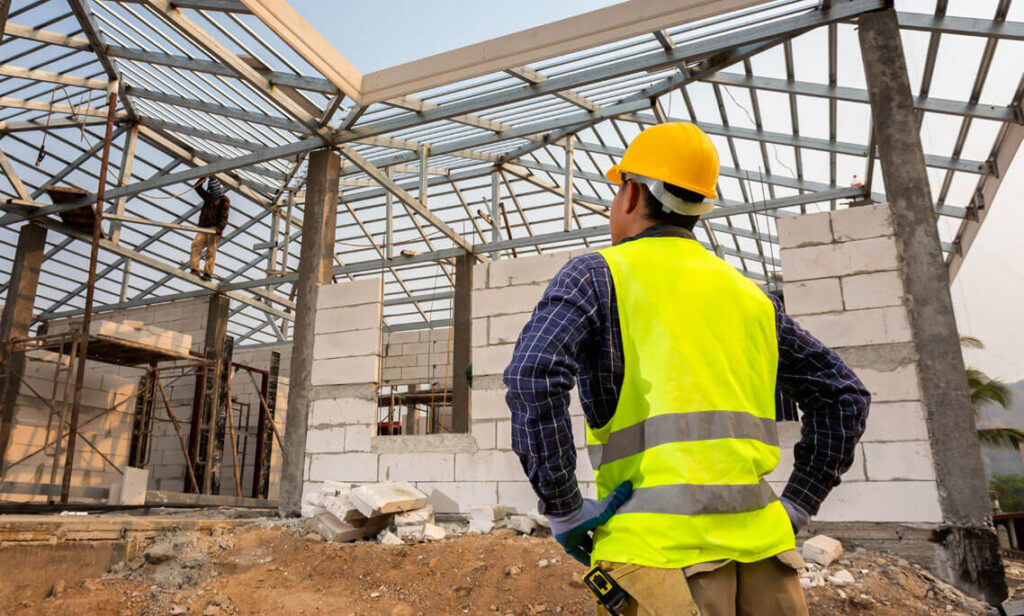
The deck type and its load capacity limit what can go on top. A heavy built-up roof may not suit a lighter steel deck, while a sloped roof opens up metal options.
Condition of the Existing Roof
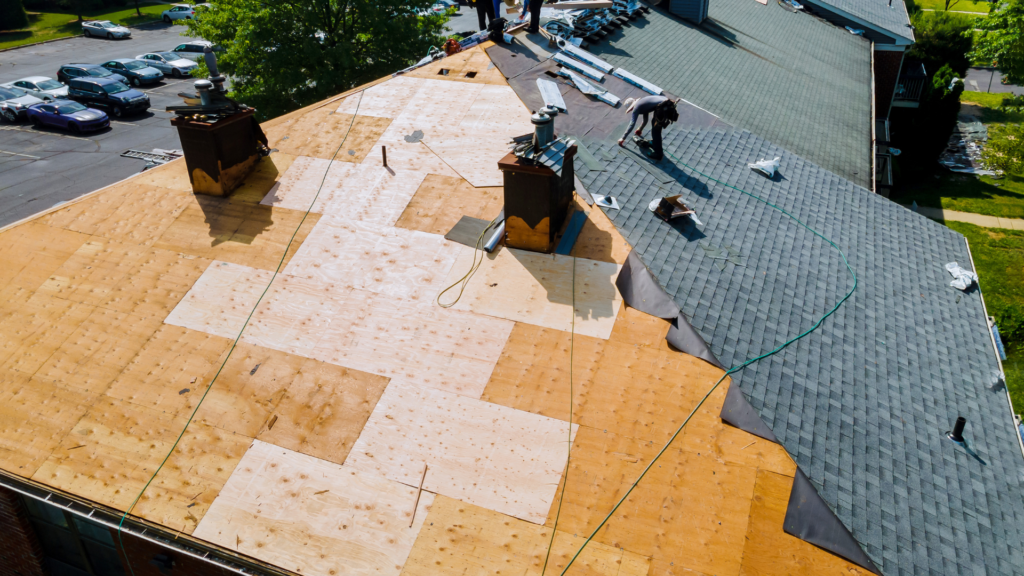
If the insulation underneath is dry and the deck is sound, a recover or coating may be possible. If moisture has soaked the insulation, a full tear-off is usually needed, because trapping wet material under a new roof leads to more damage.
Long-Term Cost, Not Just Upfront Price
A lower-cost membrane may need more frequent maintenance or an earlier replacement. Comparing expected service life, maintenance needs, and energy performance gives a more accurate picture than the installation quote alone.
Insulation and Energy Performance
Commercial roof replacement is the easiest time to upgrade insulation. Better insulation reduces heating costs in winter and helps keep the roof surface colder, which cuts down on snowmelt that refreezes at drains and edges.
Repair, Restore, Recover, or Replace?
Choosing a commercial roofing option is not always about installing a brand-new system. Depending on the roof’s condition, a smaller intervention may be the smarter move. Many owners start by looking into commercial roofing repairs before committing to a full replacement.
| Roof Condition | Approach Often Considered | Why It May Fit |
|---|---|---|
| Isolated leaks, sound membrane | Repair | Fixes the problem without replacing a roof with life left |
| Aging but dry membrane, minor surface wear | Restoration coating | Extends service life at a lower cost than replacement |
| Worn surface, dry insulation, one existing layer | Recover | Adds a new membrane over the old roof without full tear-off |
| Wet insulation, deck damage, repeated failures | Full replacement | Removes trapped moisture and resets the whole system |
| Change in building use or major rooftop changes | Replacement with a new system | Lets the roof match new loads, equipment, or exposure |
A professional inspection, sometimes with moisture testing, is the most reliable way to tell which of these situations applies. Surface appearance alone does not show whether insulation below the membrane is wet.
Things To Know
- Most Winnipeg commercial buildings have low-slope roofs, so membrane systems are the most common choice.
- TPO and EPDM are popular general-purpose options, while PVC is usually chosen for grease or chemical exposure.
- Seams, flashings, drains, and roof edges are where most commercial roof leaks begin.
- Ponding water is a bigger problem in Manitoba because it can freeze, expand, and stress seams.
- Snow drifts near parapets and rooftop units can add significant load, so snow should be monitored after heavy storms.
- Wet insulation usually means a recover or coating is not the right option.
- Upgrading insulation during replacement can reduce heating costs and ice problems at the same time.
- Regular inspections in spring and fall catch small problems before winter makes them worse.
Choosing Commercial Roofing Solutions That Fit Your Building
The right commercial roofing solution is the one that matches your roof’s slope, structure, use, and exposure to Manitoba weather. TPO, EPDM, PVC, modified bitumen, built-up roofing, spray foam, and metal can all perform well when installed on the right building and maintained properly. Problems usually start when the system does not suit the building, or when drainage, seams, and edges are not detailed for snow, ice, and wind.
Before choosing, look at the roof’s current condition, how the building is used, and what the roof will need to handle over the next few decades. You can see examples of past projects in our roofing project gallery and check whether your property falls within our Winnipeg and Manitoba service areas.
If you have questions about your commercial roof, need help assessing a roofing concern, or want to compare your options, contact Zega Roofing or call +1 204-997-2697.
Frequently Asked Questions About Commercial Roofing Options
What is the best roofing system for a commercial building?
There is no single best system. The right choice depends on the roof’s slope, building use, and climate exposure. TPO and EPDM suit many flat commercial roofs, PVC is better where grease or chemicals are present, and metal works well on sloped roofs. A roof assessment helps match the system to the building.
What is the most common type of commercial roof?
Single-ply membranes such as TPO and EPDM are among the most common commercial roofs. They cover large flat areas efficiently and suit most low-slope buildings. Modified bitumen and built-up roofing are also widely used, especially on older buildings or roofs with heavy foot traffic.
How long does a commercial roof last?
Most commercial roofs last for decades when installed correctly and maintained regularly. Service life varies by system, installation quality, drainage, and exposure to snow, ice, and rooftop traffic. Routine inspections and prompt repairs are the biggest factors an owner can control.
Is TPO or EPDM better for commercial roofs in cold climates?
EPDM stays more flexible in extreme cold, while TPO offers heat-welded seams and a reflective surface. Both can perform well in Winnipeg when installed properly. The better choice depends on roof size, seam detailing, rooftop equipment, and energy goals.
Can a new commercial roof be installed over an existing one?
Sometimes, if the existing roof and insulation are dry and the structure can carry the extra weight. This approach is called a recover. If the insulation is wet or the deck is damaged, a full tear-off is usually the better option to avoid trapping moisture.