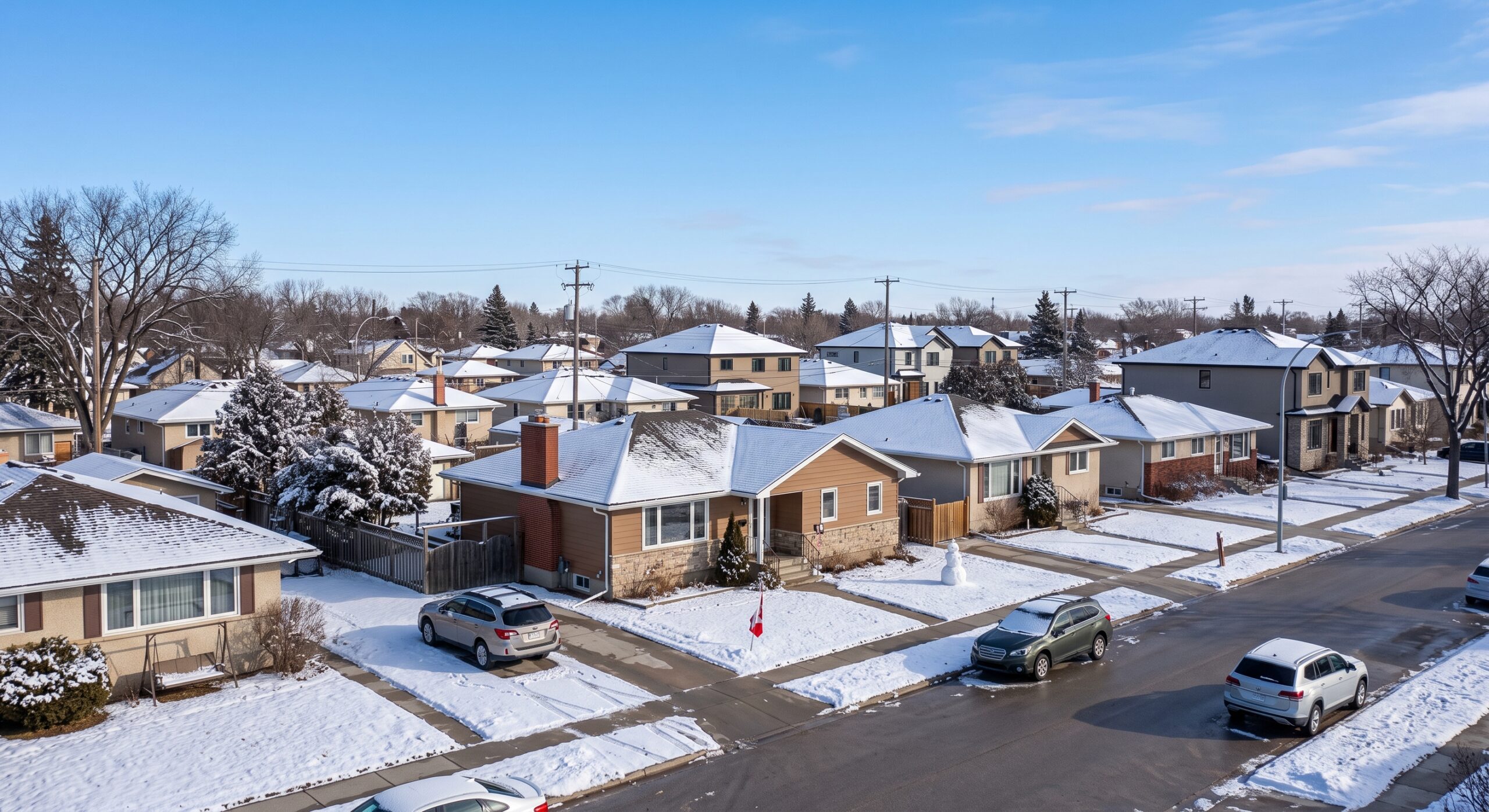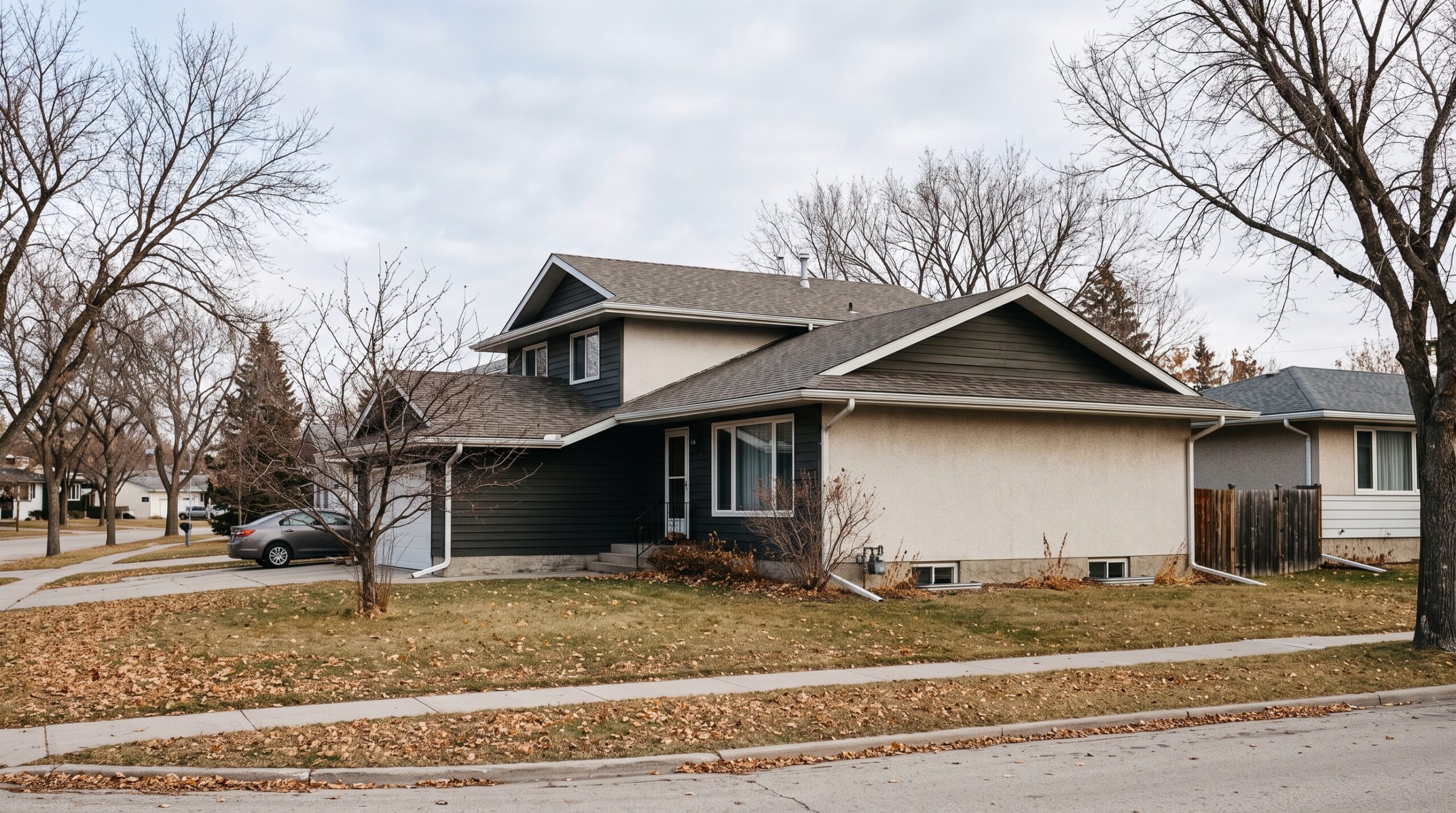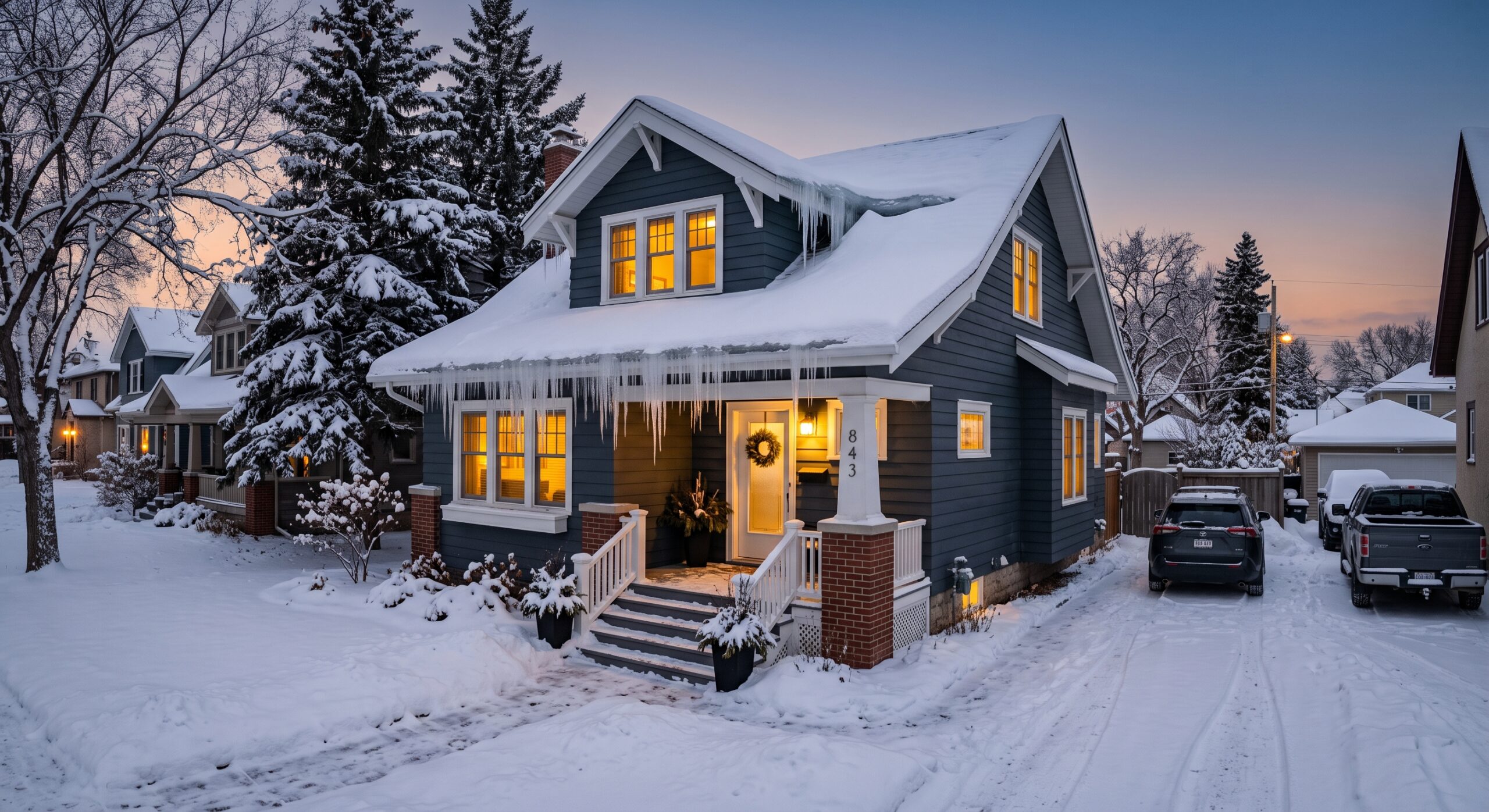
Roofing asphalt is one of the most popular and reliable materials used on residential and commercial properties across Canada, and for good reason. It offers strong weather resistance, affordability, and a proven track record in climates that experience extreme cold, heavy snow, and intense summer heat.
Whether you are building a new home in Winnipeg or replacing an aging roof, it remains the go-to choice for homeowners who want long-term protection without breaking the bank. This material comes in several forms, including shingles and built-up membrane systems, each suited to different roof types and budgets.
Choosing the right product depends on your property’s structure, your local climate, and how long you want the roof to last.
From understanding the different grades to knowing when a full replacement is needed, this content covers everything Canadian homeowners need to know about roofing asphalt, its advantages, potential drawbacks, and practical installation tips that make a real difference.
How Roofing Asphalt Protects Your Home
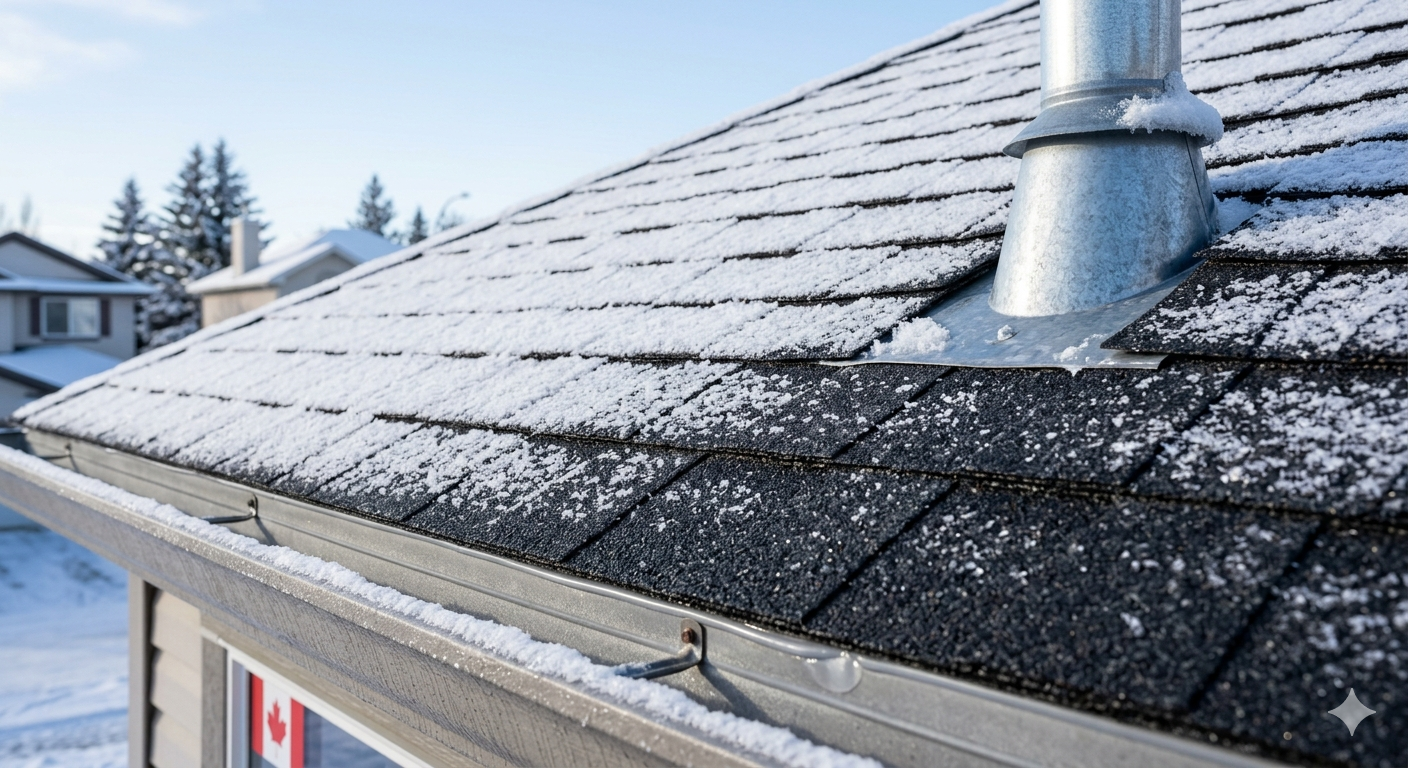
It works as a protective barrier between your property and the elements. The material is designed to repel water, resist wind uplift, and withstand temperature fluctuations that are common in Canadian provinces like Manitoba.
When applied as shingles, roofing asphalt creates an overlapping pattern that channels rainwater and snowmelt off the roof surface, preventing leaks and moisture damage to the underlying deck structure.
In flat roof applications, roofing asphalt is typically used in built-up roofing (BUR) systems where multiple layers of asphalt-saturated felt are bonded together with hot or cold asphalt.
This layered approach creates a thick, seamless membrane that keeps water out even on low-slope surfaces. For homeowners in Winnipeg, where freeze-thaw cycles can wreak havoc on roofing materials, asphalt provides the flexibility needed to expand and contract without cracking or splitting.
Beyond waterproofing, roofing asphalt also offers fire resistance when paired with fibreglass mat reinforcement. Many modern asphalt shingles carry a Class A fire rating, which is the highest available for roofing materials. This added safety feature makes roofing asphalt a smart pick for families who want peace of mind on top of durability.
If you are considering a roofing installation in Winnipeg, working with a qualified contractor ensures the asphalt is applied correctly and performs at its best for decades.
Types of Roofing Asphalt You Should Know
Not all roofing asphalt products are the same. The type you choose affects how long your roof lasts, how it looks, and how well it handles your local weather conditions. Below are the main categories Canadian homeowners should be familiar with.
Three-Tab Shingles
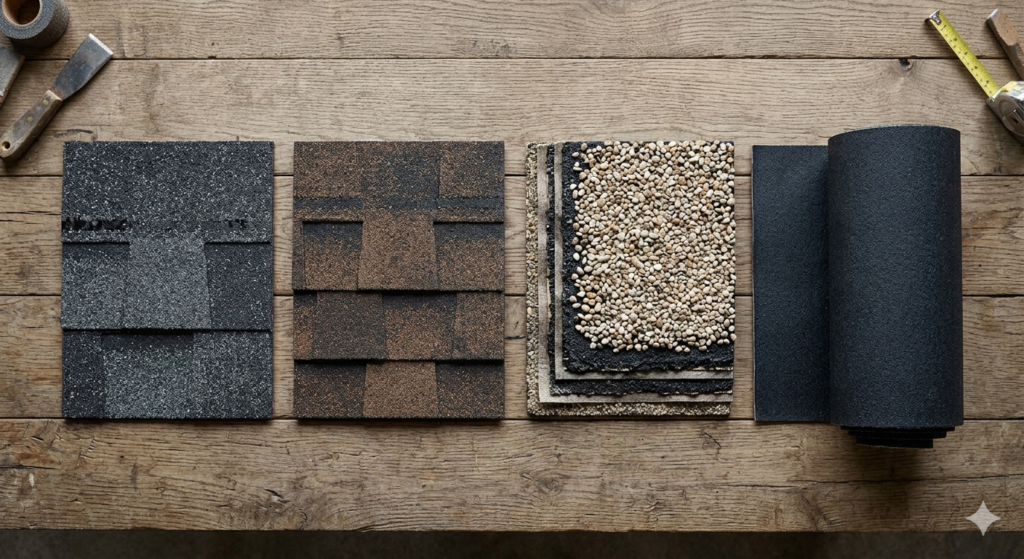
Three-tab shingles are the most basic and budget-friendly form of roofing asphalt. Each shingle has three evenly spaced tabs that create a flat, uniform appearance once installed. They typically last between 15 and 20 years and work well for homeowners looking for a cost-effective solution.
Architectural (Dimensional) Shingles
Architectural shingles are thicker and more textured than three-tab options. They are made with multiple layers of roofing asphalt bonded together, which gives them a dimensional, more visually appealing look. These shingles generally last 25 to 30 years and offer better wind resistance, making them a popular choice in areas with strong seasonal storms.
Built-Up Roofing (BUR) Systems
Built-up roofing systems use alternating layers of roofing asphalt and reinforcing fabric to create a durable, multi-ply membrane. This method is primarily used on flat or low-slope commercial roofs. BUR systems are known for their longevity, with some lasting 20 to 30 years when properly maintained.
Modified Bitumen
Modified bitumen is a type of roofing asphalt that has been enhanced with rubber or plastic polymers. These additives improve the material’s flexibility and resistance to extreme temperatures. Modified bitumen rolls are commonly torch-applied or self-adhered, and they perform exceptionally well in cold Canadian climates.
Roofing Asphalt Grades and Their Uses
It is classified into different grades based on its softening point and intended application. Understanding these grades helps you and your contractor select the right product for your specific roof.
| Grade | Softening Point | Best Application |
| Type I | Lowest softening point | Flat roofs in moderate climates |
| Type II | Low to moderate softening point | Inclined surfaces with slight slope |
| Type III | Moderate softening point | Steep-slope roofs in variable climates |
| Type IV | Highest softening point | Steep roofs in hot climates |
Type III roofing asphalt is the most commonly used grade in Canada because it suits steep-slope applications and handles temperature swings effectively. It has a moderate softening point, which means it stays firm enough in summer heat while remaining flexible enough to resist cracking during frigid Manitoba winters. For most residential roofing asphalt projects in Winnipeg, Type III hits the sweet spot between performance and versatility.
Choosing the correct grade matters because using the wrong one can lead to premature aging, blistering, or slipping of the shingles. A licensed roofing professional can assess your roof’s pitch and exposure to recommend the ideal grade for your situation.
Benefits of Choosing Roofing Asphalt for Canadian Homes
There are several reasons why roofing asphalt continues to dominate the Canadian residential market. Here is a closer look at the key advantages.
It is one of the most affordable roofing materials available, especially when compared to metal, slate, or clay tile alternatives. The lower material and labour costs make it accessible for homeowners on a wide range of budgets. On top of that, roofing asphalt is relatively easy to install, which means shorter project timelines and less disruption to your daily life.
Durability is another significant advantage. Modern roofing asphalt shingles are engineered to resist wind speeds of up to 210 km/h in some product lines, and they hold up well against hail, rain, and UV exposure. When properly installed and ventilated, a roofing asphalt system can protect your home for 20 to 50 years depending on the product type.
Aesthetic versatility also sets roofing asphalt apart. Shingles are available in dozens of colours and textures, allowing homeowners to match their roof to the architectural style of their property. Whether you prefer a classic charcoal tone or a warm cedar blend, there is a roofing asphalt option that fits your vision.
Finally, roofing asphalt is widely recyclable in Canada. Old shingles can be repurposed into road paving material, which reduces landfill waste and supports sustainable construction practices.
For homeowners who want to explore different shingle roof replacement options, asphalt remains the most practical and proven choice in Winnipeg.
Things To Know About Roofing Asphalt
Before committing to a roofing asphalt project, there are several practical details that every homeowner should keep in mind. These tips can save you time, money, and headaches down the road.
Proper attic ventilation is essential for any roofing asphalt system. Without adequate airflow, heat and moisture can build up under the shingles, causing them to age faster and potentially leading to ice dams during winter. Make sure your soffit vents and ridge vents are clear and functioning before installation begins.
Underlayment is just as important as the shingles themselves. A high-quality synthetic or felt underlayment adds an extra layer of waterproofing beneath the roofing asphalt, protecting the roof deck from leaks if a shingle gets damaged or blown off.
It performs best when installed in temperatures above 5 degrees Celsius. In colder weather, the adhesive strips on the shingles may not seal properly, which can lead to wind damage. If you need a winter installation in Winnipeg, your contractor should use hand-sealing techniques to ensure each shingle bonds securely.
Regular maintenance extends the life of a roofing asphalt roof significantly. Schedule annual inspections to check for cracked, curled, or missing shingles, and clear debris from valleys and gutters to prevent water pooling. Catching small issues early prevents them from becoming expensive repairs later.
For pricing details on a roofing asphalt project in your area, contact Zega Roofing directly at +1 204-997-2697 for a free inspection and honest estimate.
Roofing Asphalt vs. Other Roofing Materials
Choosing a roofing material is a big decision, and understanding how roofing asphalt stacks up against the alternatives helps you make a more informed choice.
| Feature | Roofing Asphalt | Metal Roofing | Cedar Shake |
| Average Lifespan | 20 to 50 years | 40 to 70 years | 20 to 40 years |
| Upfront Cost | Low to moderate | High | High |
| Maintenance Needs | Moderate | Low | High |
| Wind Resistance | Up to 210 km/h | Excellent | Moderate |
| Fire Resistance | Class A (with fibreglass) | Non-combustible | Low (unless treated) |
| Recyclability | Yes | Yes | Limited |
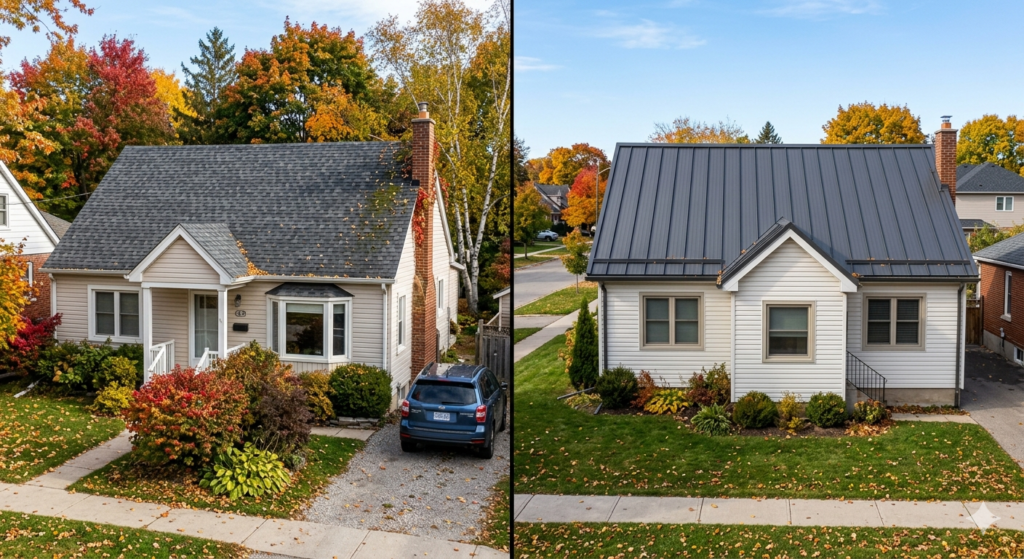
While metal roofing lasts longer, its upfront cost is significantly higher, which puts it out of reach for many homeowners. Cedar shake offers a beautiful natural look but requires frequent maintenance and is more vulnerable to moisture and insects. Roofing asphalt strikes a balance between cost, durability, and appearance that makes it the best option for the majority of Canadian residential properties.
For homeowners interested in comparing roofing asphalt with other solutions for their specific property, consulting with a local expert ensures you get tailored advice. You can also check out our gallery to see examples of completed roofing asphalt projects in Winnipeg.
When Should You Replace Your Roofing Asphalt?
Knowing when to replace your roofing asphalt prevents costly water damage and structural issues. Most asphalt shingle roofs show visible signs of wear before they fail completely, so paying attention to your roof’s condition is key.
Curling or buckling shingles are one of the earliest indicators that your roofing asphalt is reaching the end of its lifespan. When shingles start to curl at the edges or lift in the middle, they lose their ability to shed water effectively. Another telltale sign is granule loss, which you can spot by checking your gutters for small, sand-like particles. As roofing asphalt shingles age, they shed their protective granule coating, leaving the underlying material exposed to UV damage.
Dark streaks or moss growth on the roof surface suggest moisture is being retained, which accelerates deterioration. If your roof is more than 20 years old and you notice any of these symptoms, it is likely time for a replacement rather than a patch job.
Missing or cracked shingles after a storm also call for immediate attention. Even a few damaged shingles can allow water to seep into the roof deck, leading to rot and mould problems that are far more expensive to fix.
For a professional assessment of your roofing asphalt condition, scheduling a residential roof installation consultation with a trusted local contractor is the smartest first step.
Your Winnipeg Roofing Professionals
Zega Roofing is a trusted Canadian roofing company with 25 years of experience helping property owners in Winnipeg and surrounding areas. From minor leak repairs to complete roofing asphalt replacements, the team at Zega Roofing delivers expert craftsmanship, quality materials suited for Manitoba’s climate, and honest communication throughout every project. Whether you need a roof inspection, emergency repair, or full installation, Zega Roofing provides licensed, insured, and dependable service. Call +1 204-997-2697 for a free roofing inspection today.
Frequently Asked Questions About Roofing Asphalt
What is asphalt in roofing?
Asphalt in roofing is a petroleum-based material used to manufacture shingles and waterproof membranes that protect buildings from weather damage. It is applied in various forms, including shingles for sloped roofs and built-up systems for flat roofs. The material’s water-repelling properties and flexibility make it ideal for Canadian climates where temperature extremes are common.
What is type 3 asphalt?
Type 3 asphalt is a roofing-grade material with a moderate softening point, designed primarily for steep-slope roof applications. It is the most commonly used grade in Canada because it balances flexibility in cold weather with stability during warm months. Contractors in Winnipeg frequently recommend Type 3 for standard residential shingle installations.
What are the three types of roofing?
The three main types of roofing are sloped (pitched), flat (low-slope), and combination roofs. Sloped roofs use materials like roofing asphalt shingles, while flat roofs often rely on built-up asphalt membranes or modified bitumen. Combination roofs feature both sloped and flat sections, requiring different roofing asphalt products for each area.
Is asphalt good for a roof?
Yes, asphalt is an excellent roofing material because it is affordable, durable, and available in many styles. Roofing asphalt shingles can last 20 to 50 years depending on the product and proper installation. They resist wind, fire, and moisture effectively, which makes them one of the most reliable choices for Canadian homeowners.
What is asphalt used for in roofing?
Asphalt is used in roofing to create waterproof barriers through shingles, roll roofing, and built-up membrane systems. It serves as the primary binding and waterproofing agent that keeps moisture from penetrating the roof structure. Roofing asphalt is also used in underlayment products and flashing cement to seal vulnerable areas around chimneys, vents, and edges.