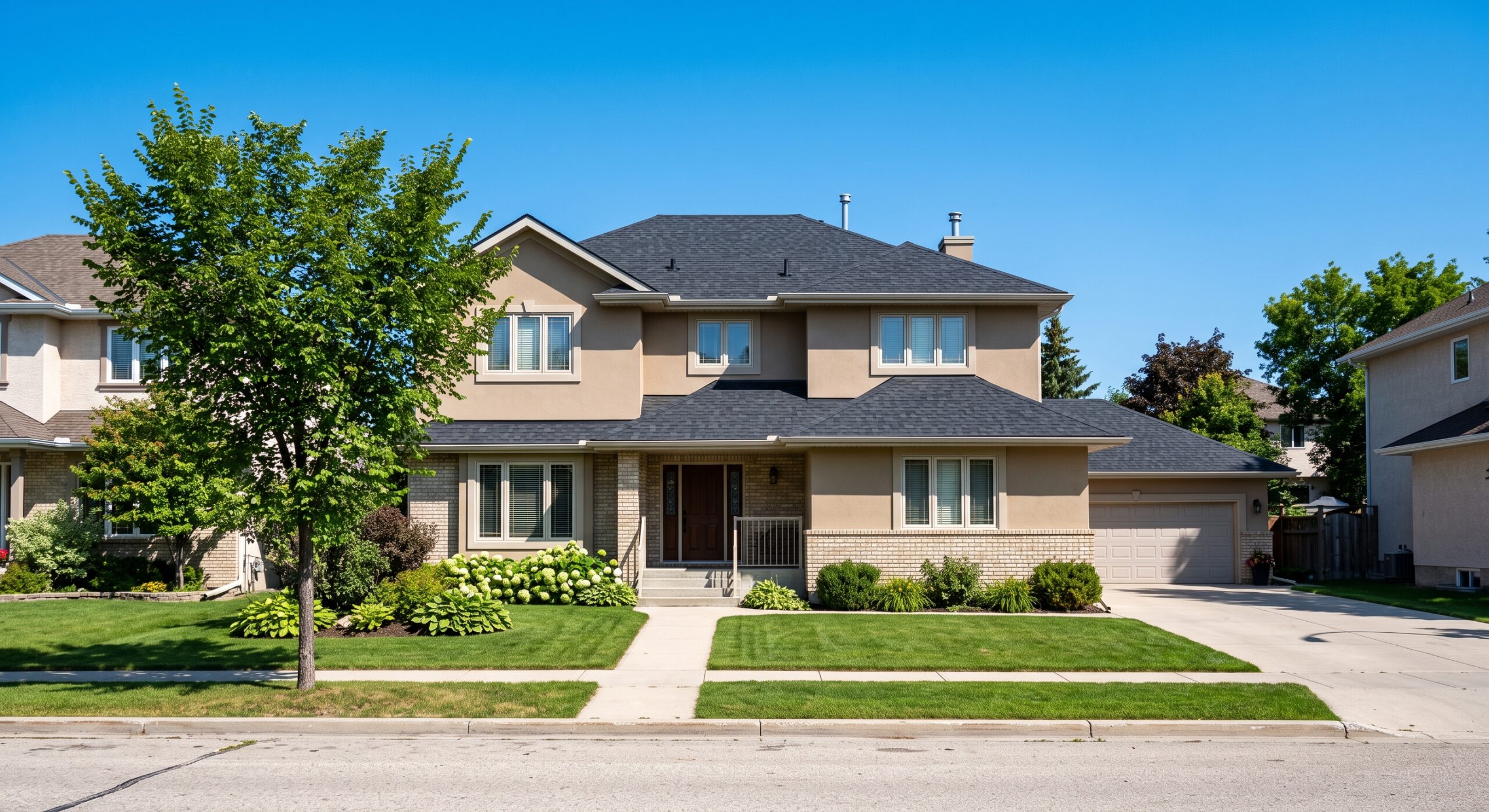
Roofing financing is basically any way to pay for a roof job over time instead of handing over the full amount at once, and in Winnipeg that usually means a contractor payment plan, a personal loan, a home equity line of credit, or a rebate program tied to energy upgrades.
Most homeowners end up mixing two of these, like using a line of credit for the bulk of the job and a rebate to knock a bit off the top. So if your roof just failed after a wind storm or you’re planning ahead for spring, there’s a real chance one of these routes fits your budget better than draining your savings account in one shot.
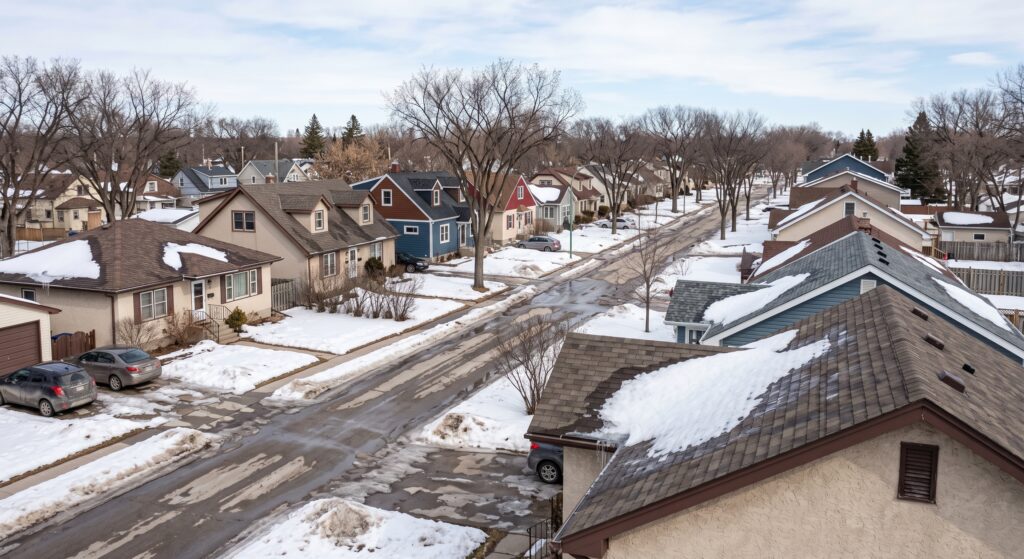
Winnipeg roofs take a beating. Between the freeze thaw cycles every spring, the summer hail, and winds that seem to come out of nowhere, a roof here doesn’t always fail on a convenient schedule.
That’s exactly why roofing financing matters so much in this city specifically, not just as a nice-to-have but as something that keeps people from putting off repairs they can’t actually afford to delay.
Why Roofing Financing Matters So Much Here
A leaking roof doesn’t wait for payday. And in Manitoba, ice damming and sudden hail damage can turn a small issue into a bigger one within a season if it’s ignored. Roofing financing gives homeowners a way to act fast without scrambling for cash they don’t have sitting around.
There’s also the timing problem. Spring and early summer are the busiest months for roofers in Winnipeg, and prices can shift depending on demand and material availability.
Being able to move forward on financing means you’re not stuck waiting an extra year just to save up, which honestly can mean more damage and a pricier repair down the road.
How Roofing Financing Actually Works
Most roofing financing falls into a handful of categories, and each one works a little differently depending on your credit, your timeline, and how big the job is.
Contractor payment plans are offered directly through the company doing the work. Some partner with third party lenders to approve homeowners on the spot, often with zero percent introductory periods.
Personal loans come from a bank or credit union and aren’t tied to the roofing company at all, so you can shop around for the best rate. A home equity line of credit, or HELOC, taps into the equity you’ve built in your house and usually comes with lower interest than a personal loan, though it takes longer to set up.
And then there are rebate or energy incentive programs, which don’t cover the whole cost but can offset it if your new roof includes better insulation or reflective materials.
Questions to Ask Before You Sign Anything
- Is the interest rate fixed or does it change after an introductory period?
- Are there penalties for paying the balance off early?
- Does the financing require a lien on your home, like with a HELOC?
- What happens if the roofing company goes out of business mid project?
- Is the rebate program still accepting applications for this year?
Getting straight answers to these before committing saves a lot of headaches later. A lot of homeowners skip this step because they’re stressed about the roof itself, but it’s worth the extra ten minutes.
| Financing Type | Typical Term | Best For | Watch Out For |
| Contractor Payment Plan | 6 to 24 months | Smaller repairs, fast approval | Deferred interest clauses |
| Personal Loan | 1 to 5 years | Full replacements, fixed budget | Higher rates without collateral |
| Home Equity Line of Credit | 5 to 10 years | Large projects, lower rates | Uses your home as collateral |
| Energy Rebate Program | Varies by program | Insulation or reflective roofing upgrades | Doesn’t cover full project cost |
Which Roofing Financing Option Actually Fits Your Situation
This is where it gets personal, because the best roofing financing choice really depends on why you need a new roof in the first place.
If you’ve got storm damage and need something done in the next week or two, a contractor payment plan is usually the fastest path since approval can happen the same day.
If you’re planning a full tear off and replacement for next spring and have a bit of lead time, a personal loan or HELOC gives you room to shop rates and lock in something more favorable.
And if your project includes attic insulation or spray foam upgrades alongside the new roof, pairing that work with a rebate program can make the roofing financing side of things noticeably lighter.
Here’s a quick breakdown for common scenarios homeowners run into around Winnipeg.
| Scenario | Recommended Option | Why It Fits |
| Emergency storm repair | Contractor Payment Plan | Fast approval, work starts sooner |
| Planned full replacement | Personal Loan or HELOC | Time to compare rates |
| Insulation upgrade paired with roof | Energy Rebate Program | Reduces overall project cost |
| Tight monthly budget | Longer term HELOC | Lower monthly payments |
Zega Roofing works with homeowners across a range of budgets, and part of that conversation usually includes walking through which financing route makes the most sense for the specific job at hand, since a small patch repair and a full tear off aren’t going to line up with the same plan.
Things To Know Before You Move Forward
There are a few practical things that tend to surprise people once they actually start the roofing financing process.
Your credit score plays a bigger role than most people expect, even with contractor plans. A score in the high 600s or above usually opens up better rates, while lower scores might still qualify but with steeper interest.
Also, some rebate programs have limited funding each year, so applying early in the season matters more than people think. And warranty coverage sometimes gets tied to financing terms too, meaning if you pay off early or switch lenders, you’ll want to double check that your roof warranty isn’t affected.
One more thing worth mentioning, get multiple quotes before locking into financing through just one contractor. It’s not that contractor plans are bad, but comparing at least two or three options gives you leverage and a clearer sense of whether the rate you’re being offered is actually competitive.
If your project includes broader home upgrades, it can help to look at your areas we serve coverage first, since financing terms and rebate eligibility can shift slightly depending on your specific neighborhood or municipality around Winnipeg.

Wrapping Things Up
At the end of the day, roofing financing exists so a damaged or aging roof doesn’t turn into a bigger problem just because the upfront cost feels overwhelming. Whether that means a fast contractor plan for storm damage, a personal loan for a planned replacement, or a HELOC paired with a rebate for a bigger energy focused project, there’s usually a path that fits your specific budget and timeline.
If you want to see examples of past projects before deciding on financing, our roofing project gallery shows a range of repairs and full replacements completed around Winnipeg.
And if you’re weighing a shingle upgrade against a full tear off, this piece on shingle roof replacement breaks down what typically factors into that decision. For homeowners further along in planning a full new build or major overhaul, our guide on residential roof installation covers what the process usually looks like from start to finish.
For general information on federal home renovation savings programs that sometimes overlap with roofing upgrades, the Canada Greener Homes program is worth a look before you finalize any financing decision.
If you’ve got questions about roofing financing, timelines, or just want a straight answer on what a repair or replacement might involve for your home, contact our roofing team or give us a call at +1 204-997-2697. We’re happy to walk through your options with no pressure attached.
Frequently Asked Questions
Can I get roofing financing with bad credit?
Yes, though options are more limited and rates tend to be higher. Some contractor payment plans still approve lower credit scores, just expect less favorable terms compared to someone with strong credit.
Does roofing financing cover emergency repairs?
Most contractor payment plans do cover emergency repairs. Approval is often quick since the lender knows the work needs to happen right away, which makes this option popular after storm damage.
Is a HELOC better than a personal loan for a new roof?
A HELOC usually offers lower interest but takes longer to set up. Personal loans are faster to access, so the better choice depends on how urgent your timeline is.
Are there rebates that reduce roofing financing costs?
Some energy efficiency programs offer partial rebates for insulation or reflective roofing upgrades. These don’t eliminate financing needs entirely but can lower the total amount you need to borrow.
How long does roofing financing approval usually take?
Contractor plans can approve same day, while loans and HELOCs take longer. Personal loans might take a few days, and a HELOC can take a couple of weeks depending on your bank.