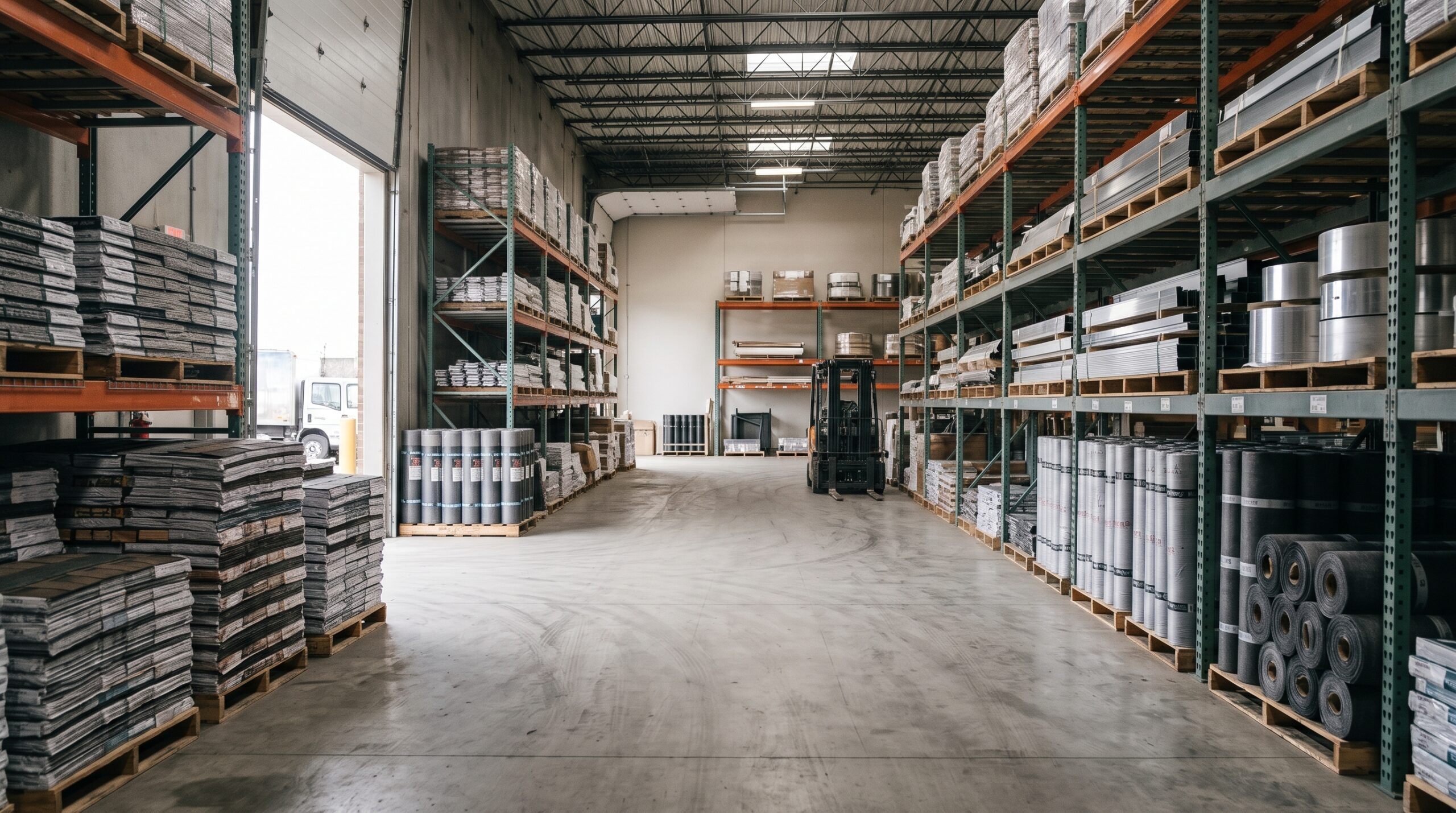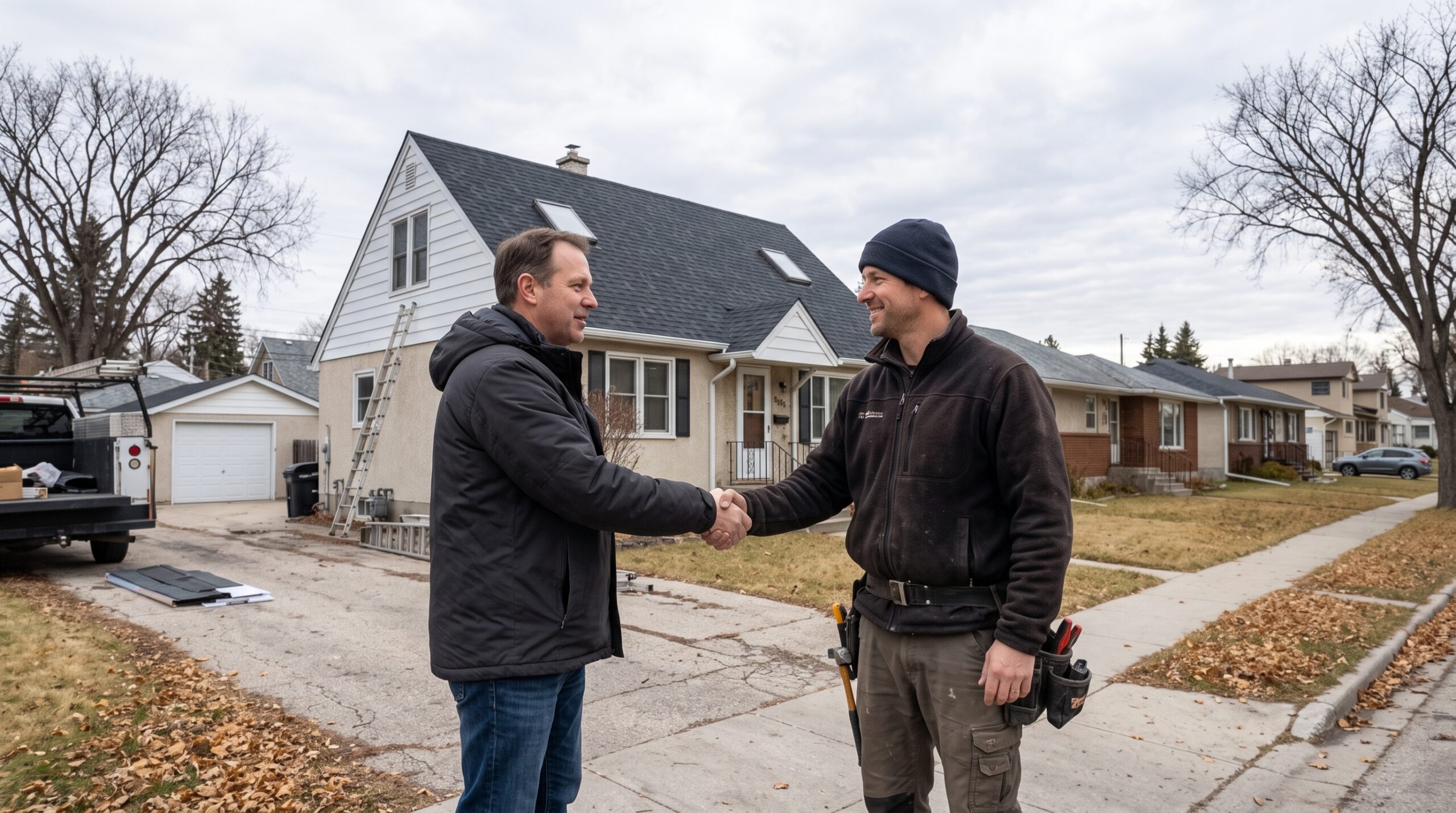
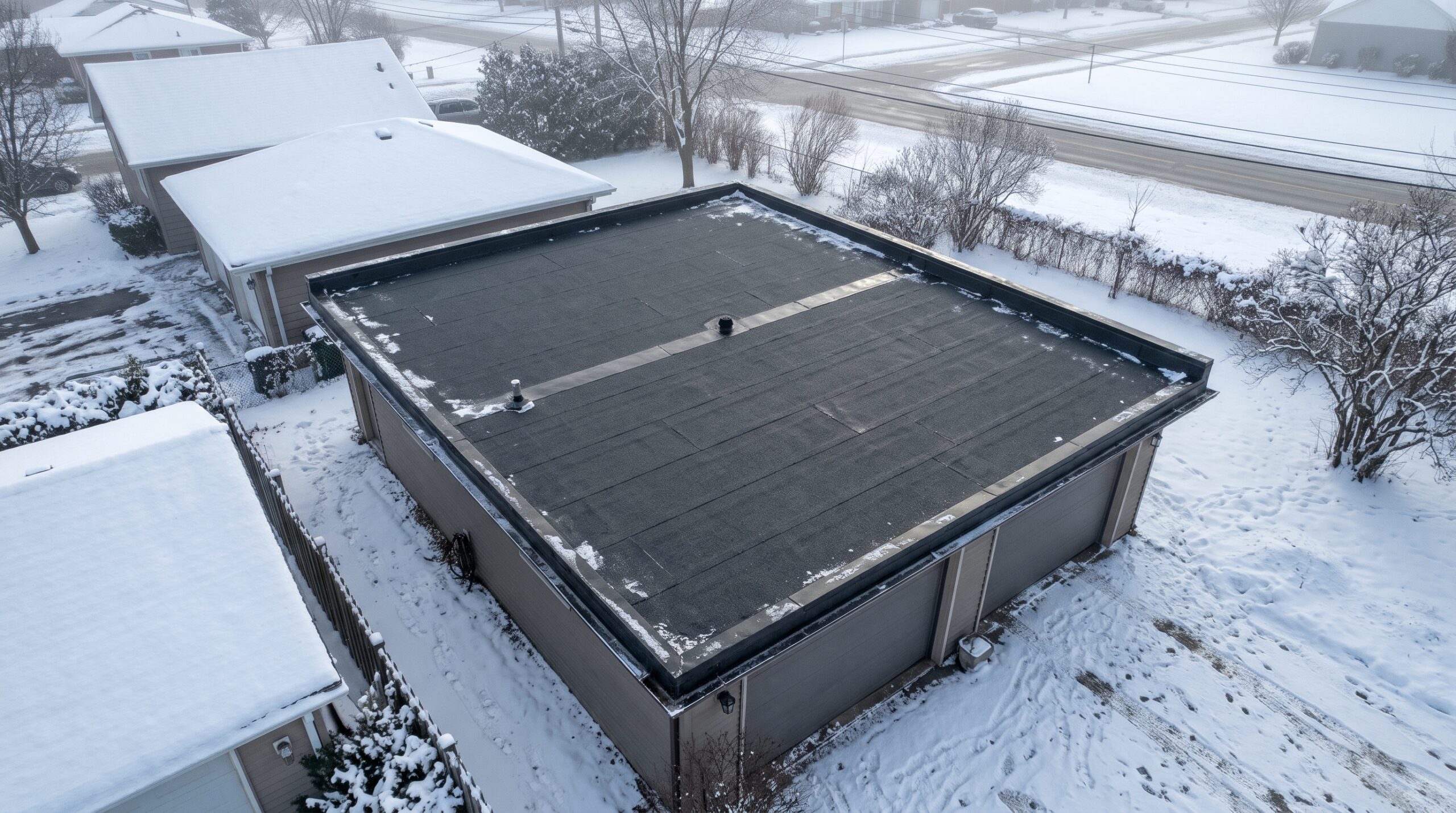
Roofing rolls are long, factory-made sheets of waterproof material designed to cover flat and low-slope roof sections where water cannot run off quickly. Winnipeg homeowners reach for them most often on garages, additions, porches, and low-pitch sections of a house because the large sheets create fewer seams than shingles, which means fewer places for water to get in.
They come in a few material types, each built for a different budget and lifespan, and the right pick depends heavily on how steep your roof is and how long Manitoba’s winters stay brutal each year. Picking the wrong type for the wrong slope is one of the most common and costly mistakes homeowners make.
When Roofing Rolls Are the Right Choice for Your Roof
Roofing rolls make the most sense anytime a roof has a slope too gentle for shingles to shed water properly. Most shingle manufacturers recommend a minimum pitch, and anything below that threshold risks water pooling under the shingle edges and working its way into the deck below.
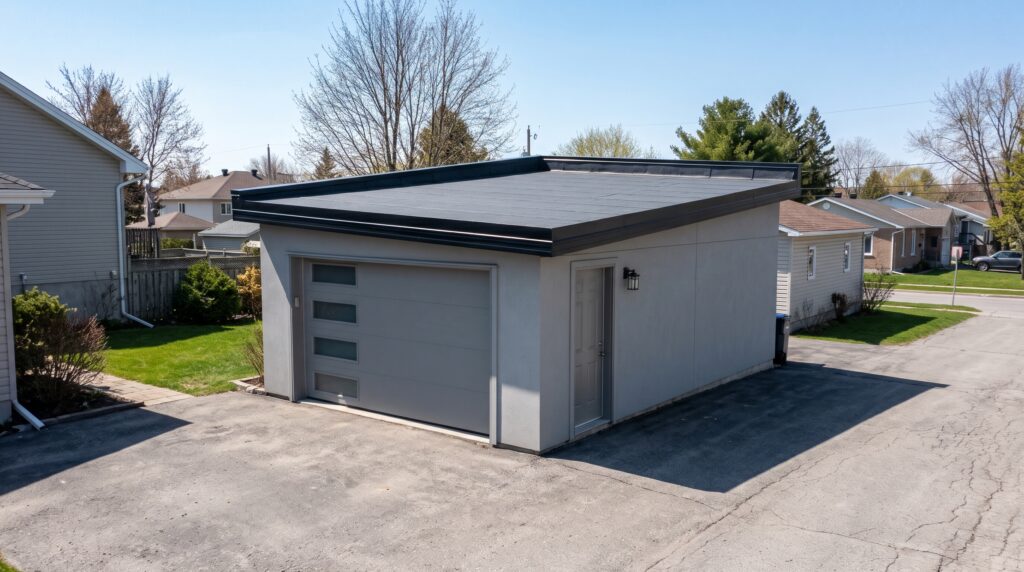
Garages, sheds, additions, porch roofs, and many commercial flat roofs around Winnipeg fall into this category. If your roof has a slope under roughly 3 in 12, roll roofing is almost always a better match than asphalt shingles, both for performance and for how much labour the installation takes.
They are also a practical choice when budget matters. Because the material installs in wide sheets rather than individual pieces, labour time drops significantly compared to shingle installation, which lowers the overall project cost without sacrificing waterproofing on a low-slope surface.
What Roofing Rolls Are Made Of
Roofing rolls are manufactured by coating a base material, usually fiberglass or organic felt, with asphalt and then finishing the surface with mineral granules for weather resistance. The granulated surface protects the asphalt layer underneath from ultraviolet rays, which is what keeps the material from drying out and cracking prematurely.
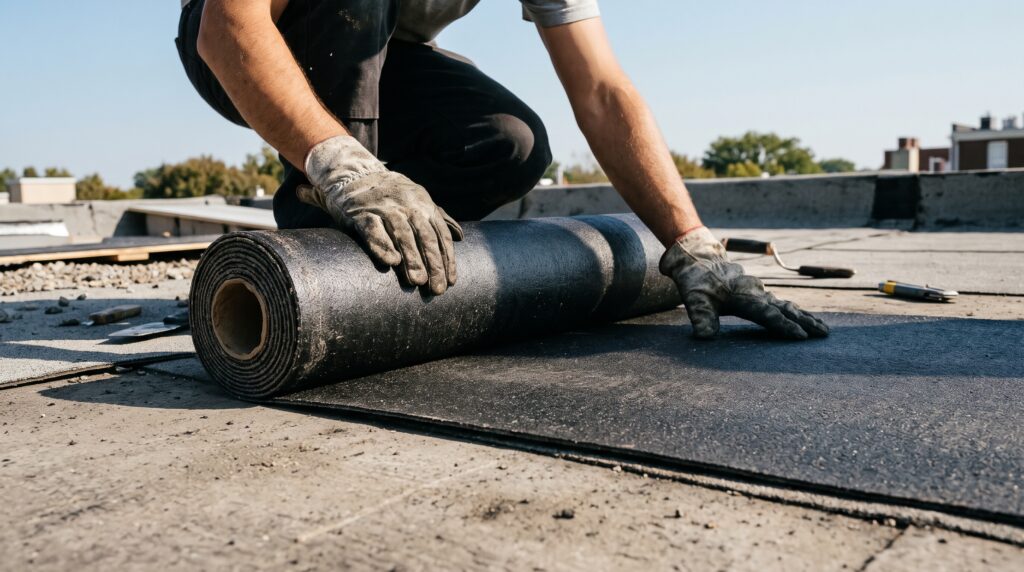
The sheets typically come in long rolls, often around 36 feet long and 3 feet wide, which is where the product gets its name. Installers unroll the material across the roof deck, overlap each row to shed water, and seal the seams with adhesive or heat, depending on the product.
Beyond standard asphalt versions, rubber-based and modified bitumen versions exist as well. Each type reacts differently to extreme cold, which matters a great deal once you factor in a Prairie winter.
Benefits of Roofing Rolls for Winnipeg Properties
Choosing this roofing material comes with a handful of practical advantages, particularly for lower-budget projects or secondary structures that do not need the same finish as a main roof.
Protection and Performance Benefits
- Fewer seams reduce the number of potential leak points across the roof surface
- The granulated finish resists UV damage better than bare asphalt
- Flexible sheets handle minor deck movement without cracking as quickly as rigid materials
- Wide coverage per sheet means faster, more consistent waterproofing on large flat areas
Cost and Installation Benefits
- Material and labour costs are generally lower than many alternative roofing systems
- Installation takes noticeably less time since fewer individual pieces need placing
- Repairs are usually simpler because damaged sections can be patched or replaced in strips
- The lighter weight puts less stress on older roof decks and outbuildings
Roofing Rolls vs Other Roofing Options
Homeowners comparing roofing rolls against steeper-slope materials should look at how each performs on slope, cost, and lifespan rather than assuming one material fits every part of a property.
| Factor | Roofing Rolls | Steep-Slope Shingle Roofing |
| Ideal slope | Flat to low-slope (under 3 in 12) | Moderate to steep slopes |
| Typical lifespan | 5 to 15 years depending on type | 20 to 30 years depending on material |
| Installation speed | Fast, fewer individual pieces | Slower, piece by piece |
| Best suited for | Garages, additions, sheds, commercial flat roofs | Main residential roofs with visible pitch |
| Relative cost | Lower upfront cost | Higher upfront cost |
This comparison shows why matching the material to the structure matters more than picking whichever option sounds more familiar. A steep roof covered in roll roofing would shed water poorly along the seams, while a flat roof shingled the traditional way would pool water and fail within a season or two.
Types of Roofing Rolls and Which One Is Best
Not every version of roll roofing performs the same way, and the right one depends on your climate exposure, slope, and how long you need the roof to last before replacement.
| Type | Durability in Cold Climates | Best Use Case |
| Mineral-surfaced asphalt roll | Moderate, can stiffen in deep cold | Sheds, low-budget outbuildings |
| Modified bitumen roll | High, stays flexible through freeze-thaw | Garages, additions, secondary roofs |
| Rubber membrane (EPDM) roll | Very high, excellent cold flexibility | Flat commercial roofs, extended-life projects |
For most Winnipeg properties, modified bitumen tends to be the best overall choice because it holds up against the repeated freeze-thaw cycles that are common from November through March without becoming brittle. Standard mineral-surfaced asphalt rolls work fine for short-term or lower-budget projects like sheds, but they are more prone to cracking once temperatures swing widely.
Rubber membrane rolls are the strongest performer in extreme cold and offer the longest service life of the three, which makes them the better pick for flat commercial buildings or any structure where a long-term, low-maintenance roof matters more than upfront cost. Choosing which option is best really comes down to how long you need the roof to last and how much temperature swing the surface will face each winter.
How Roofing Rolls Are Installed
Installation starts with preparing a clean, dry, debris-free deck, since any moisture trapped underneath the material will cause problems later. Installers then measure and cut the first course to fit the roof’s dimensions before rolling it out.
Each sheet gets fastened or adhered to the deck, and the next row overlaps the previous one by several inches to create a shingle-like water barrier. Seams are sealed with roofing cement, adhesive, or heat welding depending on the product type, and edges are trimmed and finished along the roofline.
Flashing goes in around any chimneys, vents, or wall transitions to stop water from working its way under the edges. A properly installed roof should have no visible gaps along the seams once the work is finished, and a short inspection afterward confirms the seal held across the entire surface.
For properties that need extra protection along the eaves before the main material goes down, pairing the installation with ice and water shield protection adds another layer of defence against ice damming in the coldest months.
Roofing Rolls and Winnipeg’s Climate
Manitoba winters put roofing materials through repeated freeze-thaw cycles, sudden temperature drops, heavy snow loads, and strong prairie winds, all within the same season. A roof that performs well in a milder climate can fail quickly here if it was not chosen with these conditions in mind.
Flexible, cold-rated roll roofing holds up better than rigid materials because it can expand and contract slightly without cracking as temperatures swing from well below freezing to above zero and back again in the same week. Wind exposure is another factor, since properly sealed seams and secured edges prevent sheets from lifting during the gusty spring and fall storms common across the region.
Timing installation matters too. Late spring through early fall gives adhesives and sealants the warm conditions they need to cure properly, while cold-weather installations require extra care and sometimes specialized low-temperature adhesives to form a reliable bond.
Zega Roofing works with property owners across Winnipeg and the surrounding areas to match the right roll roofing type to each building’s exposure, slope, and seasonal timing.
Things to Know Before Choosing Roofing Rolls
- Slope matters more than preference. A roof under roughly 3 in 12 pitch should not be covered in standard shingles, regardless of appearance.
- Lifespan varies widely by type, ranging from around 5 years for basic asphalt rolls to well over 20 years for rubber membrane versions.
- Proper seam sealing is the single biggest factor in whether the roof leaks, so installation quality matters as much as material choice.
- Regular inspections catch small seam separations before they turn into interior water damage, especially after major wind events.
- Not all roll products handle extreme cold equally, so climate-rated materials are worth the extra consideration in this region.
According to the Canada Mortgage and Housing Corporation, scheduled maintenance checks help homeowners catch roofing issues early, before they turn into larger structural repairs.
Choosing the Right Roofing Rolls for Your Property
Matching the right roofing rolls to your roof’s slope, exposure, and expected lifespan prevents the kind of early failures that turn into costly interior repairs. Garages, additions, and flat commercial sections all benefit from this material when it is chosen and installed correctly for Manitoba’s climate.
Browse examples of completed low-slope projects in our roofing project gallery to see how different roll roofing types hold up over time, and take a look at our shingle roof replacement services if your main roof needs attention alongside a flat section.
If you have any questions about roofing rolls or want a professional opinion on which type fits your property, contact Zega Roofing for a free inspection and honest recommendation before winter sets in.
Frequently Asked Questions
How long do roofing rolls typically last?
Most roofing rolls last between 5 and 20 years, depending on the material. Standard asphalt rolls sit on the shorter end, while modified bitumen and rubber membrane versions last considerably longer under proper maintenance.
Can roofing rolls be installed on a sloped roof?
Roofing rolls are built for flat and low-slope surfaces, not steep roofs. On a steeper pitch, water movement and wind uplift can work against the seams, so shingles or other steep-slope materials are the better fit there.
Do roofing rolls work well in cold climates?
Yes, especially modified bitumen and rubber membrane versions. These stay flexible through freeze-thaw cycles, while basic asphalt rolls can become more brittle in extreme cold.
How much maintenance do roofing rolls need?
Roofing rolls need periodic seam and edge inspections, ideally twice a year. Catching small lifts or cracks early prevents water from reaching the deck underneath.
Are roofing rolls cheaper than shingles?
Yes, roofing rolls typically cost less upfront than shingle roofing. The savings come from faster installation and fewer individual pieces, though lifespan should factor into the overall cost comparison.