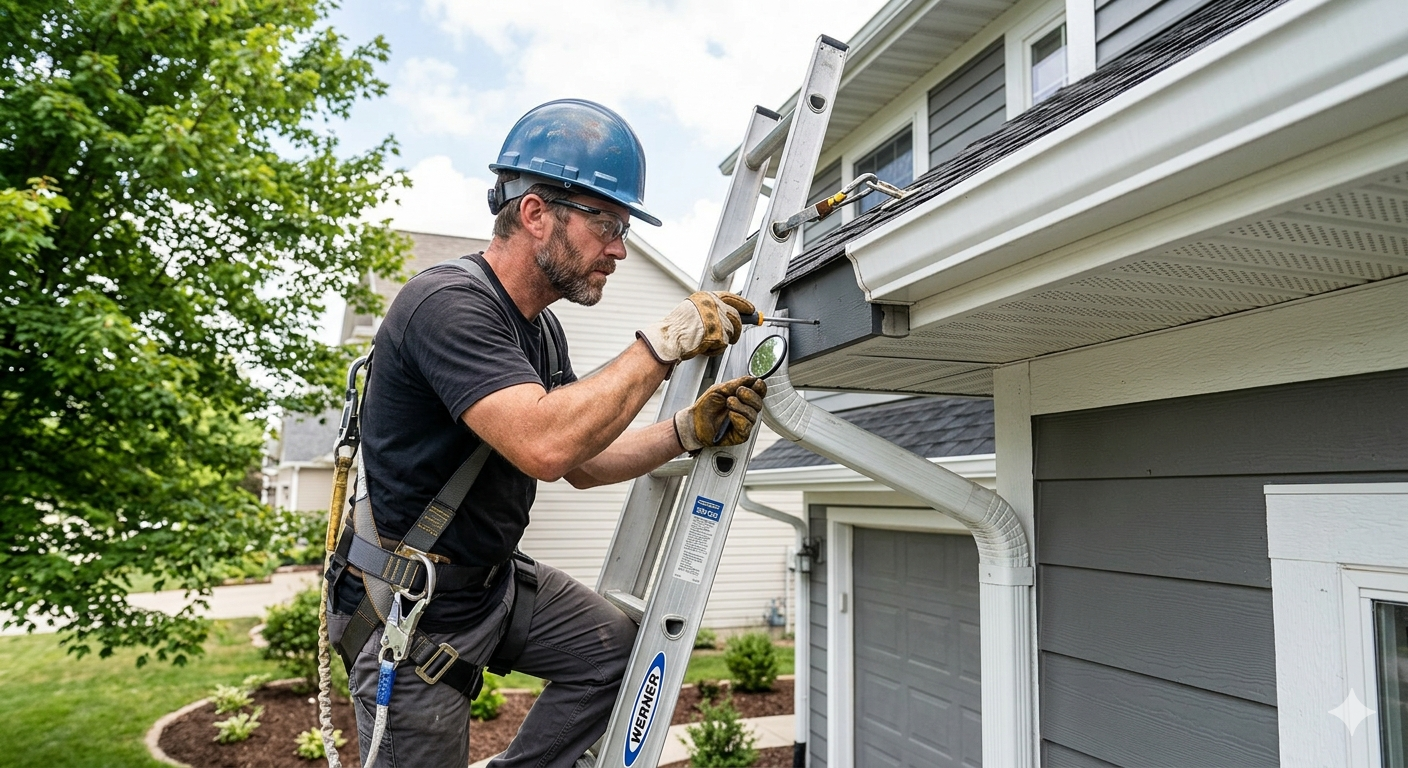
Roofing eaves are the edges of a roof that extend beyond the exterior walls of a building, and they play a critical role in protecting your home from water damage, ice buildup, and structural decay.
Whether you own a house in Winnipeg or anywhere across Canada, your roofing eaves serve as the first line of defence against harsh weather conditions. They redirect rainwater and snowmelt away from your foundation, keep moisture out of your walls, and help regulate attic temperature.
Properly installed and maintained roofing eaves also improve ventilation, reduce the risk of ice dams, and add curb appeal to your property.
What Are Roofing Eaves?
Roofing eaves refer to the portion of a roof that hangs over the outer walls of a home or building. They are the horizontal edges you see when you look up at the bottom of a roofline. Every sloped roof has them, and they are made up of a few key components that work together to protect the structure underneath.
The main parts of roofing eaves include:
Fascia Board
The fascia is the vertical board that runs along the lower edge of the roof. It connects to the ends of the rafters and supports the bottom row of roof tiles or shingles. The fascia also serves as a mounting point for your eavestrough (gutter) system.
Soffit
The soffit is the underside of the eave, the horizontal panel that covers the gap between the fascia and the exterior wall. Soffits often include small ventilation holes that allow air to circulate through the attic, which is important for temperature control and moisture management.
Drip Edge
The drip edge is a thin metal strip installed along the edge of the roof. It helps direct water into the eavestrough and away from the fascia, preventing rot and water intrusion behind the gutter.
Understanding these components is helpful when speaking with a contractor about repairs or upgrades. If you need a professional assessment of your roofing eaves, the team at Zega Roofing offers free roofing inspections to homeowners across Winnipeg.
Why Do Roofing Eaves Matter for Canadian Homes?
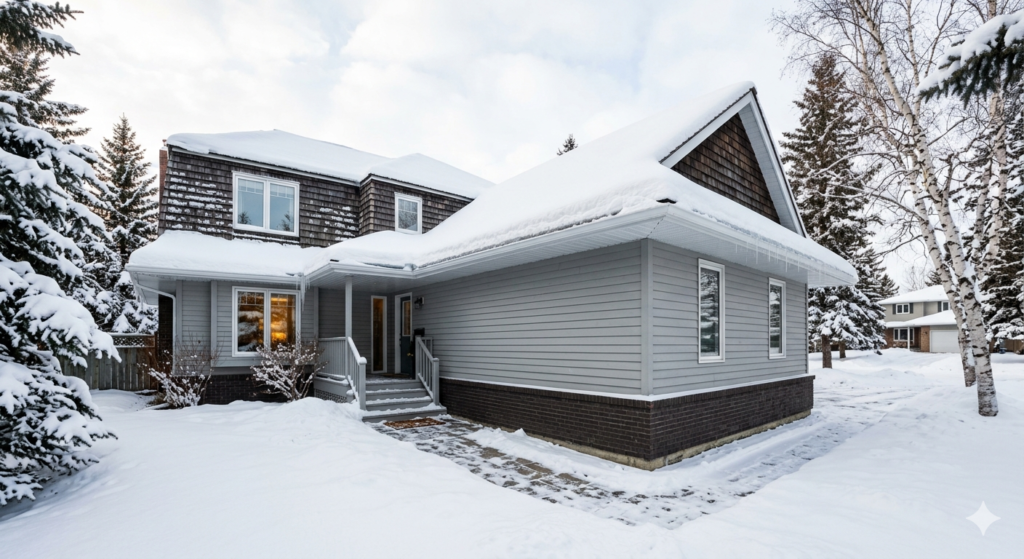
Roofing eaves are not just a design element. They serve several practical purposes that are especially important in Canadian climates like Winnipeg, where homes face snow, ice, rain, and extreme temperature swings throughout the year.
Here is a breakdown of the key reasons roofing eaves are essential:
| Function | How Roofing Eaves Help |
| Water Protection | They direct rainwater and snowmelt into the eavestrough system, keeping it away from exterior walls and the foundation. |
| Ice Dam Prevention | Proper eave ventilation reduces heat buildup in the attic, lowering the risk of ice dams forming along the roof edge. |
| Attic Ventilation | Soffit vents built into the eaves allow fresh air to enter the attic, which helps regulate temperature and reduce condensation. |
| Structural Defence | By shielding walls and the foundation from constant moisture exposure, eaves help prevent rot, mould, and long-term structural damage. |
| Curb Appeal | Well-maintained roofing eaves give a clean, finished appearance to any home. |
If your eaves are damaged, cracked, or showing signs of rot, it is worth reaching out to a trusted roofing company in Winnipeg for a proper evaluation. Ignoring eave damage can lead to expensive repairs down the road.
Types of Roofing Eaves You Should Know
Not all roofing eaves look the same. Different styles offer varying levels of protection, ventilation, and appearance. Choosing the right type depends on your roof design, climate, and personal preference.
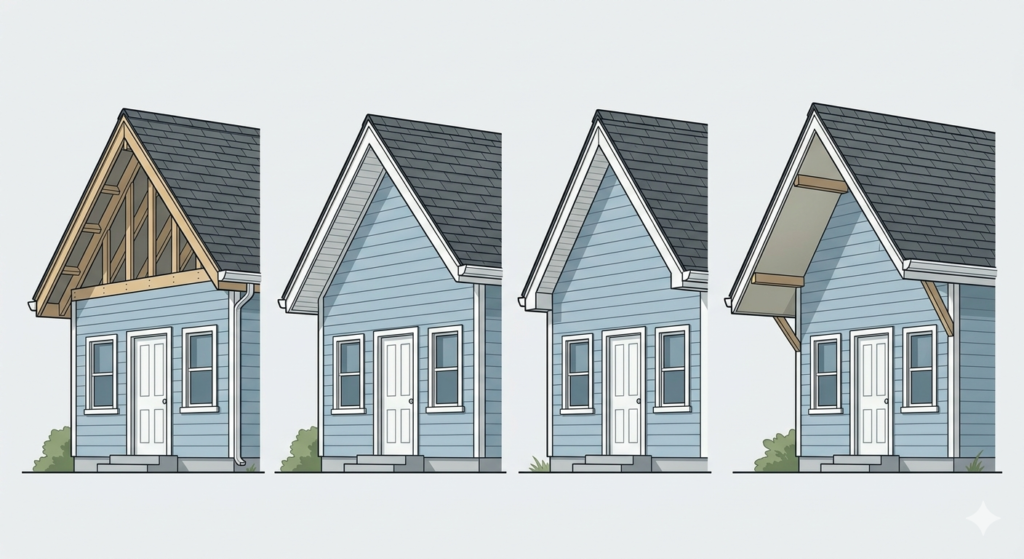
Open Eaves
Open eaves leave the underside of the roof exposed, meaning you can see the rafters from below. This style is common on older homes and rustic designs. While open eaves allow for good ventilation, they offer less protection from pests and weather since there is no soffit covering.
Closed (Boxed) Eaves
Closed eaves have a soffit panel that covers the underside, creating a smooth, enclosed look. This is the most popular style for residential homes in Canada because it provides better protection against moisture, animals, and debris while still allowing for ventilation through soffit vents.
Abbreviated Eaves
Abbreviated eaves have a very small overhang, sometimes just a few inches. While they save on material costs and work for certain modern architectural styles, they provide minimal protection for the walls below. Homes in Winnipeg with abbreviated eaves may be more prone to water damage and ice-related issues.
Extended Eaves
Extended eaves have a larger overhang, sometimes reaching 12 inches or more beyond the wall. They offer maximum protection from rain and snow, making them a great option for Canadian homeowners who want extra defence against harsh weather.
| Eave Type | Best For | Ventilation | Weather Protection |
| Open | Rustic homes, warm climates | Excellent | Low |
| Closed (Boxed) | Most Canadian homes | Good (with soffit vents) | High |
| Abbreviated | Modern, budget builds | Limited | Minimal |
| Extended | Harsh climates like Winnipeg | Good | Maximum |
For homeowners in Winnipeg, closed or extended roofing eaves are usually the best choice. Zega Roofing can help you determine which type is right for your property based on your roof structure and local conditions.
How to Maintain Your Roofing Eaves
Keeping your roofing eaves in good condition does not require a lot of effort, but regular maintenance goes a long way toward preventing costly repairs. Here are some practical tips to help you stay ahead of problems.
Clean your eavestroughs at least twice a year, in the spring and fall. Clogged gutters cause water to back up and overflow onto the fascia, leading to rot and damage to the eave structure. Check the soffit panels for cracks, peeling paint, or signs of animal entry. Squirrels and birds sometimes create openings in damaged soffits to nest inside the attic.
Inspect the fascia board for soft spots or discolouration, which may indicate moisture damage. Replace any warped or rotted sections before they spread to surrounding materials. Make sure the drip edge is still securely attached and directing water properly into the eavestrough.
During winter, keep an eye on ice buildup along the roofing eaves. If you notice icicles forming consistently in the same spots, that could be a sign of poor attic ventilation or insulation. Zega Roofing provides attic insulation services that can help solve this issue from the inside.
Also, watch for any sagging along the eave line. Sagging usually means the rafters or fascia board are weakened, and this requires professional attention. If you are unsure about the condition of your roofing eaves, scheduling a professional inspection is the safest next step.
Common Roofing Eaves Problems in Winnipeg
Winnipeg homeowners face unique challenges when it comes to roofing eaves. The combination of heavy snowfall, freezing rain, and rapid temperature changes creates conditions that can damage even well-built eave systems over time.
One of the most frequent problems is ice dams. When heat escapes through a poorly insulated attic, it melts the snow on the roof. That water runs down to the colder roofing eaves and refreezes, creating a dam that traps water behind it. This trapped water seeps under shingles and into the roof deck, causing leaks and structural damage.
Another common issue is fascia rot. Constant exposure to moisture, especially from overflowing eavestroughs, causes the fascia board to deteriorate. Left untreated, the rot spreads to the soffit and even the rafter tails.
Pest intrusion is also a concern. Gaps or holes in damaged soffits give raccoons, birds, and insects access to the attic. Once inside, they can damage insulation and wiring.
If you notice any of these problems, do not wait for them to get worse. Contact Zega Roofing at +1 204-997-2697 for fast, reliable service. You can also explore our gallery of completed projects to see examples of the roofing eaves work we have done for Winnipeg homeowners.
Things To Know About Roofing Eaves
Before making any decisions about repairs or upgrades to your roofing eaves, here are some important things to keep in mind:
Your roofing eaves need proper ventilation to function correctly. Without it, moisture builds up in the attic, leading to mould and wood decay. Make sure your soffit vents are not blocked by insulation or debris.
The standard eave overhang for most Canadian homes is between 12 and 18 inches. Anything less than 6 inches may not provide enough protection from rain and snow.
Roofing eaves should always be inspected after a major storm. High winds, heavy snow loads, and falling debris can cause hidden damage that gets worse over time.
If your home does not have eavestroughs, your roofing eaves take on even more stress. Water falls directly off the edge and can erode the soil around your foundation, eventually causing basement leaks.
Repairing or replacing roofing eaves is not a DIY job for most homeowners, especially if structural components like rafter tails are involved. For accurate pricing, contact Zega Roofing directly to get a free estimate tailored to your situation.
For homes dealing with residential roof installations or shingle roof replacement, roofing eaves are always part of the conversation. They are inseparable from the overall health of your roof system. You can also learn more about how roofing eaves relate to commercial roofing repairs if you own a business property.
When Should You Call a Professional?
Some roofing eaves issues are easy to spot, but fixing them properly takes experience and the right tools. You should call a professional if you notice water stains on your exterior walls below the roofline, if the soffit panels are visibly sagging or cracked, or if you see daylight coming through gaps in the eave structure.
Ice dams that keep returning every winter also signal a deeper problem with your attic insulation or ventilation, which a roofing professional can diagnose and fix. Zega Roofing serves homeowners across Winnipeg and surrounding areas like Charleswood, River Heights, Southdale, and St. James. Check the full list of areas we serve to see if your neighbourhood is covered.
Protecting Your Home Starts With Proper Roofing Eaves
Roofing eaves may not be the first thing you think about when it comes to your home, but they play a huge role in keeping everything underneath safe and dry. From water protection and ventilation to ice dam prevention and curb appeal, healthy eaves are a non-negotiable part of any well-maintained roof system.
If your roofing eaves show signs of wear, damage, or poor ventilation, now is the time to act. Zega Roofing brings over 25 years of experience to every project, serving Winnipeg and the surrounding communities with honest estimates, quality materials, and expert craftsmanship. Call +1 204-997-2697 or visit our contact page to schedule your free roofing inspection today.
Frequently Asked Questions About Roofing Eaves
What are the eaves of a roof?
Eaves are the edges of a roof that extend past the exterior walls of a building. They typically include the fascia board, soffit, and drip edge. Their main job is to direct water away from the walls and foundation while providing ventilation to the attic space.
What is the purpose of roof eaves?
The purpose of roof eaves is to protect your home from water damage, regulate attic temperature, and prevent ice dams. They channel rainwater and snowmelt into the eavestrough system, keeping moisture away from your walls, siding, and foundation.
What is considered a roof eave?
A roof eave is the section of a roof that overhangs beyond the outer wall of a building. It includes the soffit (the underside), the fascia (the front-facing board), and the drip edge. Any part of the roof that extends past the wall line is considered the eave.
Are eaves inside or outside?
Eaves are located on the outside of a building. They are the visible overhang you see when you look up at the roofline from the ground. The soffit, which is part of the eave structure, faces downward and is visible from the exterior.
Does a roof need eaves?
Yes, most roofs benefit from having eaves. While some modern designs use minimal or no overhang, roofing eaves provide essential protection against water intrusion, structural decay, and ice damage. For homes in Winnipeg and across Canada, eaves are strongly recommended to handle the demands of the local climate.