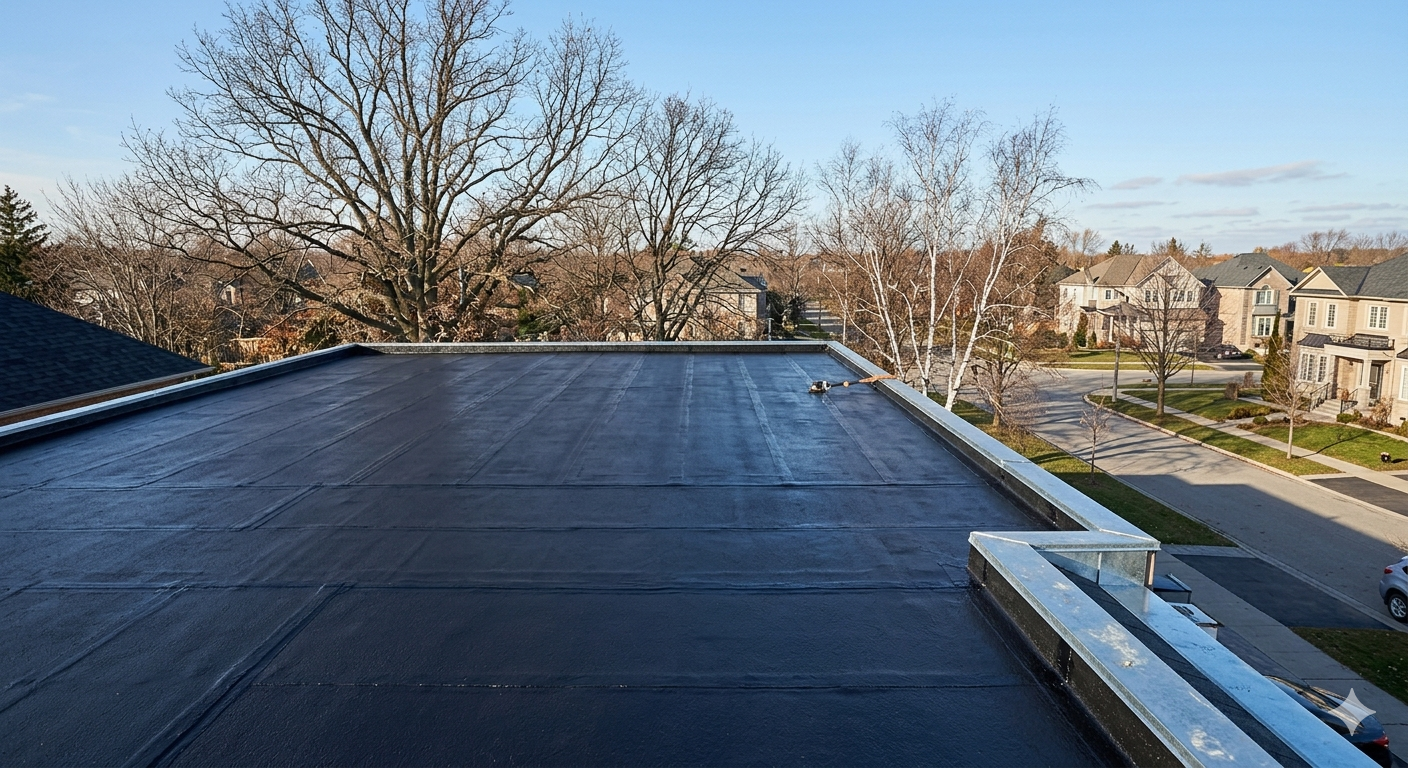
Roofing tar is a thick, waterproof sealant that protects roofs from moisture, seals cracks, and extends the lifespan of a roofing system. It forms a dense adhesive barrier over vulnerable areas, stopping water before it causes structural damage below. Knowing which type to buy, where to apply it, how long it holds up, and when to call a professional makes the difference between a repair that lasts and one that fails by the next rain. This article covers all of that, including a comparison table, practical tips, a Things To Know section, and answers to the most common questions Winnipeg homeowners ask about this essential roofing material.
How Does Roofing Tar Actually Work?
Roofing tar works through a combination of its chemical properties and its physical density. Derived from coal tar or petroleum-based bitumen, it is naturally sticky, extremely water-resistant, and bonds aggressively to most roofing substrates. When you apply it to a damaged or vulnerable area, it fills cracks and gaps completely before hardening into a firm, flexible seal that fuses with the material underneath, whether that is an asphalt shingle, felt underlayment, modified bitumen membrane, or bare roof decking.
The waterproofing ability of roofing tar comes from its hydrophobic nature. Water simply cannot penetrate the molecular bond it creates, which is why it is so effective at stopping active leaks and preventing new ones from forming. Beyond sealing, it also acts as an adhesive, holding materials together in spots where they have lifted, buckled, or separated from temperature changes and weathering. In Winnipeg’s climate, where freeze-thaw cycles put enormous stress on roofing materials every winter, this bonding quality is especially valuable.
Many modern formulations also include added polymers that improve flexibility, helping it expand and contract with the roof without cracking. This flexibility is what separates a quality product from a cheap patching compound that may harden and fail within a single season.
The Different Types of Roofing Tar and Which One Works Best
Not all roofing tar is the same. Choosing the right type depends on your specific situation, the climate, and whether the application is meant to be a temporary fix or a long-term solution.
Cold-Process Roofing Tar
Cold-process formulas come ready to use from the container with no heating required. They are the most accessible option for property owners dealing with minor repairs quickly. Applied with a trowel, brush, or caulking gun, this cold-process formula works well for small patch jobs, sealing around vents, and filling cracks along roof seams. It is the most common type used in residential DIY repairs across Canada.
Hot-Applied Roofing Tar
Hot-applied tar, sometimes called hot mop tar, must be heated to a specific temperature before application. Once heated, it becomes liquid enough to pour and spread evenly across large flat surfaces, bonding aggressively as it cools into a thick, continuous waterproof membrane. This type is almost exclusively handled by professional roofers because the heating equipment and safety protocols involved are not practical in a homeowner setting. Hot-applied tar delivers the most durable results and is the standard choice for commercial flat roofing systems.
Fibered Roofing Tar
Fibered formulas contain reinforcing fibers, often fiberglass or asphalt-based, mixed directly into the compound. These fibers increase tensile strength, making the finished seal far less likely to crack under thermal stress or movement. This fibered formula is an excellent choice for areas that experience significant expansion and contraction, or wherever a larger patch needs extra structural reinforcement.
| Type of Roofing Tar | Best Application | DIY Friendly? | Durability |
|---|---|---|---|
| Cold-Process | Minor cracks, seams, flashings | Yes | 2 to 5 years |
| Hot-Applied | Flat roofs, large coverage areas | No (Professional) | 10 to 20 years |
| Fibered | High-stress areas, larger patches | Moderate | 5 to 10 years |
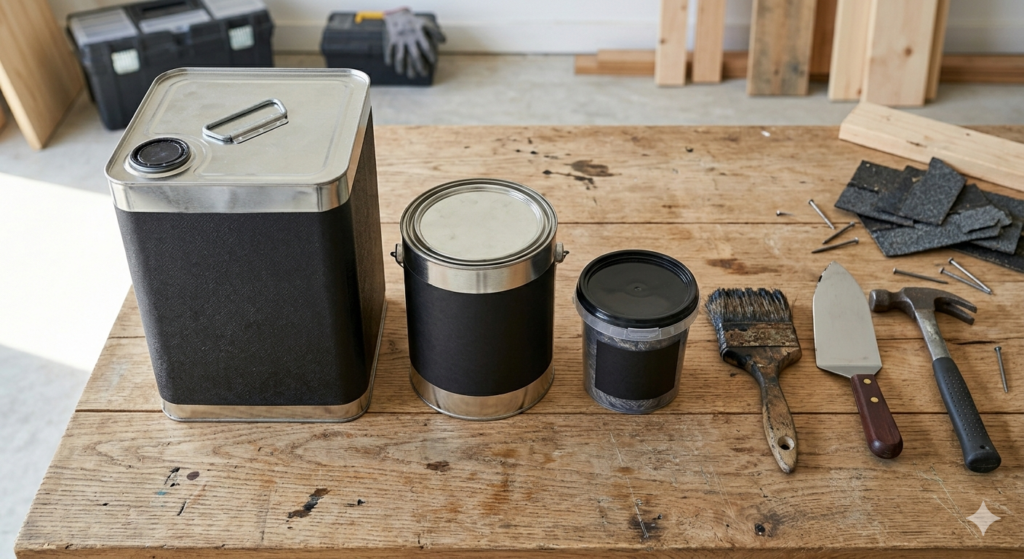
Where Should Roofing Tar Be Applied on a Roof?
Knowing where to use roofing tar is just as critical as knowing how to apply it. Used in the wrong location, it can actually trap moisture instead of repelling it, making the underlying problem significantly worse.
Around Roof Flashings
Flashings are the metal strips installed around chimneys, skylights, vents, and roof edges that prevent water from entering at transition points. Over time, the sealant around flashings dries out, cracks, and pulls away. Carefully applied tar around flashing edges restores this seal and stops water from working its way underneath the metal.
Along Flat Roof Seams
Flat roofs develop seam separations over time due to thermal movement and material aging. Sealing these seams is one of the most common flat roof repairs performed in Winnipeg. A properly sealed seam prevents pooling water from finding its way through the roof membrane and into the building below.
Over Cracked or Blistered Surfaces
When roofing materials develop blisters, cracks, or small holes, a quality tar sealant fills and seals those areas effectively. The surface must be clean and completely dry before application, and the tar should be pressed firmly into the damaged zone and feathered outward at the edges to create a smooth, water-shedding transition.
At Roof Penetrations
Every pipe, vent, or conduit passing through your roof creates a potential entry point for water. Tar sealant applied around the base of these penetrations, alongside proper flashing and boot seals, significantly reduces leak risk at these vulnerable spots. Even a small gap around a plumbing stack vent can allow water to enter over a full season of rain and snowmelt.
How to Apply Roofing Tar the Right Way
Proper technique makes the difference between a repair that holds for years and one that peels away before the next heavy rain. Start with a clean, completely dry surface. This material does not bond well to wet, dirty, or loose material, so remove all debris, standing water, and deteriorated old sealant before you begin. In Winnipeg, late summer and early fall tend to offer the best conditions for this type of application because temperatures are still warm enough for good bonding.
Apply generously but not excessively. A thin coat will not create a durable seal, but piling on too much tar in the wrong area can trap moisture beneath it. Work the material firmly into cracks and seams before smoothing the surface. For larger patch areas, use a stiff brush or trowel to spread it evenly at a consistent thickness.
Cold-process formulas typically need 24 to 48 hours to fully cure in warm weather, and this timeline extends considerably in cooler or humid conditions. Hot-applied tar bonds much faster as it cools but should still remain undisturbed for several hours after application.
For repairs involving significant structural damage, extensive seam separation, or large areas of deteriorated membrane, professional application is the right choice. At Zega Roofing, our team brings 25 years of roofing experience and a thorough understanding of how Manitoba’s climate affects roofing materials. We handle everything from minor spot repairs to full flat roof restorations using the right tools and materials for lasting results. Call us at +1 204-997-2697 or visit our contact page to schedule a free inspection.
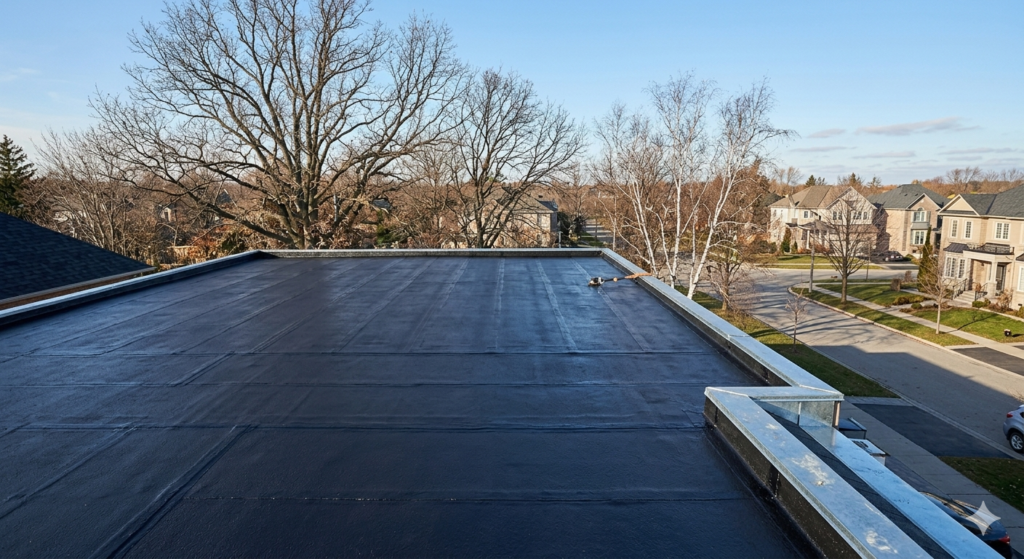
How Long Will Roofing Tar Last on a Roof?
The lifespan of this sealant depends on the type used, the quality of the application, the condition of the underlying materials, and the local climate. For Winnipeg homeowners, the freeze-thaw cycle is the single biggest variable affecting how long any roofing repair lasts.
Cold-process patch repairs typically hold for two to five years before reapplication is needed. Fibered formulas can extend closer to ten years in the right conditions. Hot-applied systems installed professionally as part of a built-up flat roofing assembly can last anywhere from ten to twenty years with proper maintenance. Tar applied around flashings and penetrations generally needs to be checked and reapplied every three to seven years, particularly after harsh winters.
| Application Type | Expected Lifespan | Maintenance Needed |
|---|---|---|
| Cold-process patch | 2 to 5 years | Annual visual inspection |
| Fibered tar patch | 5 to 10 years | Check after severe weather events |
| Hot-applied flat roof system | 10 to 20 years | Professional inspection every 2 to 3 years |
| Around flashings and penetrations | 3 to 7 years | Reseal when visible cracking appears |
For pricing on professional application in Winnipeg, contact Zega Roofing for a free estimate. For related maintenance guidance, our articles on shingle roof replacement and roofing installation in Winnipeg offer additional context on keeping your roof in top condition.
Things To Know About Roofing Tar
Before picking up a container and starting a repair, there are several practical facts that can save you from a second trip to the hardware store or a more expensive repair down the road.
- This sealant is not a permanent fix for severely damaged roofing structures. It seals surfaces effectively, but if the decking beneath is rotting or the membrane has failed extensively, a full repair or replacement is still necessary.
- Most cold-process formulas should not be applied when temperatures drop below 5 degrees Celsius, as the material will not bond properly in cold conditions.
- Strong odour is normal during application. Work in a ventilated area and avoid breathing the fumes for extended periods.
- Lap cement and tar-based sealants are different products. Lap cement is a thinner adhesive for bonding overlapping roofing layers, while the tar compound is a heavier sealant for surface cracks and seam repairs.
- Applying too much tar in one area can redirect water flow in unintended directions and potentially hold moisture against roofing materials that need to breathe.
- Annual professional inspections keep tar use to a minimum by catching issues while they are still minor and manageable.
Frequently Asked Questions About Roofing Tar
Will roofing tar stop a leak?
Yes, roofing tar can effectively stop an active leak when applied to a clean and dry surface. It works best for minor to moderate leaks around flashings, seams, and penetrations. For larger structural leaks, professional inspection and repair are recommended to address the root cause fully.
What is tar used for in roofing?
Roofing tar is used to seal cracks, bond overlapping materials, waterproof flat roof surfaces, and protect areas around flashings and penetrations. It also secures loose roofing materials and provides a protective coating over deteriorating membranes. Its adhesive and waterproofing qualities make it a versatile material for both residential and commercial roofing maintenance.
Where to use roofing tar?
Roofing tar belongs around flashings, along flat roof seams, over cracked or blistered roofing surfaces, and at the base of any roof penetration. It is especially valuable on flat and low-slope roofs where standing water tends to accumulate and find entry points. Avoid applying it where it would block necessary drainage paths. For guidance on flat roof systems, explore commercial roofing repairs offered by Zega Roofing in Winnipeg.
How long will tar last on a roof?
Depending on the type and how it was applied, tar lasts between 2 and 20 years. Cold-process patch repairs last 2 to 5 years in a Winnipeg climate, while hot-applied professional systems can last well over a decade. Regular annual inspections will tell you when it is time to reapply before a new leak develops.
What is the best roofing tar to use?
For minor DIY repairs and sealing around flashings, a fibered cold-process formula offers a good balance of durability and ease of use. For flat roof installations and large surface coverage, hot-applied tar professionally installed produces the longest-lasting results. If you are unsure which product suits your specific roof type and condition, a professional inspection is the most reliable starting point before spending money on materials.
The Bottom Line on Using Roofing Tar Effectively
This proven material remains one of the most reliable and time-tested materials available for protecting and maintaining a Canadian roof. It works by forming a waterproof, adhesive bond over vulnerable surfaces, and when applied correctly to the right areas, it can meaningfully extend the service life of your roof between major repairs. Understanding the differences between cold-process, hot-applied, and fibered formulas, knowing where each type belongs on your roof, and respecting the application conditions that lead to a lasting seal gives you a real advantage as a property owner.
If you have a leak, visible seam separation, or simply want a professional assessment of your roofing situation, reach out to Zega Roofing for a free roof inspection. With 25 years of experience serving Winnipeg and surrounding communities, our licensed and insured team is ready to help you protect your property with quality workmanship and the right materials for Manitoba’s demanding climate.