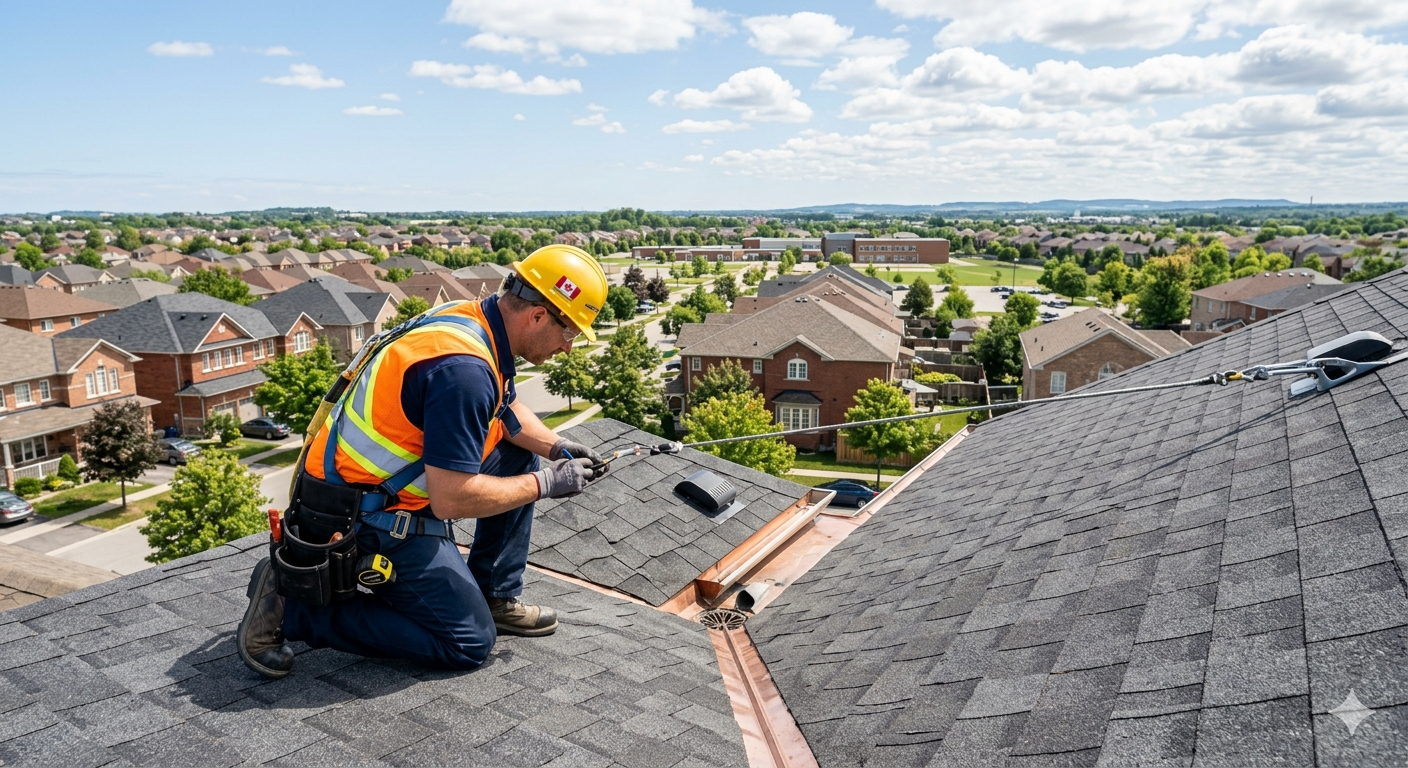
Rooftop maintenance is the ongoing process of inspecting, cleaning, and repairing your roof to extend its lifespan and prevent costly structural damage. Most property owners in Winnipeg only think about their roof after something goes wrong, but keeping up with this kind of care can catch small issues before they turn into expensive emergencies.
This article covers what it actually involves, why it matters so much in Canadian climates, how often it should be done, what warning signs to watch for, and what options are available to both residential and commercial property owners. Whether you own a home or manage a commercial building, staying on top of your roof is not optional if you want to protect the investment underneath it.
Why Rooftop Maintenance Matters More Than Most People Realize
Winnipeg’s climate is one of the harshest in Canada. Summers bring intense heat and sudden storms, while winters deliver heavy snowfall, ice accumulation, and extreme freeze-thaw cycles that put serious stress on roofing materials. Without a consistent care routine, even a well-installed roof will begin to degrade faster than expected under these conditions.
The biggest reason property owners skip regular upkeep is that roof problems are often invisible from the ground until they become serious. A small lifted shingle, a cracked flashing seal, or a clogged drainage point can go unnoticed for months. During that time, water infiltration may be slowly soaking into your insulation, rotting your decking, and weakening your structural components. By the time a leak becomes visible inside the building, the actual damage is typically far more extensive than what the leak suggests.
Proactive roof care interrupts this cycle early. A professional inspector can identify problem areas while they are still minor repairs rather than full replacements. This is especially true for flat or low-slope commercial roofs in Winnipeg, which are more prone to ponding water and membrane fatigue. Staying ahead of these issues is not just recommended, it is essential for preserving the building’s interior and structural integrity.
There is also a strong financial argument here. A complete roof replacement in Canada is a significant expense. Scheduling rooftop maintenance twice per year costs a fraction of that and directly extends the period before a replacement is ever necessary. Many roofing warranties also require documented upkeep in order to remain valid, meaning skipping care visits could void your coverage entirely.
How Rooftop Maintenance Actually Works
Understanding the process helps property owners know what to expect when they hire a professional team. It is not simply someone walking around on your roof. A thorough rooftop maintenance visit involves several interconnected tasks that together paint a complete picture of your roof’s condition.
Visual Inspection of the Entire Roof Surface
The first step in any proper visit is a complete visual inspection. This includes scanning every section of the roof for missing, curled, cracked, or blistering shingles. On flat roofs, inspectors look for membrane bubbles, seam separations, and any signs of ponding water or drainage failure. Roof edges, parapets, and ridgelines are examined carefully because these are the first areas where wind damage tends to show up.
Flashing and Sealant Checks
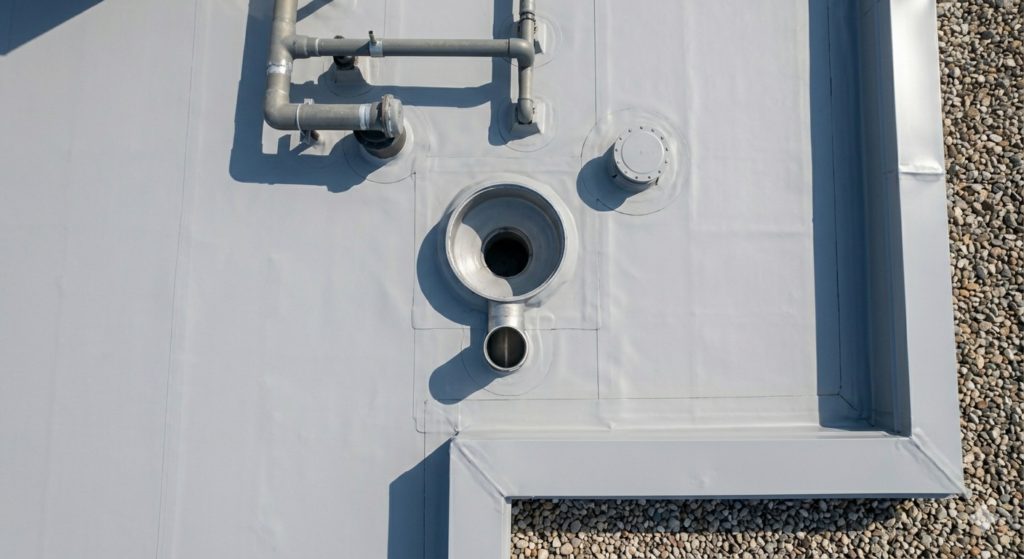
Flashing is the metal or rubber material that seals transitions between the roof and vertical surfaces like chimneys, vents, walls, and skylights. During an inspection, all flashing points are checked for gaps, rust, lifted edges, or failed sealant. These transition areas are among the most common entry points for water, and they are easy to miss without a trained eye.
Gutter and Drainage Clearing
Clogged gutters and blocked drainage channels create water backup that saturates roof edges and accelerates rot. Clearing gutters, downspout openings, and flat-roof drains of debris such as leaves, dirt, and granule buildup is a key part of every visit. This step is particularly important in fall after leaves have accumulated and in spring after snowmelt brings debris down from the surface.
Attic and Interior Correlation
A solid inspection does not always stay on the outside. Inspectors may check attic ventilation, insulation condition, and any signs of water staining on the underside of the decking. Poor attic ventilation causes heat and moisture buildup that degrades roofing materials from the inside out, so addressing this during a visit can add years to your roof’s lifespan.
Documentation and Reporting
After each visit, property owners should receive a written report detailing what was found, what was repaired on the spot, and what items need follow-up attention. This documentation is valuable for warranty claims, insurance purposes, and long-term planning.
Signs Your Property Needs Rooftop Maintenance Right Now
While scheduled inspections should happen twice per year, there are specific signs that indicate your roof needs attention outside of a routine schedule. Catching these early is one of the key benefits of knowing what to look for as a property owner.
Granules accumulating in gutters are a strong indicator that your shingles are degrading. Asphalt shingles shed their protective coating as they age, and if an inspection has not happened recently, significant granule loss may have already occurred.
Water stains on interior ceilings or walls almost always point to a roofing issue. Even a small stain should prompt an immediate call because the water source is rarely directly above where the stain appears. Water travels horizontally along decking and framing before dripping down.
Sagging or uneven roof sections suggest structural concerns that go beyond surface wear. This level of damage requires urgent attention and likely significant repair work to prevent collapse or further water penetration.
Visible daylight in the attic means there are gaps or holes in your roofing system allowing outside air and moisture to enter freely. These should be addressed immediately before the next rainfall.
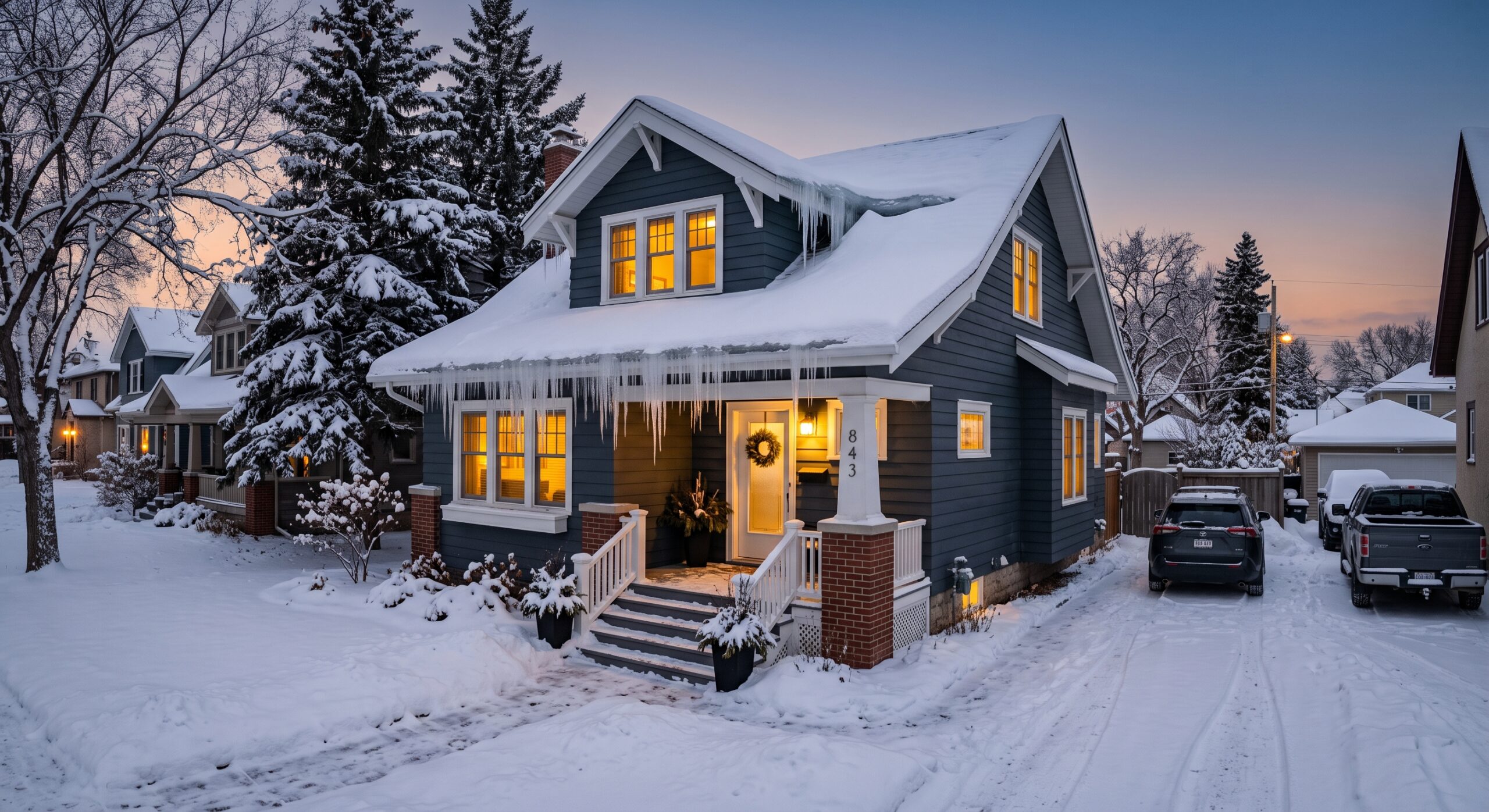
Ice dam formation in winter is a sign that heat is escaping through the roof unevenly, which is often related to insulation or ventilation problems that proper roof care and attic work can resolve.
| Warning Sign | What It Usually Means | Urgency Level |
|---|---|---|
| Granules in gutters | Shingle surface deterioration | Moderate, schedule soon |
| Interior ceiling stains | Active water infiltration | High, call immediately |
| Sagging roof areas | Structural or decking damage | Urgent, do not delay |
| Ice dams in winter | Insulation or ventilation problem | Moderate to high |
| Lifted or missing shingles | Wind damage, exposure to elements | High, schedule quickly |
How Often Should Rooftop Maintenance Be Scheduled
The standard recommendation for rooftop maintenance in Canadian climates is twice per year: once in spring and once in autumn. These two windows align naturally with the most significant weather transitions in Winnipeg.
Spring visits address anything winter may have damaged. Heavy snow loads, ice dam formation, and freeze-thaw cycling all take a toll on roofing materials during the colder months. A thorough spring inspection catches these issues and prepares the roof for summer storm season.
Autumn visits prepare the roof before winter arrives. This typically includes gutter clearing, checking for any damage from summer storms, ensuring all flashing seals are intact, and confirming drainage systems are clear before freeze conditions begin.
Beyond these two scheduled visits, a check should also be made after any significant weather event, such as a hailstorm, high wind event, or prolonged heavy rainfall. Waiting until the next scheduled inspection after a major storm can allow concealed damage to worsen significantly.
For commercial properties, especially those with flat roofs that bear heavier snow loads and more complex drainage systems, quarterly visits may be appropriate depending on the building’s age and condition.
Rooftop Maintenance for Residential vs. Commercial Properties
The needs of a care program differ between residential and commercial properties in meaningful ways. Understanding these differences helps property owners plan appropriately and communicate clearly with their roofing contractor.
Residential Rooftop Maintenance
For homes, care programs typically focus on sloped roof systems. These roofs shed water naturally through their pitch, but they are still vulnerable to shingle deterioration, flashing failures around chimneys and vents, and ridge cap wear. Residential work is generally faster and less complex than commercial, but it should never be skipped simply because problems are less immediately visible.
Commercial Rooftop Maintenance
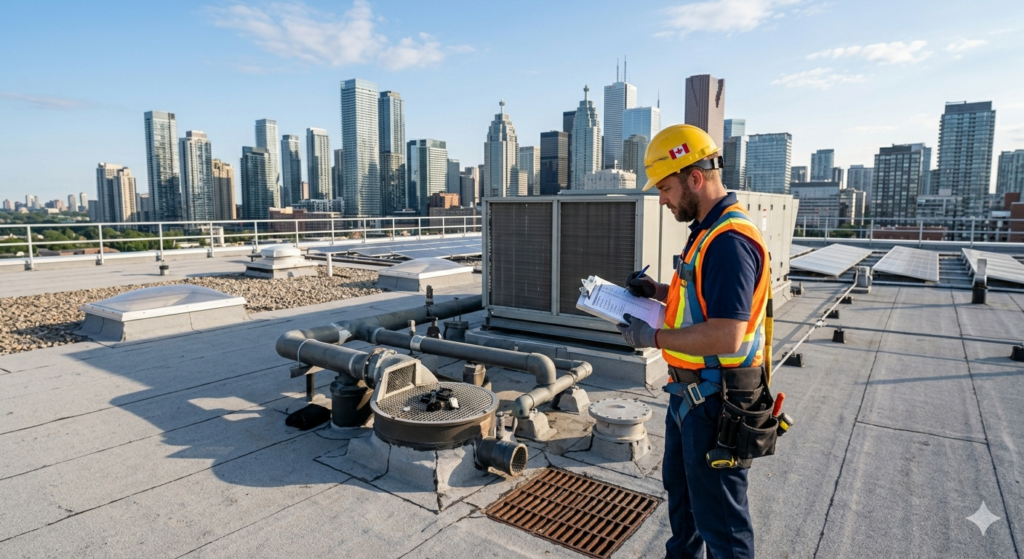
Commercial buildings in Winnipeg often have flat or low-slope roofs with membrane systems. These require more specialized attention because water does not drain as quickly and small punctures or seam failures can allow significant water infiltration before becoming obvious. Drainage systems on flat roofs must be cleared and verified to be functioning after every major weather event.
| Property Type | Roof Style | Key Maintenance Focus | Recommended Frequency |
|---|---|---|---|
| Residential Home | Sloped, shingle | Shingles, flashing, gutters | Twice per year |
| Commercial Building | Flat or low-slope | Membrane, drainage, seams | Twice to four times per year |
| Mixed-Use Property | Varied | Combined inspection approach | Twice per year minimum |
For residential roof installations and ongoing care in Winnipeg, working with experienced local professionals makes a significant difference in long-term outcomes.
Things To Know About Rooftop Maintenance
Before scheduling your first visit, there are a few important points worth understanding so you can make informed decisions and get the most value from the service.
It is not the same as a repair. A service visit identifies issues and addresses minor ones on the spot. Larger repairs are separate work that gets scheduled based on what the inspection reveals.
Weather affects scheduling. Work cannot be safely or effectively performed on a wet, icy, or extremely windy roof. Your contractor will need to schedule around conditions, so booking in advance gives more flexibility.
Documentation protects you. Always ask for a written report after each visit. This record is useful for insurance claims, property sales, and warranty purposes.
Age of the roof matters. Older roofs require more frequent attention because materials are closer to the end of their service life. If your roof is 15 or more years old, more regular care is warranted.
DIY has real limits. While property owners can clear gutters from the ground with tools, actual roof inspections require trained professionals who can safely access the surface and recognize damage that non-experts will miss.
It connects to your energy bills. A well-kept roof with proper insulation and ventilation reduces heating and cooling costs. Neglecting upkeep leads to energy loss that adds up over every billing cycle.
If you want to explore the work involved in shingle roof replacement or understand when routine care transitions into something more extensive, connecting with a professional roofer early gives you more options and more time to plan.
Trusted Rooftop Maintenance Services in Winnipeg
Zega Roofing is a trusted Canadian roofing company serving Winnipeg and surrounding communities, bringing over 25 years of experience to every residential and commercial roofing project. From comprehensive roof inspections and emergency leak repairs to complete roof replacements and spray foam insulation, Zega Roofing delivers dependable service backed by certified, licensed, and insured professionals who understand Manitoba’s climate. For pricing on rooftop maintenance, contact Zega Roofing directly at +1 204-997-2697 or visit zegaroofing.ca to request a free inspection.
Property owners looking into full roofing installation in Winnipeg will also find that Zega Roofing’s team can guide them from an initial assessment through to installation or replacement as needed.
Frequently Asked Questions About Rooftop Maintenance
What is included in a rooftop maintenance inspection?
A rooftop maintenance inspection covers the full roof surface, flashing, gutters, drainage, vents, and attic ventilation. The inspector looks for shingle damage, lifted seals, blocked drainage points, and any signs of water infiltration. A written report summarizing findings and recommended repairs is typically provided after the visit, and minor on-the-spot fixes for small sealant failures or loose flashing are often included.
How often does rooftop maintenance need to be done?
Most Winnipeg properties benefit from rooftop maintenance twice per year, in spring and autumn. Commercial flat roofs or older residential roofs may need more frequent attention. After any significant storm or weather event, an additional check is recommended regardless of when the last scheduled visit occurred.
Can Regular Roof Care Extend the Life of My Roof?
Yes, consistent roof care is one of the most effective ways to extend a roof’s usable lifespan. By catching small issues before they escalate into structural damage, regular inspections can add years to your roof’s service life. Many roofing materials rated for 20 to 25 years can exceed that range with proper ongoing attention.
Is rooftop maintenance different for flat commercial roofs?
Yes, flat roofs require more specialized attention than sloped residential roofs. The absence of natural drainage pitch means water sits longer and membrane seams face more stress. Inspections for flat roofs focus heavily on drainage verification, membrane condition, seam integrity, and ponding water assessment, all requiring professionals familiar with commercial roofing systems.
What is the cost of rooftop maintenance in Winnipeg?
For specific pricing, contact Zega Roofing directly for a free inspection and quote. Costs vary based on the size of the property, roof type, accessibility, and what the inspection reveals. Scheduling rooftop maintenance regularly is nearly always less expensive than addressing the damage that results from skipping it, making it strong long-term value for any property owner.