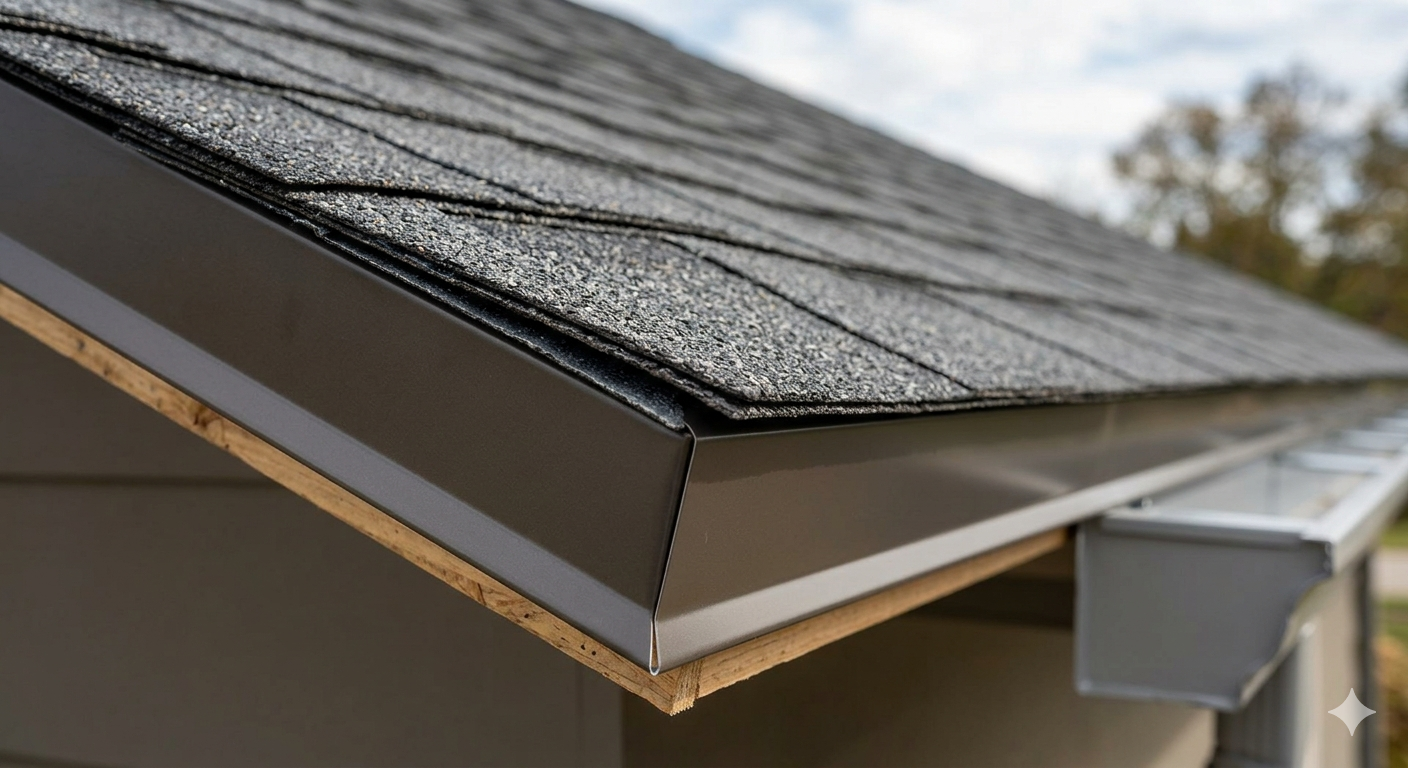
Roof drip edge flashing typically lasts as long as the roofing system itself, often between 20 to 50 years depending on the material used and how well it was installed. This thin metal strip is installed along the edges of your roof to direct water away from the fascia and into the gutters, preventing rot, leaks, and structural damage over time.
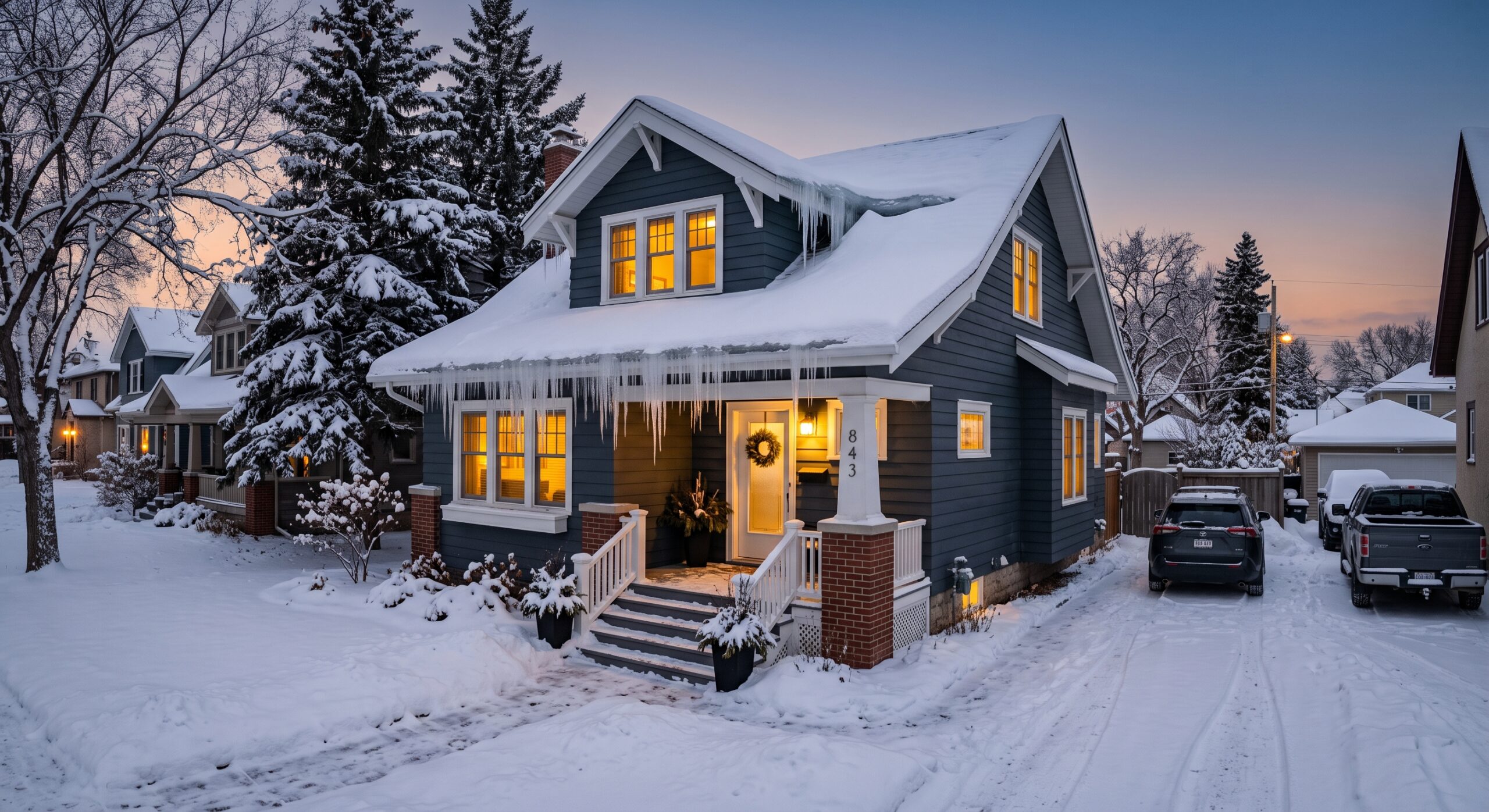
For homeowners in Winnipeg, drip edge flashing plays an especially important role because of the extreme temperature swings, heavy snowfall, and ice buildup the region experiences every year. Without proper drip edge flashing, water can seep behind gutters, soak into the roof deck, and cause expensive damage to fascia boards and even interior ceilings.
What Is Roof Drip Edge Flashing and How Does It Work?
Roof drip edge flashing is a narrow strip of metal, usually aluminum, galvanized steel, or copper, installed along the edges of a roof where the shingles meet the fascia boards. Its primary job is to create a controlled path for water runoff so that rain, melting snow, and ice do not drip behind the gutters or seep underneath the roofing material. The flashing extends slightly beyond the roof deck, creating an overhang that directs water cleanly into the gutter system below.
This component might seem small, but it protects the most vulnerable parts of your roof. The edges are where water tends to pool, where wind can lift shingles, and where ice dams often form during Winnipeg winters. Roof drip edge flashing acts as a barrier that keeps moisture from penetrating these areas, helping prevent wood rot, mold growth, and pest infestations that occur when water reaches untreated wood.
Beyond water management, roof drip edge flashing gives a finished appearance to the roofline and provides shingles something solid to grip onto, improving wind resistance. Many roofing codes across Canada, including standards that apply in Manitoba, require drip edge flashing on both eaves and rakes because of how significantly it improves the longevity of the entire roofing system.
Why Is Roof Drip Edge Flashing Important for Winnipeg Homes?
Winnipeg’s climate presents some of the harshest conditions for roofing systems in Canada, with bitterly cold winters, heavy snow accumulation, and rapid freeze-thaw cycles that can damage unprotected roof edges. Roof drip edge flashing addresses several common roofing problems homeowners in this region face throughout the year.
One major concern is ice dam formation. When snow melts on a warmer section of the roof and refreezes near the colder edges, it creates a dam of ice that backs water up underneath the shingles. Roof drip edge flashing directs this meltwater away from the roof deck and into the gutters before it refreezes. Without this protection, water can seep behind the fascia boards, leading to wood rot that often goes unnoticed until it becomes a major structural issue.
Wind protection is another reason roof drip edge flashing matters. Winnipeg experiences strong gusts throughout the year, and roof edges are the first areas to suffer when wind gets underneath shingles. Properly installed flashing gives shingle edges something to adhere to, reducing the chance of uplift during storms, which is especially relevant for older homes built before this requirement became standardized.
Roof drip edge flashing also protects the fascia boards that run along the roofline and support the gutters. Without proper flashing, water dripping onto the fascia can cause paint to peel, wood to swell, and eventually lead to rot requiring costly replacement. Properly installed flashing helps homeowners avoid this entire chain of damage and extends the life of both the roof and the fascia.
Which Materials Are Best for Roof Drip Edge Flashing?
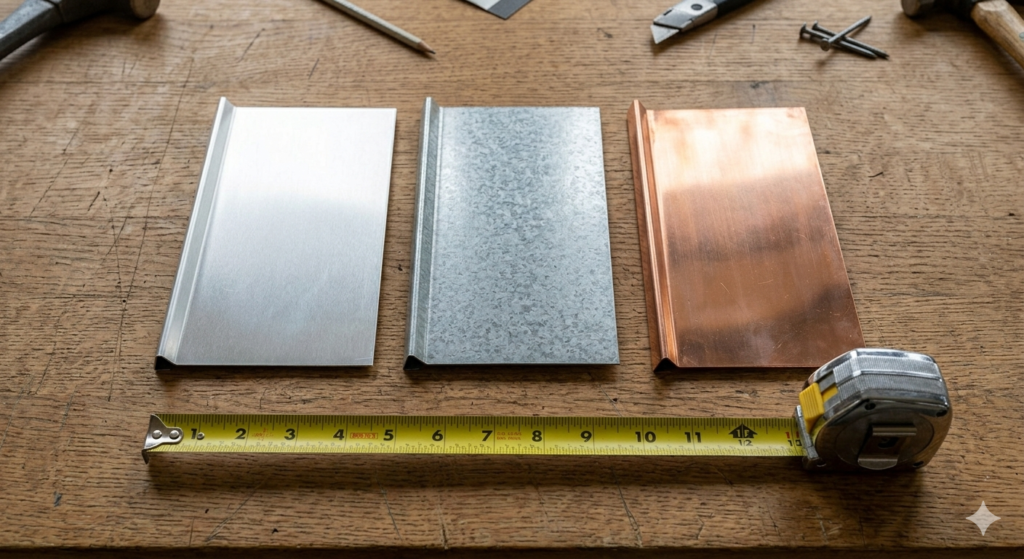
Homeowners generally have three main material options for roof drip edge flashing, each offering different levels of durability, cost, and appearance.
Aluminum is one of the most popular choices because it is lightweight, resistant to rust, and relatively affordable. It performs well in Winnipeg’s climate since it does not corrode easily despite moisture and temperature fluctuations, and it is easy to cut and shape on-site for homes with unique roofline configurations.
Galvanized steel is known for its strength and durability. The galvanization process coats the steel with zinc, helping prevent rust over time. While slightly heavier than aluminum, it offers excellent resistance to impact damage, making it a solid choice for homes prone to hailstorms or falling debris.
Copper flashing, though less common due to cost, is prized for exceptional longevity and a distinctive appearance that develops a natural patina over time. Copper roof drip edge flashing can last well beyond fifty years with minimal maintenance, making it a premium option for homeowners wanting a long-term investment with added architectural character.
| Material | Durability | Maintenance Needs | Best Suited For |
| Aluminum | Good resistance to rust and corrosion | Low maintenance, occasional cleaning | Most residential roofs in Winnipeg |
| Galvanized Steel | High impact resistance | Moderate, watch for scratches in coating | Homes needing extra durability |
| Copper | Excellent, can last decades | Very low, develops natural patina | Premium homes, architectural appeal |
How Should Drip Edge Flashing Be Installed for Maximum Protection?
Proper installation of roof drip edge flashing is just as important as choosing the right material, since even quality flashing fails to perform if positioned incorrectly. Installation generally follows a sequence that ensures water flows in the right direction.
The first step involves installing flashing along the eaves, the lower horizontal edges of the roof, before the underlayment is applied. This allows the flashing to sit directly against the roof deck, with the edge extending slightly past the fascia so water drips cleanly into the gutter rather than running behind it. The flashing is typically secured with roofing nails spaced every twelve inches, ensuring it stays firm during high winds and heavy snow loads.
For the rakes, the sloped edges running from eave to ridge, the order is reversed. The underlayment is applied first, and the drip edge flashing is installed on top along the rake edges. This sequencing allows water that gets past the shingles on the eaves to be directed into the gutters, while water on the rake edges flows over both layers, away from the fascia and siding.
When sections of flashing need to be joined along longer roof edges, they should overlap by at least two inches to prevent gaps. Roofing professionals often apply sealant at these overlap points for added protection. Corners where eave and rake flashing meet require careful mitering and sealing, since corners are often the weakest points if not handled with care.
Steps in a Typical Installation Process
- Measure and cut the flashing to match each roof edge, accounting for overlaps at joints
- Install eave flashing first, directly onto the roof deck, before laying down the underlayment
- Secure the flashing with corrosion-resistant roofing nails spaced approximately twelve inches apart
- Apply the underlayment over the eave flashing, then install rake flashing on top along sloped edges
- Overlap adjoining pieces by at least two inches and seal joints with roofing cement
- Miter and seal corners where eave and rake flashing intersect to prevent water infiltration
- Inspect the entire installation for gaps or loose sections before shingle installation
If you are unsure whether your current roof drip edge flashing was installed correctly, reaching out to a professional roofing contractor near you can help identify gaps in your roof’s protection before they become bigger problems.
What Are the Common Problems That Affect Drip Edge Flashing Over Time?
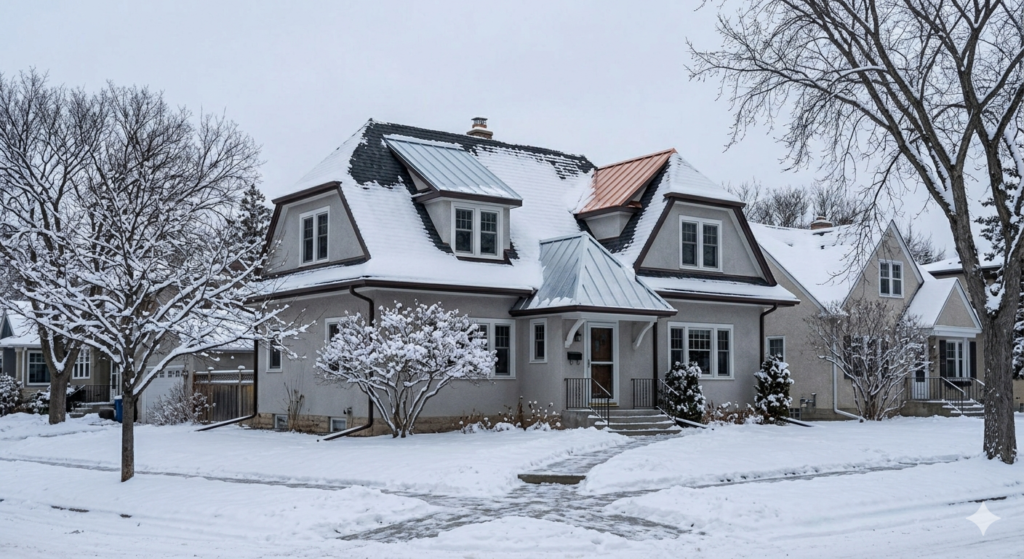
Even though roof drip edge flashing is designed to last, it can develop issues over the years, particularly in a demanding climate like Winnipeg’s. Recognizing these problems early helps homeowners avoid more significant damage.
Corrosion is one of the most frequent issues, tending to affect lower-quality steel flashing more than aluminum or copper. Exposure to moisture, road salt, and general weathering can wear away protective coatings, leaving metal vulnerable to rust. Once rust begins, it creates small holes or weak spots that allow water to penetrate behind the flashing.
Physical damage from ice and snow buildup is another common problem. Heavy snow loads and ice dams can bend roof drip edge flashing or pull it away from the roof deck entirely. When this happens, the flashing can no longer direct water properly, and water may pool against the fascia or drip down the side of the house, causing staining or siding damage.
Loose or improperly secured flashing often develops over time, especially if the original installation used insufficient nails or if nails loosened due to thermal expansion and contraction. Loose sections can lift during windstorms, creating gaps that allow water underneath the shingles. This damage is often difficult to spot from the ground, which is why periodic roof inspections are valuable.
Gaps at overlap joints or corners can also develop as sealant degrades from UV exposure and temperature cycling. These small gaps may seem minor, but over time they allow water to seep through, especially during heavy rainfall or rapid snowmelt. Water stains on fascia boards or soffits are often an early warning sign of a developing leak at the roof edge.
| Visible Sign | Possible Cause | Recommended Action |
| Rust spots or discoloration on flashing | Corrosion of steel material | Inspect for holes, consider replacement |
| Bent or detached sections | Ice dam pressure or storm damage | Have a professional re-secure or replace flashing |
| Water stains on fascia or soffits | Gaps at joints or loose nails | Schedule a roof inspection promptly |
| Visible gaps at corners | Degraded sealant | Reseal or replace affected sections |
If you have noticed any of these signs and are considering a shingle roof replacement, it is often a good opportunity to evaluate and upgrade the drip edge flashing at the same time.
Is Drip Edge Flashing Necessary, How Long Does It Last, and Which Option Should You Choose?
Roof drip edge flashing is widely considered a necessary component for protecting the structural integrity of your home and is required under many building codes across Canada. Without it, the edges of your roof remain vulnerable to water infiltration, leading to rot in the roof deck, damage to fascia boards, and moisture problems inside the attic or ceiling.
The reason it matters comes down to how water behaves on a sloped roof. Gravity naturally pulls rain and melting snow toward the edges, and without drip edge flashing, this water has nowhere controlled to go. It can run down the fascia, behind the gutters, or back underneath the shingles through capillary action, where water moves against gravity through small gaps due to surface tension. Roof drip edge flashing eliminates this risk by giving water a clean path into the gutter system.
How long roof drip edge flashing lasts depends on the material chosen and the quality of installation. Aluminum flashing typically lasts between twenty and thirty years, aligning well with the lifespan of most asphalt shingle roofs. Galvanized steel lasts a similar amount of time but requires more vigilant maintenance to watch for corrosion. Copper stands out as the longest-lasting option, often remaining functional for fifty years or more, making it ideal for homeowners planning to stay in their home for decades.
As for which option is best, it depends on your priorities and budget. For most Winnipeg homeowners seeking a balance between affordability, performance, and maintenance, aluminum roof drip edge flashing is the most practical choice, holding up well against Manitoba’s freeze-thaw cycles without the higher cost of copper. For homes with steep roof pitches or areas prone to hail and falling branches, galvanized steel offers extra durability against impact. For those viewing their roof as a long-term architectural feature, copper provides unmatched longevity and a distinctive look that enhances curb appeal for generations.
A professional assessment can help determine which type of roof drip edge flashing provides the best protection for your situation, taking into account roof pitch, existing materials, and budget.
Things To Know About Roof Drip Edge Flashing
Before deciding on installing or replacing roof drip edge flashing, keep these details in mind for more productive conversations with roofing professionals.
Roof drip edge flashing should always be installed in coordination with your underlayment and shingles, never as a standalone add-on unless absolutely necessary. The sequencing of these layers matters significantly for directing water away from your home, so any retrofit should be done by someone familiar with proper roofing techniques.
The color of your roof drip edge flashing can usually be matched to your gutters or shingles for a cohesive appearance, since most aluminum flashing comes pre-finished in common colors. This small detail makes a noticeable difference in how polished your roofline looks once complete.
Roof drip edge flashing alone cannot fully prevent ice dam issues if the underlying problem is poor attic ventilation or insulation. While flashing helps manage water from ice dams, addressing the root cause through proper attic insulation provides more comprehensive protection during Winnipeg winters.
Regular roof inspections, ideally at least once a year or after major storms, help catch drip edge flashing issues early before they develop into costly repairs involving fascia, soffits, or interior water damage.
Zega Roofing has spent years helping homeowners across Winnipeg address roofing concerns ranging from minor flashing repairs to complete roof system overhauls, bringing local knowledge of how Manitoba’s climate affects every component of a roof, including the often overlooked drip edge flashing.
Final Thoughts on Protecting Your Roof Edges
Roof drip edge flashing might be one of the smaller components of your roofing system, but its role in protecting your home from water damage cannot be overstated. From directing rain and melting snow away from vulnerable fascia boards to preventing ice dams from causing interior leaks, this metal strip works quietly to extend the life of your entire roof. Whether building a new home, replacing an aging roof, or noticing wear along your roofline, evaluating your roof drip edge flashing is a worthwhile investment in your property’s long-term health.
If you suspect your home’s roof drip edge flashing needs attention, reach out for roof maintenance services and a thorough inspection. For pricing on installation or replacement, simply contact Zega Roofing directly, and their team can provide a detailed assessment tailored to your home’s needs.
Frequently Asked Questions About Roof Drip Edge Flashing
Is drip edge flashing necessary?
Yes, it is essential for directing water away from your roof edges and preventing rot. Most building codes require it, and skipping it can lead to costly fascia and roof deck damage, especially in climates with heavy rain and snow.
What are the common problems with drip edge flashing?
Corrosion, bending from ice dams, loose sections, and gaps at joints are the most frequent issues. These often show up as rust spots, water stains on fascia, or visible separation from the roof edge.
What color roof increases home value?
Neutral tones like gray, black, and brown tend to appeal most broadly to buyers. These colors complement a wide range of exterior styles and are generally seen as timeless choices.
How should drip edge flashing be installed?
Eave flashing goes under the underlayment, while rake flashing goes over it, with overlaps sealed at joints. This ensures water is properly directed into the gutters rather than seeping behind the fascia or siding.
Do roofers replace drip edges?
Yes, professional roofers regularly replace damaged or missing drip edge flashing during repairs or full roof replacements. This is often done alongside residential roof installations to ensure the entire system works together.