
You extend roof lifespan by finding small problems early, keeping water moving off the roof, and controlling the heat and moisture in the attic underneath it. Regular inspections, clear gutters, sound flashing, balanced ventilation, and quick repairs protect a roof far better than any single product or coating can.
In Winnipeg, roofs rarely fail from one big event. Most wear out from slow, repeated stress such as ice dams, freeze-thaw cycles, wind-lifted shingles, and warm, damp attic air. When you care for a roof with those conditions in mind, it stays watertight longer, and you get to plan its replacement on your own schedule instead of during an emergency.
The Short Answer: 7 Proven Ways to Extend Roof Lifespan
These seven habits make the biggest difference to how long a residential roof lasts in a cold climate:
- Inspect the roof twice a year and after major storms. Spring and fall checks catch winter and summer damage before water gets into the decking.
- Keep gutters and downspouts clear. Water that can’t drain backs up under shingles and feeds ice dams at the eaves.
- Repair damaged shingles and flashing promptly. One missing shingle or loose piece of flashing can let water rot the wood beneath it.
- Balance attic ventilation and seal air leaks. A cold, dry attic protects the roof deck from condensation and the shingles from overheating.
- Maintain proper attic insulation. Insulation keeps house heat from melting snow on the roof and causing ice buildup.
- Manage heavy snow and ice safely. Professional snow removal reduces load and ice damming without tearing up the shingles.
- Trim branches and clear debris. Leaves, needles, and rubbing branches hold moisture and wear down the granules on shingles.
Each step deals with a different way roofs break down, so they work best together.
What Shortens a Roof’s Lifespan in Winnipeg?
Knowing what actually damages a roof makes it easier to see why each maintenance step matters. In Manitoba, most early roof failures trace back to water, temperature swings, and attic conditions.
Freeze-Thaw Cycles
Water gets into small cracks, lifted shingle tabs, and gaps around flashing. When the temperature drops, that water freezes and expands, which widens the opening. Spring and fall in Winnipeg can bring many cycles above and below freezing, so a tiny defect can grow quickly across one season.
Ice Dams at the Eaves
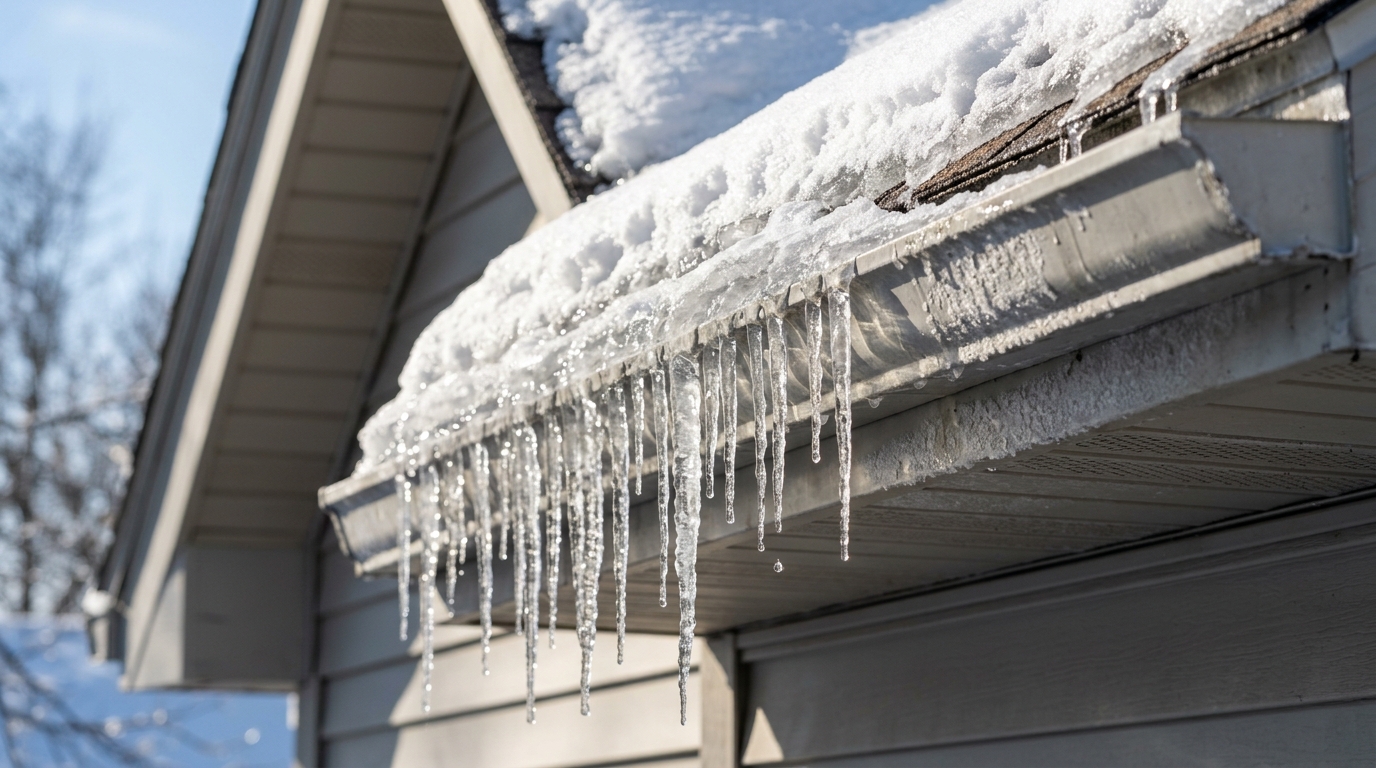
Ice dams form when heat from the house melts snow on the upper roof. The meltwater runs down to the colder eaves and refreezes into a ridge of ice. Water then pools behind that ridge and can work its way under shingles, into the soffits, and through the ceiling.
Wind Damage
Strong prairie winds can lift shingle edges, break the seal strips, and loosen ridge caps. A shingle that has been lifted once is more likely to lift again, and exposed nails or underlayment age much faster than covered areas.
Attic Heat and Moisture
A poorly ventilated attic traps heat in summer, which can bake shingles from below. In winter, warm, humid air leaking up from the house condenses on the cold roof deck. Over time, this can cause mould, soft decking, and rusted nails, even when the shingles look fine from the ground.
| Threat | How It Damages the Roof | What Helps Most |
|---|---|---|
| Freeze-thaw cycles | Widens cracks and gaps as water freezes and expands | Prompt repairs and sealed flashing |
| Ice dams | Forces meltwater under shingles at the eaves | Air sealing, insulation, ventilation, clear gutters |
| Strong wind | Lifts and breaks shingle seals, loosens ridge caps | Regular inspections and quick shingle repair |
| Attic condensation | Rots decking and rusts fasteners from below | Balanced ventilation and air sealing |
| Summer attic heat | Speeds up shingle aging from the underside | Proper intake and exhaust ventilation |
| Debris buildup | Holds moisture and wears down shingle granules | Seasonal cleaning and tree trimming |
How Each Maintenance Step Protects Your Roof
The habits that extend roof lifespan work because each one deals with a specific cause of damage. Here is how they protect the roof and when each one matters most.
Regular Roof Inspections
Inspections are the foundation of a longer-lasting roof because nearly every major repair starts as a minor one. A spring inspection shows what winter did, such as lifted shingles, ice damage at the eaves, or loosened flashing. A fall inspection gets the roof ready for snow.
From the ground, you can safely look for missing or curled shingles, granules collecting in downspouts, sagging lines, and dark streaks. Inside, check the attic for damp insulation, frost on nails in winter, or water stains on the underside of the decking. Walking the roof is best left to a professional, especially on steep or icy surfaces.
Gutters and Drainage
Gutters carry water away from the roof edge, fascia, and foundation. When they clog with leaves or ice, water backs up under the first row of shingles and soaks the roof edge. Clean gutters in late fall after the leaves drop and again in spring. Downspouts should also discharge well away from the house.
If your gutters keep overflowing or pulling away from the fascia, they may be undersized or poorly sloped. A properly working roofing gutter system is one of the simplest ways to protect the lower edge of the roof, which is usually the first area to fail in Winnipeg winters.
Flashing and Roof Edges
Flashing seals the joints where the roof meets chimneys, walls, vents, skylights, and valleys. These transitions are where most leaks begin because they move with temperature changes. Look for lifted, rusted, or bent metal and cracked sealant.
The roof edge needs the same attention. Damaged roofing edge flashing lets wind-driven rain and meltwater reach the decking and fascia. Resealing or replacing flashing early costs far less than repairing rotted wood later.
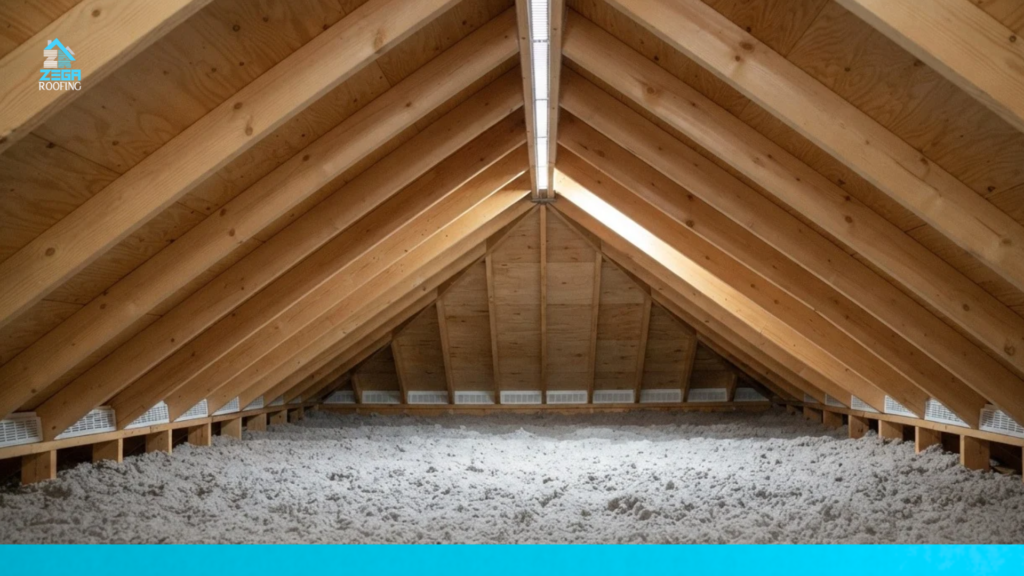
Attic Ventilation and Air Sealing
Good ventilation brings cool outside air in at the soffits and lets warm, moist air out near the ridge. That airflow keeps the roof deck colder in winter and cooler in summer, which slows shingle aging and reduces ice dams.
Ventilation only works well when the ceiling below is sealed. Natural Resources Canada notes that air leaks around chimneys, vents, plumbing pipes, and electrical boxes in the attic can cause substantial heat loss and a range of moisture problems. Sealing those openings first, then making sure intake and exhaust vents are balanced and not blocked by insulation, gives the roof the best protection.
Attic Insulation
Insulation keeps house heat where it belongs. When the attic floor is under-insulated, heat rises into the attic, warms the roof deck, and melts snow from below. That is the starting point for most ice dams. Topping up thin or compressed insulation, or adding spray foam in hard-to-seal areas, helps the roof surface stay evenly cold through winter.
Snow and Ice Management
Heavy snow adds load, and deep snow on a warm roof feeds ice dams. Removing snow from the lower few feet of the roof after big storms can reduce damming and stress. The method matters, though. Metal shovels, chipping at ice, and climbing on a frozen roof can crack shingles and cause injuries. Professional rooftop snow removal and roof maintenance uses safer techniques that clear the load without scraping away the shingle surface.
Debris and Overhanging Trees
Branches that rub against the roof scrape off protective granules and can lift shingles in the wind. Leaves and needles collect in valleys and behind chimneys, where they hold moisture against the roof. Trimming branches back and clearing debris each spring and fall keeps water flowing and the shingle surface intact.
| Season | What to Check or Do | Why It Extends Roof Lifespan |
|---|---|---|
| Spring | Inspect for winter damage, clear debris, check attic for moisture | Catches ice and wind damage before summer storms |
| Summer | Confirm attic vents are open, trim branches | Reduces heat buildup and granule wear |
| Fall | Clean gutters, check flashing and sealant, inspect shingles | Prepares the roof for snow and freeze-thaw |
| Winter | Watch for ice dams and heavy snow, check attic for frost | Limits water backup and moisture damage |
| After storms | Look for lifted or missing shingles and loose flashing | Stops small wind damage from spreading |
Repair or Replace? When Extending Roof Lifespan Stops Making Sense
Maintenance can add years to a roof, but it can’t stop shingles from aging forever. The goal is to repair while repairs make sense and to replace before hidden damage spreads into the decking, insulation, and ceilings.
When Repairs Are the Right Choice
Repairs usually make sense when damage is limited to one area, the rest of the shingles still lie flat and hold their granules, and the decking underneath is solid. A few wind-damaged shingles, a leaking pipe boot, or a section of failed flashing are typical repair jobs that can keep an otherwise healthy roof working well.
When Replacement Is the Better Investment
Replacement becomes the smarter choice when problems show up across the whole roof instead of in one spot. Widespread curling or cracking, heavy granule loss, repeated leaks in different areas, soft or sagging decking, and frequent ice damage all point to a roof near the end of its service life. At that stage, continued patching often costs more over time than a planned shingle roof replacement.
A new roof is also the best time to correct problems that shortened the old one. Adding ice and water protection at the eaves, improving ventilation, and upgrading flashing can help the next roof last noticeably longer. Homeowners throughout the communities we serve across Winnipeg, from Charleswood to North Kildonan, face the same winter conditions, so these upgrades are worth discussing during any replacement.
Things To Know
- Most roof damage starts at the eaves, valleys, and flashing, so check those areas first.
- Granules in your gutters or downspouts are an early sign that shingles are wearing out.
- Frost on attic nails or damp insulation in winter points to air leakage and poor ventilation, not just a roof problem.
- More ventilation alone won’t fix moisture issues if warm air keeps leaking into the attic from the house.
- Never chip ice off shingles or shovel the roof with metal tools, because this causes more damage than the ice.
- Fixing a small leak quickly protects the decking, which is far harder to repair than shingles.
- Keep records of inspections and repairs so patterns are easier to spot as the roof ages.
- Repeated leaks in different spots usually mean it’s time to start planning a replacement rather than more repairs.
Small, Consistent Care Adds the Most Years to a Roof
The most reliable way to extend roof lifespan is steady, seasonal attention rather than one big fix. Keeping water draining, flashing sealed, and the attic cold and dry deals with the exact conditions that wear roofs down in Winnipeg. When repairs happen early and replacement is planned before damage spreads, your roof protects your home for as long as its materials allow.
If you have questions about your roof’s condition, want help spotting early signs of wear, or would like to talk through repair and replacement options, contact Zega Roofing for guidance.
Frequently Asked Questions
How long does a roof last in Winnipeg?
Most asphalt shingle roofs in Winnipeg last roughly 15 to 30 years, depending on the shingle quality, installation, and ventilation. Harsh winters, ice dams, and strong winds can shorten that range when maintenance is neglected. Roofs with balanced ventilation, good insulation, and prompt repairs tend to reach the upper end of their expected lifespan.
Does roof maintenance really extend roof lifespan?
Yes, regular maintenance is one of the most effective ways to extend roof lifespan. Inspections and minor repairs stop leaks before they reach the decking and insulation. Clean gutters and sealed flashing also prevent the water damage that causes most early roof failures.
Can attic ventilation affect how long a roof lasts?
Yes, poor attic ventilation can shorten a roof’s life from the inside. Trapped heat ages shingles faster in summer, and trapped moisture condenses on the roof deck in winter. Balanced ventilation combined with air sealing keeps the attic cold and dry, which protects both the shingles and the wood beneath them.
How often should a roof be inspected?
A roof should be inspected at least twice a year, in spring and fall, and after any major storm. Spring inspections reveal winter damage, while fall inspections prepare the roof for snow and ice. Older roofs may benefit from more frequent checks as they near the end of their service life.
Is it worth repairing an old roof or should it be replaced?
Repairing is worth it when damage is limited to one area and the rest of the roof is in good condition. If you see widespread curling, heavy granule loss, soft decking, or recurring leaks in several places, replacement is usually the better long-term choice. A professional assessment can confirm which option fits your roof’s condition.