
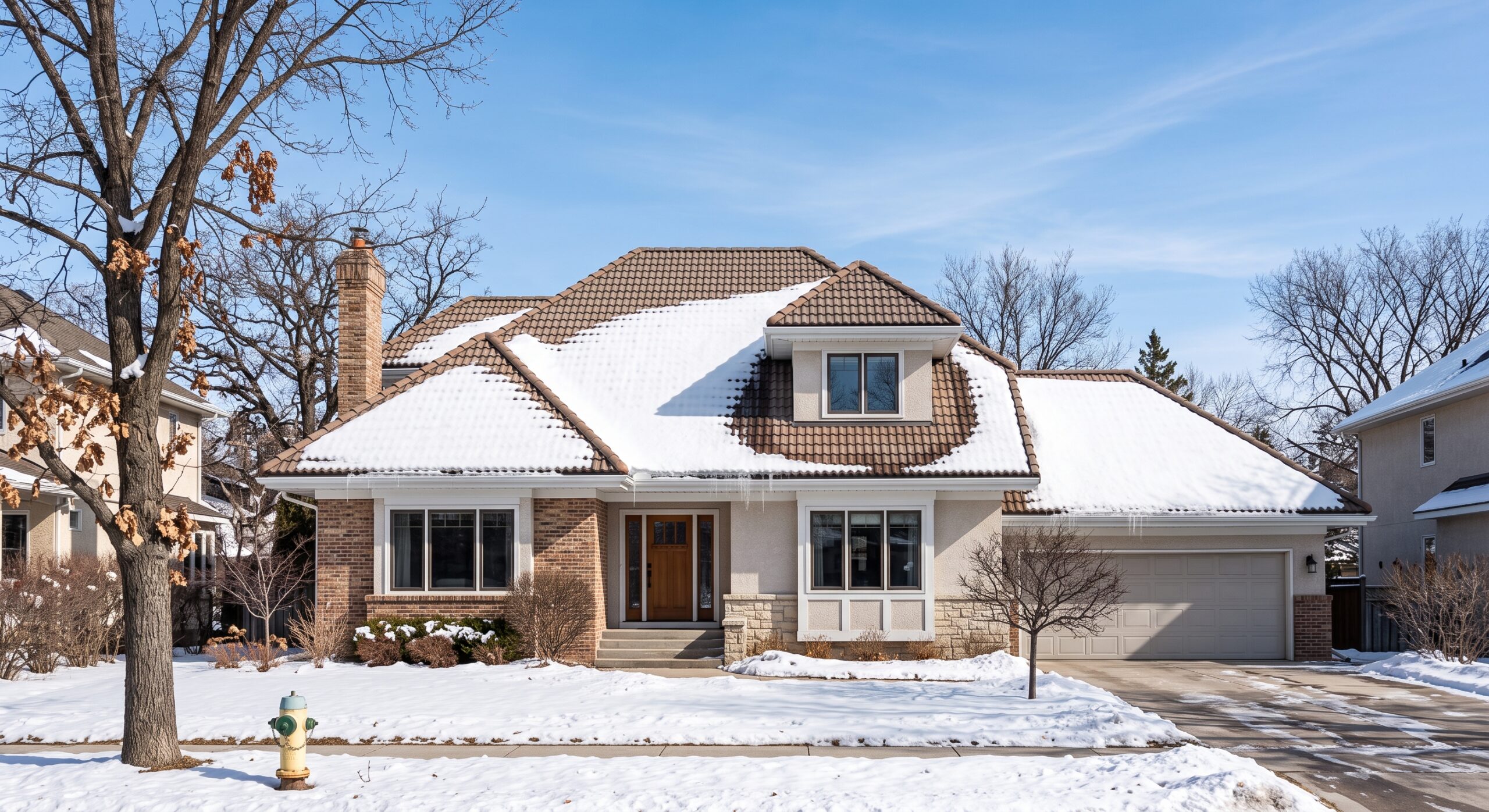
Roof tiles are a heavy duty roofing material built to withstand decades of snow, wind, and temperature swings, which makes them a strong option for homes across Winnipeg and southern Manitoba.
Unlike standard asphalt shingles, tile roofing relies on weight and an interlocking design to stay anchored through blizzards and spring melt, often lasting fifty years or longer with the right installation.
Homeowners weighing a full roof replacement or planning a new build often compare roof tiles against shingles based on upfront cost, structural requirements, and how long they intend to stay in the property.
Why Roof Tiles Hold Up in Winnipeg’s Climate
Manitoba winters put roofing to a real test. Temperatures swing from deep freeze to sudden thaw within days, and that cycle stresses every seam and fastener on a roof. Roof tiles handle this stress better than many lighter materials because their density resists cracking under repeated freeze and thaw movement.
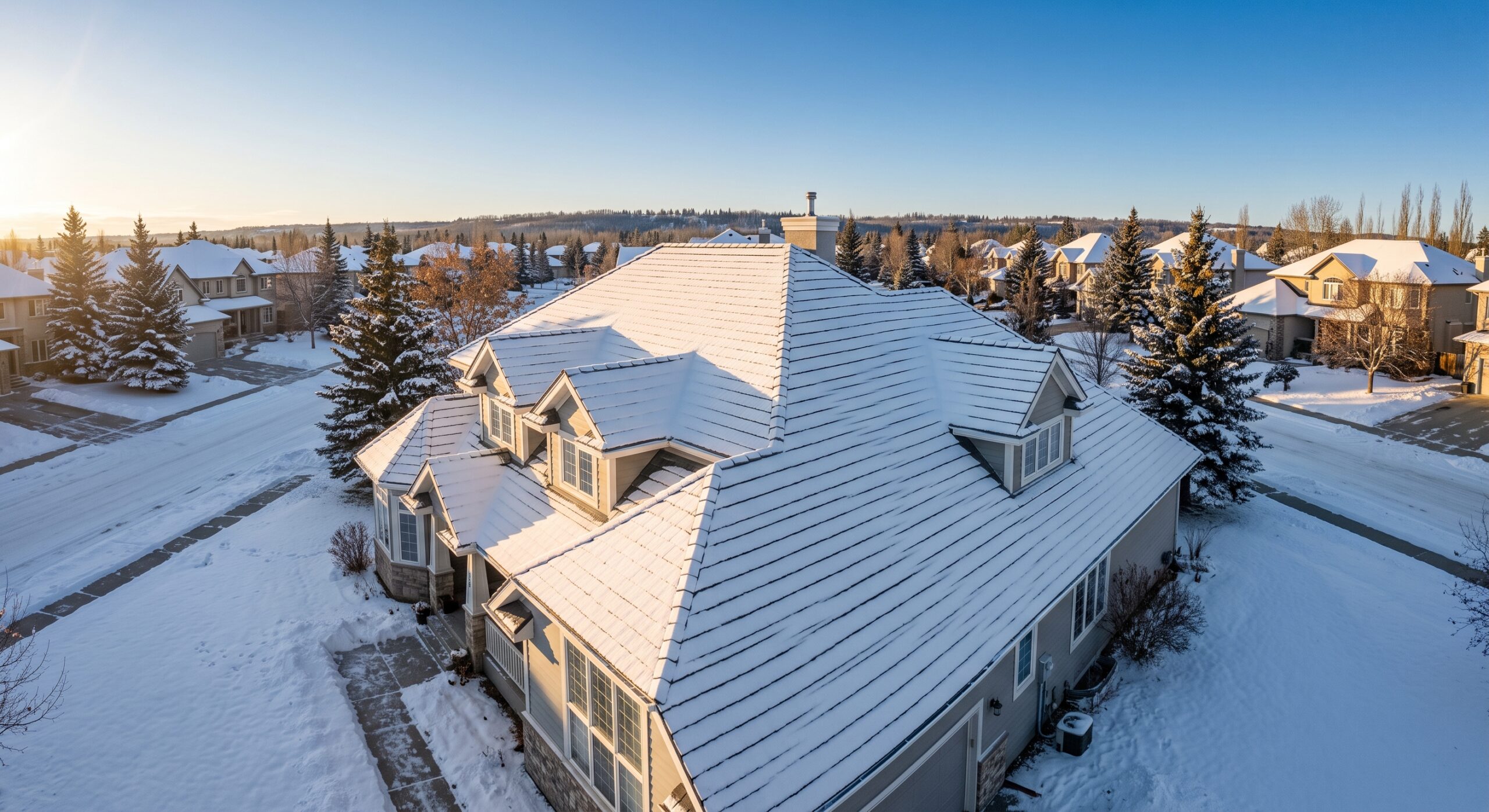
Wind is another factor. Winnipeg sits in open prairie terrain with few natural windbreaks, so gusts hit rooftops directly and without much interruption. A properly installed tile roof interlocks tightly, which lowers the chance of individual pieces lifting the way lightweight shingles sometimes do during a spring storm.
Climate factors that favor tile roofing in Manitoba
- Freeze thaw cycles that crack softer materials over several seasons
- High wind exposure across open prairie terrain
- Heavy seasonal snow load pressing down on sloped surfaces
- Long summer UV exposure that fades and weakens some materials faster than others
What Tile Roofing Is Made Of
Tile roofing comes in a handful of material types, and each one performs differently through a Winnipeg winter. Clay tiles are fired at high temperatures and hold their color for decades, though they rank among the heaviest options and need solid structural support underneath.
Concrete tiles cost less than clay while offering similar durability, which is why many Manitoba homes lean toward them for a balance of price and performance. Synthetic composite tiles mimic the look of slate or wood shake at a lighter weight, a trait that suits older homes that cannot carry as much added roof load.
Homeowners exploring their options can browse tile roofing styles and finishes to get a sense of how each material looks once installed on a real roof.
Comparing common tile materials
| Material | Approximate Lifespan | Weight | Best Suited For |
| Clay tile | 50 to 100 years | Heavy | Homes with reinforced framing |
| Concrete tile | 40 to 75 years | Heavy | Most standard residential roofs |
| Synthetic composite tile | 30 to 50 years | Light | Older homes or lighter framing |
| Slate tile | 75 to 100+ years | Very heavy | Custom or heritage builds |
Roof Tiles Compared to Asphalt Shingles
Asphalt shingles remain common in Winnipeg because they cost less upfront and go up quickly. Roof tiles ask for a larger initial investment and sometimes need extra framing reinforcement, but they make up the difference through a much longer service life and far fewer replacement cycles over the life of a home.
Appearance is another point of difference worth noting. Shingles come in a flat, fairly uniform texture, while tile roofing adds dimension and a more distinct profile that many homeowners prefer for curb appeal. For a closer look at how the two options stack up on an actual project, this shingle roof replacement overview walks through what a shingle upgrade typically involves.
Tile roofing versus asphalt shingles at a glance
| Feature | Tile Roofing | Asphalt Shingles |
| Typical lifespan | 40 to 100+ years | 15 to 25 years |
| Weight on structure | Heavy, may need reinforcement | Light, fits most standard framing |
| Wind resistance | Strong when interlocked | Moderate, depends on grade |
| Maintenance | Low once installed correctly | Moderate, periodic granule loss |
| Upfront investment | Higher | Lower |
Which Tile Option Is Best for Your Home
The right choice depends on three things, your roof’s structural capacity, your budget, and how long you plan to stay in the home. A newer build with reinforced trusses can usually carry clay or concrete without extra work, while an older Winnipeg home might need an engineer to confirm the framing before committing to heavier tile roofing.
For homeowners who want the tile look without the added weight, synthetic composite is often the practical middle ground. It costs less to install than clay or slate and still holds up well against Manitoba’s freeze thaw pattern year after year. If you are unsure which material fits your specific roof, our team can contact our roofing specialists for a hands on assessment before you commit to a material.
How to decide which tile material fits your home
- Ask a roofing contractor to assess your existing trusses and rafters
- Compare your budget against the expected lifespan of each material
- Consider how long you plan to stay in the home before replacement is worth it
- Factor in the slope and wind exposure of your specific roof
How to Maintain Roof Tiles Through Manitoba Winters
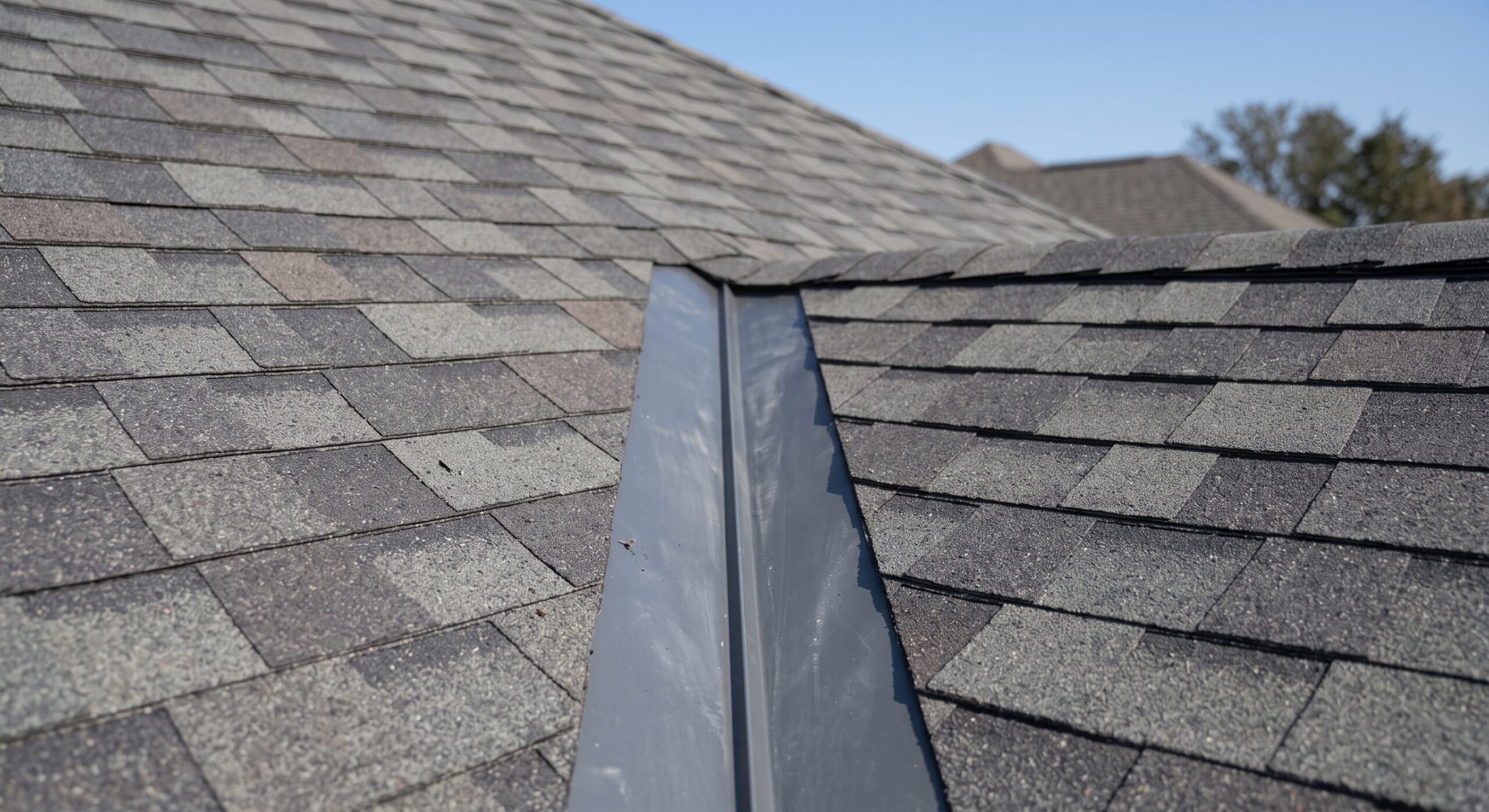
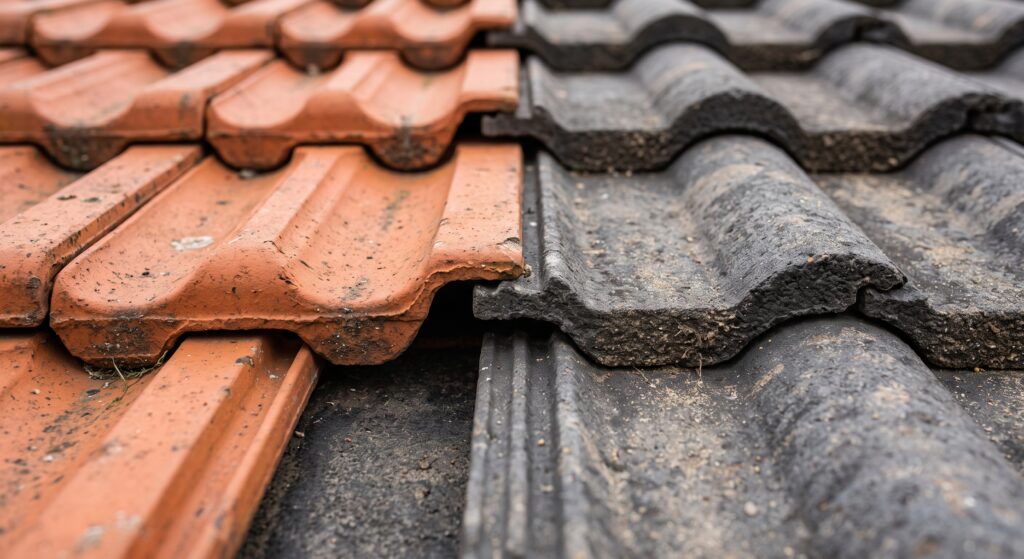
Roof tiles need less upkeep than shingles, but they are not maintenance free. Clear fallen branches and debris after storms so meltwater has a clear path off the roof surface. Check flashing around chimneys and vents each spring, since this is where most leaks begin regardless of the roofing material used.
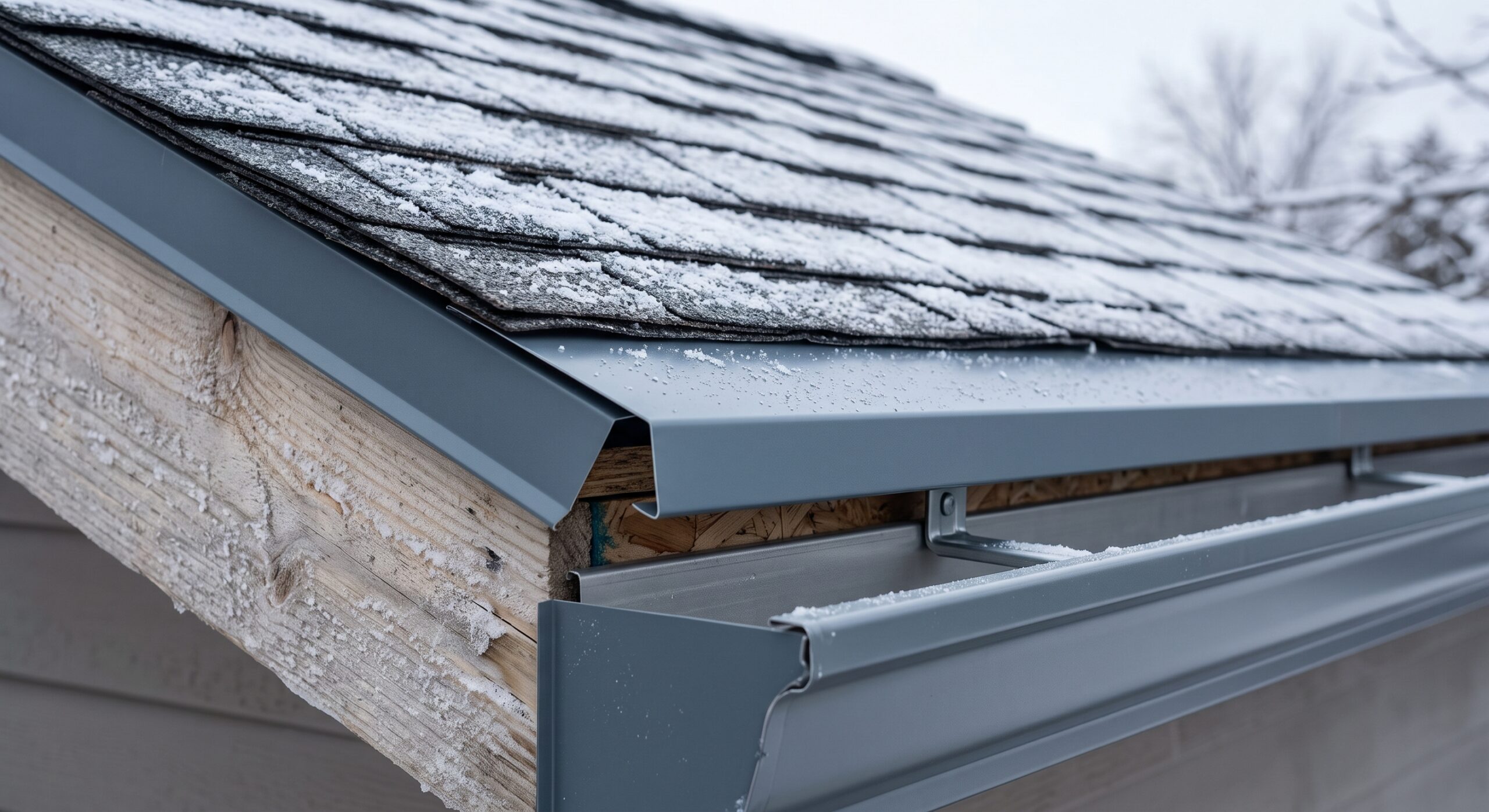
A yearly inspection before the first snowfall catches small issues, like a cracked or shifted tile, before winter makes repairs harder and more expensive. Pairing tile roofing with a quality roof ice and water shield underneath adds an extra layer of protection against spring melt working its way under the surface.
Signs Your Roof Tiles Need Repair
Cracked or slipped tiles after a windstorm are the most obvious warning sign to watch for. Also look for granule buildup in gutters, which points to wear on composite pieces, and water stains on interior ceilings after a heavy rain or spring melt, since that usually means the underlayment beneath the tiles has failed and moisture is getting through.
Catching these signs early, rather than waiting for a full leak, usually keeps repair costs and scope much smaller.
Things to Know Before You Switch to Tile Roofing
A structural review matters most, since most homes built after the 1980s can support concrete tile without upgrades, though it is always worth confirming with an engineer first. Installation timing also plays a role, and late spring through early fall gives contractors the most reliable working conditions in Manitoba.
Check local permit requirements with your municipality before a full roof replacement begins. Some insurance providers also offer lower premiums for heavier, wind resistant roofing materials, so it is worth asking your provider directly. Underlayment quality matters just as much as the tiles themselves, since a solid waterproof membrane underneath does much of the work during spring melt.
According to background on tile construction from Wikipedia’s overview of roof tiles, clay and concrete tiles have been used in residential construction for centuries because of how well they shed water and resist decay compared to organic materials.
The Bottom Line on Roof Tiles
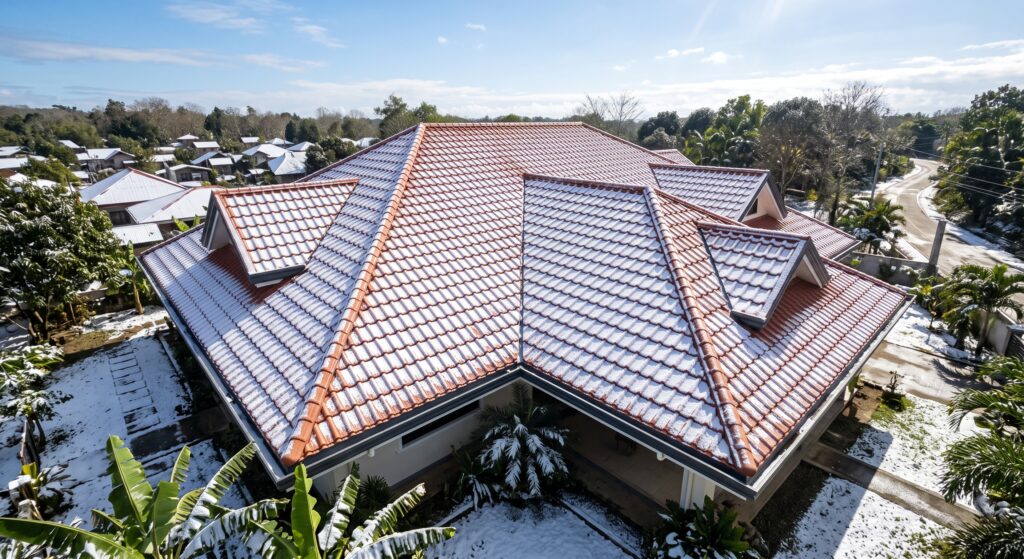
For homeowners planning to stay put for the long haul, roof tiles often pay for themselves through decades of reduced maintenance and fewer full replacements. The upfront cost is real, but so is the payoff in durability against Manitoba’s freeze thaw cycles, prairie winds, and heavy snow load.
Zega Roofing has worked on residential and commercial roofs across Winnipeg and the surrounding area, and can walk you through which tile material actually fits your home before any work begins. Browse our past roofing projects to see finished tile and shingle work up close.
If you have any questions about roofing materials or are interested in a free inspection, contact Zega Roofing today. Our team is ready to help you find the right roofing solution for your Winnipeg home.
Frequently Asked Questions
Do tile roofs work well in Winnipeg winters
Yes, tile roofing resists the freeze thaw cycles and high winds common across Manitoba, making it a durable option for local homes.
How much heavier is a tile roof than asphalt shingles
Tile roofing typically weighs several times more than shingles, so most older homes need a structural check before installation.
How long does tile roofing last compared to shingles
Quality tile roofing can last 40 to 100 years depending on material, while asphalt shingles usually need replacement every 15 to 25 years.
Can older Winnipeg homes support tile roofing
Many can, but a contractor or engineer should confirm the trusses and rafters before committing to heavier materials like clay or slate.
What is the best time of year to install tile roofing in Manitoba
Late spring through early fall offers the most reliable weather window for a full roof replacement in Winnipeg.