Roof ice and water shield is a waterproof membrane installed under shingles along roof edges, valleys, and vulnerable areas to block meltwater and ice dams from reaching the wood deck.
In Winnipeg, where freeze-thaw cycles happen dozens of times each winter, this layer is often the difference between a dry attic and thousands of dollars in water damage.
Homeowners typically add it during a new roof installation or a full shingle replacement, and the right placement depends on roof slope, climate exposure, and how the home is built. Below, we break down how it works, where it belongs, which option fits different homes best, and what every Winnipeg homeowner should know before their next roofing project.
Why Winnipeg Homes Need Roof Ice and Water Shield
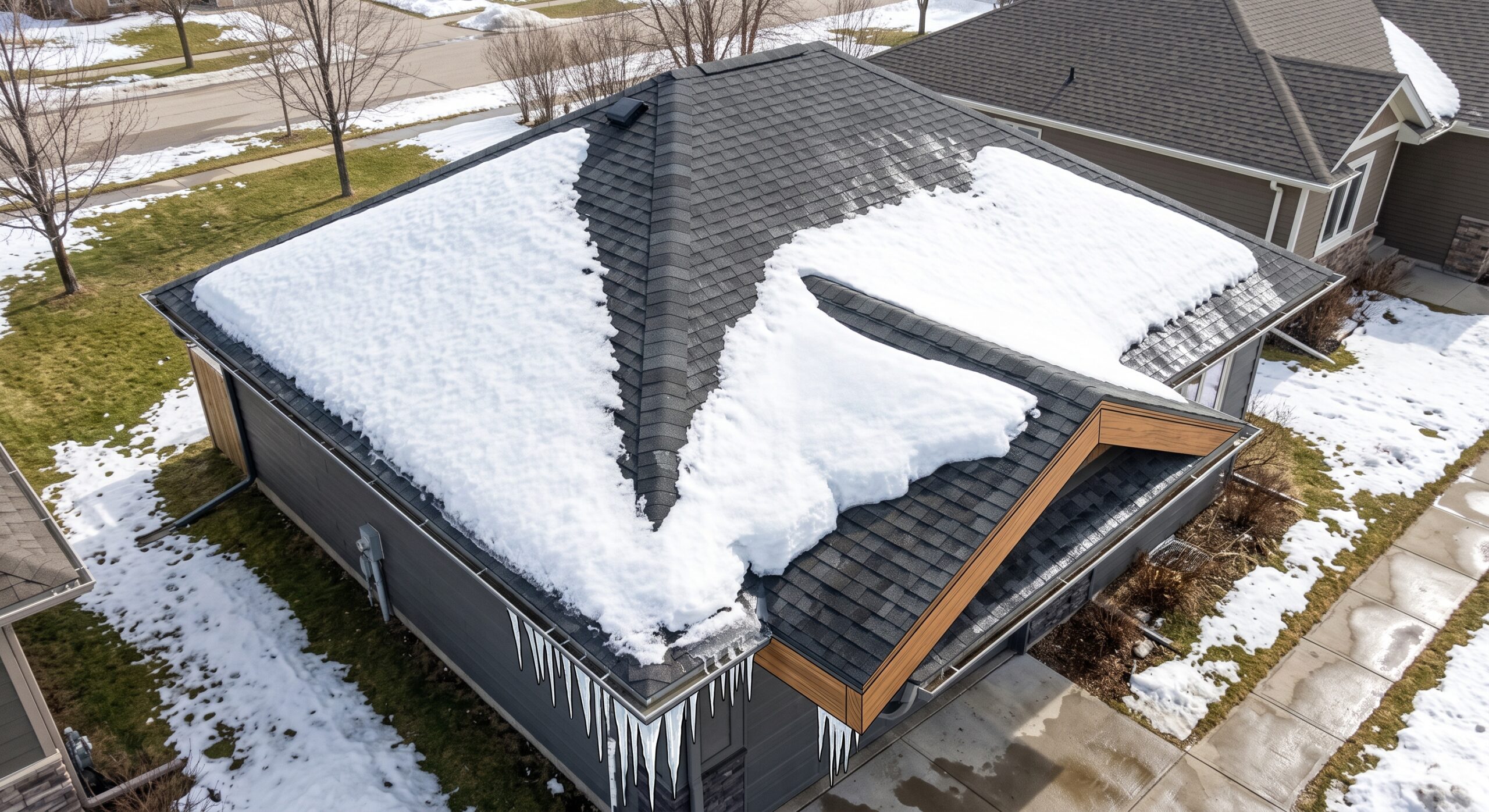
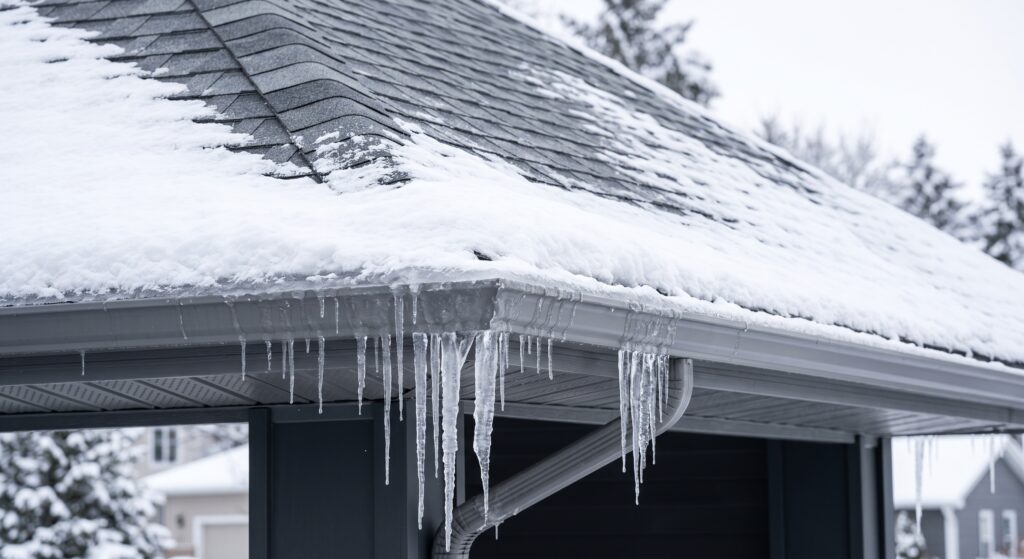
Winnipeg winters swing between deep freezes and sudden warm spells, and that back-and-forth is exactly what creates ice dams. Snow on a warm roof surface melts, runs down toward the cold eaves, and refreezes into a ridge of ice.
Once that ridge forms, water backs up underneath the shingles instead of draining off the roof. Roof ice and water shield gives that trapped water nowhere to go but away from the wood deck, because the membrane self-seals around fasteners and creates a watertight barrier.
Without it, homeowners often discover the damage only after it has spread: stained ceilings, soaked insulation, or mold growing quietly inside an attic. Manitoba’s building conditions make this membrane less of an upgrade and more of a baseline requirement for a roof that’s meant to last.
What Is Roof Ice and Water Shield, Exactly?
At its core, roof ice and water shield is a self-adhering membrane made from modified bitumen or rubberized asphalt, backed with a polyethylene or fiberglass layer. It’s rolled out directly onto the roof deck before shingles go down, and it bonds tightly to the wood surface. The adhesive backing also seals tightly around roofing nails, so even where fasteners puncture the material, water still can’t get through.
This is different from standard underlayment, which mainly protects against wind-driven rain. Ice and water shield is built specifically to handle standing water and slow-moving ice melt, which is why it’s concentrated in the areas most likely to trap moisture rather than spread across the entire roof deck.
How Ice and Water Shield Performs Through Winnipeg’s Freeze-Thaw Cycles
Manitoba’s climate puts roofing materials through repeated stress. Temperatures can drop below freezing overnight and climb well above it by afternoon, especially in late winter and early spring. Each cycle causes snow to melt and refreeze, and every refreeze pushes water further under the shingle layer if there’s no barrier stopping it.
What Happens Without a Membrane
- Meltwater seeps under shingles and reaches the wood deck
- Repeated freezing causes the wood to swell, warp, or rot over time
- Trapped moisture creates ideal conditions for mold and mildew
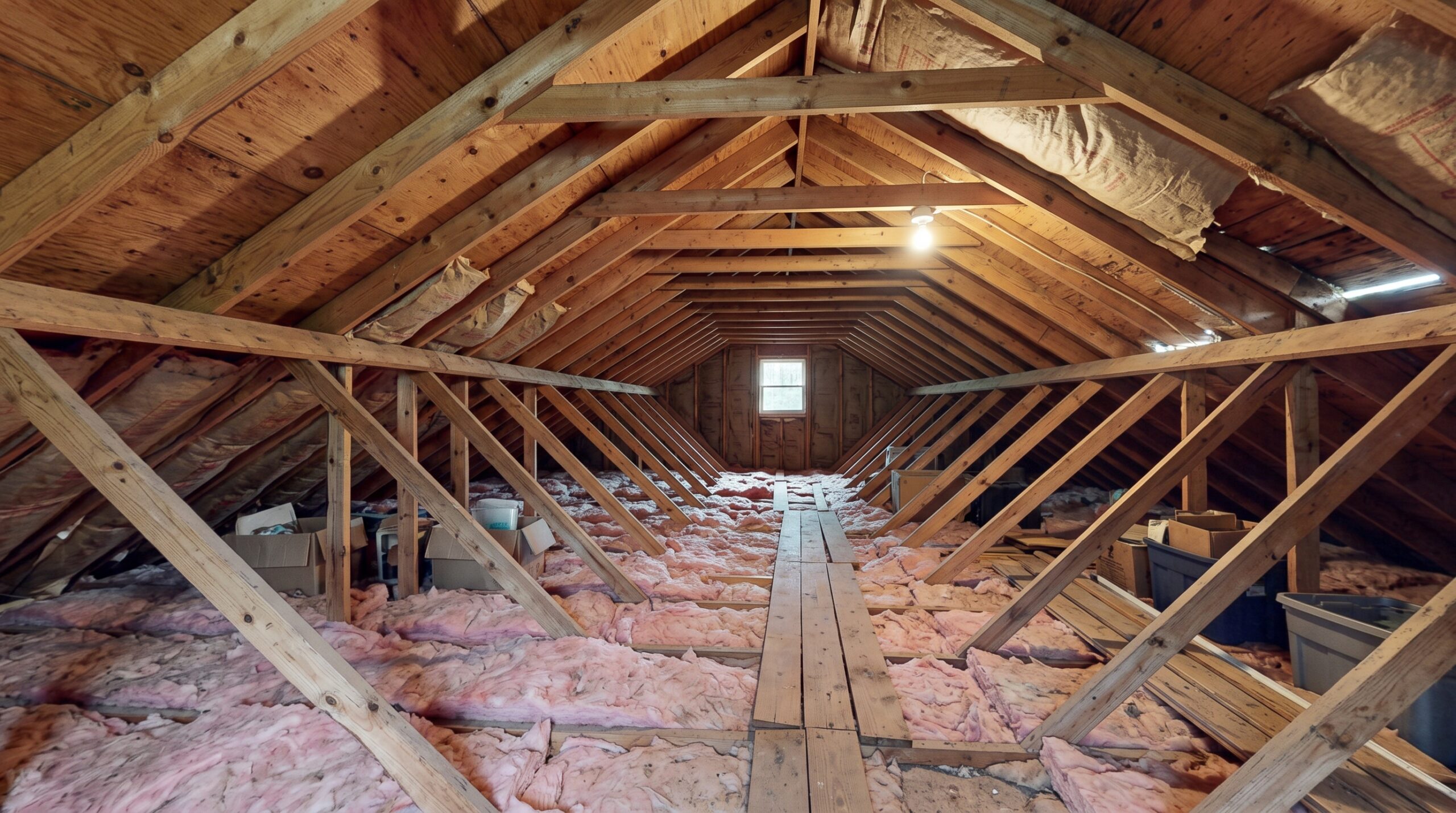
- Attic insulation absorbs water, losing its effectiveness
- Interior ceiling stains and drywall damage appear months after the original leak
What Changes With It Installed
- Meltwater is redirected off the roof edge instead of pooling
- Nail penetrations remain sealed even after years of freeze-thaw movement
- The wood deck stays dry, protecting the roof’s structural lifespan
- Attic insulation stays effective through winter
- Homeowners avoid costly interior repairs tied to slow leaks
Where Roof Ice and Water Shield Should Be Installed
Placement matters as much as the material itself. Most Winnipeg roofing contractors follow local building code guidance, which generally calls for the membrane to extend from the roof edge to at least 60 centimeters (about 24 inches) past the interior wall line. That distance accounts for how far ice dams typically form on a sloped roof during a Manitoba winter.
Beyond the eaves, several other roof sections benefit from the same protection:
High-Risk Areas That Need Coverage
- Roof valleys, where two slopes meet and water naturally concentrates
- Around chimneys, skylights, and vent pipes, where flashing seams can leak
- Low-slope sections, where water drains more slowly
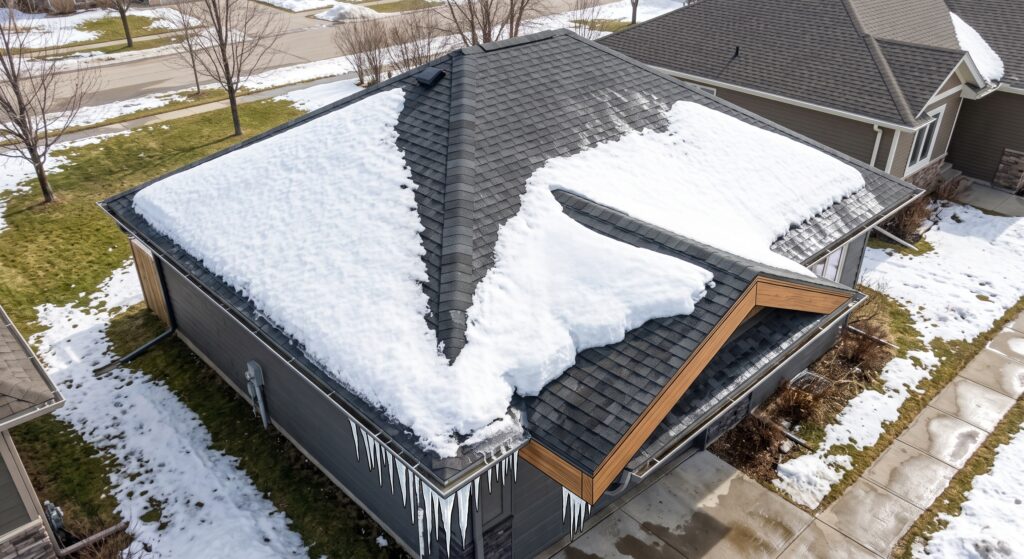
- North-facing slopes, which stay colder and hold snow longer than south-facing roofs
- Dormer intersections, where roof planes change direction
Homes with complex rooflines, multiple valleys, or dormers generally need more membrane coverage than a simple gable roof. A roofer assessing your home in person is the best way to confirm exact coverage needs, since slope, attic ventilation, and sun exposure all factor into the recommendation.
Which Roof Ice and Water Shield Option Is Best for Your Home
Not every roof needs the same type or amount of protection, and choosing the right option comes down to three questions: why your roof is vulnerable, how it’s currently built, and which membrane thickness or coverage matches that risk level.
Why it matters: Homes with poor attic ventilation or steep temperature differences between the attic and outdoors tend to form ice dams faster, so they need broader coverage rather than the minimum code requirement.
How to decide: A roofer will typically evaluate your roof’s slope, existing insulation, past leak history, and how much of the roof faces north or stays shaded. Homes with a history of ice damming usually benefit from extending the membrane further up the slope than the minimum standard.
Which option fits: For most standard residential roofs in Winnipeg, a self-adhering rubberized membrane along the eaves and valleys is sufficient. For homes with low-slope sections, multiple roof intersections, or a documented leak history, full-coverage membrane across the lower half of the roof is often the safer long-term choice.
| Membrane Type | Best For | Coverage Level |
| Standard eave and valley shield | Typical gable roofs with good attic ventilation | Eaves and valleys only, per code minimum |
| Extended coverage shield | Homes with north-facing slopes or past ice dam issues | Eaves, valleys, and lower roof sections |
| Full-slope membrane | Low-slope roofs, additions, or complex rooflines | Entire roof deck beneath shingles |
| Roof Feature | Ice Dam Risk Level | Recommended Coverage |
| Simple gable, good ventilation | Low to moderate | Standard eave coverage |
| Multiple valleys or dormers | Moderate to high | Extended coverage |
| North-facing or shaded slope | High | Extended to full-slope coverage |
| Low-slope roof section | High | Full-slope membrane |
Homeowners planning a shingle roof replacement often find this is the ideal time to upgrade coverage, since the membrane goes down before new shingles are installed anyway.
Things to Know About Roof Ice and Water Shield
- It’s typically installed during new construction, a full roof replacement, or when replacing damaged shingles near the eaves
- The membrane has a long service life, often matching or exceeding the lifespan of the shingles above it
- Proper attic insulation and ventilation work together with the membrane, reducing the heat loss that causes uneven snowmelt in the first place
- It cannot be added after shingles are already installed without removing that section of roofing first
- Local building code sets a minimum coverage distance, but many Winnipeg homes benefit from going beyond that minimum given the freeze-thaw pattern here
- A professional roof membrane inspection can confirm whether your existing coverage still meets current standards
Homeowners researching roofing ice shield options for an upcoming project often pair this upgrade with better roof edge flashing, since the two work together to keep water moving away from the structure rather than into it.
Final Thoughts on Protecting Your Roof This Winter
Roof ice and water shield isn’t a small add-on. It’s a core layer of protection built specifically for climates like Manitoba’s, where freeze-thaw cycles put constant pressure on roofing materials. Getting the placement and coverage right, whether that’s standard eave protection or extended full-slope coverage, depends on your roof’s shape, slope, and past history with ice damming.
If you’re planning a new roof or replacing shingles this season, it’s worth having a professional confirm your home has the right level of coverage before winter sets in. You can browse examples of past work in our roofing project gallery, check whether your neighborhood is within our service areas near Winnipeg, or reach out directly through our roofing contact page.
Zega Roofing has worked on homes across Winnipeg and understands exactly how local weather affects roof performance year-round.
If you have any questions about roofing or are interested in getting your roof assessed before winter, contact us today and our team will walk you through the best protection plan for your home.
Frequently Asked Questions
Do all Winnipeg roofs need ice and water shield?
Building code requires it along eaves and valleys on most residential roofs in Manitoba. Homes with steeper ice dam risk often need broader coverage than the minimum.
How long does roof ice and water shield last?
It’s designed to last as long as the roofing system above it, often 20 to 30 years. It rarely needs replacement unless the roof itself is redone.
Can ice and water shield be installed on an existing roof without replacing shingles?
No, the membrane must go directly on the wood deck before shingles are installed. Adding it later requires removing the existing shingle layer first.
Does ice and water shield prevent all roof leaks?
It significantly reduces leak risk from ice dams and meltwater, but it doesn’t replace proper attic ventilation. Both work together to protect the roof fully.
Is ice and water shield only needed near the roof edge?
Eaves and valleys need it most, but north-facing slopes and low-slope sections often require extended coverage. A roof assessment confirms the right amount for your home.