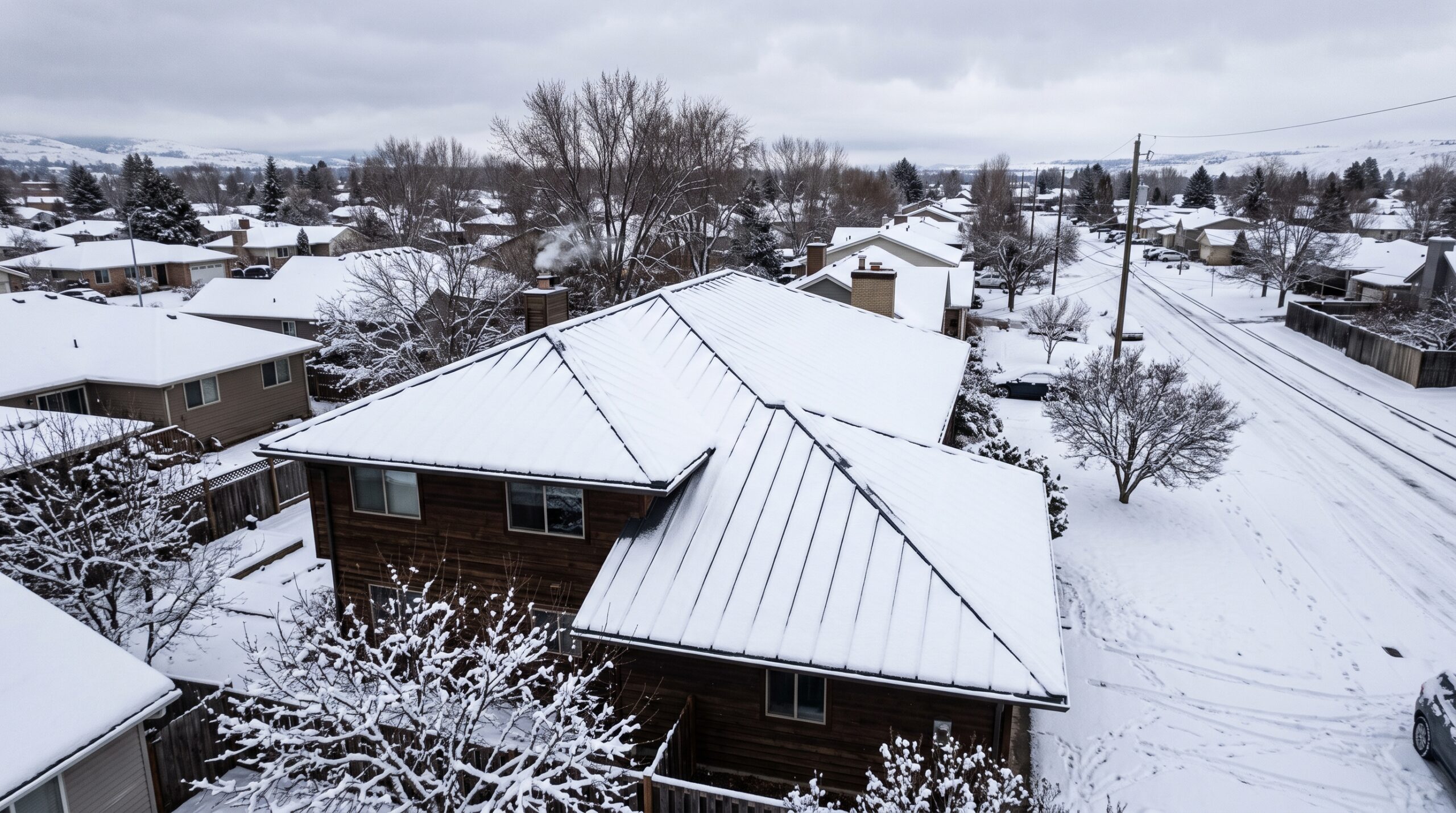
Roofing screws are self-tapping fasteners with a bonded washer that hold metal, shingle, and membrane roofing systems securely to the deck below. The right roofing screws resist rust, seal out moisture, and stay tight through Winnipeg’s repeated freeze-thaw cycles, while the wrong ones loosen, corrode, and cause slow leaks that damage the structure underneath.
Picking roofing screws isn’t just about grabbing whatever is sold at the hardware counter. Length, coating, washer type, and thread pattern all change how well a fastener performs on a Winnipeg roof, especially one that faces heavy snow loads, high winds, and sharp temperature swings every year.
Which Roofing Screws Work Best for Winnipeg Homes
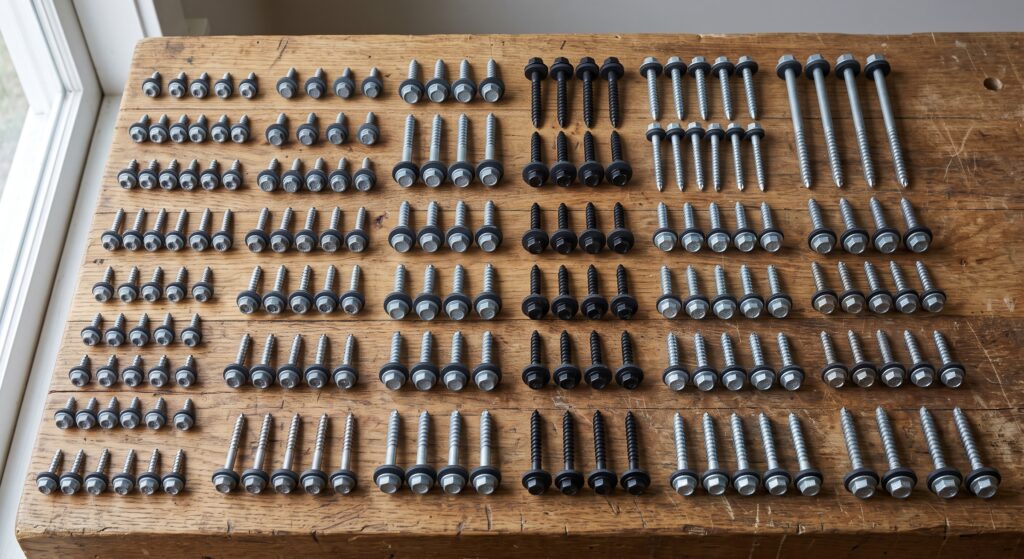
The best roofing screws for Winnipeg properties are hex-head, self-tapping fasteners with a corrosion-resistant coating and a bonded EPDM rubber washer. This combination handles Manitoba’s extreme temperature range, from summer heat to deep winter cold, without the washer cracking or the shaft rusting through.
Homeowners with metal roofing typically need longer roofing screws that penetrate through the panel, any insulation layer, and into solid decking or purlins. Shingle and membrane roofs use shorter, wider-head fasteners designed to hold underlayment and flashing in place rather than structural panels. Matching the fastener to the roofing material is the single biggest factor in how long the installation lasts.
Why Roofing Screws Matter More in Manitoba’s Climate
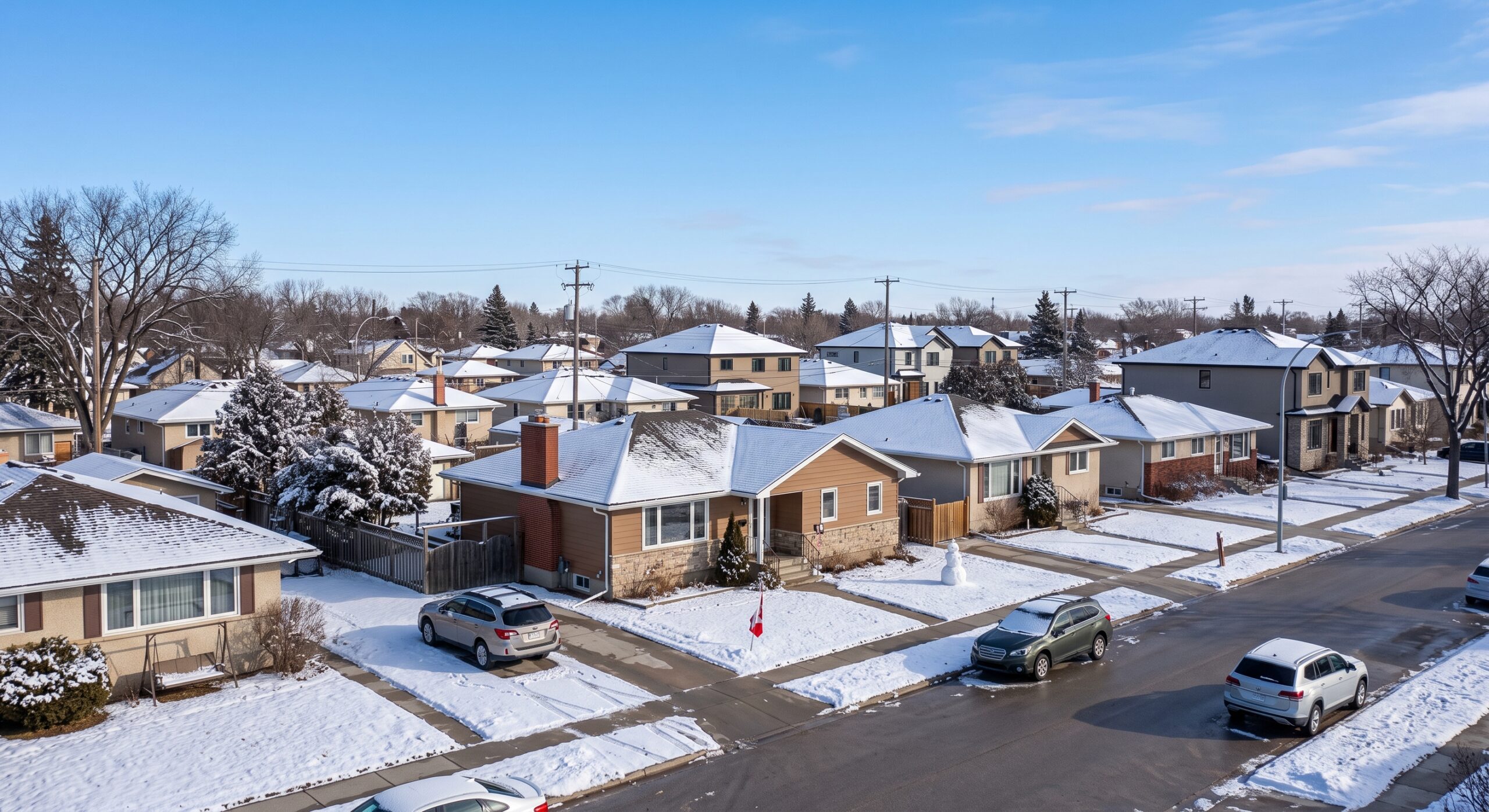
Winnipeg roofs go through dramatic temperature shifts within a single season, and sometimes within a single week. Metal panels expand in the summer sun and contract sharply once temperatures drop below freezing, and every roofing screw holding those panels in place has to flex with that movement without backing out or snapping.
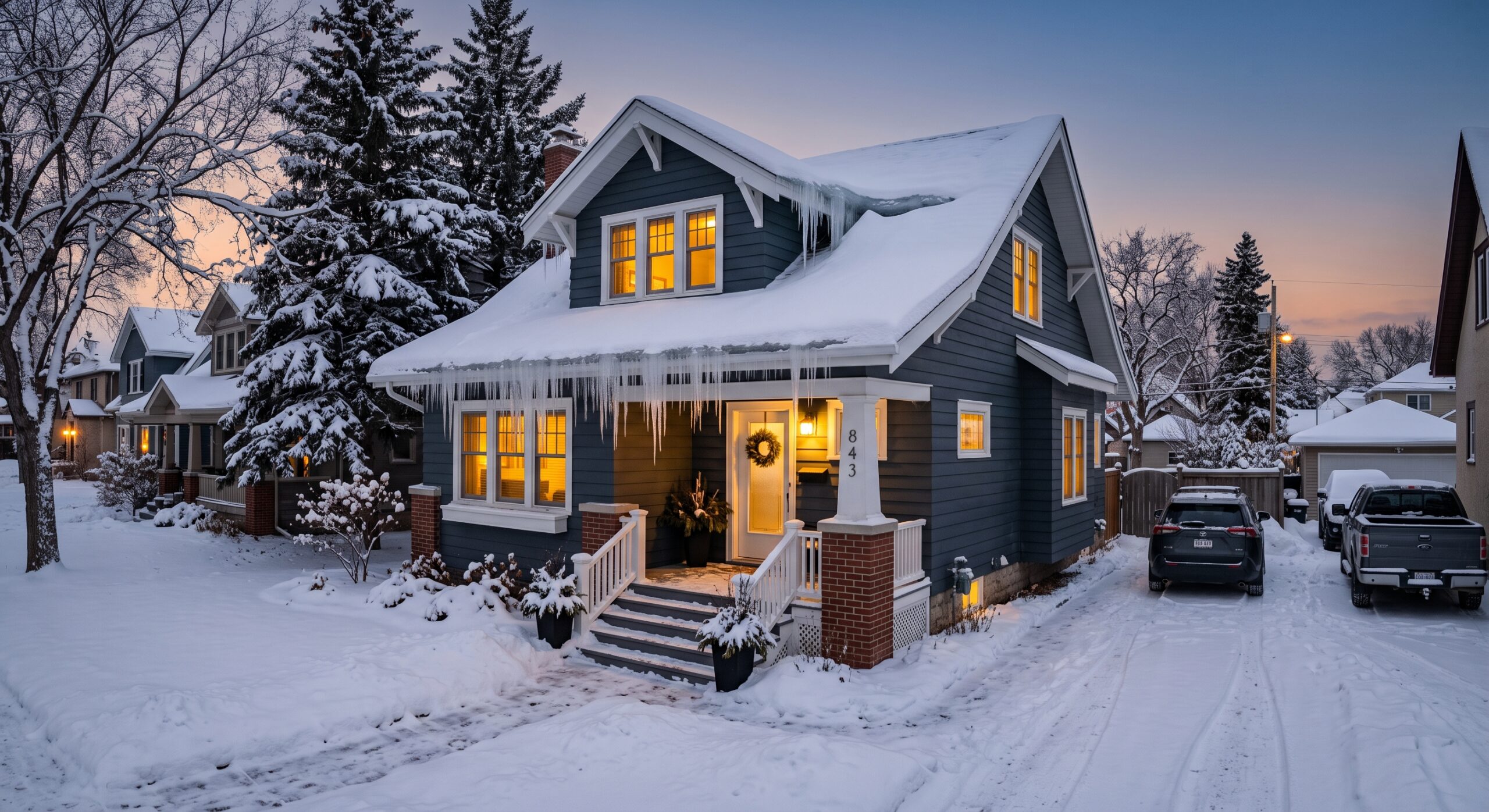
Snow load adds another layer of stress. A roof carrying weeks of accumulated snow puts constant downward pressure on every fastener point, and if the roofing screws were installed too loosely or with the wrong washer, water can work its way underneath during the spring melt. That slow moisture intrusion is one of the most common reasons Winnipeg homeowners end up calling for repairs.
Types of Roofing Screws and Their Uses
Not every fastener labeled “roofing screw” is built for the same job. Understanding the differences helps you avoid buying the wrong box at the store or approving the wrong material on a quote.
Self-Tapping Roofing Screws
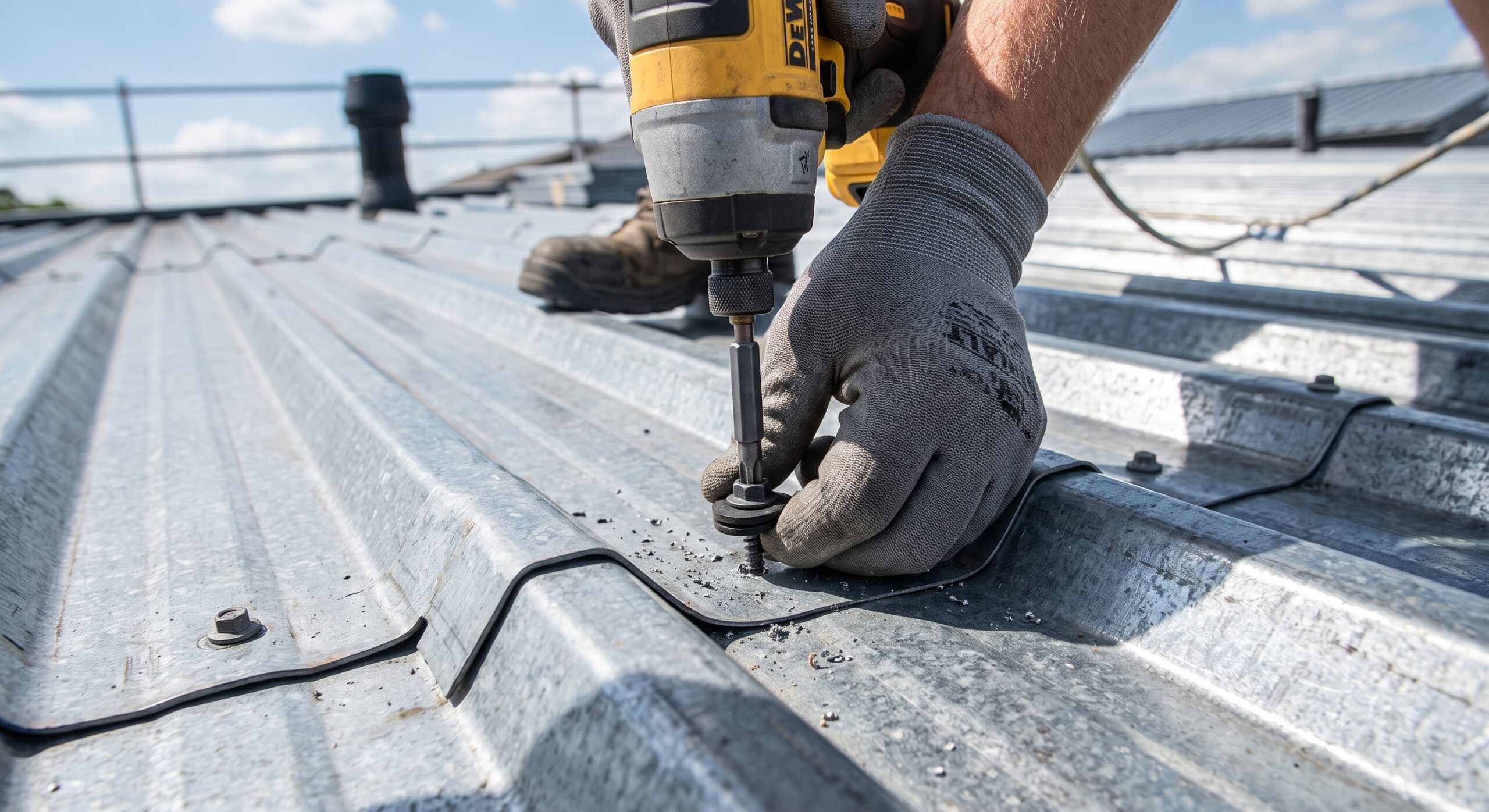
These are the most common type used on metal roofing. The sharp point cuts its own hole into thin steel or aluminum panels without needing a pre-drilled pilot hole, which speeds up installation and reduces the chance of misalignment.
Roofing Screws with Neoprene or EPDM Washers
The washer is what actually stops water from entering the screw hole. EPDM washers hold up better than standard neoprene in Winnipeg’s cold, since neoprene can stiffen and crack after repeated freeze-thaw cycles, while EPDM stays flexible for a longer service life.
Long Roofing Screws for Insulated Panels
Homes with rigid foam insulation under their metal roofing need longer roofing screws that reach through the insulation layer and bite securely into the structural deck. Using a standard-length screw here is a common mistake that leaves the panel loosely fastened.
Colour-Matched Roofing Screws
For a finished look, roofing screws are also available with painted heads matched to common panel colours. These don’t perform differently, but they keep fastener points from standing out visually against the roof.
Comparing Roofing Screw Options
| Screw Type | Best For | Winnipeg Climate Fit |
| Self-tapping, EPDM washer | Metal roofing panels | Excellent, flexes through freeze-thaw cycles |
| Standard neoprene washer | Light-duty or interior use | Fair, stiffens faster in extreme cold |
| Long insulated-panel screws | Roofs with foam insulation layers | Excellent, reaches structural deck securely |
| Colour-matched heads | Visible panel seams and trim | Good, cosmetic benefit with standard durability |
How to Choose the Right Roofing Screws for Your Project
Selecting roofing screws comes down to three questions: what material is the roof made of, how thick is the assembly you’re fastening through, and how exposed is the roof to wind and snow drift. Answering these correctly before a purchase or repair prevents callbacks and premature wear.
For most Winnipeg homes, a hex-head, self-tapping screw with an EPDM washer in a corrosion-resistant coating is the safest default choice for metal roofing. Shingle and membrane systems call for shorter fasteners designed specifically for that assembly, and mixing the two categories is one of the fastest ways to compromise a roof’s weather seal. When in doubt, matching the screw length to the exact depth of the roofing layers, rather than rounding up or down, keeps the fastener performing as intended.
Homeowners planning a larger project sometimes review examples of finished roof membrane systems to understand how fastener placement fits into the broader waterproofing strategy, since screws are only one part of a properly sealed roof.
Common Mistakes When Installing Roofing Screws
A few recurring errors shorten the lifespan of even good-quality roofing screws:
- Overdriving the fastener: Compressing the washer too far breaks the seal and lets water seep in around the shaft.
- Underdriving the fastener: A loose screw allows the panel to shift with wind, widening the hole over time.
- Using the wrong length: Screws that don’t reach solid decking or purlins won’t hold securely under snow load.
- Skipping washer inspection: Cracked or missing washers on older roofing screws are a common source of hidden leaks.
- Random spacing: Fasteners placed inconsistently create weak points that wind can exploit during storms.
Homeowners inspecting an older roof for the first time can often spot these issues by checking seams and panel edges closely, particularly near valleys and eave lines where wind pressure is highest.
Things to Know About Roofing Screws in Winnipeg
Manitoba winters put unique demands on every fastener on a roof, and a few local factors are worth understanding before choosing or replacing roofing screws.
Freeze-thaw cycling is the biggest stress factor. Winnipeg can swing from well below freezing to above zero multiple times in a single week during shoulder seasons, and each cycle causes tiny amounts of expansion and contraction around every fastener point. Over years, this repeated movement is what eventually loosens poorly installed roofing screws, which is why washer quality and correct torque matter more here than in milder climates.
Wind exposure is another consideration, especially for homes on open lots or near the edge of the city where gusts build more speed. Roofing screws placed too far apart or driven at an angle are more likely to back out during a strong wind event. Snow load adds sustained weight for weeks at a time, so fasteners need to hold firm under pressure rather than just resist a single storm.
| Winnipeg Climate Factor | Effect on Roofing Screws | Recommended Response |
| Freeze-thaw cycles | Washer stiffening, shaft loosening | Choose EPDM washers, inspect annually |
| High wind gusts | Fastener backing out over time | Follow manufacturer spacing guidelines |
| Heavy snow load | Sustained downward pressure | Use correctly sized, fully seated screws |
| Spring melt moisture | Water intrusion at weak seals | Replace cracked or corroded washers promptly |
Homeowners who want a closer look at how fastener choices fit into a full roof system sometimes browse examples of recent shingle roof replacement projects, which show how different materials and hardware work together across a Winnipeg roofline.
Final Word on Roofing Screws for Winnipeg Homes
Getting roofing screws right is a small detail with a big impact on how long a roof lasts through Manitoba’s freeze-thaw seasons, wind, and snow. Choosing the correct type, length, and washer material, then having them installed with proper spacing and torque, protects the rest of the roofing system from the leaks and loosening that come with using the wrong fastener.
Zega Roofing has fitted, replaced, and inspected roofing screws across countless Winnipeg roofs, and our team can help identify whether an aging roof needs a fastener refresh or a fuller repair. Homeowners can also browse our contact page to book an inspection, or view completed installations on our project gallery before making a decision.
If you have any questions about roofing screws, materials, or which repair option fits your home, contact Zega Roofing today. Our team is ready to walk you through your options and get your roof ready for whatever Winnipeg’s weather brings next.
Frequently Asked Questions
How long do roofing screws typically last?
Quality roofing screws with EPDM washers generally last 15 to 25 years before the washer needs replacing, though exposure to wind and freeze-thaw cycling can shorten that timeline on older installations.
Can roofing screws be reused during a repair?
Reusing roofing screws is not recommended once the washer shows cracking or compression wear. A new fastener with a fresh washer creates a more reliable seal than reinstalling an old one.
What size roofing screws are needed for a metal roof?
Screw length depends on the panel, insulation, and decking thickness combined, usually adding at least one inch for proper penetration. Measuring the full assembly before purchasing avoids under-driven fasteners.
Do roofing screws need to be replaced during every re-roof?
Yes, roofing screws should always be replaced during a full re-roof project. Existing holes rarely align perfectly with new panels, and reused fasteners often have worn washers.
How can I tell if my roofing screws are failing?
Rust streaks below fastener heads or visible washer cracking are the clearest signs of failing roofing screws. A closer inspection from roofing ice shield areas near the eaves often reveals early wear first, since that section takes the most moisture exposure.