A roofing inspection should happen at least twice a year, ideally in spring and fall, to catch weather-related damage before it turns into a costly repair.
For homeowners and business owners in Winnipeg, scheduling a regular roofing inspection is one of the smartest ways to protect your property from leaks, structural problems, and premature roof failure.
This blog covers everything about roofing inspection frequency, the different types available, what a professional inspector actually looks for, and why it matters in a city with extreme temperatures.
You will also learn the five functional requirements every roof must meet, how inspection levels differ, and how to stay safe if you ever need to check on your roof yourself. Whether your home has an older roof or a brand-new roofing installation in Winnipeg, keeping up with inspections can save you thousands in unexpected repairs.
How Often Should You Get a Roofing Inspection?
Most professionals recommend that property owners schedule a roofing inspection at least twice per year. The best times to book one are during spring after the snow melts and again in fall before winter arrives. These two checkpoints let you identify damage caused by harsh weather and prepare your roof for the next season.
Twice a year is the minimum, though. If your area recently experienced a severe storm with high winds or hail, that is a clear signal to get your roof checked sooner. The same applies to heavy snowfall, which can cause sagging or leaks. Water stains on your ceiling, missing shingles, or granules collecting in your gutters are all red flags worth investigating.
For commercial properties, more frequent inspections may be necessary depending on the building size and whether the roof is flat or sloped. Flat roofs are more susceptible to pooling water and debris buildup.
Property owners who have recently had a shingle roof replacement should still schedule inspections to confirm the new materials are settling properly.
For specific pricing on inspections in Winnipeg, reach out to a local licensed roofing professional for an honest estimate.
Why a Roofing Inspection Matters for Winnipeg Homes
Winnipeg is known for its extreme weather. Summers bring intense heat and UV exposure, while winters deliver heavy snowfall, ice dams, and temperatures well below freezing. These conditions put incredible stress on roofing materials, making regular checkups essential rather than optional.
Without them, small problems like a cracked seal or loose flashing can quietly grow into major issues. A tiny leak that goes unnoticed for months can lead to mold growth, rotting wood, and structural compromise. The cost of repairing that kind of damage far exceeds the cost of a routine roofing inspection.
A roofing inspection also helps you plan ahead financially. A professional can estimate your roof’s remaining lifespan and flag components nearing the end of their useful life, helping you budget instead of being caught off guard.
It also protects your insurance coverage. Many policies require property owners to maintain their roofs in good condition. If a claim is filed and the insurer discovers neglect, the claim could be denied.
Documented proof of regular inspections strengthens your position. If your home has a commercial roof, learning about commercial roofing repairs can also help you understand what to expect during the process.
Professional inspection services are available across Winnipeg and surrounding areas including Charleswood, River Heights, and North Kildonan. Explore the full list of areas we serve to see if your neighbourhood is covered.
What Does a Professional Roofing Inspection Include?
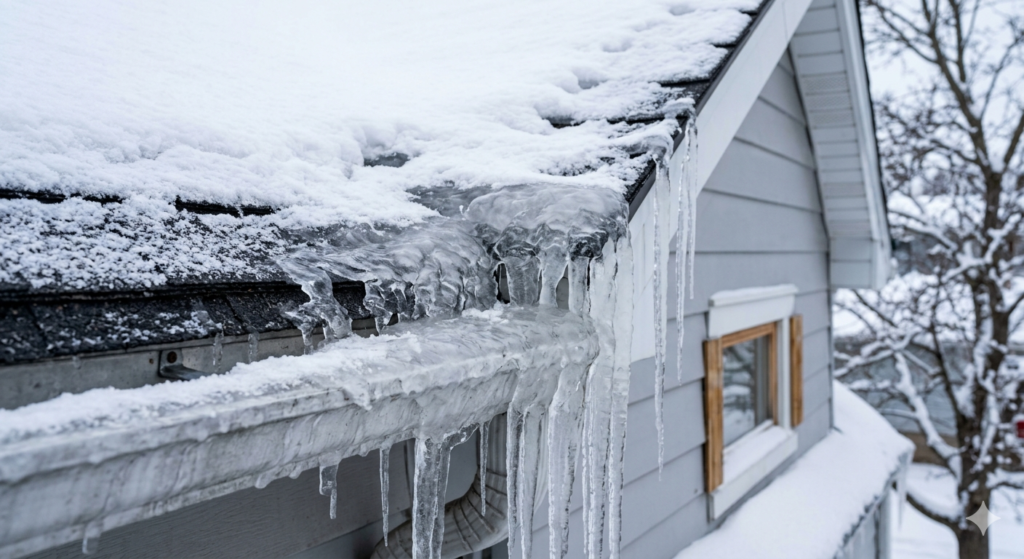
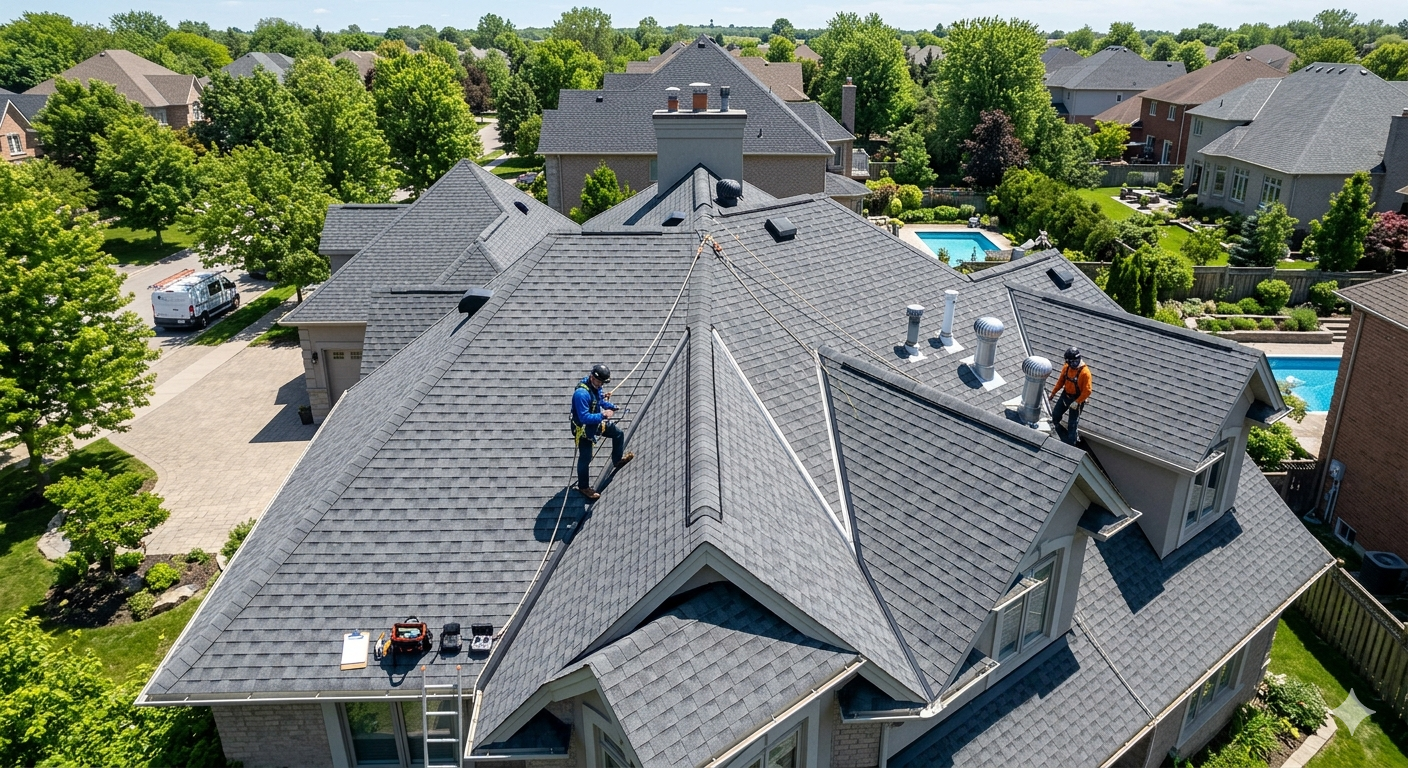
A professional roofing inspection goes far beyond a quick visual check from the ground. Licensed inspectors follow a detailed process that evaluates every major component of your roofing system.
Exterior Roof Examination
The inspector starts outside, examining the roof surface for visible wear and damage. They check for missing, cracked, or curling shingles, damaged flashing around chimneys and vents, and any signs of sagging. Gutters and downspouts are also reviewed for proper drainage.
Interior and Attic Assessment
Inspectors also examine the attic and interior ceilings for water stains, mold, dampness, and poor ventilation. If your attic lacks proper insulation or airflow, it can accelerate roof deterioration. Homeowners looking into spray foam insulation should consider pairing an inspection with an insulation assessment.
Structural Integrity Check
The inspector evaluates the condition of the roof deck, rafters, and support beams, looking for rot, warping, or pest damage that could compromise the entire system.
Flashing and Sealant Review
Flashing around joints, valleys, and penetrations like skylights is one of the most common areas where leaks develop. Every inspection includes a close look at these components.
Drainage and Ventilation Assessment
Proper drainage prevents water from pooling, which is especially important for flat or low-slope roofs. Ventilation is equally critical because trapped heat and moisture can cause shingles to deteriorate faster and lead to ice dams.
Types of Roofing Inspections Explained
Not all roofing inspections are the same. The type you need depends on your situation, roof age, and goals. Here are the four main types:
| Type of Inspection | Description | Best For |
| Routine Inspection | Scheduled checkup once or twice a year to monitor condition | Preventative maintenance for all properties |
| Post-Storm Inspection | Conducted after severe weather to identify recent damage | Insurance claims or storm damage concerns |
| Pre-Purchase Inspection | Detailed evaluation before buying a property | Homebuyers wanting a clear picture of roof health |
| Warranty Inspection | Performed to satisfy warranty or building code requirements | Maintaining warranty coverage or meeting regulations |
Each type serves a different purpose, but they all share the same goal: catching problems before they become expensive. If you are unsure which type fits your needs, a licensed roofing professional can help determine the right approach.
The 5 Functional Requirements of a Roof
Every roofing inspection evaluates whether your roof meets its five core functional requirements. These are the standards every roof must satisfy.
| Requirement | What It Means |
| Weather Protection | Must keep rain, snow, hail, and wind from penetrating the building |
| Structural Support | Must bear its own weight plus additional loads from snow or maintenance crews |
| Thermal Insulation | Should regulate indoor temperature and reduce energy loss |
| Moisture Control | Vapour barriers and ventilation prevent condensation and mold |
| Durability | Materials and installation must withstand local climate over the expected lifespan |
If any requirement is not being met, the inspector will recommend specific repairs or upgrades. For Winnipeg properties, thermal insulation and moisture control are especially important due to extreme temperature swings between summer and winter.
Understanding Inspection Levels 1, 2, and 3
Roofing inspections are categorized into three levels based on depth and detail.
Level 1 is a basic visual roofing inspection. The inspector walks the surface and checks for obvious damage or wear. It is suitable for routine maintenance and does not involve destructive testing.
Level 2 includes specialized tools like moisture meters, infrared cameras, or drone technology. It goes beyond what the eye can see, helping identify hidden problems such as trapped moisture or thermal irregularities. This level is often recommended after a major storm or when buying a property.
Level 3 is the most comprehensive option. It involves invasive testing, which may include removing sections of material to examine underlying layers. This level is reserved for roofs with suspected serious damage or aging systems needing a full condition assessment.
The right roofing team can help you determine which level is appropriate for your property based on its age, condition, and location.
Things To Know Before Booking a Roofing Inspection
Here are a few practical tips to help you get the most value from your roofing inspection.
First, book during dry weather. A dry roof makes it easier to spot issues and provides a safer working surface. Spring and early fall are the most practical times in Winnipeg.
Second, clear debris from around your home before the inspector arrives. Trim back overhanging branches and make sure gutters are accessible.
Third, gather any previous reports, warranty documents, or repair records. Sharing this information gives the inspector context about past issues.
Fourth, ask questions during the evaluation. A good inspector will walk you through findings and explain each issue in plain language.
Finally, always work with a licensed and insured roofing company. An inspection from an unqualified individual can miss critical issues and give you a false sense of security. Look for certified professionals with years of experience serving your local area.
How to Safely Inspect a Roof on Your Own
While a professional roofing inspection is always preferred, some homeowners want to do a quick visual check themselves.
Start from the ground using binoculars to scan for missing shingles, debris buildup, or sagging areas. Check your gutters for granule buildup, which signals shingle deterioration.
If you go up, use a sturdy ladder on level ground and have someone hold the base. Wear non-slip shoes and avoid walking on wet, icy, or snow-covered surfaces. Never attempt a steep-slope check without proper safety gear.
Inside the house, examine your attic with a flashlight. Look for daylight coming through the roof boards, water stains, mold, or musty odours.
A DIY check is no substitute for a professional roofing inspection. Many issues require trained eyes and specialized equipment to detect. If you notice anything concerning during your own check, schedule a full professional assessment right away.
Your Key to a Longer-Lasting Roof
A roofing inspection is not just a box to check off your maintenance list. It is a proactive step that protects your investment, keeps your family safe, and helps you avoid unexpected financial strain. In Winnipeg, where weather can be punishing on roofing systems, staying ahead of damage is the smartest move any property owner can make.
Whether you need a routine checkup, a post-storm assessment, or a pre-purchase evaluation, Zega Roofing has the experience to deliver a thorough and honest assessment.
Take a look at our roofing gallery to see examples of our completed projects across Winnipeg. With over 25 years of service in Winnipeg and surrounding communities, our team is committed to keeping your roof in peak condition through every season.
Ready to book? Call Zega Roofing at +1 204-997-2697 or visit our website to get started.
Frequently Asked Questions
What is a roof inspection?
A roof inspection is a professional evaluation of your roofing system’s condition, covering surface materials, flashing, drainage, ventilation, and structural components. The goal is to identify existing damage and potential weak points. Inspectors examine both the exterior and interior, including attic space, to get a complete picture of performance.
What are the 4 types of inspection?
The four types are routine, post-storm, pre-purchase, and warranty or compliance inspections. Routine ones happen on a set schedule. Post-storm assessments check for recent damage. Pre-purchase evaluations give buyers clarity before closing. Warranty checks ensure the roof meets conditions for maintaining coverage.
What are the 5 functional requirements of a roof?
The five requirements are weather protection, structural support, thermal insulation, moisture control, and durability. Every roof must block precipitation and wind, support its own weight plus loads, regulate temperature, prevent condensation, and last through local climate conditions.
What are inspection levels 1, 2, and 3?
Level 1 is a visual check, Level 2 uses specialized tools, and Level 3 involves invasive testing. A Level 1 roofing inspection covers surface-level observations. Level 2 adds infrared cameras and moisture meters for hidden problems. Level 3 may require removing material to inspect underlying layers.
How to safely inspect a roof?
Start from the ground using binoculars, and always prioritize personal safety if you climb up. Use a sturdy ladder on level ground, wear non-slip footwear, and have someone nearby. Never walk on a wet or icy roof. For a complete assessment, hire a licensed professional.