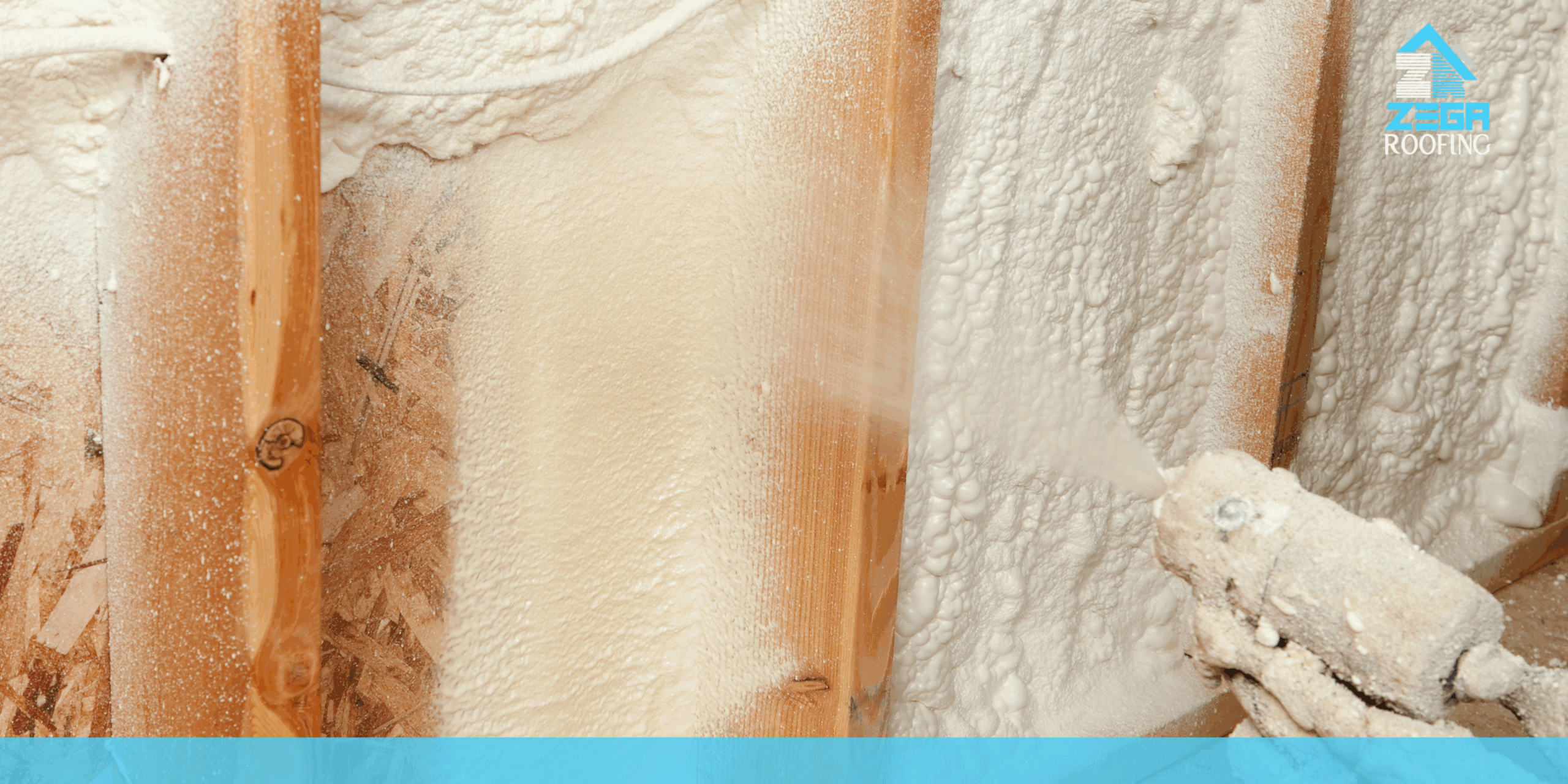
Spray foam insulation for house is essential for Winnipeg homeowners who face extreme temperature swings throughout the year—from frigid winters to warm summers. Proper home insulation plays a major role in maintaining comfort and managing energy costs. Spray foam insulation Winnipeg has become a popular choice for residential properties because it delivers superior air sealing, moisture resistance, and thermal performance. Unlike traditional insulation materials, spray foam expands to fill gaps and creates a continuous barrier that prevents drafts and heat loss.
Understanding Spray Foam Insulation for House Applications
Spray foam insulation for house projects is a two-component insulation material that expands when applied, filling cavities and creating an airtight seal. There are two main types: open-cell and closed-cell. Open-cell foam is lighter and more flexible, offering good soundproofing properties. Closed-cell foam is denser and provides higher R-values per inch, along with added structural strength and moisture resistance.
Both types work by expanding into cracks, gaps, and hard-to-reach spaces where traditional batts or loose-fill insulation might leave voids. This expansion creates a seamless thermal barrier that significantly reduces air infiltration.
Benefits of Spray Foam Insulation for House Performance
Superior Energy Efficiency
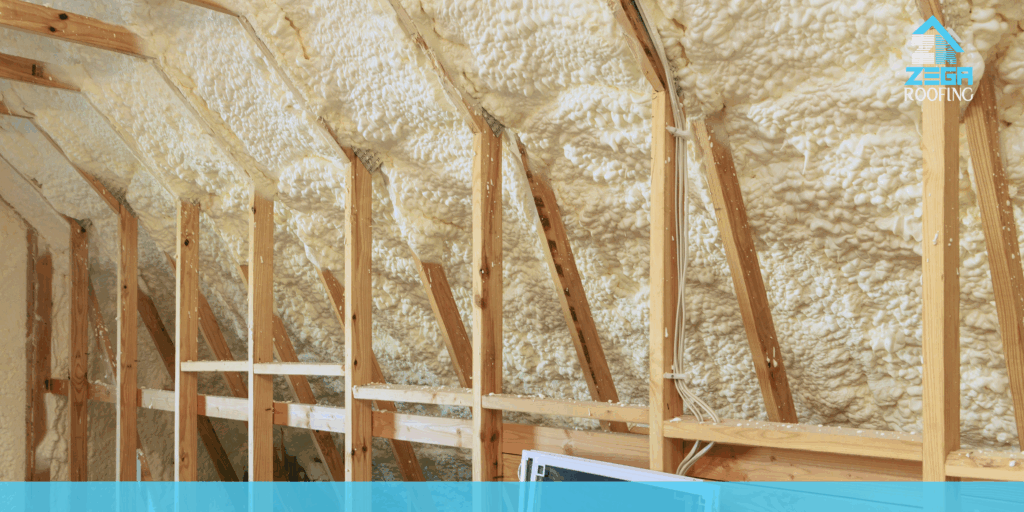
One of the most significant benefits of spray foam insulation for house energy performance is improved efficiency. Spray foam insulation Winnipeg creates an effective thermal envelope that keeps conditioned air inside your home. During winter, it prevents warm air from escaping through walls, attics, and crawl spaces. In summer, it blocks outdoor heat from entering your living spaces.
This reduction in air leakage means your heating and cooling systems don’t have to work as hard to maintain comfortable temperatures. Many homeowners report noticeable decreases in their monthly utility bills after installation. The energy savings can be substantial over time, often offsetting the initial investment within several years.
Effective Air Sealing
Traditional insulation materials like fiberglass or cellulose don’t seal air gaps on their own. Air leaks around windows, doors, electrical outlets, and other penetrations can account for a significant portion of energy loss in homes. Spray foam insulation for house weatherization addresses this problem by expanding into every crack and crevice.
The material adheres to surfaces and forms a continuous barrier that stops air movement. This comprehensive air sealing reduces drafts, eliminates cold spots, and creates more consistent indoor temperatures throughout your home. The result is better comfort and fewer temperature fluctuations between rooms.
Moisture Control and Protection
Manitoba’s climate brings moisture challenges, from winter condensation to spring thaw. When you choose spray foam insulation for house protection, closed-cell varieties act as a vapor barrier, preventing moisture from penetrating walls and roof systems. This protection helps prevent mold growth, wood rot, and structural damage that can result from prolonged moisture exposure.
By creating a sealed environment, spray foam also reduces the risk of condensation forming within wall cavities. This is particularly important in Winnipeg homes where large temperature differences between indoor and outdoor conditions can lead to moisture problems if not properly managed.
Long-Term Durability
Spray foam insulation Winnipeg offers exceptional longevity compared to other insulation materials. Once cured, it doesn’t settle, sag, or compress over time. Traditional batts can shift and leave gaps, while loose-fill insulation may settle and lose effectiveness. Spray foam insulation for house installations maintains its insulating properties and structural integrity for decades.
The material is also resistant to pests and doesn’t provide a food source for insects or rodents. This durability means homeowners can expect consistent performance without the need for replacement or supplemental insulation down the road.
Improved Indoor Air Quality
Air leaks don’t just affect temperature—they also allow outdoor pollutants, allergens, and dust to enter your home. By creating a sealed environment, spray foam insulation for house environments helps filter what comes into your living spaces. This can be particularly beneficial for family members with allergies or respiratory sensitivities.
Additionally, because spray foam resists moisture and mold growth, it contributes to healthier indoor air. Mold spores can cause health problems and reduce air quality, so preventing their growth is an important consideration for any home.
Noise Reduction
Open-cell spray foam provides excellent sound dampening properties. It absorbs sound waves and reduces noise transmission between rooms and from outside sources. This acoustic benefit makes homes quieter and more peaceful, whether you’re blocking traffic noise, neighborhood sounds, or simply creating privacy between living spaces.
For homeowners in busy areas or near major roads, this soundproofing quality adds another layer of comfort and value to the investment.
Structural Support
Closed-cell spray foam insulation for house structures adds strength to walls and roofs. The rigid material bonds to framing and sheathing, creating a monolithic assembly that can improve racking resistance and overall building integrity. While it’s not a substitute for proper structural design, this added strength can be beneficial in extreme weather conditions.
This characteristic makes spray foam particularly appealing for areas prone to high winds or heavy snow loads, as it helps reinforce the building envelope.
Installation Considerations
Professional installation is essential for optimal results. Experienced contractors understand proper application techniques, mixing ratios, and safety protocols. They can assess your home’s specific needs and recommend the appropriate type and thickness of spray foam insulation for house applications in different areas.
The installation process typically involves preparing surfaces, protecting areas not being insulated, and applying the foam in controlled passes to achieve the desired thickness. Proper ventilation during application and curing time is important for safety.
For expert installation and comprehensive roofing services, Zega Roofing offers professional spray foam insulation solutions designed for Manitoba homes.
Cost-Effectiveness Over Time
While the upfront cost of spray foam insulation for house projects is higher than traditional insulation options, the long-term benefits often justify the investment. Energy savings accumulate month after month, reducing heating and cooling expenses. The durability means no replacement costs, and the moisture protection can prevent expensive repairs from water damage.
When evaluating insulation options, consider the total cost of ownership rather than just initial installation expenses. The performance characteristics of spray foam often make it more economical over the life of your home.
Environmental Benefits
Many spray foam products now use more environmentally friendly blowing agents than older formulations. The energy savings provided by spray foam insulation for house applications also reduce your home’s carbon footprint by decreasing fossil fuel consumption for heating and cooling.
By improving your home’s energy efficiency, you’re contributing to reduced greenhouse gas emissions while enjoying lower utility bills. This environmental benefit aligns with growing awareness about sustainable building practices.
Suitable Applications
Spray foam insulation for house projects works well in various areas of your home:
Attics: Creates a sealed attic space that can be conditioned, protecting HVAC systems and ductwork
Walls: Fills cavities completely, eliminating thermal bridging and air gaps
Crawl Spaces: Protects against moisture and cold floors
Rim Joists: Seals a common source of air leakage and heat loss
Roof Decks: Provides excellent thermal performance for cathedral ceilings
Each application benefits from spray foam’s unique ability to conform to irregular surfaces and seal completely.
Maintenance Requirements
One advantage of spray foam insulation Winnipeg is minimal maintenance needs. Once installed and cured, the material requires no special care or periodic replacement. It won’t settle or need fluffing like some other insulation types.
Regular home inspections should include checking for any damage to the building envelope that might affect insulation performance, but the spray foam itself is stable and maintenance-free.
Making an Informed Decision
Choosing the right insulation for your Winnipeg home involves considering climate, budget, and performance goals. Spray foam insulation for house applications offers significant advantages in air sealing, moisture control, and energy efficiency that make it particularly well-suited for Manitoba’s weather extremes.
Consulting with professionals who understand local building science and climate challenges can help you determine if spray foam insulation for house projects is the best choice for your specific situation. They can evaluate your home’s needs and provide recommendations based on your priorities.
For more information about insulation services and expert roofing solutions, contact Zega Roofing to discuss your home improvement project.
Frequently Asked Questions
How long does spray foam insulation last in Winnipeg homes?
Spray foam insulation for house installations typically lasts the lifetime of your home when properly installed. Unlike traditional insulation materials that can settle, compress, or degrade over time, spray foam maintains its structure and insulating properties for 80+ years. The material doesn’t break down, sag, or lose effectiveness, making it a permanent solution that won’t require replacement or maintenance throughout your homeownership.
What is the difference between open-cell and closed-cell spray foam?
Open-cell spray foam is lighter, less dense, and more affordable. It has a spongy texture and provides good sound absorption with an R-value of about 3.5 per inch. Closed-cell spray foam is denser, more rigid, and offers higher insulation values at R-6 to R-7 per inch. Closed-cell also acts as a vapor barrier and adds structural strength to walls. The choice depends on your specific application, budget, and performance requirements.
Can spray foam insulation help with ice dams on my roof?
Yes, properly installed spray foam insulation for house roofing can significantly reduce ice dam formation. Ice dams occur when heat escapes through your roof, melting snow that then refreezes at the eaves. Spray foam creates an effective thermal barrier that prevents warm air from reaching the roof deck, keeping the roof surface cold and reducing the temperature variations that cause ice dams. This protection is particularly valuable for Winnipeg homes that experience heavy snowfall and freeze-thaw cycles.
Is spray foam insulation safe for indoor air quality?
Once fully cured, spray foam insulation is inert and safe for indoor environments. During installation, proper ventilation and safety measures are necessary, but after the curing period (typically 24 hours), the material doesn’t off-gas or release harmful substances. In fact, by creating an airtight seal, spray foam can improve indoor air quality by preventing outdoor pollutants, allergens, and moisture from entering your home. Many products also resist mold growth, further contributing to healthier air.
How much can I save on energy bills with spray foam insulation?
Energy savings vary based on your home’s size, age, existing insulation, and heating/cooling systems, but many Winnipeg homeowners report reductions of 30-50% on their utility bills after installing spray foam. Older homes with poor insulation typically see the most dramatic improvements. The airtight seal eliminates drafts and heat loss, allowing your HVAC system to run more efficiently. While individual results differ, the cumulative savings over years often offset the initial investment cost.