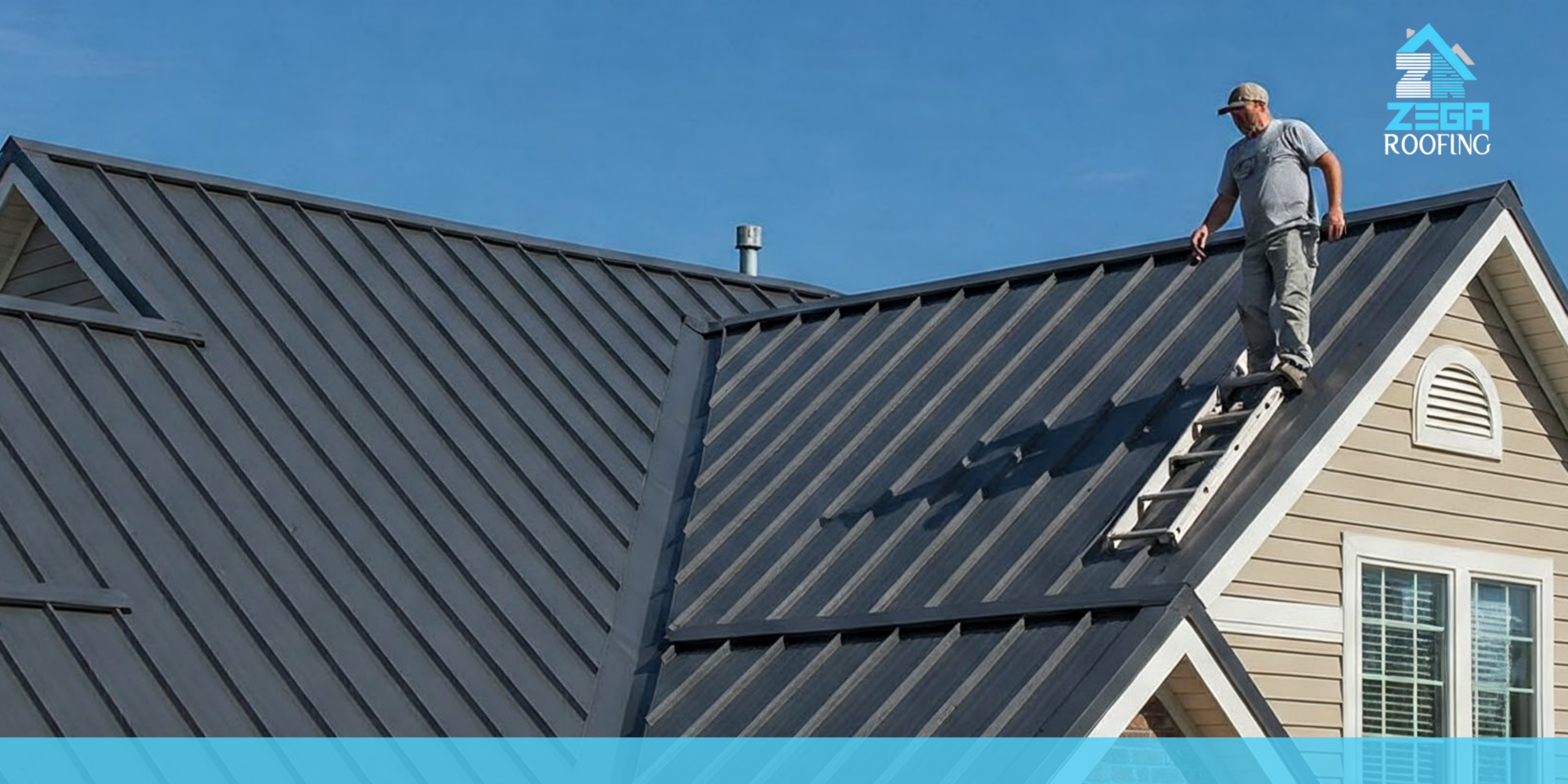
Roofing installation protects your property from Manitoba’s extreme weather conditions, including heavy snow, intense heat, and unpredictable storms. The process begins with a thorough assessment of your existing structure, followed by careful material selection that can withstand temperatures ranging from -40°C winters to +30°C summers. Professional installation involves multiple layers of protection, proper ventilation systems, and precise shingle placement to ensure long-term durability. At Zega Roofing, we follow strict industry standards while accounting for local building codes and climate-specific requirements. Each project includes comprehensive inspections, quality control measures, and detailed cleanup to leave your property looking pristine.
What Is the Roofing Installation Process?
The roofing installation process consists of several connected phases that work together to create a durable, weather-resistant barrier for your home. Initial consultations determine your specific needs, budget constraints, and timeline expectations. Our team examines your current roof condition, identifies any structural concerns, and recommends appropriate materials based on your home’s architecture and your personal preferences.
Preparation work removes old materials, inspects the underlying structure for damage, and makes necessary repairs before new components go in place. This foundation work prevents future problems and ensures your investment lasts for years. Proper preparation separates quality installations from rushed jobs that fail prematurely.
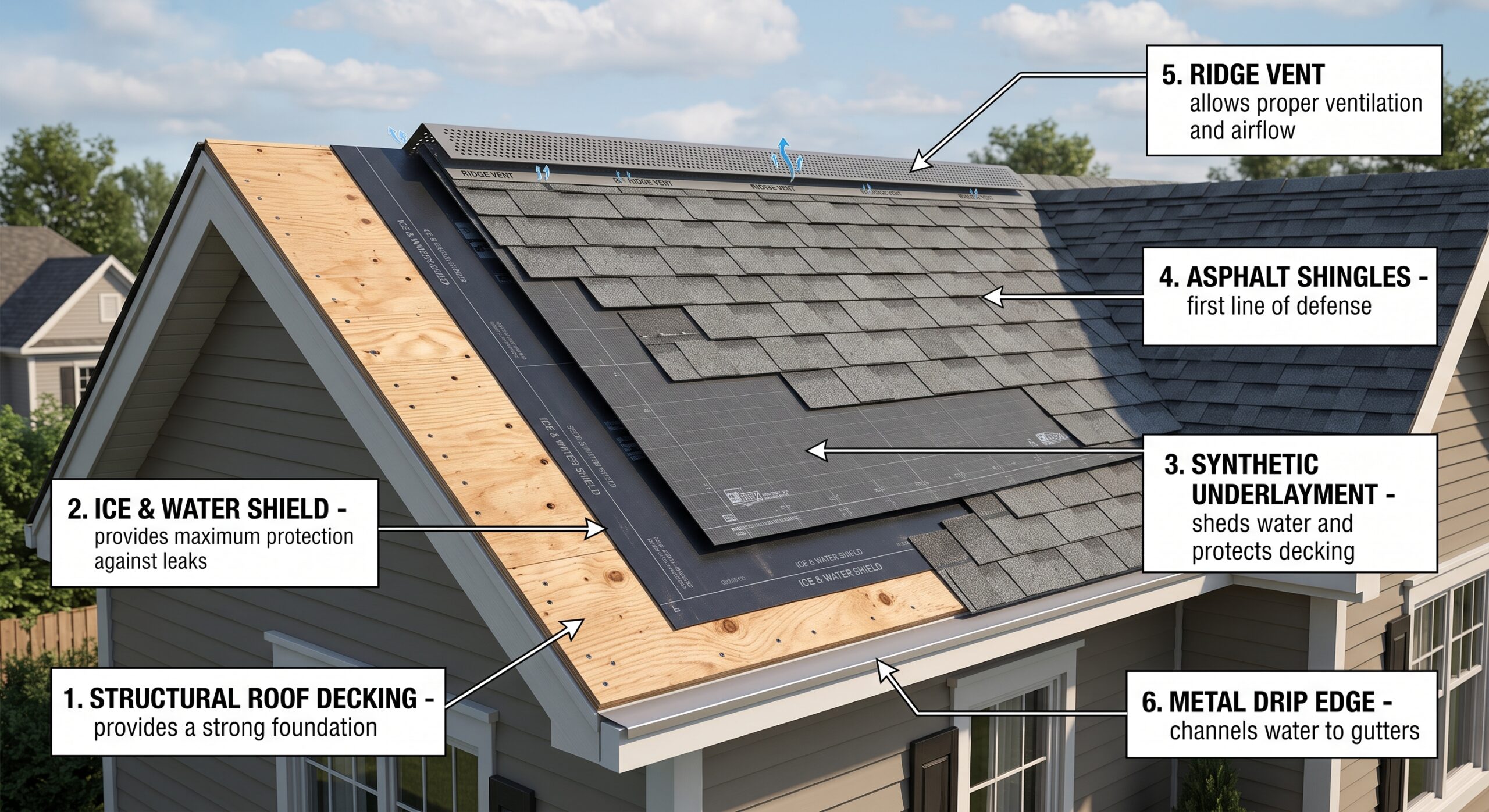
Installation day involves coordinated teamwork between experienced professionals who understand Manitoba’s unique requirements. Each layer gets installed according to manufacturer specifications and local building codes. From underlayment to flashing to final shingles, every component serves a specific purpose in protecting your home.
Why Choose Professional Roofing Installation?
Professional roofing installation guarantees proper execution of complex tasks that require specialized knowledge and equipment. Licensed contractors understand how to properly ventilate attic spaces, install ice and water shields, and secure materials against high winds common in our area.
Safety represents another major factor in choosing professional services. Roofing work involves significant risks, including falls from heights and tool-related injuries. Experienced teams have appropriate safety equipment, training, and insurance coverage to protect both workers and homeowners.
Warranty protection comes standard with professional installations. Manufacturers often require certified installers to honor their product warranties. DIY projects or unlicensed contractors may void these protections, leaving you financially responsible for premature failures.
Time efficiency matters for busy homeowners who need their roofing installation completed quickly and correctly. Professional teams finish projects faster than inexperienced workers while maintaining high quality standards throughout every phase.
At Zega Roofing, our certified professionals deliver expert craftsmanship on every project. We combine years of experience with quality materials designed specifically for Winnipeg’s climate, ensuring your roof performs reliably for decades.
How Long Does Roofing Installation Take?
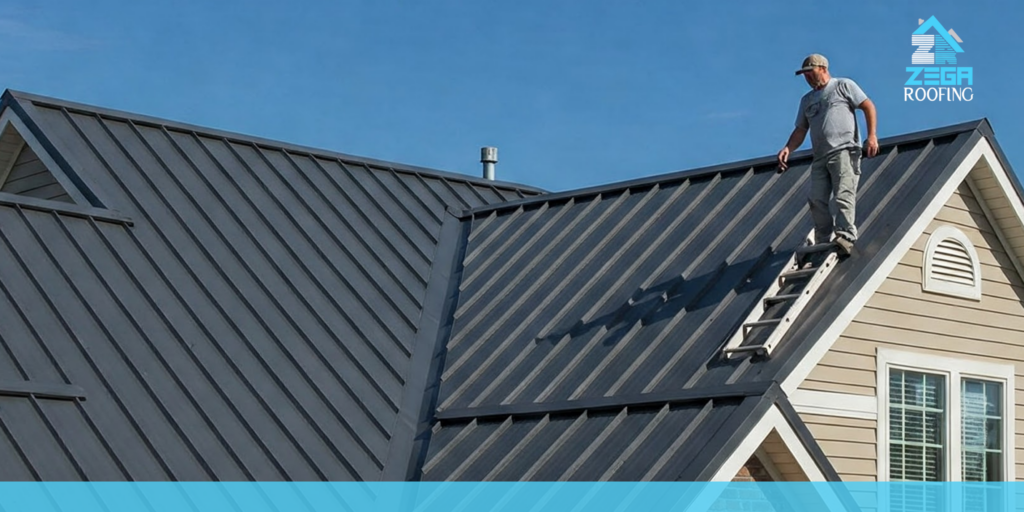
Most residential roofing installation projects take between one to three days, depending on several factors including roof size, pitch steepness, and weather conditions. Simple ranch-style homes with standard measurements often finish in a single day, while larger properties with multiple levels require additional time.
Weather significantly impacts project timelines since rain, extreme heat, or high winds can delay work for safety reasons. Manitoba’s unpredictable climate means flexible scheduling helps accommodate unexpected postponements without compromising quality.
Preparation work before actual installation may add extra days to your overall timeline. Removing multiple layers of old materials, repairing damaged decking, or addressing structural issues extends the schedule but prevents future problems that would cost more to fix later.
Cleanup and final inspection typically happen on the last day, ensuring your property looks clean and your new roof meets all quality standards. Thorough cleanup includes removing debris, collecting fallen nails with magnetic tools, and checking gutters for any leftover materials.
What Materials Are Best for Winnipeg Roofing Installation?
Asphalt shingles remain the most popular choice for roofing installation in Winnipeg due to their affordability, durability, and variety of styles. Modern architectural shingles offer superior wind resistance and aesthetic appeal compared to basic three-tab options. These shingles perform well in temperatures from freezing winters to hot summers.
Metal roofing provides exceptional longevity, lasting 50 years or more with minimal maintenance. Steel and aluminum options shed snow effectively, reduce ice dam formation, and reflect summer heat to lower cooling costs. While initial investment costs run higher, long-term value makes metal attractive for many homeowners.
Synthetic materials like rubber or polymer composites offer excellent weather resistance and can mimic the appearance of slate or cedar shakes. These products resist cracking in cold temperatures and won’t absorb moisture that leads to ice damage during freeze-thaw cycles.
Proper underlayment selection matters as much as surface materials. High-quality synthetic underlayment provides superior protection against water infiltration compared to traditional felt paper, especially important for preventing ice dam damage common in Winnipeg winters.
How Does Roofing Installation Protect Against Winter Weather?
Manitoba winters test roofing systems with heavy snow loads, ice formation, and extreme temperature fluctuations. Proper roofing installation includes ice and water shield membranes along eaves and valleys where ice dams commonly form. These self-sealing barriers prevent water from backing up under shingles during thaw cycles.
Adequate attic ventilation prevents heat buildup that melts snow on your roof surface, only to refreeze at the eaves and create damaging ice dams. Ridge vents combined with soffit vents create continuous airflow that maintains consistent roof temperatures.
Quality roofing installation in Winnipeg includes proper flashing around chimneys, skylights, and other roof penetrations. These metal barriers direct water away from vulnerable areas where leaks typically develop during heavy snow melting or rain events.
Shingle selection affects winter performance significantly. Products rated for high wind resistance stay secured during blizzards, while impact-resistant options withstand damage from falling ice or hail. Your contractor should recommend materials proven to perform in harsh Canadian climates.
Roofing Installation Cost Factors
Several variables influence the total investment required for your roofing installation project. Roof size represents the primary cost driver, measured in squares (100 square feet each). Larger homes naturally require more materials and labor hours than smaller properties.
Material selection dramatically affects pricing, with basic asphalt shingles costing less than premium architectural styles, metal panels, or specialty products. However, cheaper materials may need replacement sooner, making long-term cost comparisons important for informed decisions.
Roof complexity adds labor costs when dealing with steep pitches, multiple levels, numerous chimneys or skylights, or intricate valley systems. Simple roof designs with few penetrations install faster and require less material waste than complicated configurations.
Removal and disposal of old roofing materials adds to project costs but remains necessary for proper installation. Homes with multiple existing layers or extensive water damage require additional labor for thorough preparation before new materials go down.
Ready to get an accurate estimate for your project? Contact our team for a free inspection and detailed quote based on your specific needs and preferences.
Preparing Your Home for Roofing Installation
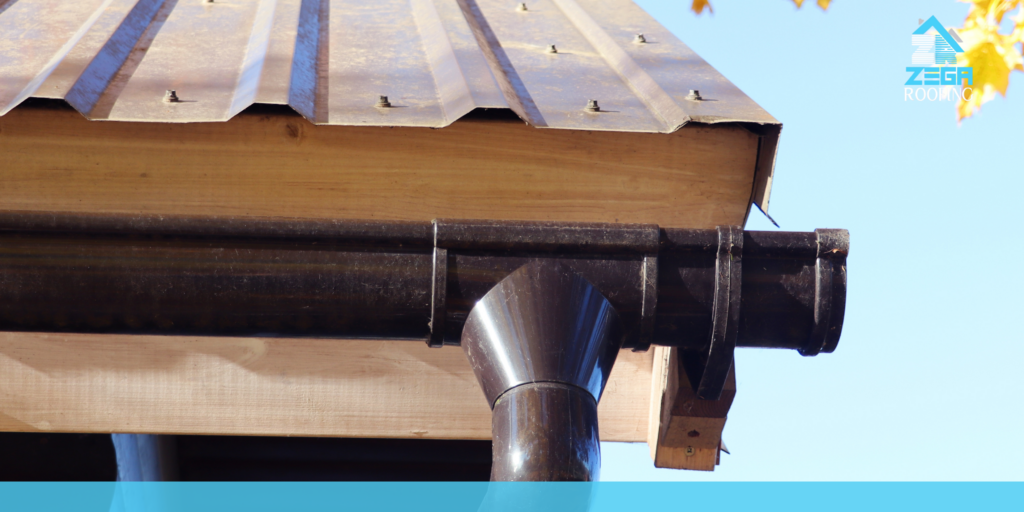
Clearing the area around your home helps protect your landscaping and gives workers safe access to all sides of your structure. Move vehicles, patio furniture, grills, and other items away from the house perimeter before work begins.
Inside preparations include removing wall hangings and securing fragile items, since vibrations from roofing work can cause pictures to fall or decorative items to shift. Cover items stored in your attic with tarps to protect them from dust that may filter through during work.
Notify your neighbors about upcoming roofing installation so they can prepare for temporary noise and activity. Consider parking restrictions if material delivery trucks or dumpsters will occupy street space during your project.
Pet accommodations prevent stress for animals sensitive to loud noises. Keep pets indoors or arrange alternative care during active work days to ensure their safety and comfort throughout the installation process.
Quality Control During Roofing Installation
Experienced contractors perform multiple inspections throughout each phase of your roofing installation. Initial deck inspection identifies soft spots, rot, or structural damage requiring repair before new materials go down. This prevents covering up problems that would cause premature failure.
Material inspection confirms all products meet manufacturer specifications and remain free from defects before installation begins. Damaged or substandard materials get returned immediately rather than installed on your home.
Progressive installation checks ensure proper techniques at each layer. Underlayment must lay flat without wrinkles, flashing requires correct overlap and sealing, and shingles need accurate alignment with proper nail placement for maximum wind resistance.
Final walk-through inspection with homeowners confirms satisfaction with completed work. Contractors address any concerns immediately and verify all cleanup meets your standards before considering the project finished.
Maintaining Your New Roof After Installation
Regular inspections catch small problems before they become expensive repairs. Schedule professional inspections annually and after severe weather events to identify loose shingles, damaged flashing, or other issues requiring prompt attention.
Gutter cleaning prevents water backup that can damage your roof edge and fascia boards. Clogged gutters overflow during rain or snow melt, potentially causing water infiltration behind your roofing installation if left unaddressed too long.
Tree trimming keeps branches from rubbing against shingles during windstorms and prevents leaves from accumulating in valleys where they trap moisture. Maintain at least six feet of clearance between tree limbs and your roof surface.
Attic monitoring helps identify ventilation problems or leaks before visible damage appears inside your living spaces. Check for water stains, mold growth, or excessive heat buildup during seasonal inspections.
Choosing the Right Contractor for Roofing Installation
Licensed and insured contractors protect you from liability if accidents occur during your roofing installation project. Verify coverage includes both workers’ compensation and general liability before signing any contracts.
Local experience matters because contractors familiar with Winnipeg’s climate understand which materials and techniques perform best in our conditions. They know local building codes and have established relationships with reliable suppliers.
References from recent customers provide insight into a contractor’s reliability, quality, and customer service. Ask for multiple references and actually contact them to discuss their experiences before making your final decision.
Written estimates should detail all costs, materials, timelines, and warranty information. Compare multiple quotes carefully, but remember the lowest price doesn’t always represent the best value if quality suffers.
We serve communities throughout the Winnipeg area with dependable service and proven results. Our local expertise ensures your roofing installation meets the specific demands of Manitoba weather conditions.
Roofing Installation Warranties and Guarantees
Manufacturer warranties cover defects in roofing materials for specified periods, typically 20 to 50 years depending on product quality. These warranties require proper installation by certified contractors to remain valid.
Workmanship warranties protect against installation errors that cause leaks or premature failures. Reputable contractors stand behind their work with guarantees lasting several years beyond project completion.
Registration requirements may apply for extended warranty coverage. Your contractor should handle necessary paperwork and provide documentation for your records after completing your roofing installation.
Understanding warranty limitations helps set realistic expectations. Most exclude damage from extreme weather events, improper maintenance, or modifications made by other contractors after the original installation.
Environmental Considerations for Roofing Installation
Recycling old roofing materials reduces landfill waste and environmental impact. Many municipalities offer recycling programs for asphalt shingles, which can be processed into paving materials for roads and parking lots.
Energy-efficient roofing installation options include cool-colored shingles that reflect solar heat, reducing summer cooling costs. Metal roofs with reflective coatings provide even greater energy savings over their long service life.
Proper ventilation systems installed during your roofing installation reduce energy consumption by preventing excessive heat buildup in summer and ice dam formation in winter. Balanced airflow extends material life while improving home comfort.
Sustainable material choices include recycled content shingles, metal roofing made from recycled steel or aluminum, or synthetic products manufactured with environmentally responsible processes.
Protect Your Home with Expert Roofing Installation
Your roof represents one of your most important investments in your property’s protection and value. Quality roofing installation done right the first time prevents expensive problems and provides decades of reliable performance through Manitoba’s challenging weather conditions.
At Zega Roofing, we bring years of experience, certified craftsmanship, and genuine commitment to every project we complete. Our team understands Winnipeg’s unique requirements and uses only premium materials designed to withstand our extreme climate. From initial consultation through final inspection, we deliver professional service that exceeds expectations.
Don’t trust your home’s protection to inexperienced contractors or rushed installations. Schedule your free inspection today and discover why homeowners throughout Winnipeg choose us for their roofing installation needs.
Frequently Asked Questions
When Is the Best Time for Roofing Installation in Winnipeg?
Late spring through early fall offers ideal weather conditions for roofing installation, with moderate temperatures and lower precipitation chances. However, modern materials and experienced contractors can complete quality installations during cooler months when necessary. Emergency repairs shouldn’t wait for perfect weather, but planned replacements benefit from scheduling during favorable conditions. Booking early in the season often provides better availability and competitive pricing before peak demand periods.
Can I Stay Home During Roofing Installation?
Most homeowners remain in their homes during roofing installation without significant disruption to daily activities. Work happens outside, though noise from hammering and equipment operation will be noticeable throughout the day. You’ll want to avoid using your attic during work hours and keep children and pets supervised away from the work zone. Contractors typically work during standard business hours, allowing you to maintain relatively normal routines.
How Do I Know If I Need Complete Roofing Installation or Just Repairs?
Age represents the primary factor in deciding between repair and replacement. Roofs approaching 20 years old typically benefit from complete roofing installation rather than continued patchwork repairs. Extensive damage affecting multiple areas, widespread granule loss on shingles, or recurring leaks signal that replacement makes better financial sense. A professional inspection provides definitive recommendations based on your specific situation and helps you make informed decisions about your investment.
What Happens If Weather Delays My Roofing Installation?
Reputable contractors monitor forecasts closely and communicate proactively about potential weather delays. Your roof gets properly covered and secured each day to prevent water intrusion if work extends across multiple days. Most contractors build flexibility into their schedules to accommodate weather-related postponements without affecting quality. While delays can be frustrating, rushing installation during poor conditions creates greater risks for inferior results that could require expensive corrections later.
Does Roofing Installation Require Building Permits?
Most municipalities require building permits for complete roofing installation projects, though simple repair work may not need permits depending on scope. Your contractor should handle permit applications and inspections as part of their service. Permits ensure work meets current building codes and provides documentation that can help with insurance claims or future property sales. Never skip permits to save money or time, as unpermitted work can create serious problems later.