Ideal roofing protects your home from extreme weather, reduces energy costs, and lasts for decades with minimal maintenance. Selecting the right system means understanding your climate, budget, and property needs while working with experienced professionals who prioritize quality workmanship. Whether you’re replacing an aging roof or building new, knowing what makes a roofing system truly effective can save you time, money, and stress down the road.
What Is Ideal Roofing?
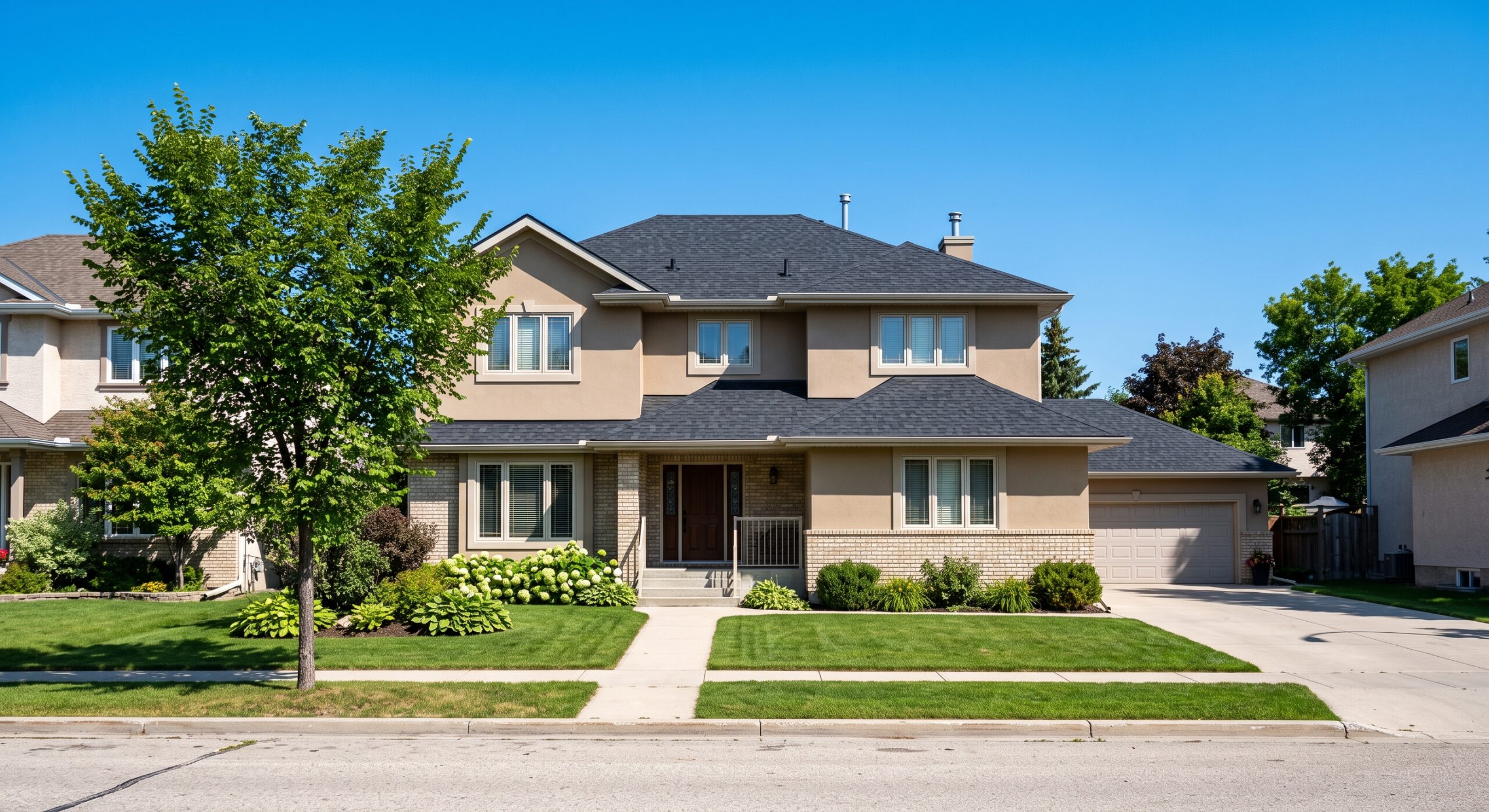
Ideal roofing refers to a complete roofing system that delivers maximum protection, longevity, and performance for your specific property and location. This includes using durable materials, professional installation, proper ventilation, and regular maintenance. A well-designed roof keeps moisture out, maintains comfortable indoor temperatures, and withstands wind, snow, hail, and sun exposure without premature wear.
For homeowners in Winnipeg and similar climates, ideal roofing must handle heavy snow loads, ice damming, rapid freeze-thaw cycles, and strong winds. That’s why choosing the right materials and contractors matters so much.
Key Features of Ideal Roofing Systems
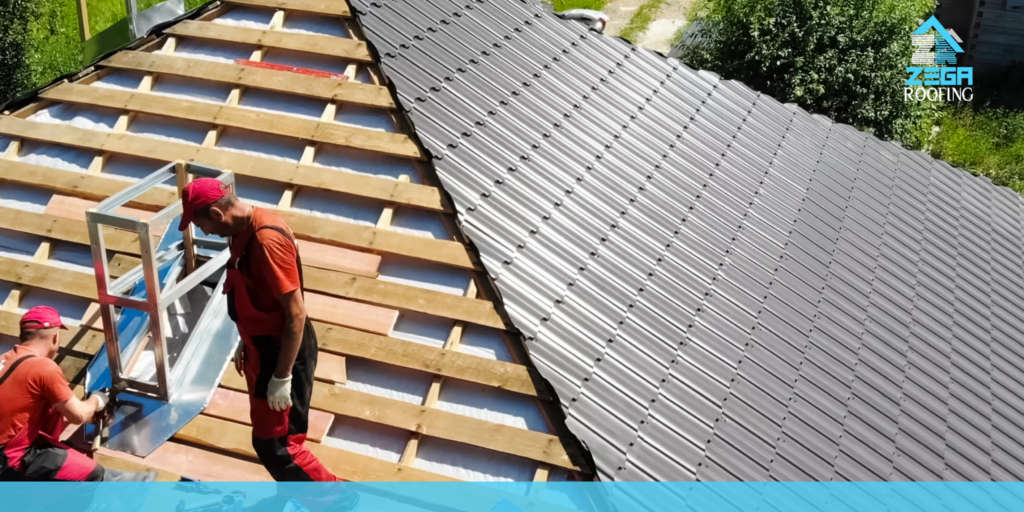
Several factors contribute to what qualifies as an ideal roofing solution. Understanding these elements helps you make informed decisions when repairing or replacing your roof.
Durable Materials Ideal Roofing
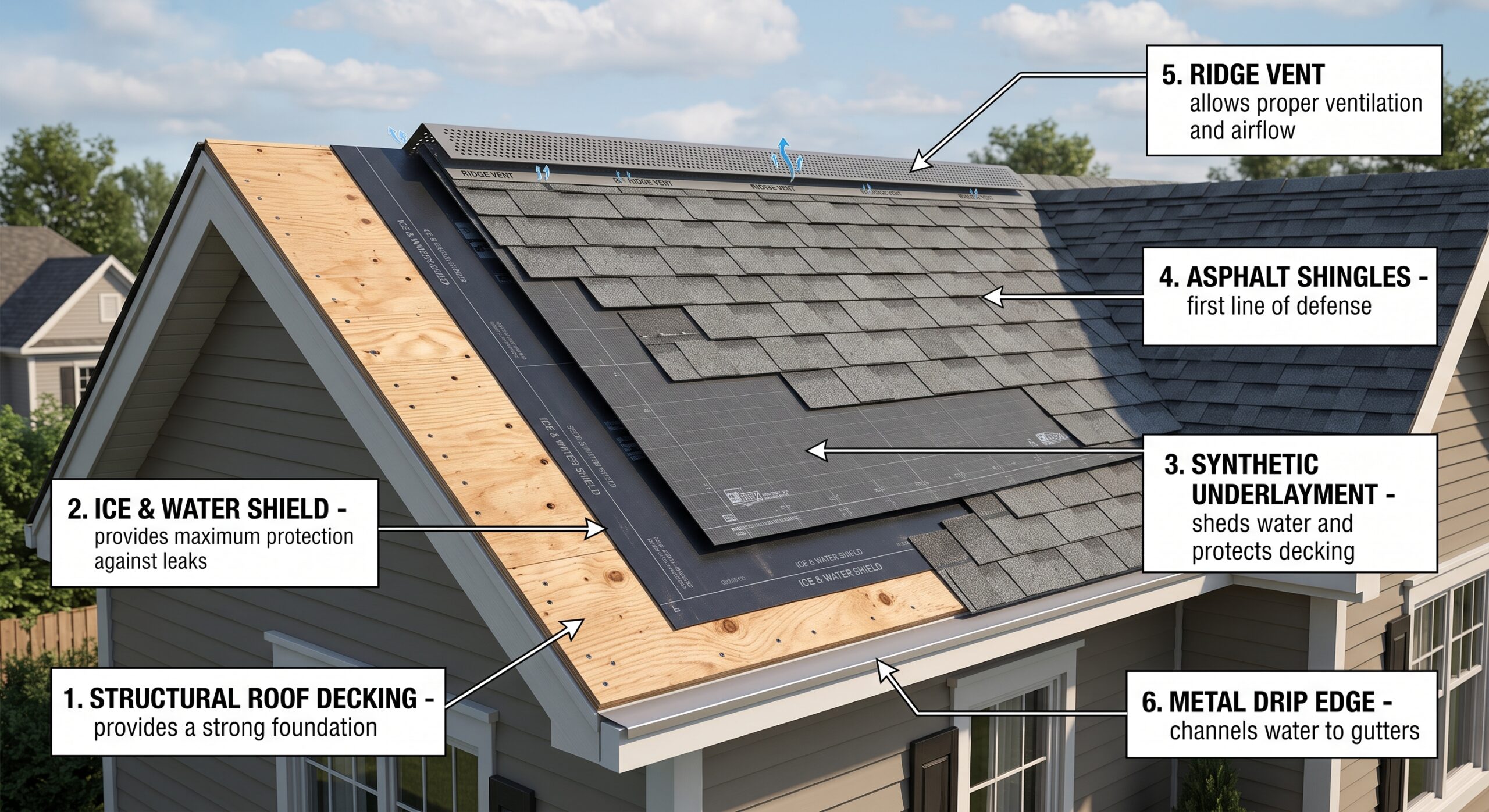
High-quality shingles, underlayment, and flashing prevent leaks and extend roof lifespan. Asphalt shingles remain popular for their balance of cost and performance, while metal roofing offers superior longevity. Both options work well in cold climates when installed correctly.
Professional Installation
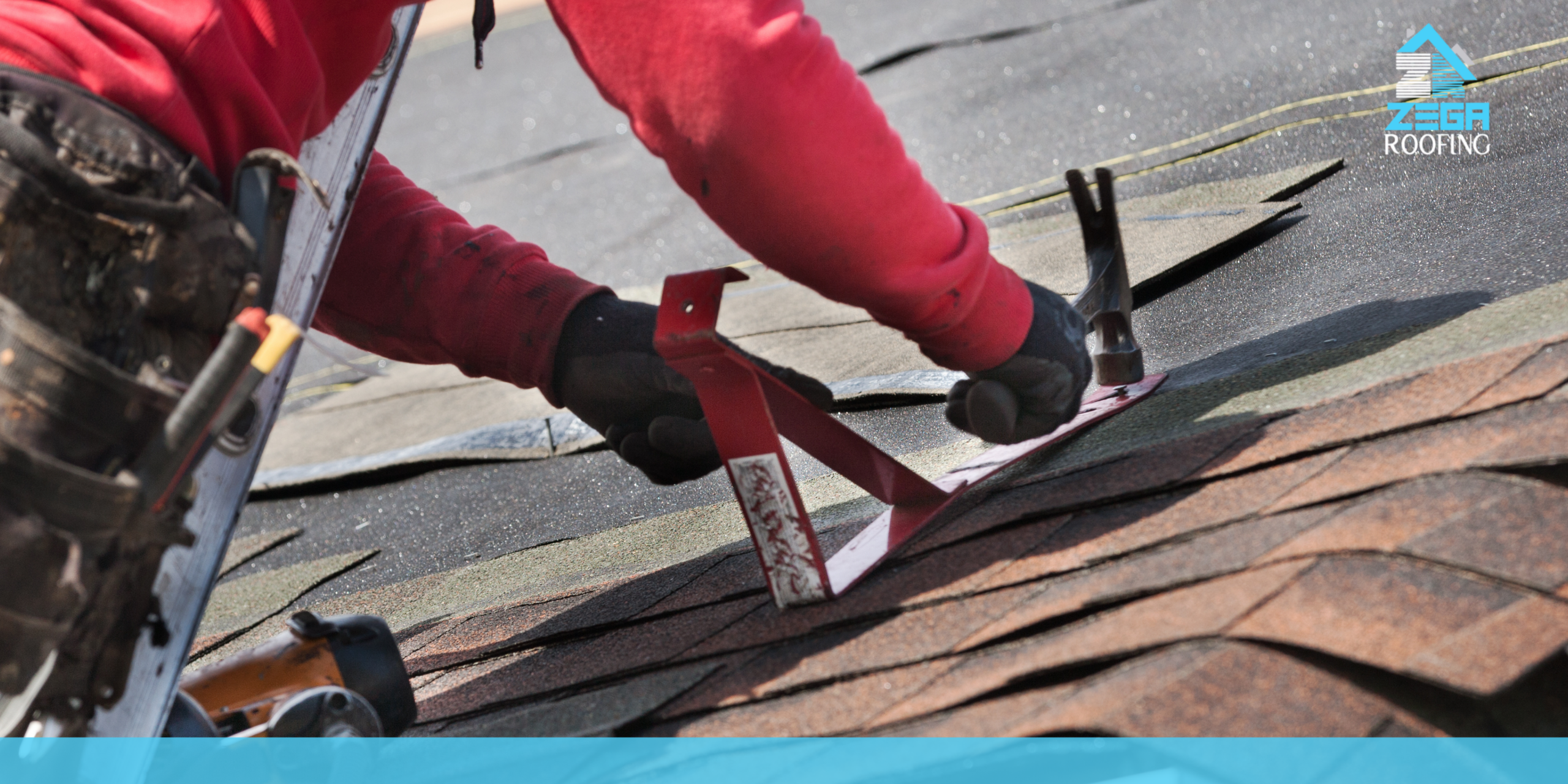
Even premium materials fail without proper installation. Certified roofers follow manufacturer guidelines, ensure correct nailing patterns, seal all penetrations, and install adequate ventilation. Cutting corners during installation leads to premature failure and costly repairs.
Climate Considerations
Your location determines which roofing materials perform best. Winnipeg’s harsh winters require systems that resist ice buildup, shed snow efficiently, and maintain flexibility in freezing temperatures. UV-resistant materials prevent summer sun damage.
Ideal Roofing Proper Ventilation
Attic ventilation regulates temperature and moisture levels, preventing ice dams in winter and reducing cooling costs in summer. Balanced intake and exhaust vents keep your roof functioning optimally year-round.
Regular Maintenance
Inspecting your roof twice annually, clearing debris, checking for damage, and addressing minor issues promptly extends its lifespan. Maintenance costs far less than premature replacement.
How to Identify the Right Roofing & Ideal Roofing Materials
Choosing materials depends on your budget, property style, and performance expectations. Here’s a comparison of common options:
| Material | Lifespan | Cost | Best For |
| Asphalt Shingles | 20-30 years | $ | Budget-conscious homeowners |
| Metal Roofing | 40-70 years | $$$ | Long-term investment |
| Cedar Shakes | 30-40 years | $$ | Traditional aesthetic |
| Rubber Membrane | 30-50 years | $$ | Flat or low-slope roofs |
Asphalt shingles work well for most residential properties. Metal roofing costs more upfront but saves money over time through durability and energy efficiency. For flat roofs, rubber membranes provide reliable waterproofing.
Your contractor should recommend materials based on your roof pitch, building structure, and local weather patterns. Don’t select materials based solely on appearance—performance matters more.
Signs You Need a New Roof for Ideal Roofing
Recognizing when to replace your roof prevents interior damage and safety hazards. Watch for these warning signs:
- Shingles curling, cracking, or missing granules
- Water stains on ceilings or walls
- Sagging roof deck
- Daylight visible through roof boards
- Excessive granules in gutters
- Roof age exceeding 20 years
If you notice multiple indicators, schedule a professional inspection immediately. Delaying replacement risks structural damage, mold growth, and higher repair costs.
Zega Roofing provides comprehensive roof inspections to assess condition and recommend appropriate solutions.
Choosing the Right Roofing Contractor for Ideal Roofing
Your contractor’s expertise directly affects roof performance and longevity. Follow these steps to find qualified professionals:
Verify Credentials
Check licensing, insurance, and certifications. Reputable contractors carry liability insurance and workers’ compensation coverage. Manufacturer certifications indicate specialized training.
Review Past Work
Ask for references and photos of completed projects. Contact previous clients about their experience, timeline adherence, and post-installation support.
Get Detailed Estimates
Quality contractors provide written estimates specifying materials, labor costs, timeline, and warranty terms. Avoid those offering vague “ballpark” figures or requesting large upfront deposits.
Compare Warranties
Understand both manufacturer warranties (covering materials) and workmanship warranties (covering installation). Longer workmanship warranties indicate contractor confidence.
Assess Communication
Responsive contractors answer questions clearly, explain options thoroughly, and keep you informed throughout the project. Poor communication before hiring predicts problems during installation.
Working with an established roofing company in Winnipeg ensures local expertise and accountability. Zega Roofing’s team understands Manitoba’s specific climate challenges and building codes.
Cost Factors for Ideal Roofing Projects
Several variables affect total roofing costs. Understanding these helps you budget accurately:
Roof Size and Complexity for Ideal Roofing
Larger roofs require more materials and labor. Complex designs with multiple valleys, chimneys, or skylights increase installation difficulty and cost.
Material Selection
Premium materials cost more but last longer and perform better. Balance upfront investment against long-term savings and replacement frequency.
Structural Repairs
Damaged decking, fascia, or soffits must be repaired before new roofing installation. Inspections reveal hidden issues affecting final costs.
Removal and Disposal
Tearing off old roofing and disposing of materials adds labor costs. Some properties accommodate overlay installation, though complete removal often provides better results.
Seasonal Timing
Peak season (spring and summer) brings higher demand and potentially higher prices. Fall installation can offer savings, though winter work becomes challenging in cold climates.
Request multiple quotes comparing similar materials and scope. The lowest bid isn’t always the best value, consider experience, reputation, and warranty coverage.
Maintenance Tips for Long-Lasting Roofs
Proper maintenance maximizes your investment and prevents premature failure. Implement these practices:
Bi-Annual Inspections for Ideal Roofing
Check your roof each spring and fall. Look for damaged shingles, loose flashing, clogged gutters, and signs of wear. Document findings with photos.
Clean Gutters Regularly
Blocked gutters cause water backup and ice dams. Clean debris at least twice yearly, more often if you have overhanging trees.
Trim Overhanging Branches
Tree limbs scraping shingles accelerate wear and provide rodent access. Maintain clearance to prevent damage and reduce debris accumulation.
Address Repairs Promptly
Small problems become expensive emergencies when ignored. Fix minor leaks, replace damaged shingles, and reseal flashing before issues spread.
Remove Snow Safely
Heavy snow loads stress roof structures. Use proper tools and techniques, or hire professionals for safe removal. Never use sharp implements that damage shingles.
Professional maintenance programs provide peace of mind and catch issues early. Contact Zega Roofing to discuss inspection and maintenance services.
Ideal Roofing Energy Efficiency and Insulation
An ideal roofing system works with proper insulation to regulate indoor temperatures and reduce utility costs. Inadequate insulation wastes energy and creates comfort problems.
Attic Insulation Standards
Manitoba building codes require specific R-values for attic insulation. Meeting or exceeding these standards reduces heating costs and prevents ice dams. Spray foam insulation provides superior air sealing and thermal performance.
Ideal Roofing Ventilation Balance
Proper airflow prevents moisture buildup and temperature extremes. Ridge vents, soffit vents, and gable vents work together to maintain healthy attic conditions.
Cool roofing products reflect solar heat, reducing summer cooling costs. While less critical in cold climates, reflective surfaces still provide benefits during warm months.
Reflective Materials
Zega Roofing offers spray foam insulation services that complement your roofing system, maximizing energy efficiency and comfort.
Common Roofing Problems and Solutions
Understanding typical roof issues helps you maintain your system effectively:
Ice Dams
Heat loss through poorly insulated attics melts snow, which refreezes at roof edges. Solutions include improving insulation, sealing air leaks, and ensuring adequate ventilation.
Leaks Around Penetrations
Chimneys, vents, and skylights create weak points where water infiltrates. Proper flashing installation and regular inspection prevent leaks.
Wind Damage
High winds lift shingles and tear flashing. Quality installation with proper nailing and adhesive strips resists wind uplift.
Granule Loss
Shingles losing protective granules indicate aging or manufacturing defects. Excessive loss requires replacement before leaks develop.
Ventilation Problems
Inadequate airflow causes heat and moisture buildup, reducing shingle lifespan and creating mold conditions. Adding or balancing vents solves this issue.
Addressing these problems quickly prevents expensive damage. Professional roofers diagnose root causes and implement lasting solutions.
Frequently Asked Questions
How long does ideal roofing last?
Lifespan depends on materials, installation quality, climate, and maintenance. Asphalt shingles typically last 20-30 years, while metal roofs can exceed 50 years. Regular inspections and prompt repairs extend any roof’s service life.
What makes a roofing contractor reliable?
Look for licensing, insurance, manufacturer certifications, positive reviews, detailed written estimates, and strong warranties. Established local companies with proven track records provide accountability and quality workmanship.
When should I replace instead of repair my roof?
Replace when repairs exceed 30% of replacement cost, your roof is over 20 years old, or you notice widespread damage like multiple leaks, extensive shingle loss, or structural sagging. A professional inspection determines the most cost-effective solution.
Can I install a new roof over existing shingles?
Building codes sometimes allow overlay installation, but complete removal often provides better results. Overlays hide underlying damage, add weight, and may void manufacturer warranties. Consult a professional to determine the best approach for your situation.