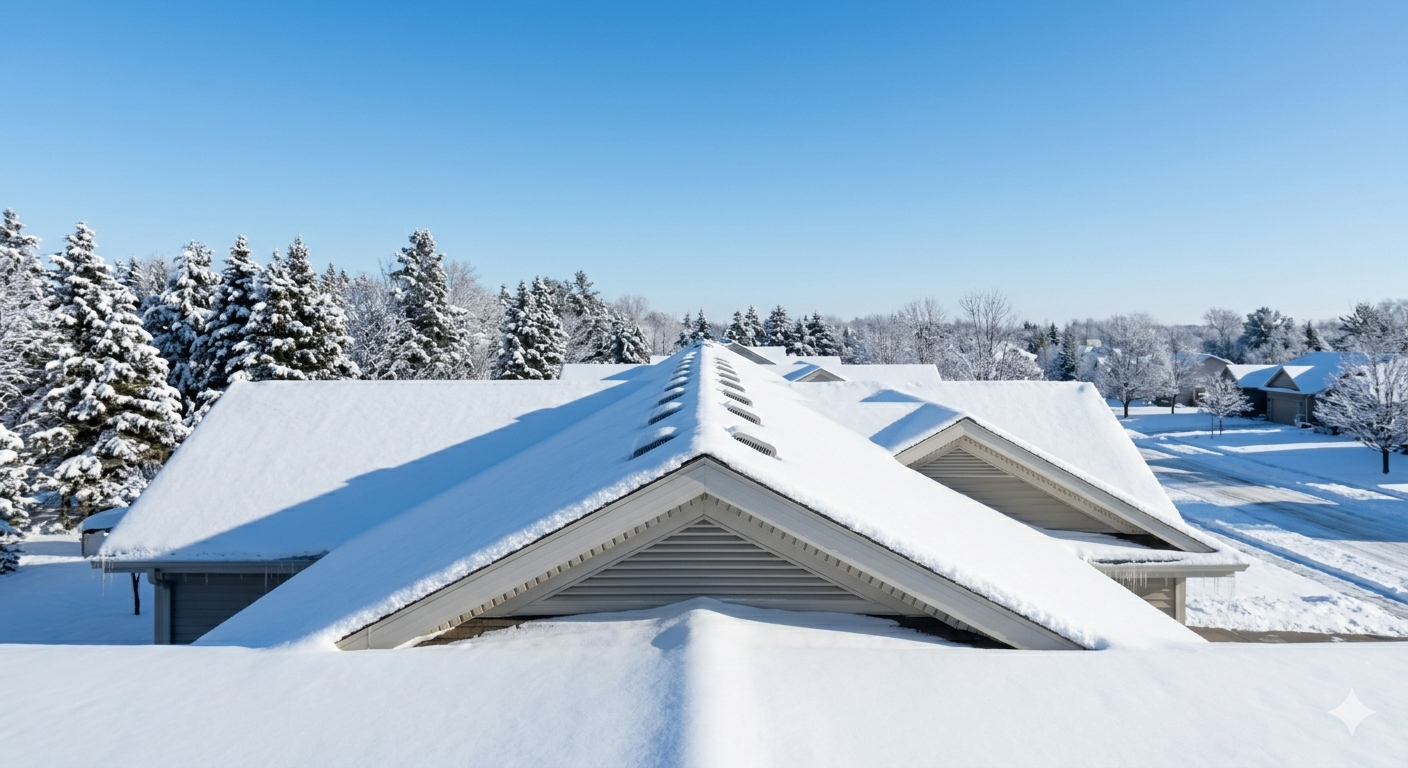
House roof vents allow hot, moist air to escape from your attic while pulling in cooler air from outside, keeping your roofing system balanced year-round. Without proper ventilation, Canadian homeowners risk ice dams, mould growth, and premature shingle damage that can cost thousands in repairs.
If you own a home in Winnipeg or anywhere across Manitoba, your roof deals with extreme cold, heavy snow, and summer heat. House roof vents reduce moisture buildup, prevent ice dams during freezing months, and help lower cooling costs in the warmer season.
This post covers the different vent types, how they function, which option works best for various setups, signs that your ventilation needs attention, and practical maintenance tips. For pricing details on any ventilation project, contact Zega Roofing directly for a free estimate.
How Do House Roof Vents Actually Work?
These vents operate on a simple principle: hot air rises. When the sun heats your roof or warm indoor air drifts upward into the attic, exhaust vents near the ridge let that hot air escape. At the same time, intake vents near the soffits pull in cooler outside air to replace it.
This continuous cycle is called passive ventilation. Some homeowners also use powered options like electric or solar fans to push air through the attic more aggressively.
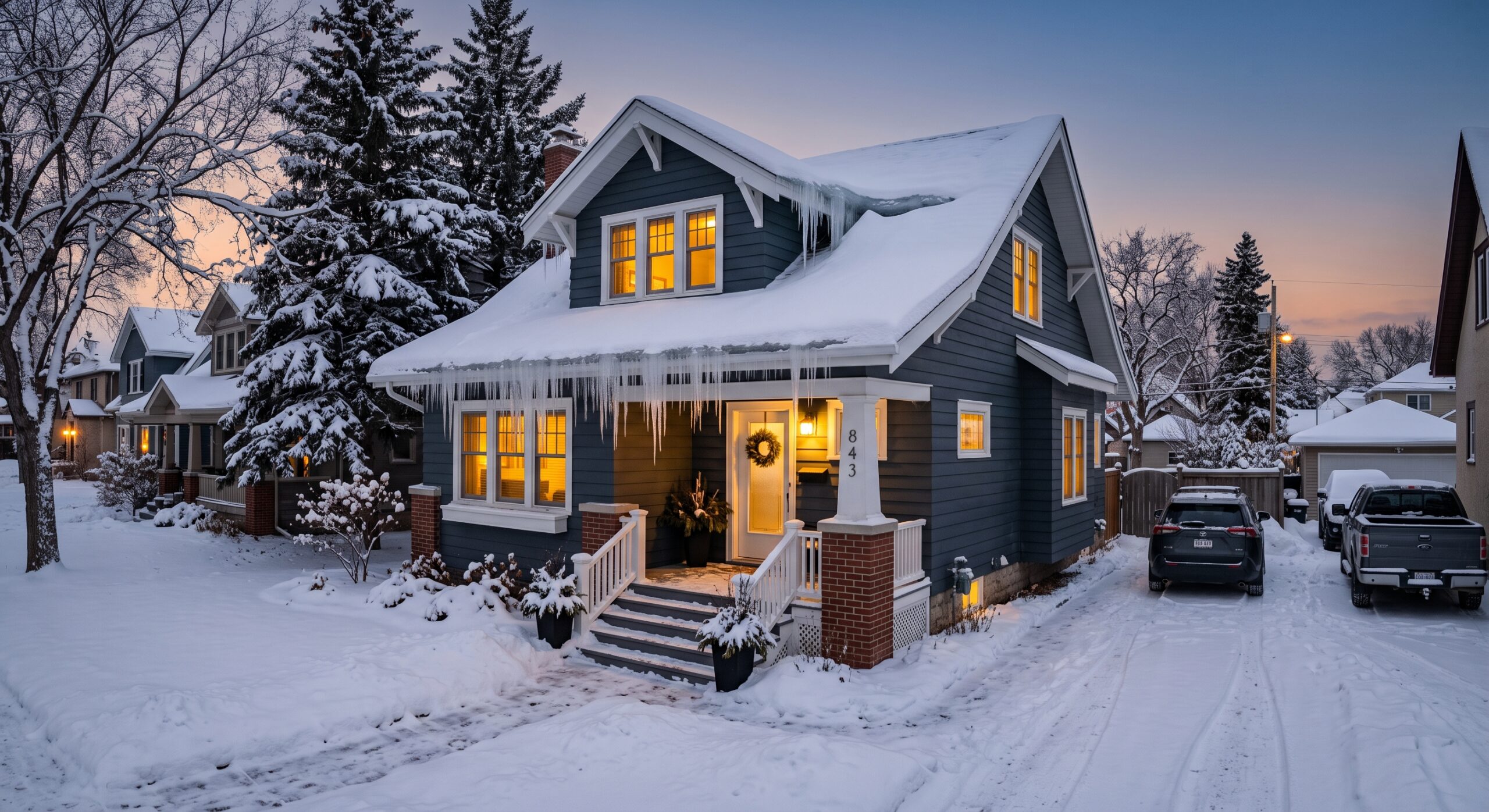
In Winnipeg, this matters more than in most cities. During winter, a warm attic melts snow on the roof surface. That melted water flows down to the cold eaves and refreezes, forming ice dams. House roof vents prevent that scenario by keeping the entire roof surface at a uniform temperature.
During summer, a poorly vented attic can reach temperatures above 65 degrees Celsius. That trapped heat radiates into your living space, forcing your cooling system to work overtime.
Types of House Roof Vents You Should Know
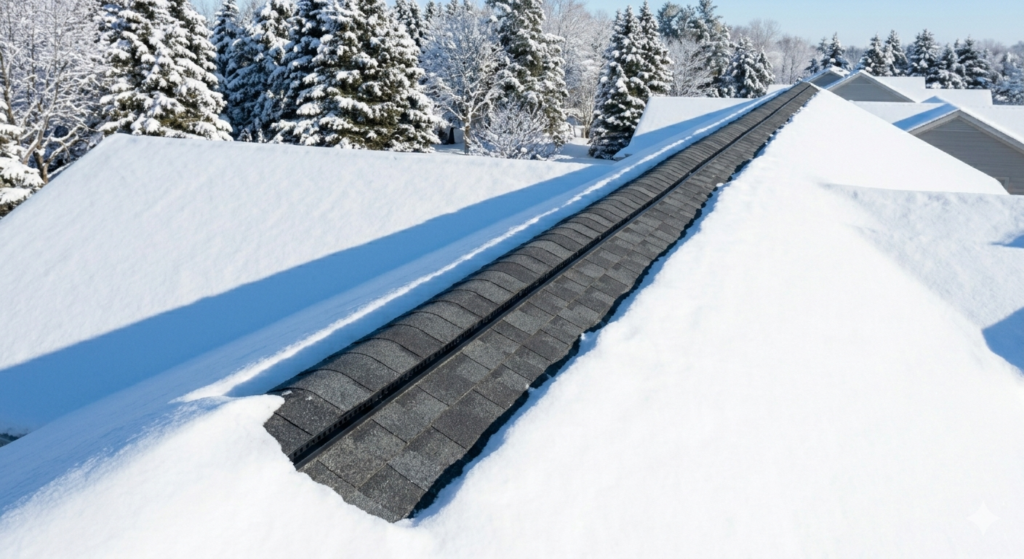
Not every home needs the same ventilation setup. The right choice depends on your roof design, attic layout, and climate exposure. Here is a breakdown of the most common house roof vents available for Canadian homes.
Ridge Vents
Ridge vents run along the peak of the roof and blend into the roofline. They provide continuous exhaust along the entire ridge, making them one of the most effective options.
Box Vents (Static Vents)
Box vents are individual units installed near the ridge. They rely on natural convection and wind to move air. Multiple units are usually needed to ventilate a full attic. They work well for roofs with complex shapes where a continuous ridge vent is not practical.
Soffit Vents
Soffit vents are intake vents installed along the underside of the roof overhang. They pull fresh air into the attic. Without soffit vents, exhaust vents at the top have no incoming air to work with.
Turbine Vents
Turbine vents use wind power to spin and pull air out of the attic. They require no electricity. In windy areas like the prairies around Winnipeg, turbine vents can be highly effective.
Powered Attic Fans
Powered attic fans use electricity or solar energy to force air circulation. They are useful where passive ventilation alone cannot keep up with moisture or heat levels.
Comparing Different House Roof Vents
Choosing between vent types can feel overwhelming. This comparison table breaks down the key differences.
| Vent Type | How It Works | Best For | Maintenance Level |
| Ridge Vent | Continuous exhaust along roof peak | Most standard gable roofs | Low |
| Box Vent | Individual static exhaust units | Complex roof designs | Low |
| Soffit Vent | Intake along eaves | All homes (paired with exhaust vents) | Medium |
| Turbine Vent | Wind-powered spinning exhaust | Windy regions, open areas | Medium |
| Powered Fan | Electric or solar forced exhaust | High moisture or heat situations | Higher |
For most Winnipeg homes, a combination of ridge vents and soffit vents delivers the best performance. If you are unsure which setup suits your property, the team at Zega Roofing can perform an attic insulation assessment and recommend the right plan.
Signs Your House Roof Vents Are Not Working
Even if your home already has vents, they might not be doing their job. Here are common warning signs that need attention:
Ice dams forming along the edges of your roof during winter are a classic indicator of poor attic ventilation. Snow melts unevenly when the attic stays too warm, and ice builds up at the eaves.
Mould or mildew in the attic is another red flag. Moisture that cannot escape condenses on rafters and sheathing. Left unchecked, this damages the wood structure and affects indoor air quality.
Peeling paint or warped siding near the roofline often signals excess moisture escaping through the walls instead of through the roof. Unusually high energy bills during summer can also point to an overheated attic caused by blocked or missing house roof vents.
If you notice any of these issues, Zega Roofing offers free roofing inspections across areas we served in and around Winnipeg to catch ventilation problems early.
Things To Know About House Roof Vents
Before you make any decisions about your roof ventilation, keep these practical points in mind:
These vents work best as a balanced system. You need roughly equal amounts of intake and exhaust ventilation. If one side dominates, the airflow short-circuits and leaves parts of the attic stagnant.
Mixing certain vent types on the same roof can cause problems. Combining a ridge vent with a powered fan can pull air in through the ridge vent instead of through the soffits.
Insulation should never block soffit vents. During attic insulation work, baffles need to be installed in each rafter bay near the soffits to keep the airflow path open.
Ventilation needs vary by attic size. The general rule is 1 square foot of ventilation for every 150 square feet of attic floor space, or 1 to 300 when a vapour barrier is present.
These vents do not replace insulation. Ventilation and insulation work as partners. Insulation slows heat transfer, while vents manage moisture and temperature in the attic cavity above the insulation layer.
| Common Mistake | Why It Happens | How To Fix It |
| Blocked soffit vents | Insulation pushed against soffits | Install rafter baffles |
| Mismatched vent types | Mixing exhaust systems on one roof | Stick to one exhaust style |
| Too few vents | Underestimating attic square footage | Calculate using 1:150 or 1:300 ratio |
| Painting over soffit holes | Exterior painting without masking vents | Clear vent openings after painting |
| No intake vents | Only exhaust vents installed | Add soffit or eave vents |
How Winnipeg Weather Affects Your Roof Ventilation
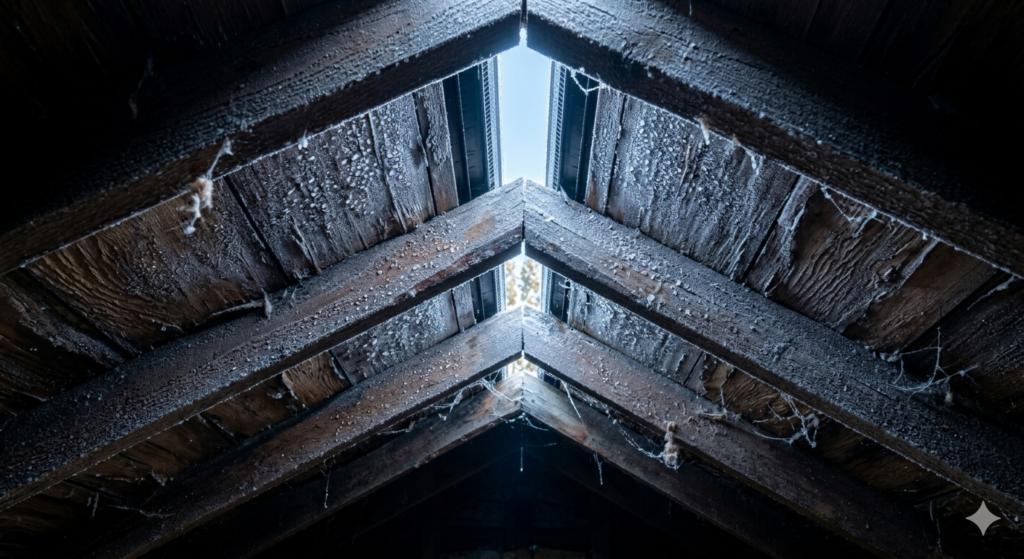
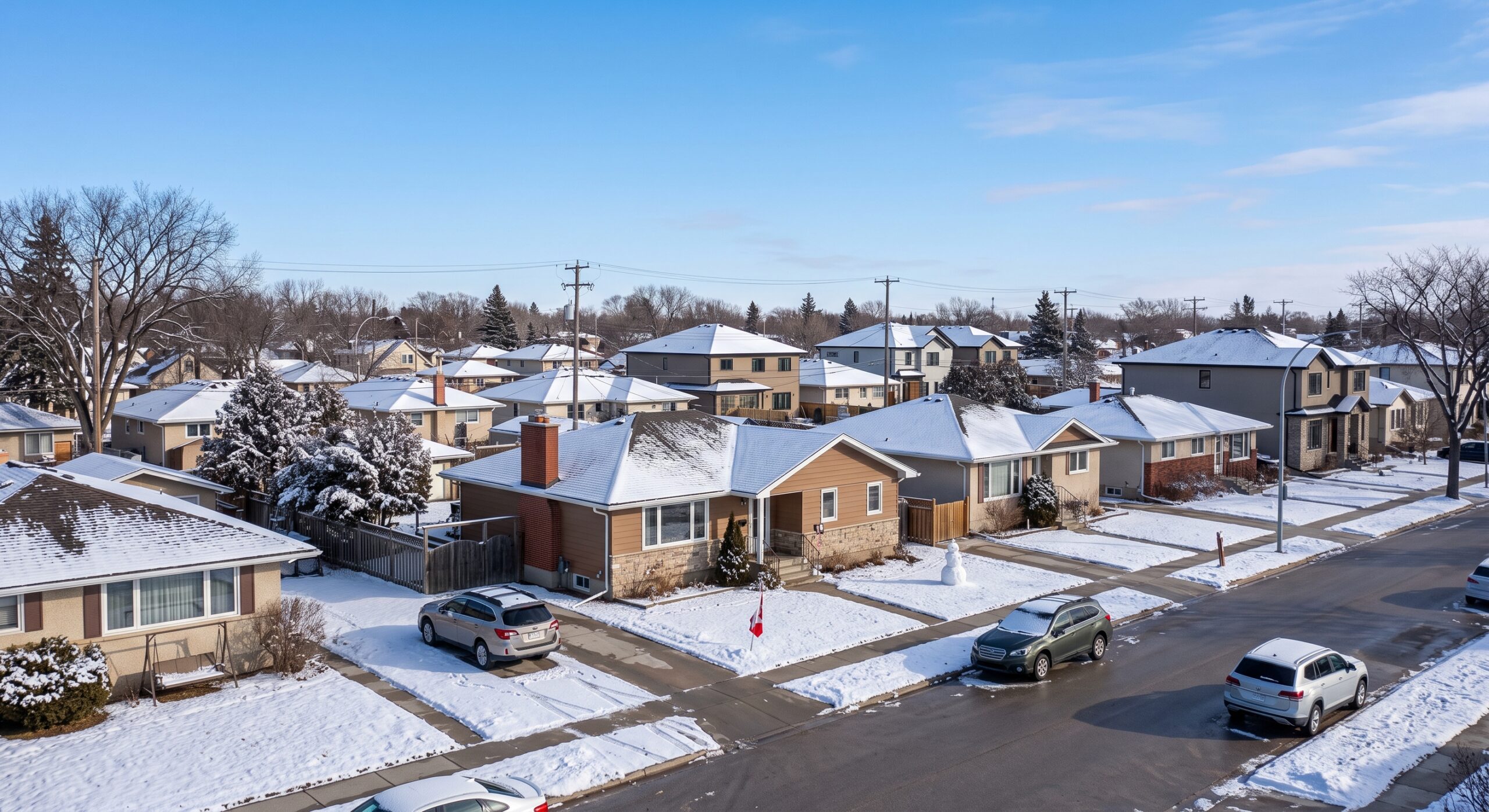
Winnipeg experiences some of the most dramatic temperature ranges in Canada. Winter lows drop below minus 30 degrees Celsius, and summer highs regularly climb above 30.
During the coldest months, warm moist air from cooking, showering, and breathing rises into the attic. If house roof vents are absent or blocked, that moisture freezes on the underside of the roof deck. When spring arrives, everything thaws at once, causing water damage to insulation and framing.
In summer, direct sunlight heats the roof intensely. Without exhaust vents, the attic becomes an oven that degrades shingles from underneath, shortening the lifespan of your shingle roof replacement significantly.
Proper house roof vents address both extremes by keeping air moving through the attic space regardless of the season. If your home was built before modern ventilation codes, you may have fewer vents than current standards recommend.
[IMAGE SUGGESTION: A split-image style photo showing a Winnipeg residential home in winter on one side and summer on the other, highlighting roof conditions in both seasons, no text overlays]
Why Professional Installation Matters
Installing house roof vents involves cutting into the roof structure, sealing around penetrations, and ensuring everything integrates with your existing shingles and flashing. Improper cuts or poor sealing leads to leaks.
A professional roofer knows how to position house roof vents for maximum airflow, how to flash around each opening to prevent water intrusion, and how to balance intake with exhaust based on your attic dimensions.
Zega Roofing has over 25 years of experience handling roofing installation in Winnipeg projects that include ventilation upgrades. Check out our completed projects in our gallery to see our work firsthand.
For questions about house roof vents, pricing, or to book a free inspection, reach out to Zega Roofing at +1 204-997-2697.
Keeping Your House Roof Vents in Good Shape
Maintenance is straightforward but important. Check your house roof vents at least twice a year, once in spring and once in fall. Look for debris like leaves, bird nests, or ice buildup blocking the openings. A quick cleaning with a brush or compressed air keeps soffit vents clear.
After major storms, do a visual check from the ground. If a turbine vent stops spinning or a box vent cap looks displaced, schedule an inspection.
If you are planning a roofing upgrade, ask your contractor to assess the ventilation at the same time.
The Bottom Line on House Roof Vents for Canadian Homes
House roof vents are not optional extras. They are a critical part of every roofing system, especially in climates like Winnipeg where temperature extremes test every component of your home.
Whether your home needs new vents or a complete ventilation overhaul, working with experienced professionals ensures the job gets done right. Zega Roofing brings over 25 years of local expertise to every project in Winnipeg and surrounding areas. Contact us today for a free inspection.
Frequently Asked Questions About House Roof Vents
Are roof vents a good idea?
Yes, house roof vents are essential for every home with an attic. They prevent moisture damage, reduce ice dam formation, and help regulate indoor temperatures. Without them, trapped heat and humidity cause mould, rot, and premature wear on roofing materials.
What are the best types of roof vents?
Ridge vents paired with soffit vents are the best combination for most Canadian homes. This pairing creates balanced, passive airflow that works in every season without electricity or moving parts.
What is the proper venting for a roof?
The standard recommendation is 1 square foot of net free ventilation area for every 150 square feet of attic floor space. Split this evenly between intake and exhaust vents. If a vapour barrier is installed, the ratio can be relaxed to 1:300.
What happens if a roof is not vented properly?
Poor ventilation leads to moisture buildup, ice dams, mould growth, and higher energy bills. In winter, warm attic air melts roof snow unevenly. In summer, excessive heat degrades roofing materials from the inside out.
Can rain come in through roof vents?
Properly installed house roof vents are designed to keep rain out. Ridge vents have internal baffles, and box vents have angled covers that deflect water. Leaks usually happen only when vents are incorrectly installed, damaged by storms, or missing proper flashing.