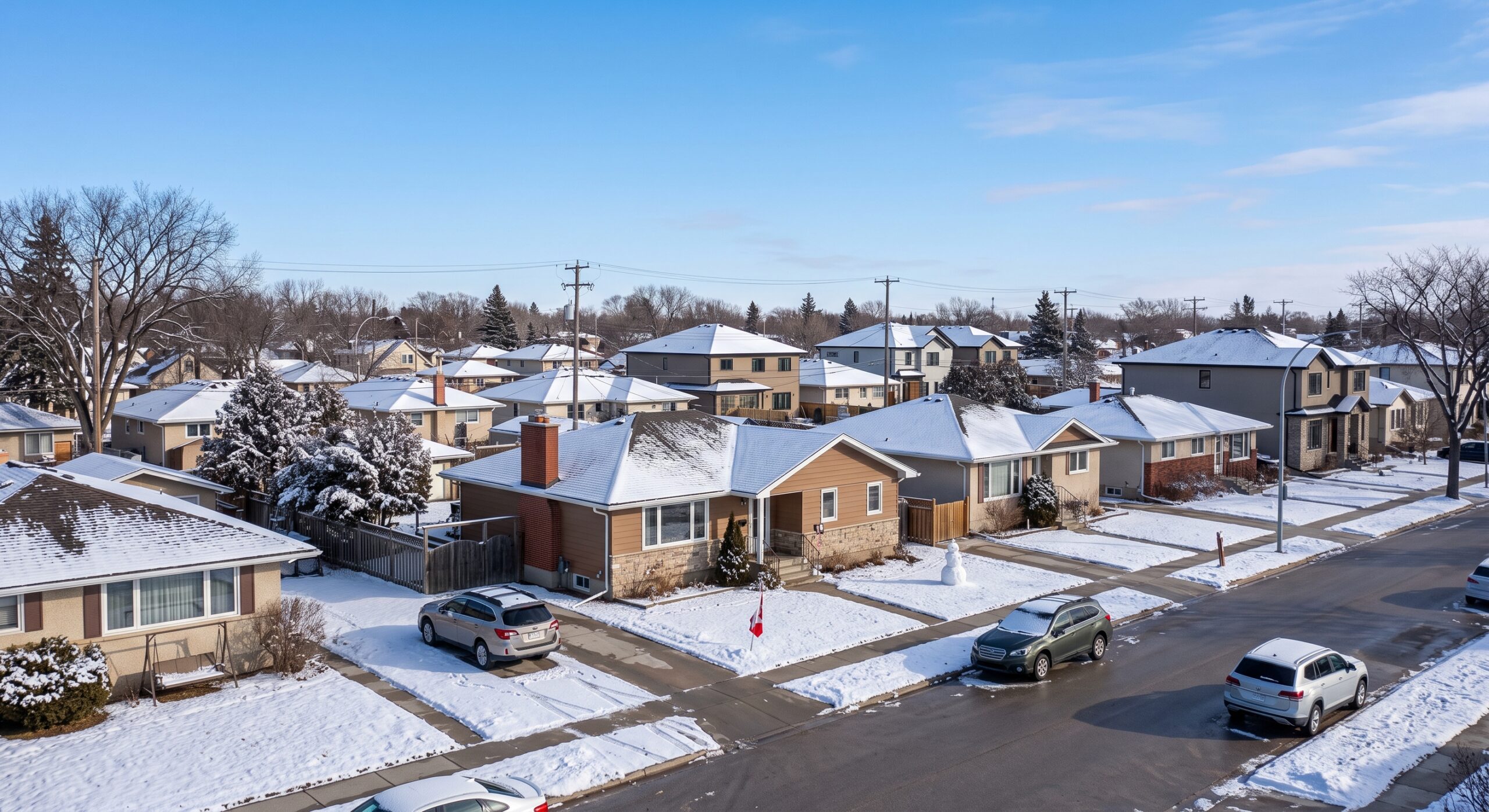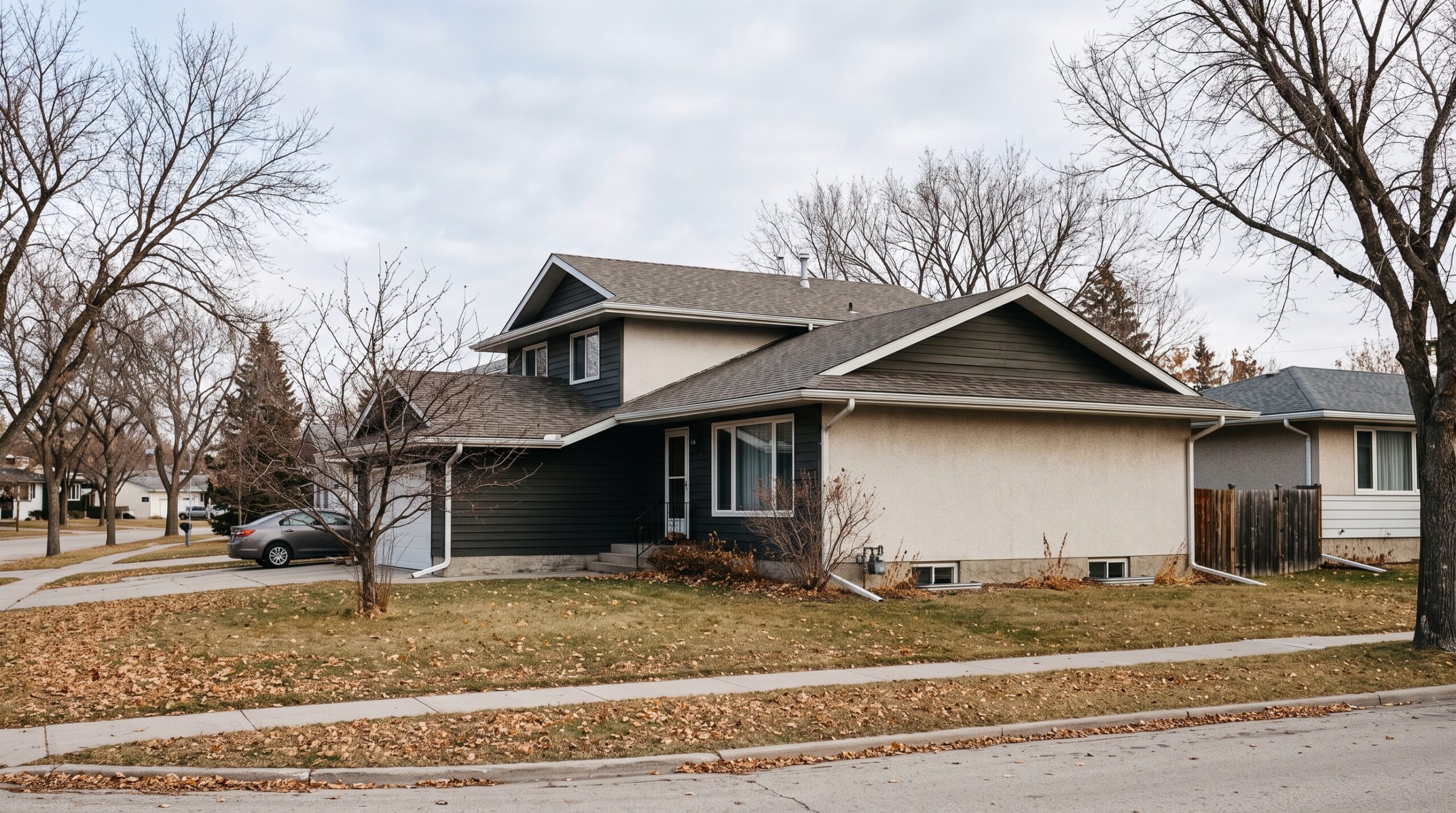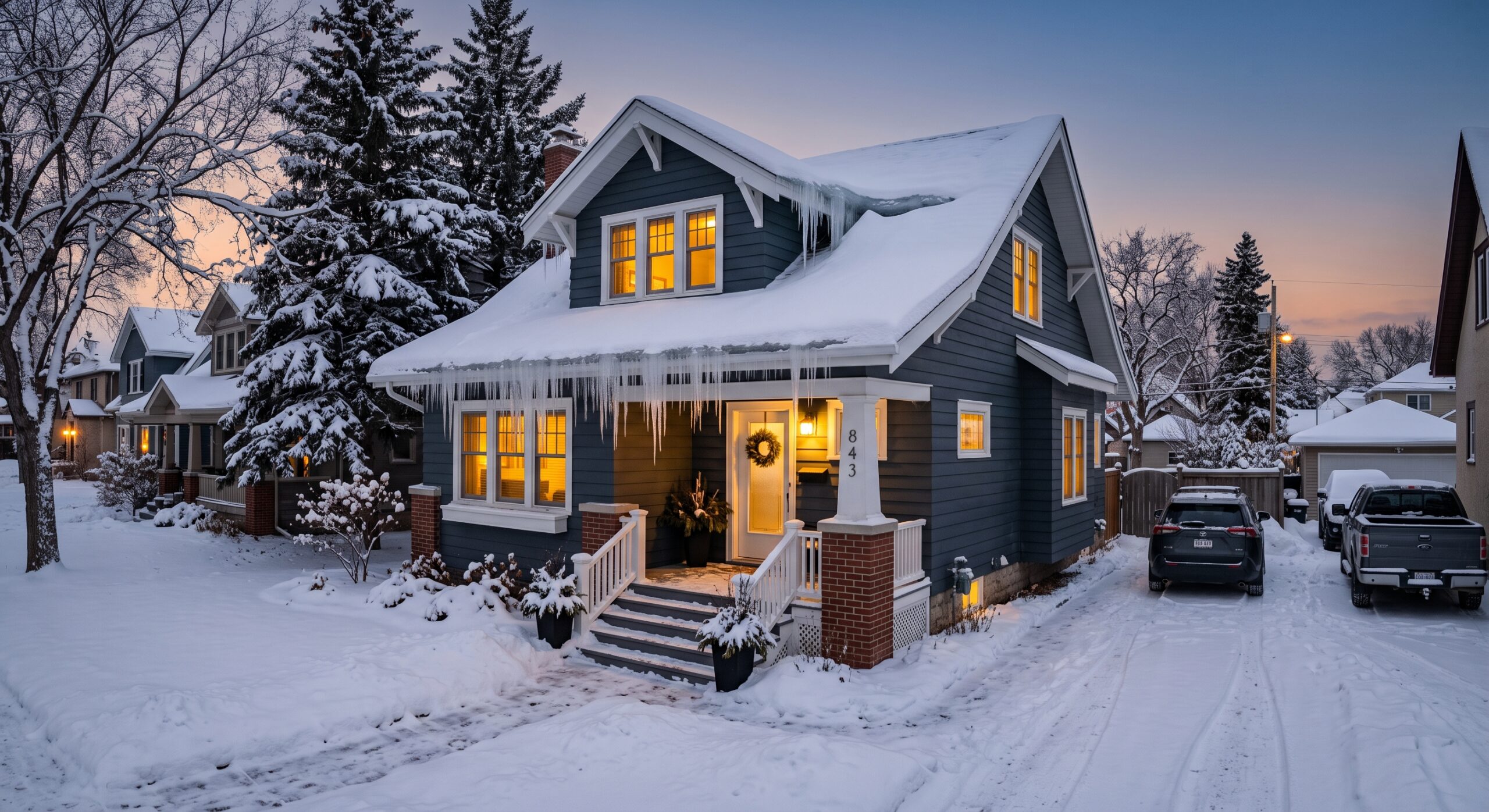
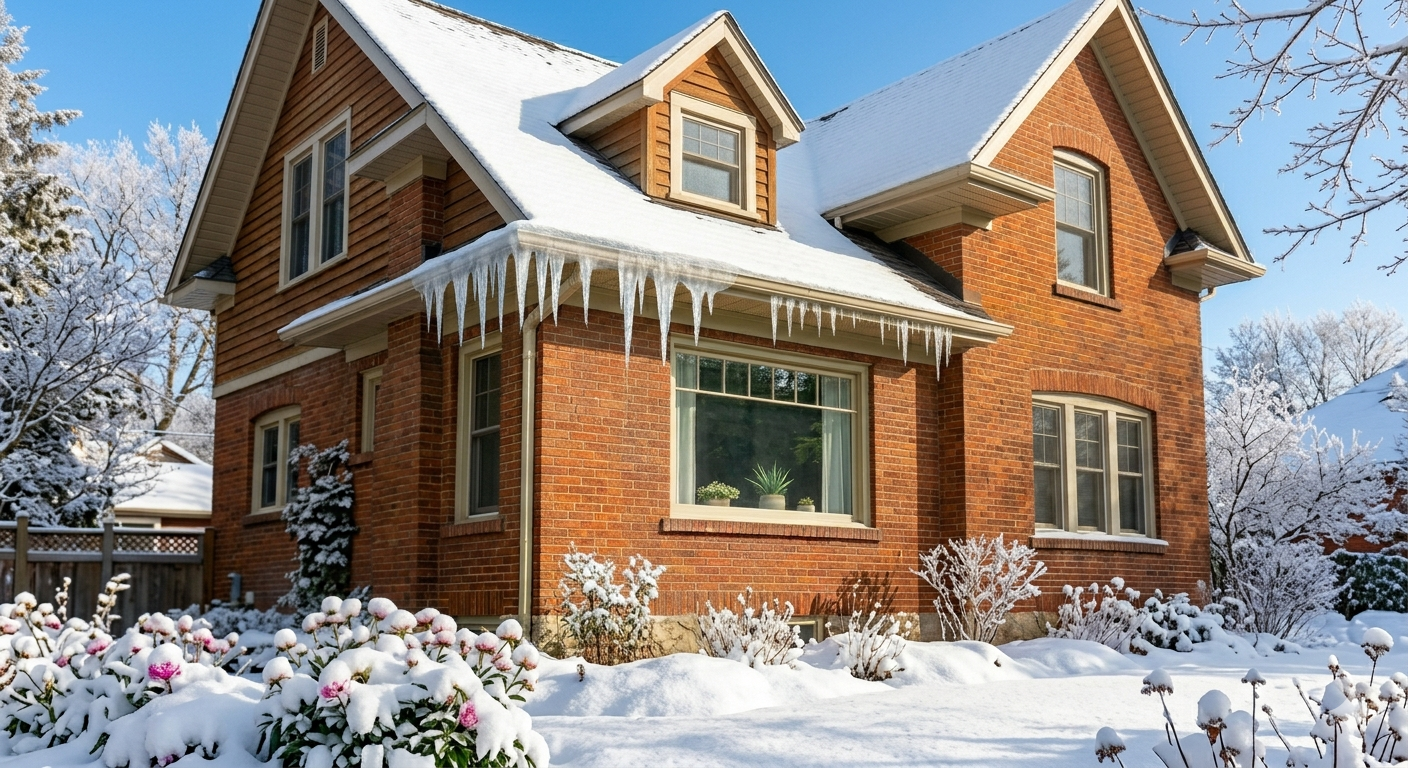
A roof gable is the triangular section formed where two sloping sides of a roof meet at a ridge, and it plays a major role in protecting your home from rain, snow, and wind.
These structures are among the most common roofing designs across Canada because they allow precipitation to slide off easily, provide attic ventilation, and create additional living space under the roofline. In this post, you will learn about different types, why they work well in cold climates like Winnipeg, how to maintain them, and when to call a professional for repairs.
Whether you are building new or upgrading your current system, knowing how this feature functions helps you make better decisions for long-term durability and energy savings.
What Is a Roof Gable?
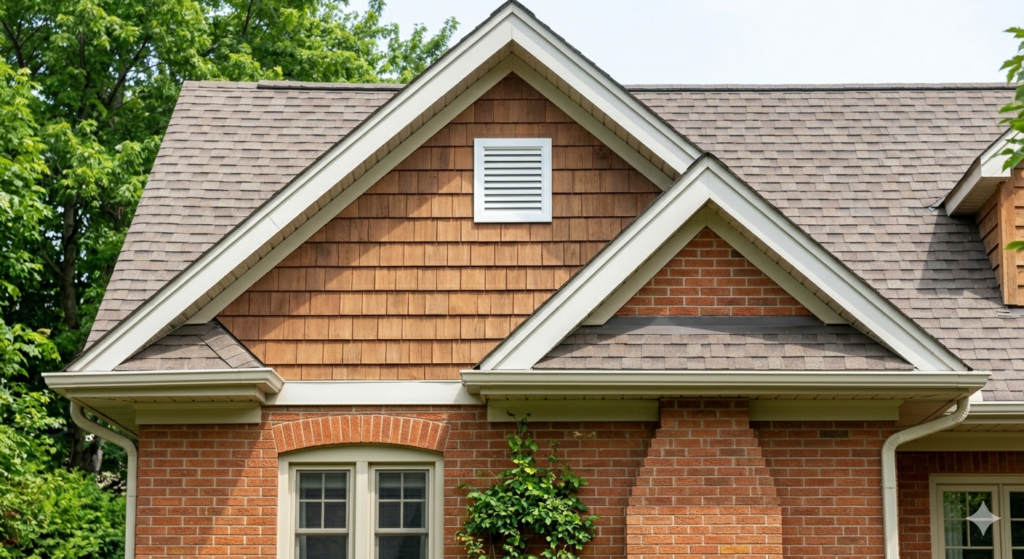
A roof gable is the triangular wall section that sits between two intersecting slopes. If you look at the front or back of most Canadian homes, you will likely notice that pointed, A-shaped section near the top. That triangle is the gable.
This roofing feature has been used for centuries because it offers a simple yet highly effective way to shed water and snow. The steep angle allows precipitation to run off quickly instead of pooling on the surface. In regions like Winnipeg where heavy snowfall is normal, this natural drainage is incredibly valuable.
Beyond weather protection, this structure also supports proper airflow in your attic. Vents installed along the gable wall help push warm, moist air out and pull fresh air in. This circulation prevents moisture buildup that could lead to mould, ice dams, or rotting wood.
If you are planning a roofing installation in Winnipeg, knowing how gables work will help you communicate better with your contractor and choose the right design for Manitoba weather.
Why Is a Roof Gable Important for Canadian Homes?
Canadian homeowners deal with extreme temperature swings, heavy snow loads, and strong prairie winds. A roof gable addresses all three challenges in a straightforward way.
First, the sloped shape naturally pushes snow and ice off your roofline. Flat or low-slope options tend to accumulate snow, which adds weight and increases the risk of structural damage. A properly pitched gable reduces that concern significantly.
Second, these structures promote better attic ventilation. When warm air gets trapped during winter, it can melt the bottom layer of snow on your roof. That melted water refreezes at the eaves and creates ice dams. Good ventilation through gable vents keeps attic temperatures consistent and minimizes this problem.
Third, the triangular design adds structural support. The natural geometry distributes weight evenly along the walls, making it a reliable choice for homes that face heavy weather year after year.
For homes in Winnipeg and surrounding areas, Zega Roofing provides expert advice on which configuration works best for your property. You can explore the areas we serve to see if your neighbourhood is covered.
Common Types of Roof Gable Designs
Not all gable structures look the same. Builders use several variations depending on the home style, local climate, and budget. Here are the most popular options across Canada.
Front Gable
This design places the triangular section at the main entrance. It is popular in colonial and cape-style houses, creates a bold visual feature, and works well for homes with simple, rectangular floor plans.
Side Gable
A side gable runs along the longer walls of the building, with the ridge sitting parallel to the front door. This is one of the most traditional styles found in Canadian neighbourhoods and offers consistent water drainage on both sides.
Cross Gable
This variation combines two or more gable sections at right angles. Homes with L-shaped or T-shaped floor plans often use this approach. It creates more interior space and adds architectural interest to the roofline.
Dutch Gable
A Dutch gable blends the triangular feature with a hip roof. The lower section has sloped sides on all four walls, while a small gable sits on top. This design improves wind resistance and adds a decorative element.
Box Gable
A box gable extends the triangular section outward from the wall, creating a boxed-out appearance. This style adds depth and is commonly seen on modern prairie homes.
If you need help choosing the right style, check out the gallery at Zega Roofing for real project examples.
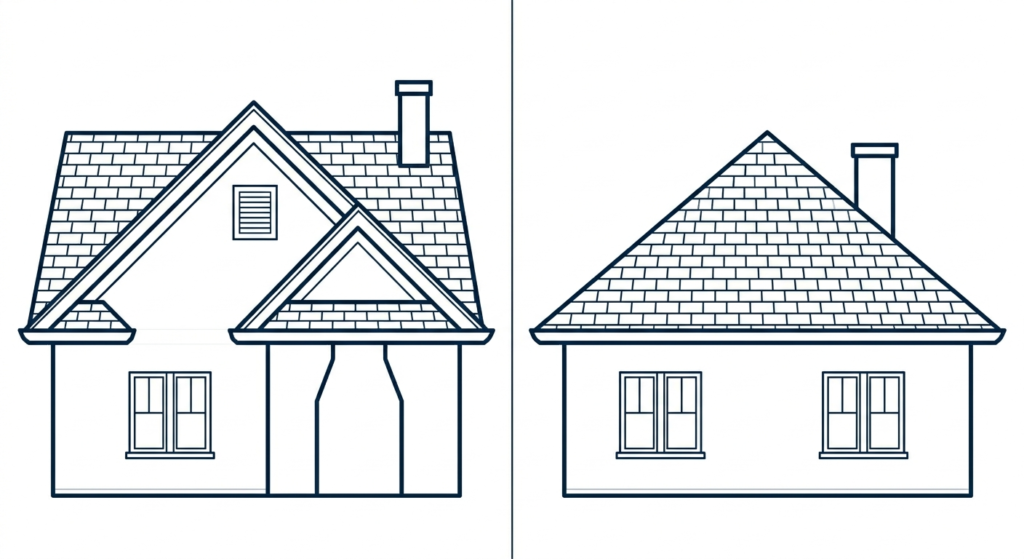
Roof Gable vs. Hip Roof: Which One Is Better?
Choosing between a roof gable and a hip roof depends on your priorities. Both have advantages, and the best option comes down to your location, budget, and design preference.
| Feature | Roof Gable | Hip Roof |
| Snow shedding | Excellent on two sides | Good on all four sides |
| Wind resistance | Moderate | Higher due to sloped sides |
| Attic space | More usable area | Less headroom |
| Ventilation | Easy to install vents | Requires ridge or soffit vents |
| Cost | Generally more affordable | Higher material and labour costs |
| Maintenance | Simpler to inspect and repair | More complex due to extra seams |
For most Winnipeg homeowners, a gable design offers the best balance of affordability, snow management, and attic space. However, if your home sits in an area with frequent high winds, a hip roof or Dutch hybrid may provide extra stability.
The team at Zega Roofing can assess your property and recommend the ideal configuration. For pricing details, just contact Zega Roofing for a free estimate.
How to Maintain Your Roof Gable
Keeping your gable in top condition does not require a lot of effort, but regular attention goes a long way.
Check your gable vents at least twice a year, once in spring and once in fall. Make sure they are free of debris, bird nests, or ice buildup. Blocked vents reduce airflow and can lead to moisture problems.
Inspect the siding or cladding on the gable wall for cracks, warping, or peeling paint. In Winnipeg, freeze-thaw cycles cause materials to expand and contract, which leads to wear over time. Catching small issues early prevents expensive repairs later.
Look for signs of water damage along the edges where the gable meets the main roofline. These intersections are vulnerable to leaks if the flashing is worn or improperly installed.
Trim any overhanging tree branches that sit close to the structure. Branches rubbing against the surface can damage shingles and create entry points for water.
If you notice sagging, visible rot, or large cracks, do not wait to call a professional. Zega Roofing offers free inspections for homeowners across Winnipeg.
Signs Your Roof Gable Needs Repair
Even a well-built gable will eventually show signs of aging. Recognizing these warning signals early saves money and prevents structural damage.
| Warning Sign | What It Could Mean |
| Peeling or bubbling paint on the gable wall | Moisture trapped behind the siding |
| Visible cracks in the structure | Settling, wind damage, or material fatigue |
| Water stains on interior attic walls | Flashing failure or leak at the junction |
| Sagging or uneven roofline | Structural support issues needing immediate attention |
| Ice dams forming along the edge | Poor ventilation or insulation problems |
| Damaged or missing vent covers | Exposure to pests, rain, and temperature swings |
If you spot any of these issues, a professional evaluation is the safest next step. For trusted shingle roof replacement or gable repair services, Zega Roofing has over 25 years of experience serving Winnipeg homeowners.
Roof Gable and Attic Insulation: How They Work Together
Your gable structure and attic insulation form a team that controls temperature and moisture inside your home. When one is neglected, the other suffers.
A properly insulated attic keeps heated air from escaping through the roofline during winter. At the same time, gable vents allow excess moisture to exit, preventing condensation on the underside of the roof deck. Without that balance, you end up with ice dams, mould growth, or damaged insulation.
In Winnipeg, where temperatures drop well below minus 30 degrees Celsius, this partnership is especially critical. Many older homes have vents that are too small or insulation that has settled over the years. Upgrading both at the same time delivers the best results.
Zega Roofing specializes in spray foam insulation in Winnipeg and can pair insulation upgrades with vent improvements to maximize energy efficiency.
Things To Know About Roof Gable Structures
Before you commit to a gable design or schedule repairs, keep these practical points in mind.
Gable overhangs protect your exterior walls from rain, but they also catch wind. In areas with strong gusts, wider overhangs may need additional bracing to stay secure.
Building codes in Manitoba specify minimum ventilation requirements for attic spaces. Your vents must meet these standards to pass inspection during new construction or major renovations.
A roof gable adds resale value to your home. Buyers in Winnipeg look for systems that handle local weather well, and gable roofs are widely recognized as a durable, attractive choice.
Not every problem requires a full replacement. Many issues can be repaired quickly and affordably by a qualified contractor.
What a Roof Gable Project Costs
The cost of building, repairing, or upgrading depends on several factors, including size, materials, and the complexity of the work involved. Labour rates also vary based on your location and the time of year.
Rather than guessing at numbers, the best approach is to get a detailed quote from a licensed contractor who understands Winnipeg building codes. Zega Roofing provides free, no-obligation estimates for all roof gable projects. Call +1 204-997-2697 or visit their contact page to book your consultation.
For related services, explore information on residential roof installations and ideal roofing options available through Zega Roofing.
Frequently Asked Questions About Roof Gable Structures
What is the purpose of a roof gable?
It sheds water and snow while providing ventilation and extra attic space. The triangular shape naturally directs precipitation away from the roofline, reducing the chance of leaks and ice dams. Vents installed in the gable wall also improve airflow.
How long does a roof gable last?
A well-maintained gable can last 40 to 80 years depending on the materials used. Wood-framed versions need regular paint and sealant to prevent rot, while fibre cement or vinyl-clad options require less upkeep.
Can a roof gable be added to an existing home?
Yes, it can be added to most existing homes with proper structural support. A licensed contractor will assess your current framing, load-bearing walls, and local building codes before beginning work. A building permit is typically required in Winnipeg.
Are roof gable vents necessary?
Gable vents are highly recommended for proper attic ventilation. They regulate temperature and moisture levels, preventing mould, ice dams, and premature shingle deterioration. Most Manitoba building codes require some form of attic ventilation.
What is the difference between a roof gable and a dormer?
A gable is the triangular wall at the end of a roof, while a dormer projects outward from the slope with a window. Dormers add light and headroom to attic spaces, whereas the gable is part of the main structure. Both can exist on the same home.