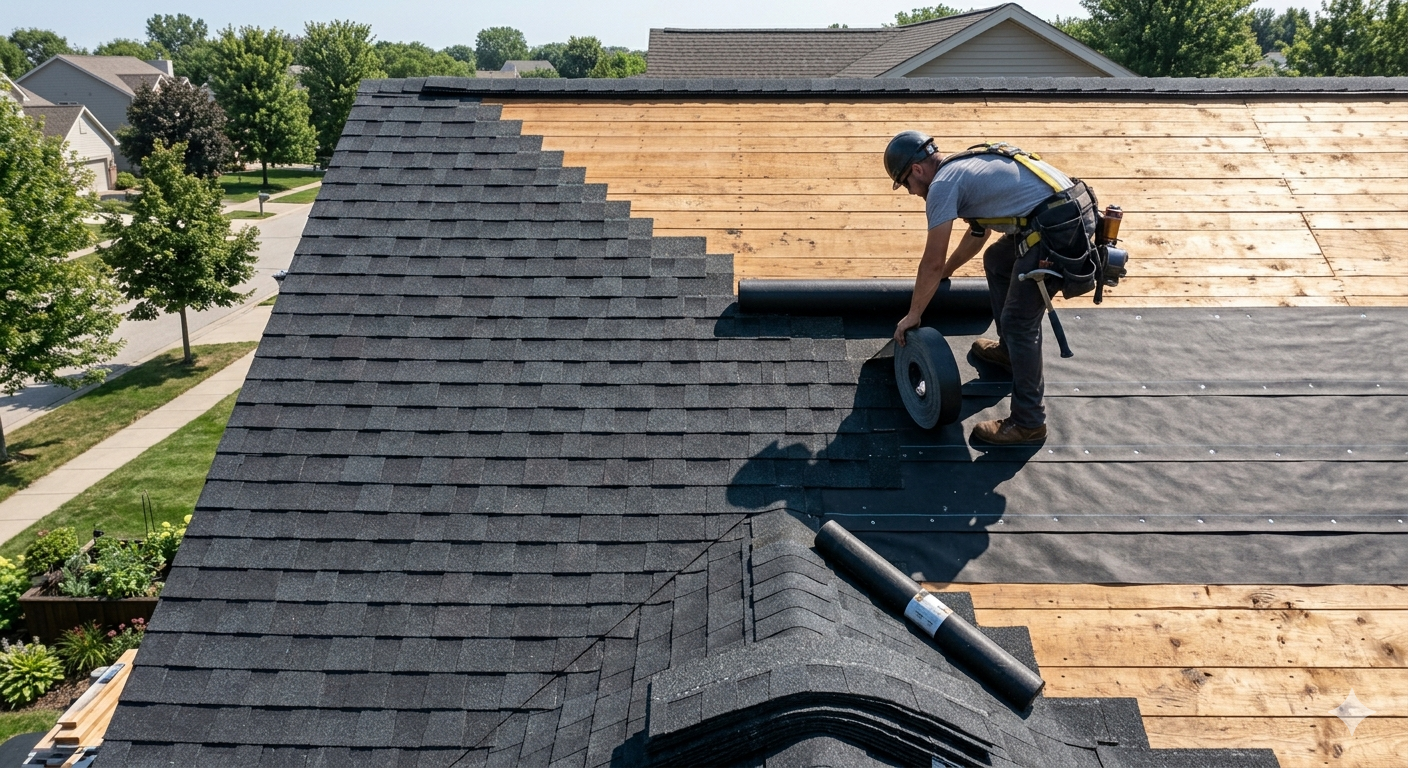
Roofing felt paper is a secondary moisture barrier installed directly beneath your shingles to protect the roof deck from water infiltration, wind-driven rain, and ice damage. Whether you are planning a new installation or replacing an aging roof, understanding roofing felt paper helps you make informed decisions about what goes on top of your home.
This article walks through what roofing felt paper is, how it works, the types available, how it is installed correctly, and why it matters in a Canadian climate. You will also find a Things To Know section, two comparison tables, and answers to the most common questions homeowners ask before calling a roofing contractor.
Why Roofing Felt Paper Matters for Your Roof
When most homeowners think about roofing protection, they picture shingles. But shingles alone are not a watertight surface. They have seams, edges, and nail penetrations that allow moisture to work its way through during heavy rainfall, ice damming, or wind events. Roofing felt paper acts as the second line of defence, sitting directly on the roof deck and catching anything that gets past the outer layer before it reaches the structural wood underneath.
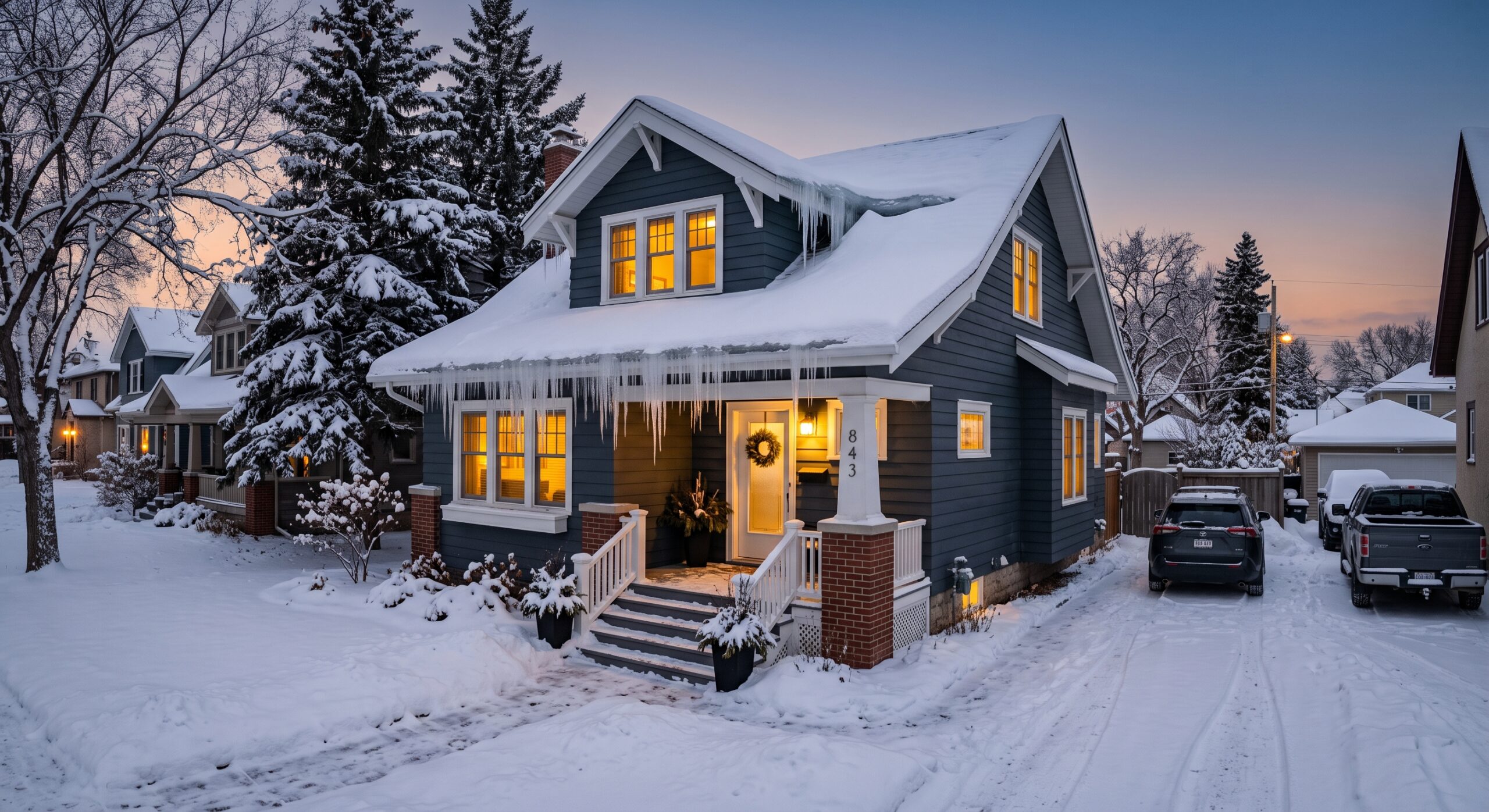
In Winnipeg and the surrounding communities of Manitoba, the freeze-thaw cycle is particularly punishing. Water that seeps under shingles in the fall can freeze, expand, and cause significant structural damage to the roof deck by spring.
A properly installed layer of roofing felt paper creates a temporary waterproof barrier that prevents this cycle from doing its worst. It also provides immediate weather protection between the time your old roofing material is removed and your new shingles go on, which matters enormously during a multi-day installation project in unpredictable weather.
Beyond moisture control, roofing felt paper reduces the chance of resin from the wood deck staining the shingles above it. It also provides a smoother, more even surface for shingle installation, which contributes to a cleaner finished appearance. On low-slope roofs, it bridges minor imperfections in the decking that could otherwise create weak points in the system.
How Does Roofing Felt Paper Actually Work?
Roofing felt paper works through a combination of its material composition and its strategic position in the roofing assembly. Traditionally made from a base of natural cellulose or fibreglass mat saturated with asphalt, the material repels liquid water while still allowing a limited amount of vapour to pass through. This breathability is important because trapped moisture inside the roof assembly can lead to mould growth, wood rot, and structural decay over time.
When water reaches the roofing felt paper layer, it either runs off at the overlapping seams or is temporarily held until it evaporates or drains toward the eaves. The overlapping installation technique, where each horizontal row covers the top edge of the row below it, is what makes this system consistently effective. Water always flows downward, and the overlapping laps are oriented so that water runs over the top of each seam rather than into it.
Roofing felt paper also reduces wind uplift on shingles during installation. Before the final nail pattern is set on each shingle, the felt layer beneath provides enough friction to keep partially-installed materials in place during gusts. There is also a fire-resistance benefit depending on the specific weight and product type used, with roofing felt paper contributing to the overall fire rating of the finished assembly, which can matter for insurance and local building code compliance.
Types of Roofing Felt Paper: Which Option Is Best?
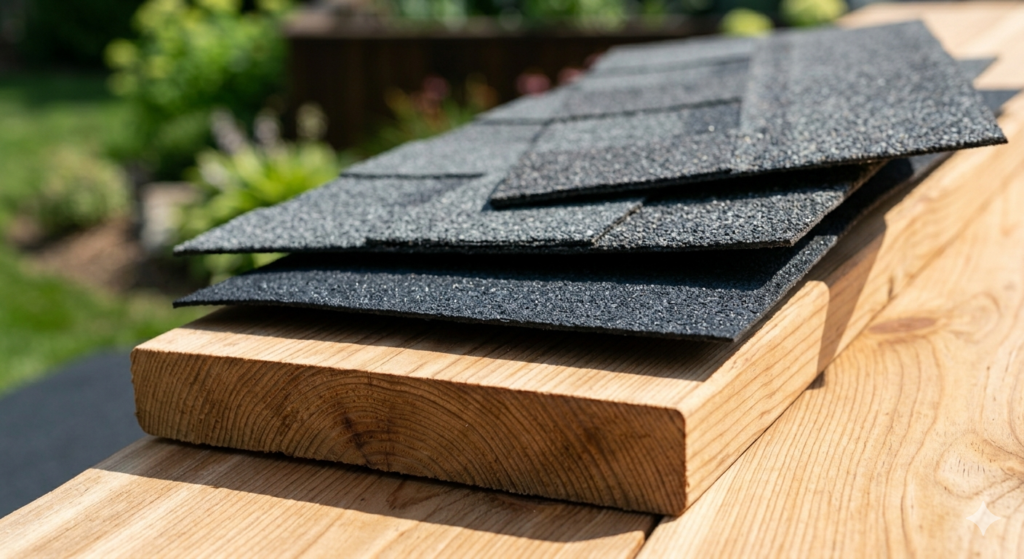
Not all roofing felt paper is the same, and choosing the right type depends on your roof pitch, local climate, and the complexity of your project. There are two primary weight categories and two main material types to understand before making a decision.
Standard Felt Paper (15 lb)
Fifteen-pound roofing felt paper is the lighter of the two common options. This category works well on steeper-pitched roofs where water sheds quickly and the felt is unlikely to be exposed for long before shingles are applied. It is more flexible in cold weather and generally less expensive, making it a practical choice for straightforward residential re-roofing projects with experienced crews who can complete installation quickly.
Heavy-Duty Felt Paper (30 lb)
Thirty-pound roofing felt paper is thicker, more durable, and provides a noticeably higher level of protection for the roof deck. It is the preferred choice for low-slope roofs, high-wind exposure zones, and any situation where the felt may need to serve as a temporary weather barrier for an extended period. In Manitoba, where weather can shift dramatically during a roofing project, many experienced contractors default to the heavier option simply for the additional protection it provides between stages.
Synthetic Underlayment vs. Traditional Felt Paper
Synthetic underlayment products made from woven polypropylene or polyethylene have become strong alternatives to traditional roofing felt paper in recent years. They are lighter, more resistant to tearing during installation, and maintain flexibility at lower temperatures, making them well-suited to Winnipeg’s cold-season roofing projects.
| Feature | Traditional Roofing Felt Paper | Synthetic Underlayment |
|---|---|---|
| Weight per roll | Heavier, can be awkward on steep slopes | Lighter, easier to manoeuvre |
| Tear resistance | Moderate when wet underfoot | High, holds up under foot traffic |
| Moisture resistance | Good temporary barrier | Excellent, tolerates longer exposure |
| Breathability | Allows natural vapour transmission | Varies by product formulation |
| Cold-weather flexibility | Can become brittle below freezing | Stays flexible in cold conditions |
| Relative upfront cost | Generally lower per roll | Higher upfront, longer service life |
For homeowners in the Winnipeg area dealing with cold installation seasons, synthetic underlayment frequently outperforms traditional roofing felt paper on flexibility and durability. That said, traditional felt remains a reliable, code-compliant, and cost-effective solution when installed correctly by a skilled team.
How Is Roofing Felt Paper Installed?
The installation process for roofing felt paper follows a specific sequence that directly influences how well it performs over the life of the roof. Getting these steps right is just as important as choosing the correct product weight.
Preparing the Roof Deck
Before any roofing felt paper is rolled out, the deck must be clean, dry, and structurally sound. Damaged or rotted decking should be replaced at this stage because no underlayment product can compensate for structural weakness beneath it. The surface should be swept clear of debris and any protruding nails should be driven flush before the first course begins.
Rolling Out the First Course
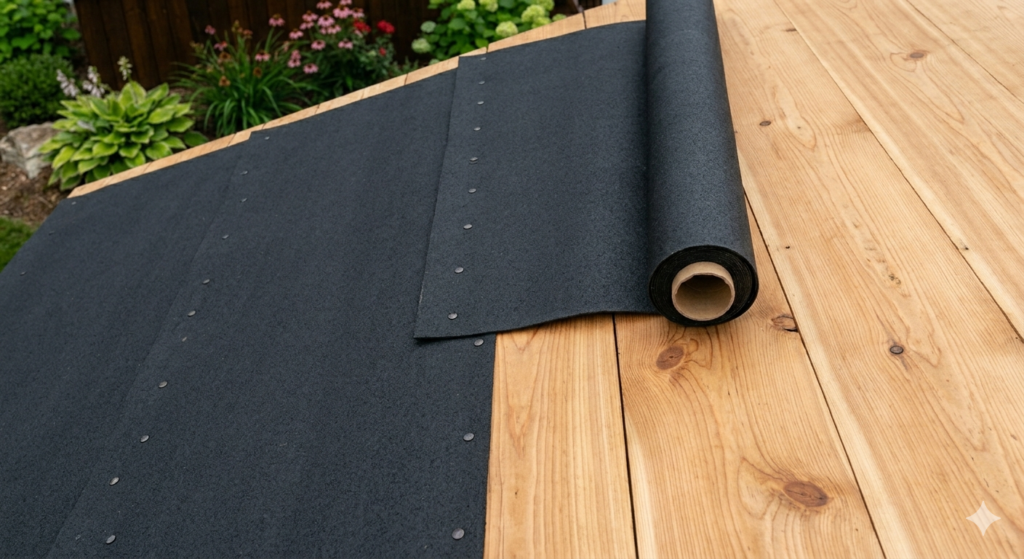
The first row of roofing felt paper starts at the bottom edge of the roof at the eaves and is rolled out horizontally across the full width of the section being worked. It is fastened with roofing cap nails or a pneumatic stapler at intervals specified by the product manufacturer. The bottom edge typically overhangs the drip edge slightly to direct runoff away from the fascia board below.
Lapping Each Subsequent Row
Every following row of roofing felt paper overlaps the previous one by the minimum amount required by the manufacturer and local building code, typically between two and four inches on steeper-pitched roofs and more on low-slope applications. Vertical seams between rolls within the same row must also be overlapped and should not align with vertical seams in adjacent rows, which would create a continuous path for water to follow.
Completing the Ridge and Valleys
At the ridge, roofing felt paper is carried over the peak and lapped down the opposite side. In roof valleys, a double layer is typically applied running vertically along the valley line before the horizontal field courses are installed over it. This gives the highest-drainage-volume zone on the roof an extra layer of protection before valley flashing or shingles are applied above.
Roofing Felt Paper and Canadian Building Codes
Canada’s National Building Code sets baseline requirements for roof underlayment that provincial and municipal codes build upon. Roofing felt paper is recognized as an acceptable underlayment material when installed with correct overlap dimensions and fastening patterns, and in combination with appropriate ice-and-water shield at the eaves in cold-climate zones.
The ice barrier requirement is especially relevant in Manitoba. Local codes typically require a self-adhering membrane at the eave edge extending a minimum distance up the slope from the exterior wall line, installed alongside roofing felt paper to directly address ice dam risk that causes interior water damage in many Winnipeg homes every spring.
| Roof Zone | Recommended Product | Primary Protection |
|---|---|---|
| Eave edge (first 1-2 metres) | Self-adhering ice and water shield | Ice dam water infiltration |
| Main field of roof | Roofing felt paper 15 lb or 30 lb | Rain and wind-driven moisture |
| Valleys | Double felt layer plus metal flashing | Concentrated drainage flow |
| Ridge | Felt lapped over peak | Capillary moisture and wind rain |
| Around penetrations | Ice and water shield patches | Flashing failure and water entry |
Understanding where your roofing felt paper ends and where other protective products begin is important context when evaluating a contractor quote or reviewing work already done on your property.
Things To Know About Roofing Felt Paper
- Roofing felt paper is not a permanent waterproofing layer. It is designed to work as part of a complete system alongside shingles, flashing, and ice barriers. Exposed to UV light without shingle coverage, it can begin degrading in as little as a few weeks.
- The 15 lb and 30 lb weight designations do not always reflect the actual weight of modern products due to manufacturing changes. Rely on performance specifications on the product label rather than the number in the name alone.
- Improper fastening is one of the most common installation errors with roofing felt paper. Too few fasteners allow the material to shift before shingles are applied, creating wrinkles that can show through the finished roof surface.
- In Winnipeg’s climate, roofing felt paper left exposed through a freeze-thaw cycle can become brittle and lose its protective integrity. Timing installations to minimize the exposure window protects both the material and the deck beneath.
- If you are doing a re-roof rather than a full tear-off, local building codes may restrict how many roofing layers can be stacked on a single deck. A professional inspection will clarify whether new roofing felt paper needs to be applied over a complete tear-off first.
- For pricing specific to your property and project scope, contact Zega Roofing for a transparent, no-obligation estimate.
Protecting Your Roof with Zega Roofing
If you have been comparing options for a shingle roof replacement, planning a residential roof installation, or need guidance on commercial roofing repairs in Winnipeg, roofing felt paper selection is part of every conversation our team has before a project begins. At Zega Roofing, our team has spent over 25 years working with homeowners and commercial property owners across Winnipeg and surrounding communities. Every installation follows proper underlayment practices that reflect both manufacturer specifications and Manitoba’s specific climate demands. Browse our roofing gallery to see completed projects, or check our areas we serve page for full community coverage. Call +1 204-997-2697 for a free inspection.
Frequently Asked Questions About Roofing Felt Paper
What is the purpose of roofing felt paper?
Roofing felt paper serves as a secondary moisture barrier between the roof deck and the outer shingles, preventing water from reaching the structural wood beneath. It also protects the deck during the installation period, reduces resin staining from the wood, provides a smoother surface for shingle application, and contributes to the overall fire resistance rating of the roofing assembly. In cold climates like Winnipeg, it plays a critical role in managing moisture accumulation during the freeze-thaw cycles common throughout winter and spring.
What is the difference between roofing paper and felt?
Roofing paper and roofing felt paper are often used interchangeably, but felt paper specifically refers to asphalt-saturated felt material, while roofing paper can describe a broader category including synthetic underlayments. Traditional roofing felt paper uses a cellulose or fibreglass mat base saturated with asphalt, while synthetic roofing paper uses woven polypropylene or polyethylene. Both serve the same protective function in a roofing assembly but differ in weight, durability, cold-weather performance, and cost per square of coverage.
Does roof felt stop leaks?
Roofing felt paper significantly reduces the risk of leaks by acting as a water-resistant barrier, but it is not a fully waterproof membrane designed to stop active leaks independently. It works as one layer in a complete roofing system where shingles, flashing, ice and water shield, and proper ventilation all contribute together. Where shingles have been damaged or are missing, roofing felt paper provides temporary protection but will degrade with UV exposure and should not be relied upon as a permanent solution without outer coverage installed promptly.
What kind of paper is used for roofing?
The two main underlayment options are asphalt-saturated felt paper in 15 lb and 30 lb weights, and synthetic underlayment made from polypropylene or polyethylene fibres. Both are installed beneath the outer roofing material as protective layers. The specific product selected depends on roof pitch, local building code requirements, climate zone, and the type of shingle system being installed. In Canadian climates, products that maintain flexibility at low temperatures are particularly important for cold-season installations.
Is roofing felt 100% waterproof?
Roofing felt paper is water-resistant but not fully 100% waterproof. It repels liquid water under normal roofing conditions and provides effective temporary protection during installation, but it is not a self-adhering waterproof membrane. Prolonged standing water, UV degradation from sun exposure, or mechanical damage can allow moisture to pass through over time. For zones requiring full waterproofing protection, such as eave edges in ice-dam-prone areas, self-adhering ice and water shield is used alongside roofing felt paper as part of a complete underlayment system.
Need help with roofing felt paper installation or a full roof replacement in Winnipeg? Call Zega Roofing at +1 204-997-2697 or visit zegaroofing.ca/contact to book your free inspection.