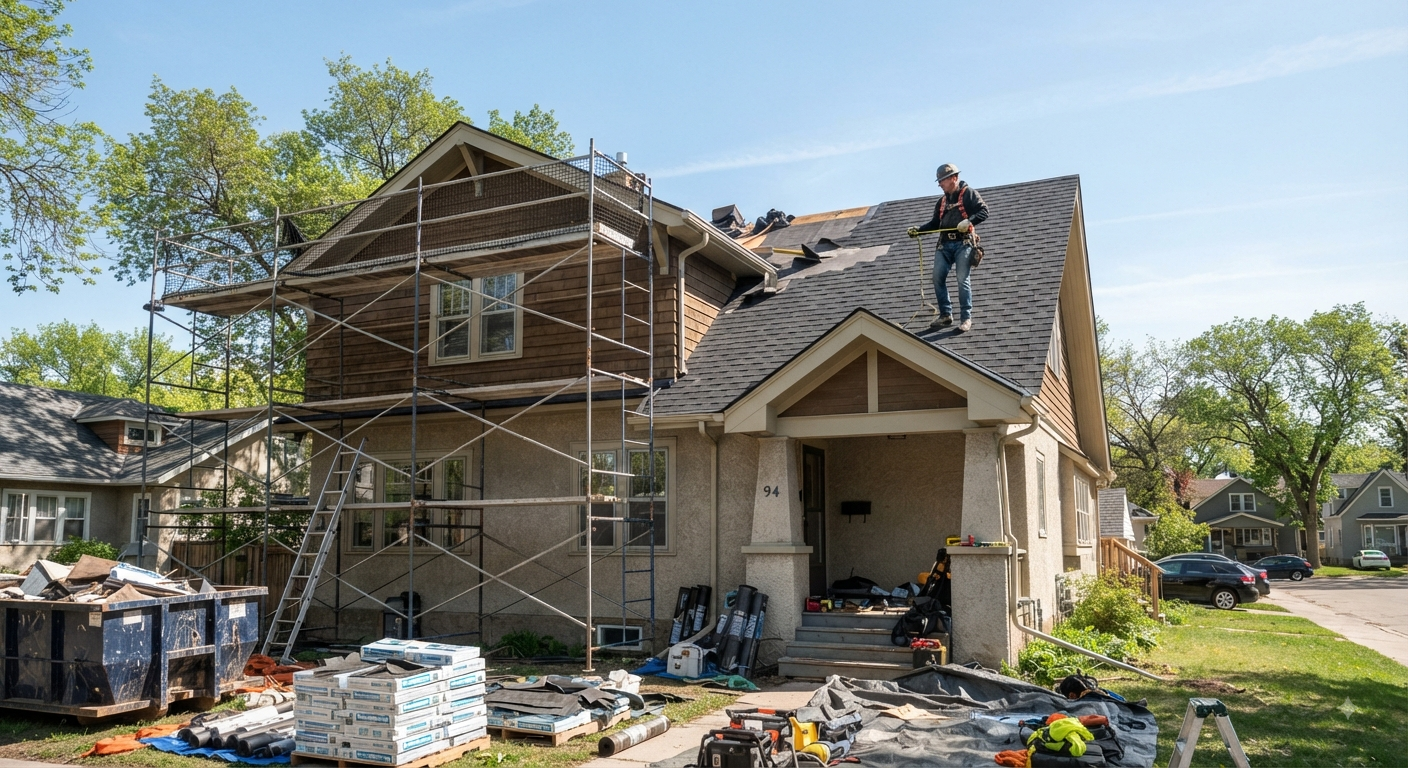
Roof renovations involve restoring, repairing, or upgrading your existing roofing system to extend its lifespan and improve performance. A full renovation can include replacing damaged shingles, reinforcing structural components, upgrading insulation, and installing new underlayment or flashing.
Homeowners in Winnipeg often face harsh weather conditions that accelerate roof wear, making timely renovations a smart investment. Whether you are dealing with leaks, visible damage, or simply an aging roof, understanding your options helps you make informed decisions.
What Makes Roof Renovations a Smart Investment
Roof renovations offer long-term value by addressing problems before they escalate into costly structural damage.
A well-maintained roof protects your home from water infiltration, mold growth, and energy loss. When you invest in professional renovation services, you are not just fixing visible issues but also strengthening your property against future weather events.
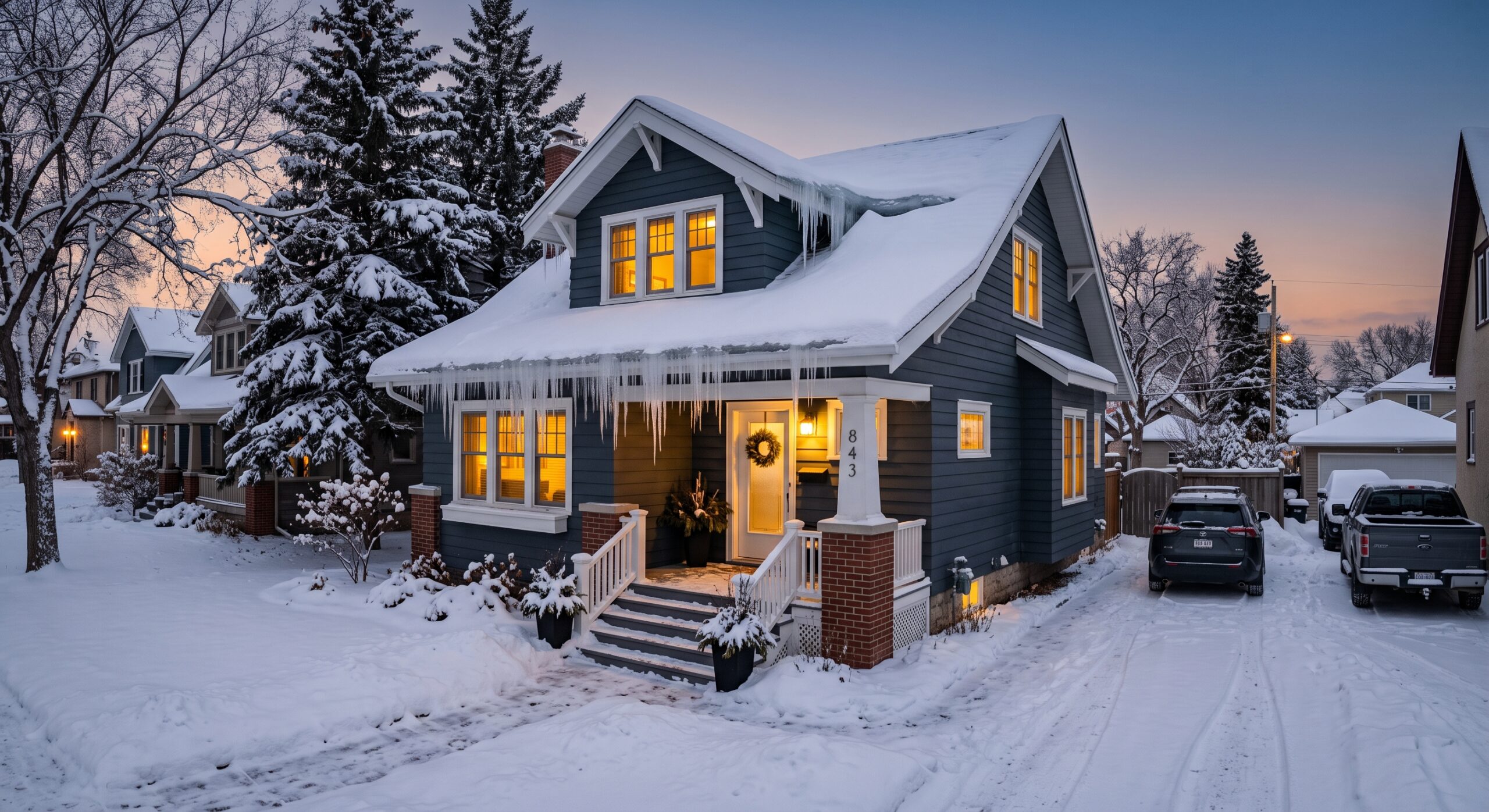
Manitoba’s climate is particularly demanding. Heavy snowfall, ice dams, freezing rain, and intense summer heat all take a toll on roofing materials. Over time, shingles crack, underlayment deteriorates, and flashing loosens.
Rather than waiting for a complete failure, scheduling a renovation allows you to address these concerns systematically.
Many homeowners also choose roof renovations as part of a broader home improvement project to increase property value. A new or renovated roof can boost curb appeal and reassure potential buyers that the home has been properly maintained. Insurance companies also look favorably on updated roofing systems, sometimes offering reduced premiums for homes with recent upgrades.
How to Know When Your Roof Needs Renovation
Recognizing the signs that your roof requires attention can save you thousands in emergency repairs. Here are some indicators that roof renovations should be on your priority list:
Age of the roof is a primary factor. Most asphalt shingle roofs last between 20 and 25 years. If your roof is approaching this age range, scheduling an inspection makes sense even if no visible problems exist.
Interior water stains on ceilings or walls often indicate roof leaks. While a single stain might result from a minor issue, recurring stains suggest a more serious underlying problem.
Missing, curling, or cracked shingles are visible from the ground and signal that the protective layer is compromised. Granule loss in gutters is another warning sign, as this indicates shingles are breaking down.
Sagging areas on the roof deck point to potential structural issues caused by water damage or inadequate support. This situation requires immediate professional evaluation.
Higher energy bills can sometimes be traced to poor roof insulation or ventilation. A renovation that includes upgrading your attic insulation can improve energy efficiency significantly.
What Is Roof Renovations
Roof renovations is the process of repairing, restoring, or upgrading an existing roof to extend its functional life without a complete replacement. Unlike a full tear-off where all materials are removed, renovations work with the current structure while addressing specific problem areas.
A typical renovation project might include replacing damaged or worn shingles, repairing or replacing flashing around chimneys and vents, fixing areas prone to leaks, improving ventilation systems, and adding better insulation. The scope depends on the current condition of your roof and your long-term goals.
Professional roofers begin with a thorough inspection to assess the extent of damage and determine whether renovation is appropriate or if a full replacement is more cost-effective. In many cases, homeowners find that roof renovations provide an excellent balance between cost and performance improvement.
Roof Renovations: What Are the 5 Types of Roof Construction
The five main types of roof construction are gable, hip, flat, mansard, and gambrel roofs. Each design has distinct characteristics suited to different architectural styles and climate conditions.
| Roof Type | Description | Best For |
| Gable | Triangular shape with two sloping sides meeting at a ridge | Snow shedding, attic ventilation, traditional homes |
| Hip | All sides slope downward toward the walls | Wind resistance, stability in harsh weather |
| Flat | Nearly level surface with slight pitch for drainage | Commercial buildings, modern designs, rooftop usage |
| Mansard | Four-sided with double slopes on each side | Extra living space, French-style architecture |
| Gambrel | Barn-style with two slopes on each side | Maximizing interior space, rural properties |
Gable roofs are the most common in residential construction across North America. Their simple design makes them cost-effective to build and easy to maintain. The steep pitch allows snow and rain to slide off efficiently, which is particularly beneficial in Winnipeg’s winter climate.
Hip roofs provide better stability against high winds because all sides have a slope. This design distributes weight more evenly and reduces the risk of uplift during storms.
Flat roofs, despite their name, have a slight incline for water drainage. They are popular in commercial construction and modern residential designs. However, they require regular maintenance to prevent water pooling.
Mansard roofs offer additional living space in the attic area due to their steep lower slope. This style originated in France and became popular in North America during the 19th century.
Gambrel roofs are commonly seen on barns but also appear on residential properties. The design maximizes headroom and storage space in the upper level.
Understanding your roof type helps you make better decisions during roof renovations, as different structures have unique maintenance requirements and potential issues.
What Is the Most Common Roof Repair
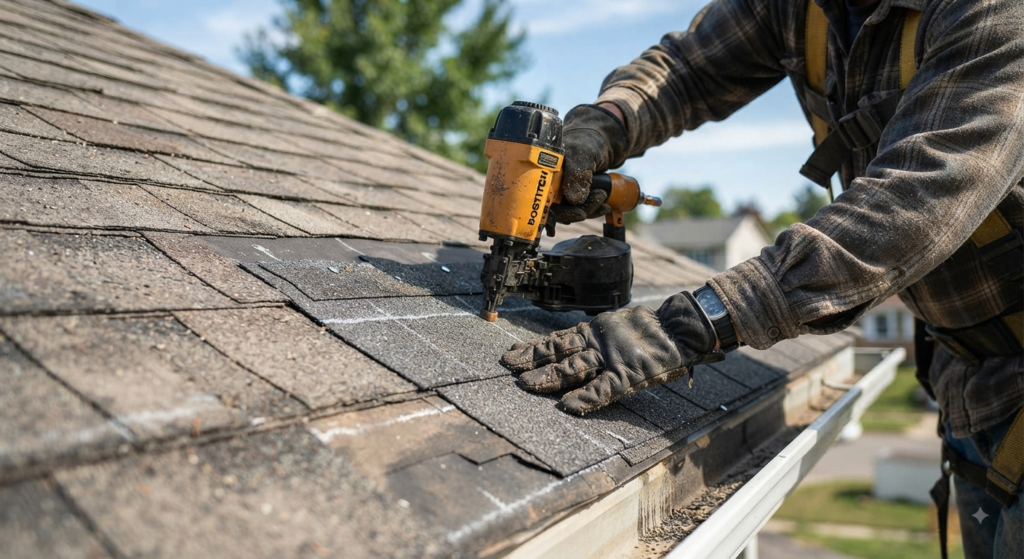
The most common roof repair is fixing leaks caused by damaged or missing shingles. Leaks occur when the protective barrier is compromised, allowing water to penetrate the underlayment and decking.
Several factors contribute to shingle damage:
Weather exposure gradually wears down roofing materials. UV rays break down the chemical bonds in asphalt, while temperature fluctuations cause materials to expand and contract repeatedly.
Poor installation can lead to premature failures. Shingles that are not properly nailed or overlapped leave gaps where water can enter.
Debris impact from fallen branches or hail can crack or dislodge shingles instantly.
Flashing failures around chimneys, vents, and skylights are another frequent source of leaks. Over time, the sealant breaks down and metal components can corrode or separate from the roof surface.
If you notice signs of leaking, contacting a professional roof repair service promptly prevents minor issues from becoming major problems. Quick action can mean the difference between a simple patch and extensive water damage restoration.
What Is a Major Roof Repair
A major roof repair involves significant structural work such as replacing large sections of decking, fixing extensive storm damage, or addressing widespread leaks affecting multiple areas. These repairs go beyond surface-level fixes and often require removing substantial portions of roofing materials to access underlying damage.
| Minor Repairs | Major Repairs |
| Replacing a few shingles | Replacing entire roof sections |
| Resealing flashing | Rebuilding chimney flashing structure |
| Clearing debris from gutters | Repairing rotted decking |
| Patching small leaks | Addressing structural sagging |
| Replacing individual vents | Upgrading entire ventilation system |
Major repairs typically result from neglected maintenance, severe weather events, or age-related deterioration. For example, a roof that has experienced repeated ice dam formation may have extensive water damage to the decking that only becomes apparent when shingles are removed.
The cost of major repairs can approach or exceed the cost of a full replacement depending on the extent of damage. A professional assessment helps determine whether renovation makes financial sense or if investing in a new roof provides better long-term value.
Storm damage often qualifies as a major repair situation. If your area has experienced severe weather, documenting damage and contacting your insurance company should happen alongside scheduling a professional inspection.
For more information on quality roofing materials that withstand Winnipeg conditions, check out our guide on roofing shingles.
What Is the Cheapest Way to Redo a Roof
The cheapest way to redo a roof is installing a second layer of shingles over the existing layer, also called re-roofing or overlay. This method eliminates tear-off labor and disposal costs, making it significantly less expensive than a full replacement.
However, this approach has limitations. Most building codes only allow a maximum of two shingle layers. If your roof already has two layers, a complete tear-off becomes mandatory.
Adding a second layer also adds weight to your roof structure. In areas with heavy snow loads like Winnipeg, this additional weight can stress the framing. A professional evaluation determines whether your roof can safely support the extra material.
Overlay works best when the existing shingles are relatively flat and in fair condition. If the current layer has significant curling, warping, or multiple damaged areas, a new layer will not adhere properly and will telegraph the imperfections below.
Other budget-friendly options include:
Partial renovation focusing only on damaged sections rather than the entire roof surface. This approach works well when damage is localized to specific areas.
Choosing standard asphalt shingles rather than premium architectural styles. While architectural shingles offer better aesthetics and longevity, three-tab shingles cost less and still provide adequate protection.
Scheduling work during slower seasons. Some contractors offer discounts during late fall or early spring when demand decreases.
Ultimately, the cheapest option is not always the best value. Cutting corners on materials or workmanship can lead to premature failures and additional expenses down the road. Working with experienced professionals ensures your roof renovations deliver lasting results.
For those interested in alternative roofing materials, our article on roofing tiles provides additional options to consider.
Steps Involved in Professional Roof Renovations
A successful renovation project follows a systematic approach that addresses both visible problems and hidden issues. Here is what to expect when working with a professional roofing team:
The process begins with a comprehensive inspection. Roofers examine the exterior surface, attic space, flashing points, and drainage systems to identify all areas requiring attention.
Following the inspection, you receive a detailed estimate outlining the scope of work, materials needed, timeline, and costs. This document helps you understand exactly what the renovation includes and allows for informed decision-making.
Preparation involves protecting landscaping, removing obstacles, and setting up safe access to the work area. Quality contractors take care to minimize disruption to your daily routine.
The actual renovation work proceeds according to the agreed plan. This might include removing damaged materials, repairing or replacing decking, installing new underlayment, and applying new roofing materials.
Final inspection and cleanup complete the project. Reputable companies conduct a thorough walkthrough with the homeowner, address any concerns, and ensure the work area is left clean.
Maintaining Your Roof After Renovation
Proper maintenance extends the benefits of your roof renovations and prevents premature deterioration. Following these practices helps protect your investment:
Schedule annual inspections, ideally in spring and fall. Professional roofers can spot developing issues before they become serious problems.
Keep gutters and downspouts clear of debris. Clogged drainage systems cause water to back up and can lead to ice dams in winter.
Trim overhanging tree branches that could damage shingles during storms or deposit excessive debris on the roof surface.
Address minor issues immediately. A single missing shingle is an easy fix, but ignoring it can lead to water damage affecting a much larger area.
Ensure adequate attic ventilation. Proper airflow prevents moisture buildup that can deteriorate roofing materials from the inside.
Consider investing in professional roofing maintenance services to keep your system performing optimally year after year.
Final Thoughts on Roof Renovations for Winnipeg Homeowners
Your roof serves as your home’s primary defense against the elements. When signs of wear appear, addressing them through timely roof renovations protects both your property and your peace of mind. Whether you are dealing with minor shingle damage or considering a comprehensive upgrade, understanding your options helps you make decisions that balance cost, quality, and long-term performance.
Winnipeg’s demanding climate makes professional expertise especially valuable. Working with experienced local roofers ensures your renovation accounts for regional weather patterns and building requirements. From initial inspection through final cleanup, quality workmanship makes the difference between a roof that lasts and one that requires repeated attention.
If you are considering roof renovations for your home, start with a professional assessment to understand your specific needs and options. Investing in your roof today prevents larger expenses tomorrow and keeps your home protected for years to come.
Frequently Asked Questions About Roof Renovations
What is roof renovation?
Roof renovation restores and upgrades your existing roofing system without complete replacement. The process addresses damaged areas, improves performance, and extends the overall lifespan of your roof.
What are the 5 types of roof construction?
The five main types are gable, hip, flat, mansard, and gambrel roofs. Each design offers different advantages depending on climate conditions, architectural style, and functional requirements.
What is the most common roof repair?
Fixing leaks from damaged or missing shingles is the most frequent repair. Weather exposure, age, and improper installation all contribute to shingle damage that allows water infiltration.
What is a major roof repair?
Major repairs involve extensive structural work like replacing decking or fixing widespread storm damage. These projects go beyond surface fixes and require removing significant portions of roofing material.