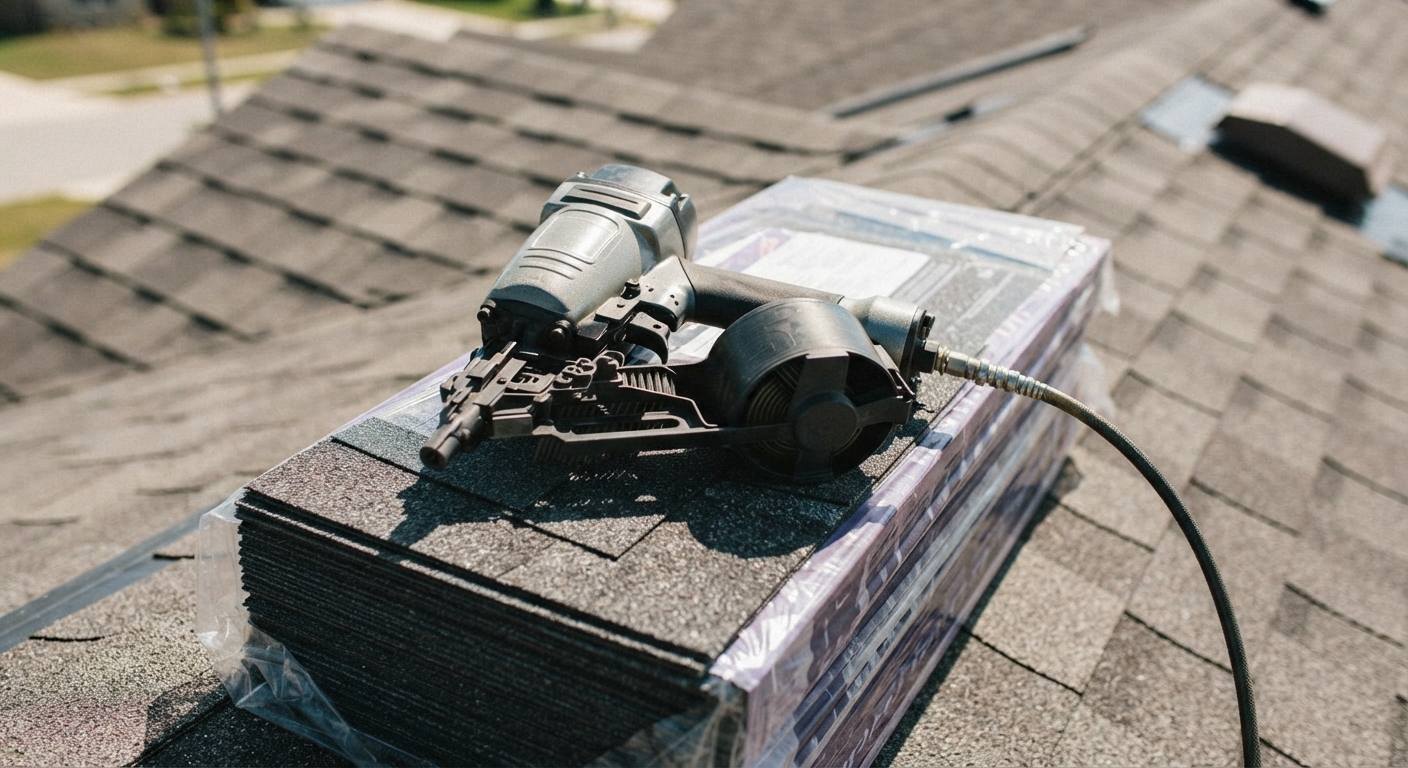
A roof nail gun is a pneumatic or cordless tool built to drive roofing nails through shingles and underlayment quickly and evenly, replacing slower hand hammering. Choosing the right one comes down to your roof size, the nail pattern required, and how the tool holds up in Winnipeg’s cold, damp conditions.
Coil roofing nailers handle large residential jobs efficiently, strip nailers are easier to manage on smaller repairs, and cordless models skip the air hose entirely. Winnipeg’s freeze-thaw cycles and long winters change how this equipment performs, since cold air affects seal strips, battery output, and lubrication inside the tool.
Below is a closer look at the main types available, the features worth prioritizing, and a few practical habits that help any roofing nailer last through a full Manitoba roofing season.
Which Roof Nail Gun Works Best for Winnipeg Roofing Projects?
For most Winnipeg homeowners, a pneumatic coil model is the strongest all-around choice because it holds more nails, fires faster, and provides the consistent depth control that asphalt shingles need in freeze-thaw climates. A cordless version is a solid alternative for smaller repair jobs or detached structures where running an air hose is impractical.
The right pick ultimately depends on the scope of the project. A full roof replacement benefits from the speed and nail capacity of a pneumatic tool, while a single-section repair or a detached garage roof is often easier to manage with a lightweight cordless option.
Either way, matching the equipment to the job keeps nailing patterns even, which protects the shingles from wind lift during Winnipeg’s harsh winters. Homeowners who are unsure which category fits their project can ask a roofing crew for a quick recommendation before buying or renting anything.
Why Roofers Rely on This Tool Instead of Hammering by Hand
Hand nailing still works, but it is slow, inconsistent, and hard on the hands over a full day. A powered nailer sets every nail at the same depth and angle, which matters more than most homeowners realize. Nails driven too deep can tear through the shingle mat, while nails left too shallow can back out as temperatures shift, and both problems shorten the life of a roof.
Consistency is the real advantage. The tool applies the same pressure across hundreds of nails in a single afternoon, something that is nearly impossible to match by hand once fatigue sets in. Over the course of a full tear off and reinstall, that consistency adds up to a tighter, more weather-resistant shingle layer that holds up better through freeze-thaw seasons.
Benefits of Using a Roof Nail Gun Tool
- Faster installation: a crew can finish a standard roof in a fraction of the time compared to hand nailing
- Even nail depth: reduces the risk of shingles lifting or tearing in high wind
- Less physical strain: reduces repetitive hammering injuries on long jobs
- Better placement accuracy: keeps nails within the manufacturer’s recommended nailing zone
- Fewer callbacks: consistent nailing lowers the chance of leaks caused by missed or crooked nails
Types of Roof Nail Gun Options Available
There are two main styles on the market, and each suits a different kind of project. Knowing the difference before shopping saves a return trip to the hardware store and avoids buying more tool than the job actually needs.
| Fastening Tool Type | Best For | Power Source |
| Coil Roofing Nailer | Full roof replacements, large surfaces | Air compressor |
| Strip Roofing Nailer | Smaller sections, patch repairs | Air compressor |
| Cordless Roofing Nailer | Detached buildings, quick repairs | Battery |
Pneumatic Roof Nail Gun
A pneumatic model connects to an air compressor through a hose and uses compressed air to drive each nail. This style tends to be lighter in the hand because the compressor does the heavy lifting, which helps during a long day on a sloped roof.
Coil-style pneumatic tools hold a large number of nails at once, so crews spend less time reloading and more time working the slope.
Cordless Roof Nail Gun
A cordless nailer runs on a rechargeable battery and a small internal fuel cell or motor, so there is no hose to drag across the shingles. This makes it a practical choice for garages, sheds, or one-story additions where setting up a compressor is not worth the effort.
The tradeoff is a shorter working session before the battery needs a recharge, and cold temperatures can reduce battery performance faster than expected.
Which Features Matter Most
Not every model is built the same way, and the features below make the biggest difference in everyday use, especially in a climate with sharp temperature swings.
| Feature | Why It Matters |
| Adjustable depth control | Prevents overdriving or underdriving nails into the shingle mat |
| Nail capacity | Reduces reload interruptions on larger roofs |
| Weight and balance | Lowers fatigue during full day roofing work |
| Cold weather rated seals | Keeps O-rings and hoses flexible in low temperatures |
| Jam clearing mechanism | Saves time when nails misfeed mid-project |
Depth control deserves extra attention. A tool with a reliable adjustment dial lets a roofer switch between thick architectural shingles and thinner three tab shingles without swapping equipment, which is common on Winnipeg homes with mixed roofing sections.
A dial that clicks into clear, labeled positions is easier to trust on a cold morning than one with a vague sliding scale, since gloved hands make fine adjustments harder to feel.
How Winnipeg Weather Affects Performance
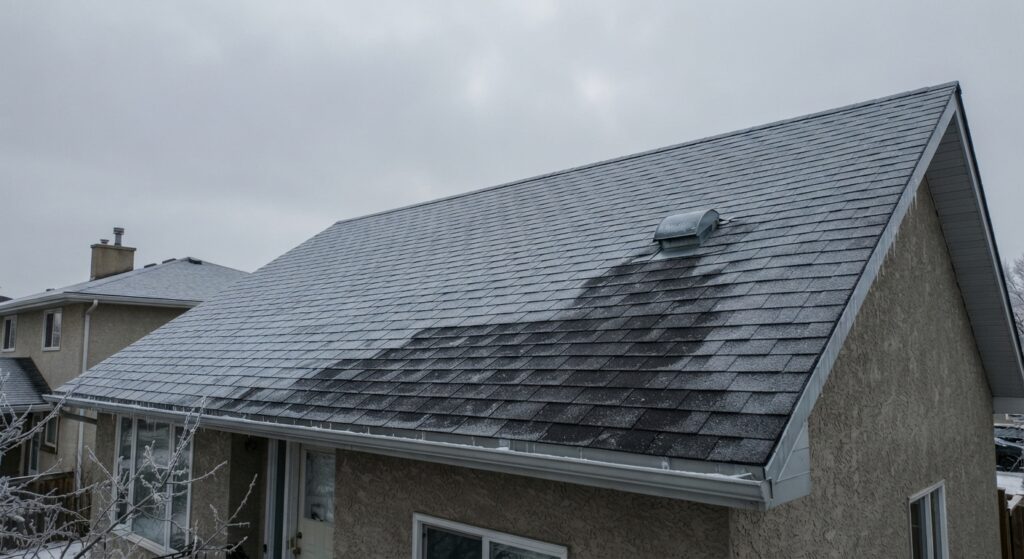
Winnipeg’s freeze-thaw cycles put extra strain on both roofing materials and the tools used to install them. Cold air thickens the oil inside a pneumatic nailer, which can slow the firing mechanism until the tool warms up. Rubber seals and O-rings also stiffen in low temperatures, so a tool that sits outside overnight may need a few test shots before it runs smoothly.
Battery powered tools face a different challenge. Lithium batteries lose capacity in the cold, so a cordless model that normally lasts a full shift might only run half as long during a January install. Keeping batteries in a warm vehicle between uses and storing any roofing nailer indoors overnight helps avoid these slowdowns.
Humidity matters too. Nails exposed to moisture before installation can corrode faster once driven into the shingle mat, which is one more reason roofing crews store fasteners in sealed containers rather than leaving open boxes on the roof deck.
A well maintained nailer paired with dry, properly stored nails produces a noticeably tighter, longer lasting shingle layer.
Things to Know Before Using a Roof Nail Gun
A few practical points make the difference between a smooth project and a frustrating one.
- Always match the nail length to the shingle and underlayment thickness; nails that are too short will not reach the deck.
- Test the depth setting on a scrap piece of shingle before starting the main roof section.
- Wear proper eye and hearing protection, since this equipment operates at higher pressure than a standard framing nailer.
- Keep the compressor hose or battery pack clear of the walking path to avoid trip hazards on a sloped surface.
- Inspect the nailing pattern periodically rather than only at the end of the section, so mistakes get caught early.
- Check local building code requirements for nail count and placement before starting, since standards can vary by shingle type and roof pitch.
Homeowners planning a DIY repair should also weigh whether renting the equipment for a single weekend makes more sense than buying one outright, since professional grade models represent a real investment for a tool used only occasionally.
Rental counters at most hardware and tool supply stores in Winnipeg can walk a first-time user through basic setup, safety features, and depth adjustment before the tool ever touches the roof, which is a helpful step for anyone who has never handled powered fastening equipment before.
It also helps to think about long-term needs rather than just the current project. A homeowner planning to reshingle a garage next year, and a main house roof the year after, may find that owning a mid-range unit pays for itself faster than repeated rental fees, while someone tackling a single small patch is usually better off borrowing or renting.
Tips for Getting the Most Out of the Tool
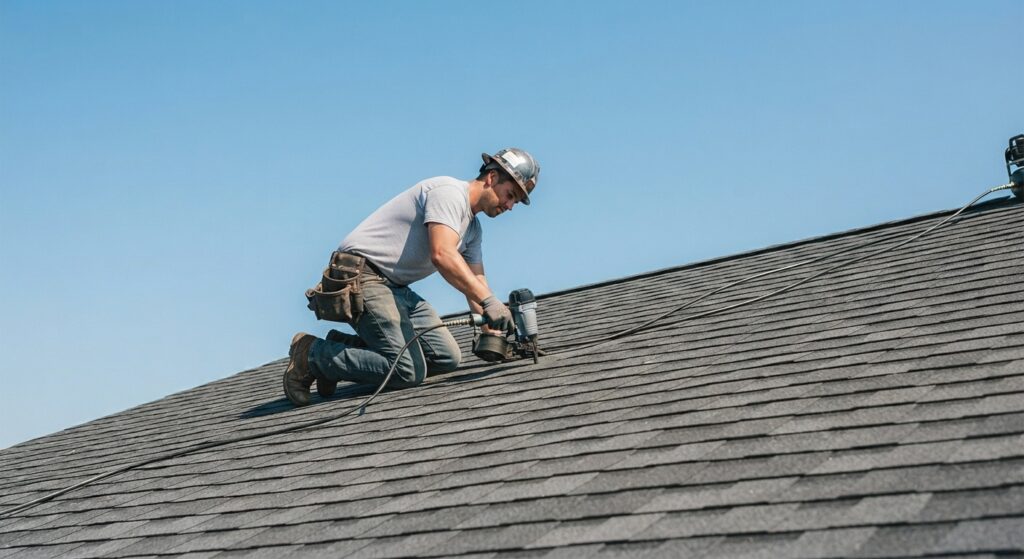
Regular maintenance keeps any roofing nailer firing consistently through an entire season. A light coat of pneumatic tool oil before each use prevents the internal seals from drying out, and wiping down the tool at the end of the day keeps grit out of the firing chamber.
Storing the equipment in its case, away from direct sunlight and extreme temperature swings, extends its working life considerably. For crews handling multiple properties, having a backup unit on hand avoids costly downtime if one tool needs servicing mid-project.
For homeowners who are not confident tackling a roof replacement or repair themselves, working with an experienced local crew is often the safer route. roofing services across Winnipeg are available for both full installations and smaller repair jobs, and a licensed team already has the right tools, including properly calibrated nailing equipment, ready for the specific slope and shingle type on a given home.
Homeowners comparing options can also look through examples of completed roof installation photos to see the kind of finish a properly nailed shingle roof should have. For background on the people behind the work, the Winnipeg roofing team page outlines the experience and licensing that goes into every project.
Related reading on fastener and material choices can help round out a roofing plan, including guides on shingle roof replacement, residential roof installations, and roof ice shield protection for homes dealing with ice damming along the eaves.
Zega Roofing crews rely on well maintained equipment and cold weather techniques suited to Manitoba’s climate on every project, whether it involves a single repair or a full tear off.
Final Word on Choosing a Roof Nail Gun
Picking the right roof nail gun comes down to matching the tool to the size of the job and the realities of Winnipeg’s climate. A pneumatic coil model suits full roof replacements, a cordless version handles smaller detached projects, and either option performs better with basic seasonal maintenance and proper storage. If you have questions about roofing materials, installation timelines, or which approach fits your home, contact our team and we will walk through the options with you.
Frequently Asked Questions About Roofing Nailers
Can this type of tool be used on any type of shingle?
Yes, most roofing nailers work with standard asphalt shingles, but nail length and depth settings need adjusting for architectural versus three tab styles.
Is a cordless nailer as powerful as a pneumatic one?
Cordless models have improved significantly, but a pneumatic roof nail gun still offers more consistent power for large or thick shingle jobs.
How many nails should be placed per shingle?
Most manufacturers recommend four to six nails per shingle, and a tool with accurate depth control makes hitting that pattern much easier.
Does cold weather damage this equipment?
Extreme cold can stiffen seals and slow battery performance, so storing the tool indoors overnight helps prevent premature wear.