
Roofing battens are narrow strips of timber or metal fixed across the rafters or over the underlay to carry tiles, slates, or metal panels. They hold the covering in place, open a small air gap beneath it, and let water drain away before it soaks the deck. That matters in a climate with heavy snow and constant freezing and thawing.
Winnipeg roofs face strong wind, ice, and big temperature swings, so the right roofing battens, spaced and fastened correctly, can add years to a roof. Timber suits most homes, steel suits long commercial spans, and spacing must match the exact covering.
Poor installation leads to sagging lines, rattling panels, trapped moisture, and early rot. Spotting the warning signs, following a few practical tips, and asking the right questions before work begins can save a lot of trouble.
Why Roofing Battens Matter on a Winnipeg Roof
A roof covering is only as steady as what sits under it. Battens act as the skeleton that keeps tiles or panels straight, level, and firmly attached through the gusts that sweep across the open prairie. Without that framework, each piece would rely on a single fastener, and one strong storm could lift an entire row.
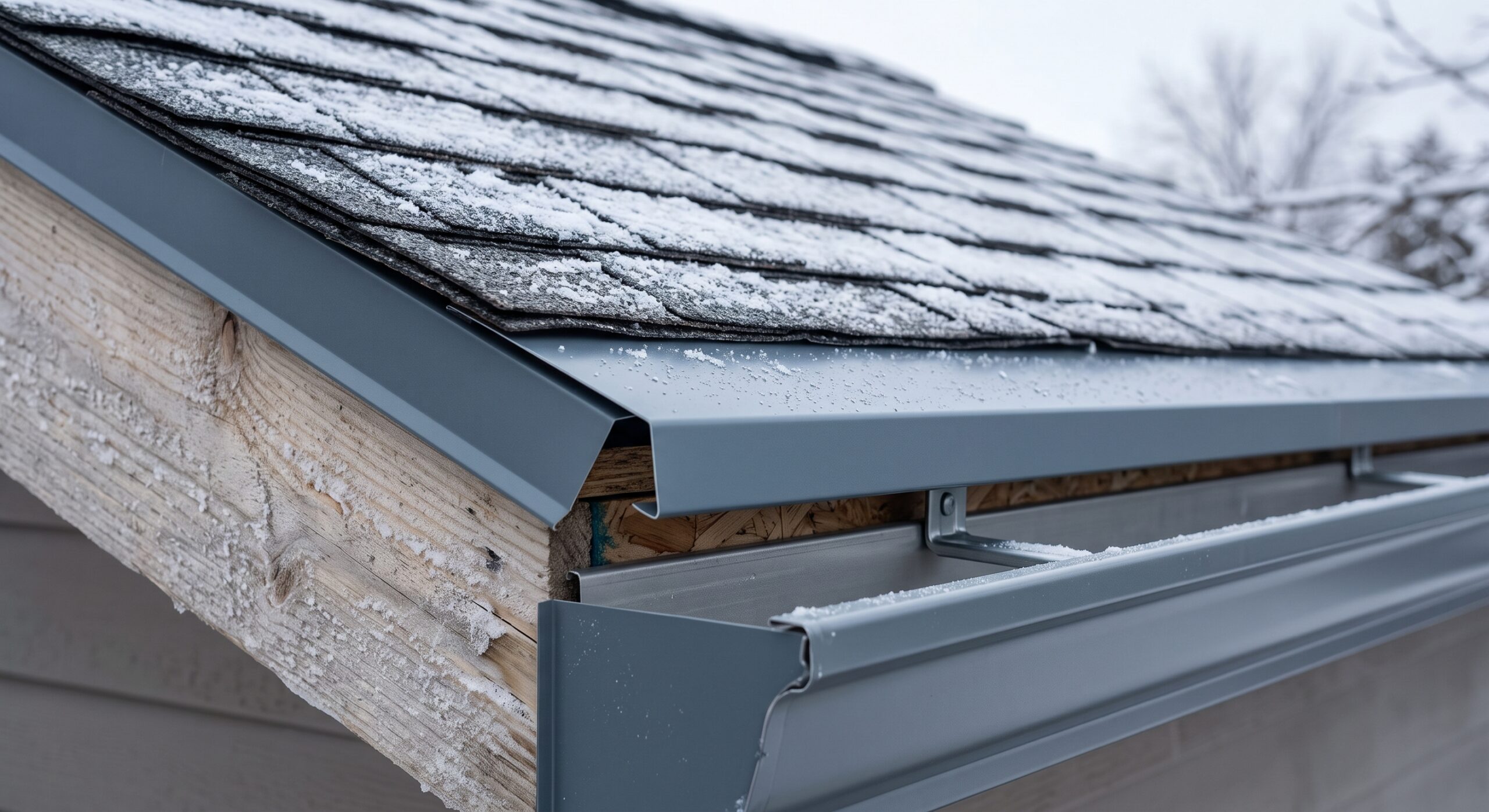
Moisture is the second reason. When snow melts on a mild afternoon and refreezes overnight, water creeps under the covering and expands as ice. The gap created by roofing battens gives that water a path down to the eaves instead of letting it sit against the underlay.
The same gap lets warm, damp air escape, which lowers the chance of condensation and frost on the underside of the deck.
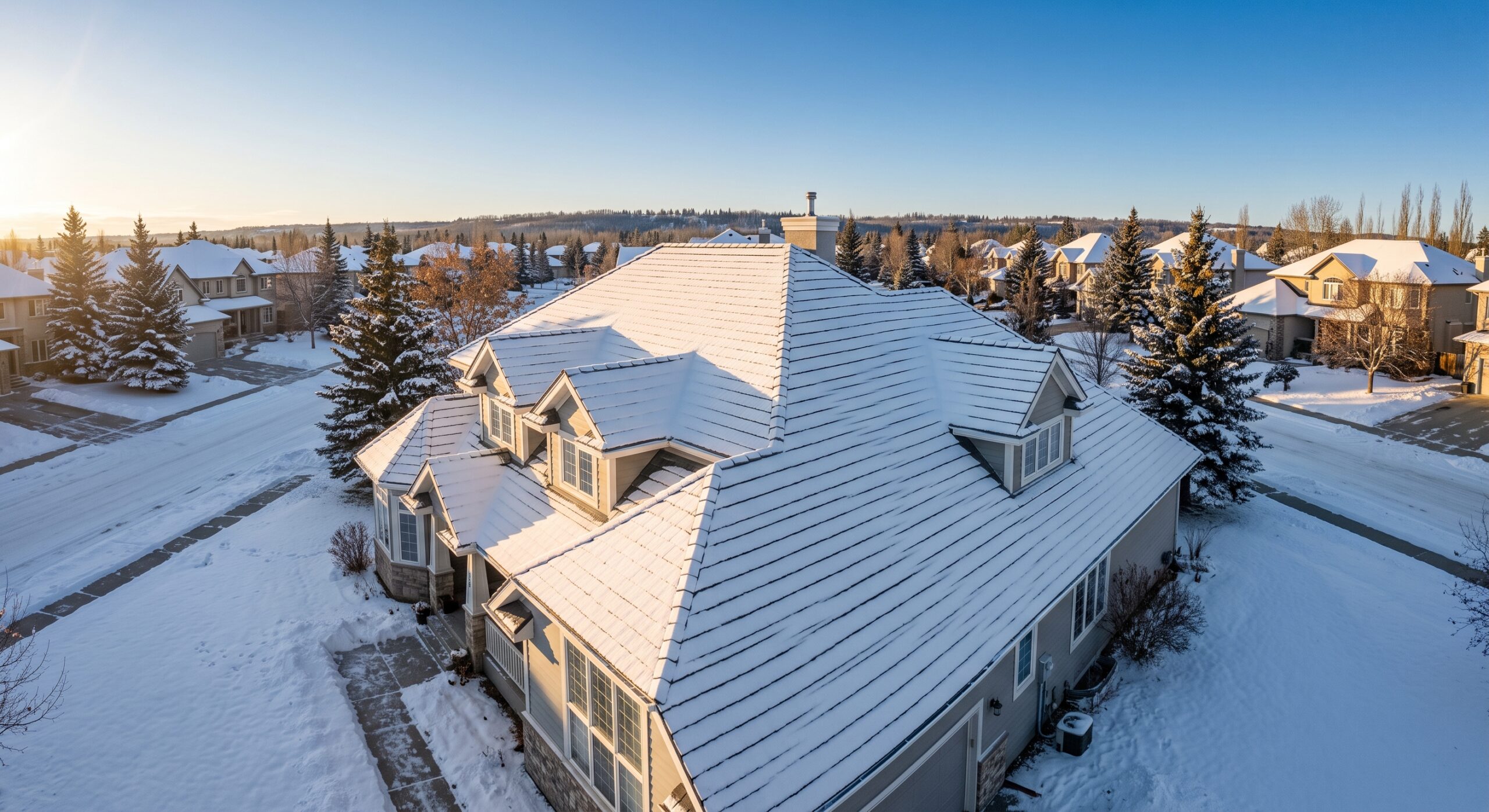
Third, battens spread weight. Snow loads in Manitoba can be considerable, and the strips carry that load across several rafters rather than a single point. That reduces flexing, cracked tiles, and popped fasteners.
A home in St. James, for example, may show tiles shifting more on the sunny slope than the shaded one, because sun and shade cycles stress the fixings differently. Solid strips keep that movement small.
There is also a long-term benefit. A properly ventilated roof deck stays drier, which protects insulation and slows the wear on shingles and tiles alike. Owners often notice fewer attic odours and less frost on the nails after a cold snap. Those are small signs, but they tell you the roof is breathing the way it should.
How Roofing Battens Work Under the Covering
Once the covering comes off, the roof looks like a simple ladder of strips, yet each strip performs several jobs at once.
They Create a Ventilated Air Gap
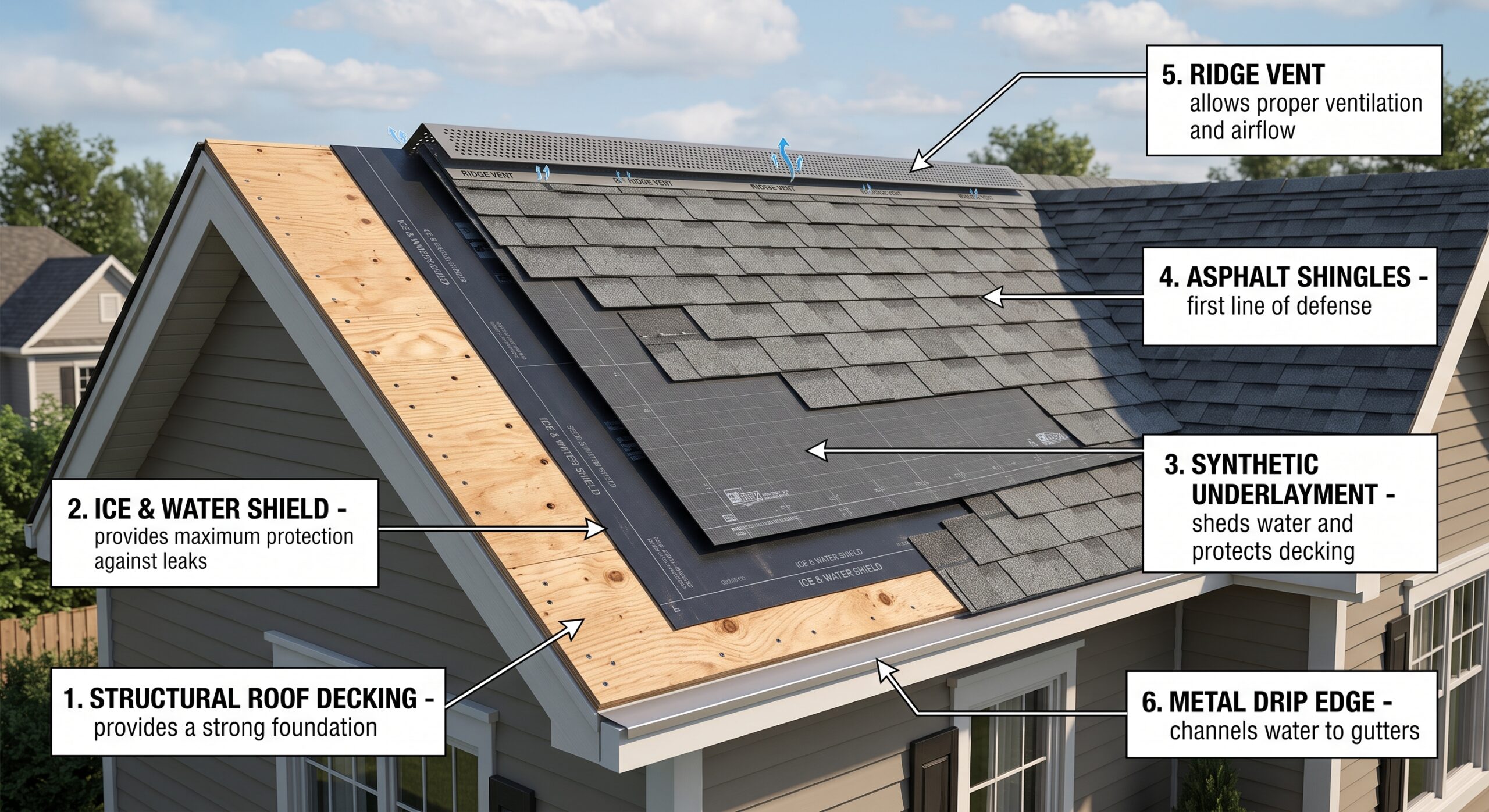
The strip lifts the covering off the underlay by its own thickness. That small space works like a chimney, pulling air from the eaves to the ridge. Moving air carries away moisture and helps the deck dry after wet spring weather. Without it, damp patches linger and the roofing layers below stay wet longer than they should.
They Guide Water Off the Roof
Rain and meltwater will always find gaps, especially when wind drives them upward. Battens hold the covering clear of the underlay so water travels down the slope instead of pooling. A durable roof membrane then sends that water safely to the gutters.
They Give Fasteners a Solid Anchor
Nails and screws bite into solid strips rather than thin sheathing alone. That grip matters when gusts lift the edge of a tile or panel. A straight, level batten line also keeps rows aligned, so the finished roof looks neat and sheds water evenly.
Each of these jobs depends on straight lines, sound material, and correct fastening. When one fails, the others usually follow.
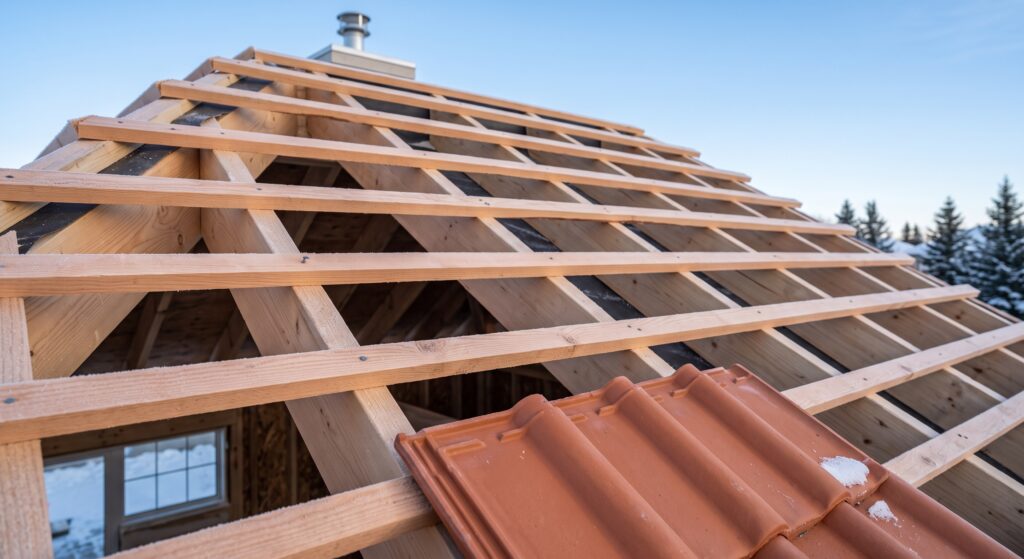
Which Roofing Battens Suit Your Roof Best
Choosing a material comes down to the roof covering, the expected snow load, and how long the owner wants the structure to last. The table below compares the common options.
| Material | Strengths | Limits | Best Fit |
| Kiln-dried softwood | Easy to cut and familiar to most crews | Needs preservative treatment and can warp if stored wet | Standard homes with lightweight coverings |
| Pressure-treated timber | Resists rot and insects in damp attic spaces | Heavier and needs corrosion-resistant fasteners | Older homes and tile roofs |
| Galvanized steel | Straight, stable, and will not rot or swell | Can dent and needs matching fasteners | Commercial buildings and long spans |
| Coated aluminum-zinc steel | Light, durable, and corrosion resistant | Cut edges need care and skilled fitting | Metal roofs in damp exposures |
For most Winnipeg homes, pressure-treated timber is the sensible middle path. It handles attic moisture and holds its shape through freeze-thaw cycles when stored dry and installed properly. Steel earns its place on commercial roofs and long runs where straightness matters most. Untreated softwood is the option to avoid, since even small leaks shorten its life.
The type of roofing battens you select should also match the weight of the covering. Heavy tiles demand thicker, stronger strips, while light metal profiles can use slimmer ones. Mixed metals can corrode, so pair every strip with fasteners rated for that material. A roofer who visits the site can confirm the load and rafter spacing before anything is ordered.
The Best Option for Each Situation
- Family homes with tile or shingle-style coverings, pressure-treated timber offers the best balance of strength and moisture resistance.
- Commercial buildings and long spans, galvanized steel keeps lines straight for decades.
- Metal roofs in damp exposures, coated steel resists corrosion at cut edges and fixings.
- Homes with dry attics and excellent ventilation, treated kiln-dried softwood can work well.
Homeowners comparing quotes should ask which option each contractor plans to use, since a change in material can affect lifespan and warranty terms.
What Spacing and Size Work Best for Roofing Battens
Spacing follows the covering, not the other way around. Each tile or panel has a set exposure, which is the visible length, and the strips are laid at that gauge so every piece rests securely. Getting the gauge wrong by even a small amount can leave a gap at the ridge or an awkward short course at the eaves.
| Covering | Strip Size | Spacing Guidance | Extra Note |
| Clay or concrete tiles | Thicker, sturdier strips | Set to the tile gauge from the maker | Add a strip at the ridge and eaves |
| Slate | Medium strips | Matches slate length and headlap | Needs very level lines |
| Standing seam metal | Medium to thick strips | Wider spacing set by panel profile | Confirm load with an engineer |
| Lightweight tile panels | Slimmer strips | Closer spacing for firm support | Watch for fastener pull-out |
A sound routine is to measure the rafters first, then lay out the gauge from the eave upward. Snap chalk lines for each course and check them against the tile length before nailing. Counter battens run up the slope beneath the horizontal strips and keep the air path open even where the cross strips would otherwise block it. They are worth considering on snowy roofs, where meltwater needs every possible route.
Signs Your Roofing Battens Need Attention
Battens hide beneath the covering, so the warning signs show up elsewhere. Watch for these.
- Sagging or wavy lines across the roof surface
- Tiles or panels that rattle in the wind
- Dark stains or damp patches on attic rafters
- Soft, crumbly timber visible through gaps
- Persistent ice buildup at the eaves, which can point to airflow or moisture problems and is often managed with a roofing ice shield
Catching these early costs far less than replacing wet decking. A spring check after the snow melts is a practical habit, and a fall check before the first freeze leaves time to fix small issues.
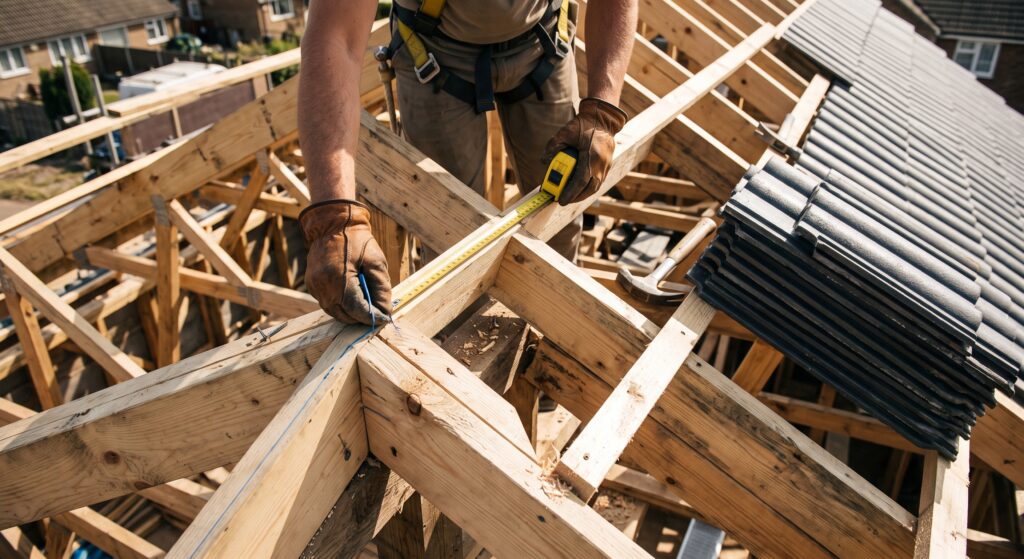
Things To Know
- Battens are hidden once the roof is finished, so quality matters most at the build stage.
- Timber should be stored dry and off the ground until the day it is fixed.
- Fasteners must suit the material to avoid corrosion and staining.
- Roof covering requirements and building code both affect sizing, so ask for confirmation in writing.
- Re-roofing is the best moment to inspect or replace old strips, since the covering is already off.
- Mixing new and old strips can create uneven lines, so replace full sections instead of single pieces.
- Wind and snow exposure vary between neighbourhoods, and crews familiar with the areas we served around Winnipeg plan for those differences.
Practical Tips for a Longer-Lasting Batten Layer
Before ordering roofing battens, measure the rafter spacing and confirm the covering weight with your roofer. A bungalow in Charleswood with a wide south slope, for instance, may need thicker strips than a shaded garage roof, even if the tiles match.
Store timber flat and dry, and keep it covered until it is fixed. Wet lumber shrinks as it dries and can loosen fasteners. Choose corrosion-resistant screws or ring-shank nails, and check the underlay for tears before covering it.
Photograph the work before the covering goes on. A dated set of pictures proves the spacing and material were correct and helps with future inspections. Browsing a project gallery also shows how neat batten lines translate into a clean finished roof.
For extra reading on moisture and airflow in Canadian homes, the federal housing agency shares helpful ventilation and moisture resources for owners planning renovations.
Final Word on Roofing Battens for Winnipeg Homes
A roof is a system, and the strips beneath the covering quietly decide how well that system handles snow, wind, and moisture. Pick durable material, match the spacing to the covering, and check for warning signs each spring and fall. Those simple habits protect the deck, the insulation, and the home below.
If you have any questions about roofing or are interested in a professional opinion, contact Zega Roofing at +1 204-997-2697 or reach out through our contact page to book a free roofing inspection. Our team is ready to help you plan a roof that stands up to Manitoba weather.
Frequently Asked Questions
What is the purpose of battens on a roof?
They support the roof covering, create an air gap, and let water drain away. They also give nails and screws a solid anchor.
How long do battens last?
Treated timber often lasts several decades when kept dry and installed well. Coated steel can last even longer in damp conditions.
Can battens be replaced without a full re-roof?
Usually not, because the covering above them must be lifted first. Small sections can sometimes be repaired if the surrounding area is opened up.
Which is better, timber or steel battens?
Treated timber suits most homes, while steel suits large commercial roofs. The covering weight and span decide the final choice.
Do metal roofs need battens?
Many do, especially where extra airflow or insulation space is wanted. Some systems sit directly on solid decking with an underlay.