
A sagging ceiling, a sudden leak during a windstorm, or missing shingles after a hailstorm all point to one thing: your home needs roofing emergency repairs right away.
These situations cannot wait for a routine appointment because water intrusion spreads fast, especially during Winnipeg’s freeze-thaw cycles, and a small gap in your roofline can turn into major structural damage within hours. Knowing the warning signs and the right response steps makes the difference between a quick fix and a costly rebuild.
Winnipeg’s climate is unforgiving on roofing systems. Heavy snow loads, ice damming, strong prairie winds, and sudden temperature swings all place extra stress on shingles, flashing, and underlayment. That stress is exactly why homeowners across the city need to understand when a problem has crossed the line from minor wear into a true emergency.
When Do You Need Roofing Emergency Repairs in Winnipeg Homes?
Roofing emergency repairs are needed whenever water is actively entering your home, structural materials have shifted or collapsed, or high winds have torn away a section of your roof covering.
If you notice water stains spreading across a ceiling, hear dripping inside an attic space, or see daylight through your roof deck, these are not problems to schedule for next month. Winnipeg homeowners should treat any active leak, storm-related damage, or visible structural sagging as an emergency that needs attention within 24 to 48 hours.
The distinction matters because delayed action compounds the damage. A small leak left unaddressed during a Manitoba winter can freeze, expand, and crack framing members, insulation, and drywall, turning a localized issue into a full interior renovation. Recognizing the urgency early protects both your home and your budget.
Common Causes Behind Roofing Emergency Repairs
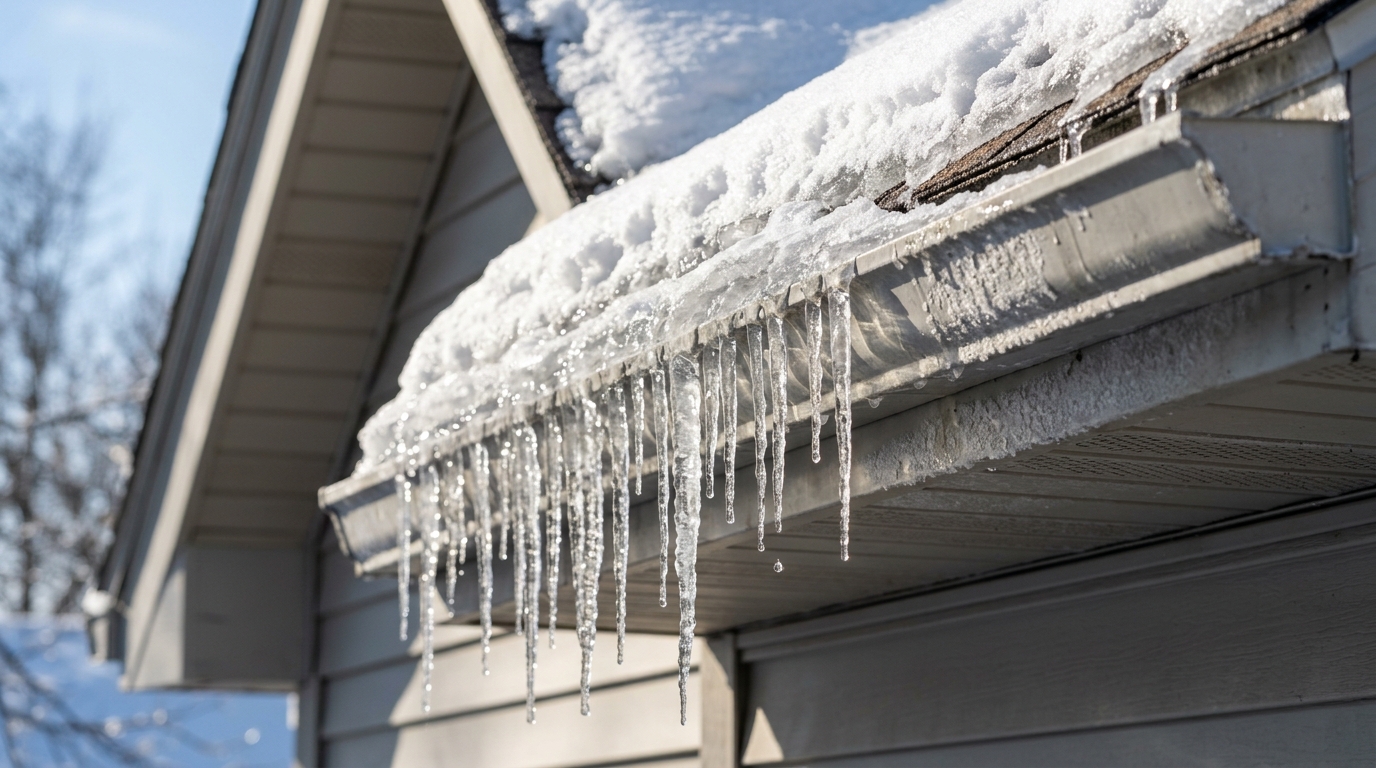
Several conditions trigger the need for roofing emergency repairs in Winnipeg, and most trace back to the region’s extreme seasonal shifts. Wind gusts during spring and fall storms can lift shingles at the edges, exposing the underlayment beneath. Ice damming in January and February forces meltwater backward under shingles, creating leaks that often appear far from the actual point of entry.
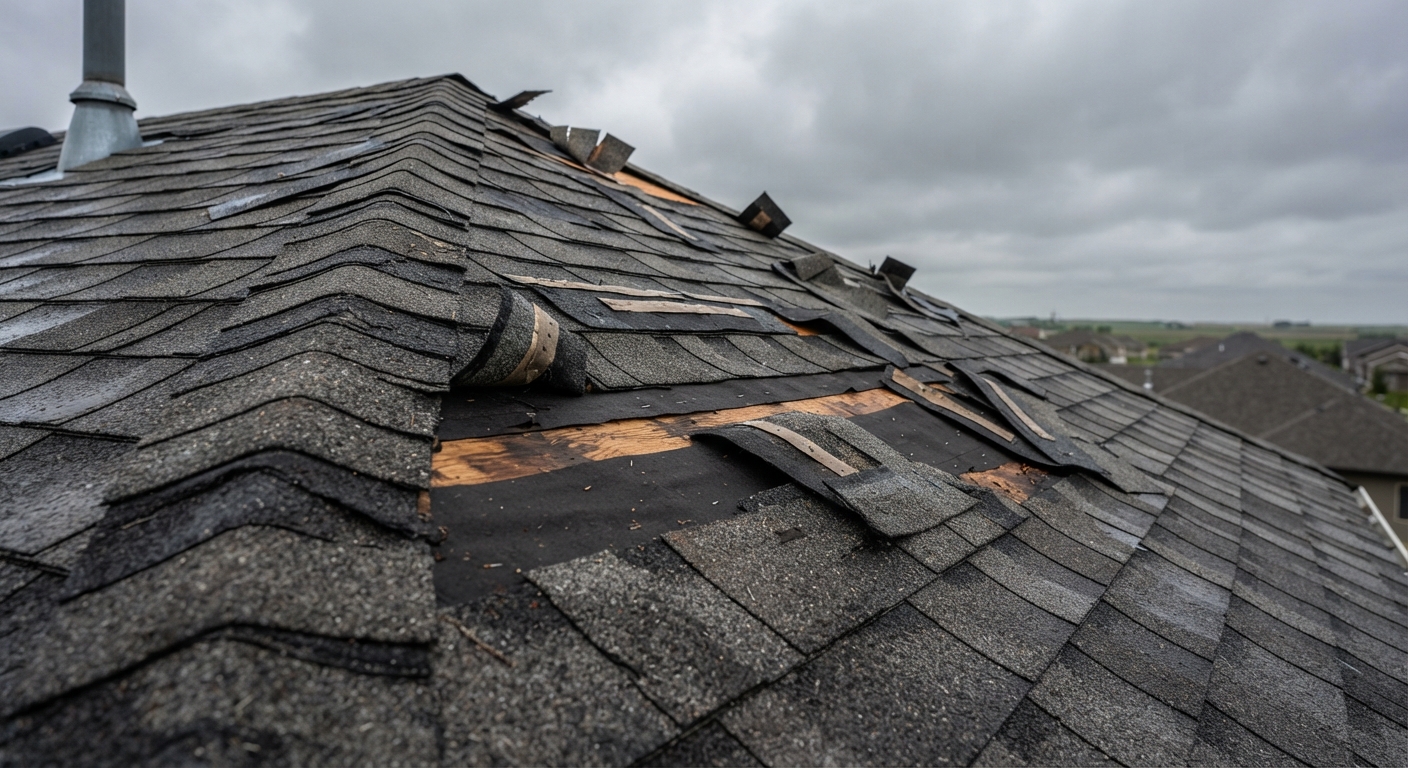
Hail is another frequent culprit, especially during summer storm season, when impact damage can crack shingle granules and compromise waterproofing almost instantly. Tree limbs falling during heavy snow accumulation can puncture roof decking outright, requiring immediate tarping to prevent further exposure.
Situations That Typically Require Roofing Emergency Repairs
- Active interior leaks during or after a storm
- Missing or torn shingles exposing the roof deck
- Visible sagging in the roofline or ceiling
- Fallen tree limbs or debris puncturing the roof surface
- Ice dam backups causing water to enter along eaves
Understanding these triggers helps homeowners act quickly rather than waiting to see if a problem resolves itself, which it rarely does once water has found a path inside.
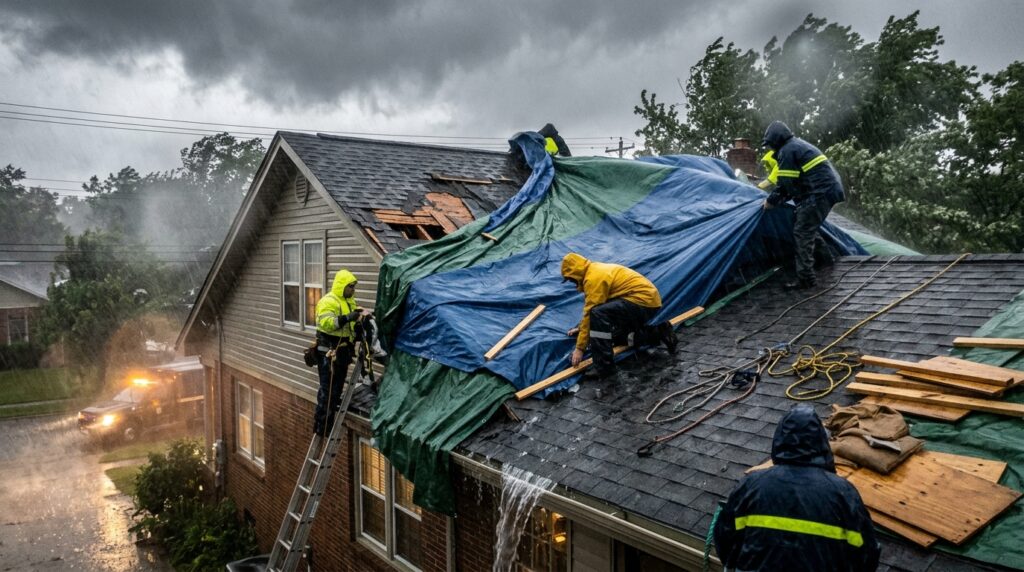
Immediate Steps Before Roofing Emergency Repairs Arrive
While waiting for a professional crew, there are safe steps homeowners can take to limit damage. These actions buy time and protect belongings without requiring anyone to climb onto a wet or icy roof, which should always be left to trained professionals.
What To Do While Waiting for Help
- Place buckets or containers under active interior leaks
- Move furniture and electronics away from affected areas
- Take photos of visible damage for insurance documentation
- Shut off power to any light fixtures near water intrusion points
- Contact your insurance provider to begin the claims process early
These steps will not solve the underlying issue, but they reduce secondary damage like warped flooring or mold growth while roofing emergency repairs are being arranged.
| Situation | Routine Maintenance | Roofing Emergency Repairs |
|---|---|---|
| Timeline | Scheduled weeks in advance | Response within 24 to 48 hours |
| Common Trigger | Gradual wear, aging materials | Storm damage, active leaks, structural shifts |
| Risk If Delayed | Minor efficiency loss | Interior water damage, mold, structural harm |
| Typical Action | Inspection, minor patching | Tarping, temporary sealing, urgent repair |
Choosing the Right Roofing Emergency Repairs Option for Your Home
Homeowners facing roof damage often wonder why a temporary fix matters, how the repair process works, and which option actually applies to their situation. The reason temporary measures come first is simple: a full repair or replacement cannot happen safely in the middle of a storm, and stopping water intrusion immediately protects the interior of the home while a permanent solution is planned.
How the process works typically starts with an emergency tarp or temporary seal applied to the damaged section, followed by a full inspection once weather conditions allow safe access. From there, a roofing contractor identifies whether the damage calls for localized patching, a section replacement, or a broader repair depending on the extent of the problem.
Which option applies best depends largely on the scale of the damage. A single area of lifted shingles from wind usually only needs a targeted patch, while widespread hail impact or ice dam damage across multiple roof sections often calls for a more comprehensive repair. For homeowners dealing with residential roof installations on older homes, the underlying roofing system’s age also plays a role in whether a patch will hold long-term or whether a larger repair makes more sense.
| Repair Type | Best For | Typical Timeframe |
|---|---|---|
| Emergency Tarping | Active leaks, storm damage, immediate protection | Same day |
| Localized Patch Repair | Small, isolated shingle or flashing damage | 1 to 2 days |
| Section Replacement | Moderate damage across a specific roof area | 2 to 5 days |
| Full Roof Repair | Widespread damage affecting multiple sections | 1 to 2 weeks |
Seasonal Timing for Roofing Emergency Repairs in Winnipeg
Winnipeg’s weather patterns shape when roofing emergency repairs are most common and how quickly they need to happen. Late winter and early spring bring the highest risk of ice dam related leaks, as freeze-thaw cycles push meltwater beneath shingles along the eaves. Summer storm season introduces hail and high-wind risk, often causing sudden, visible damage within minutes.
Fall is typically the window homeowners use to prepare their roofs for the coming winter, checking for loose flashing or aging shingles before snow accumulates. A well-timed inspection in autumn, paired with attention to roof ice and water shield protection along vulnerable areas, reduces the likelihood of needing emergency intervention once temperatures drop.
Regardless of season, the underlying advice stays consistent: address visible damage quickly rather than waiting, since Manitoba’s temperature swings rarely allow small problems to stay small for long.
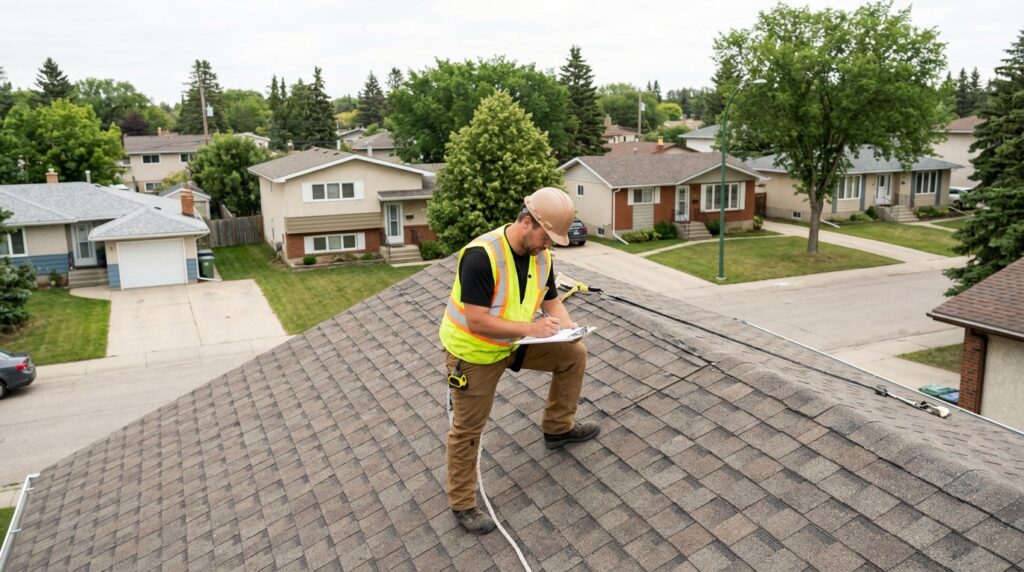
Things To Know About Roofing Emergency Repairs
- A temporary tarp is not a permanent fix. It stops active water intrusion but a full assessment should always follow once conditions are safe.
- Insurance policies often cover storm-related roof damage, but documentation taken immediately after the event strengthens your claim.
- Not every missing shingle is an emergency. Isolated minor damage with no active leak can often wait for a scheduled inspection.
- Ice dams are a leading cause of winter roofing emergency repairs in Winnipeg and are often linked to inadequate attic ventilation.
- Working with a licensed, insured contractor like Zega Roofing ensures repairs meet local building standards and will not void existing warranties.
Homeowners who stay familiar with their roof’s condition through occasional checks, particularly after major storms, tend to catch problems before they escalate into full roofing emergency repairs.
Final Thoughts
Recognizing the signs of roof trouble early, acting fast when water starts entering your home, and understanding which repair option fits your situation all work together to protect your property through Winnipeg’s demanding seasons. Roofing emergency repairs exist for exactly these moments, and knowing how to respond calmly while help is on the way can prevent a manageable issue from becoming a major renovation project. For homeowners curious about related protective measures, resources from the Canada Mortgage and Housing Corporation offer additional guidance on seasonal home maintenance.
If you have any questions about roofing or need help assessing storm damage, contact our team for a fast response. Browse our areas we serve across Winnipeg or reach out to our team directly to schedule an inspection before small damage turns into a bigger problem.
Frequently Asked Questions
How fast should roofing emergency repairs happen after storm damage?
Within 24 to 48 hours is ideal. Acting quickly limits water intrusion and prevents interior damage from spreading further into insulation, drywall, and framing.
Can I temporarily fix a roof leak myself before professionals arrive?
Yes, but only from inside. Placing containers under leaks and moving belongings is safe, while climbing onto a wet or icy roof should always be left to trained crews.
Does home insurance typically cover roofing emergency repairs?
Often, yes, for storm damage. Coverage depends on your policy, so documenting damage with photos right away helps support your claim.
What is the most common cause of winter roof emergencies in Winnipeg?
Ice damming is the leading cause. Freeze-thaw cycles push meltwater beneath shingles along the eaves, creating leaks that often appear away from the actual entry point.
How do I know if roof damage is minor or truly urgent?
Active leaks or sagging mean urgent. Isolated cosmetic damage with no water entry can usually wait for a scheduled inspection instead.