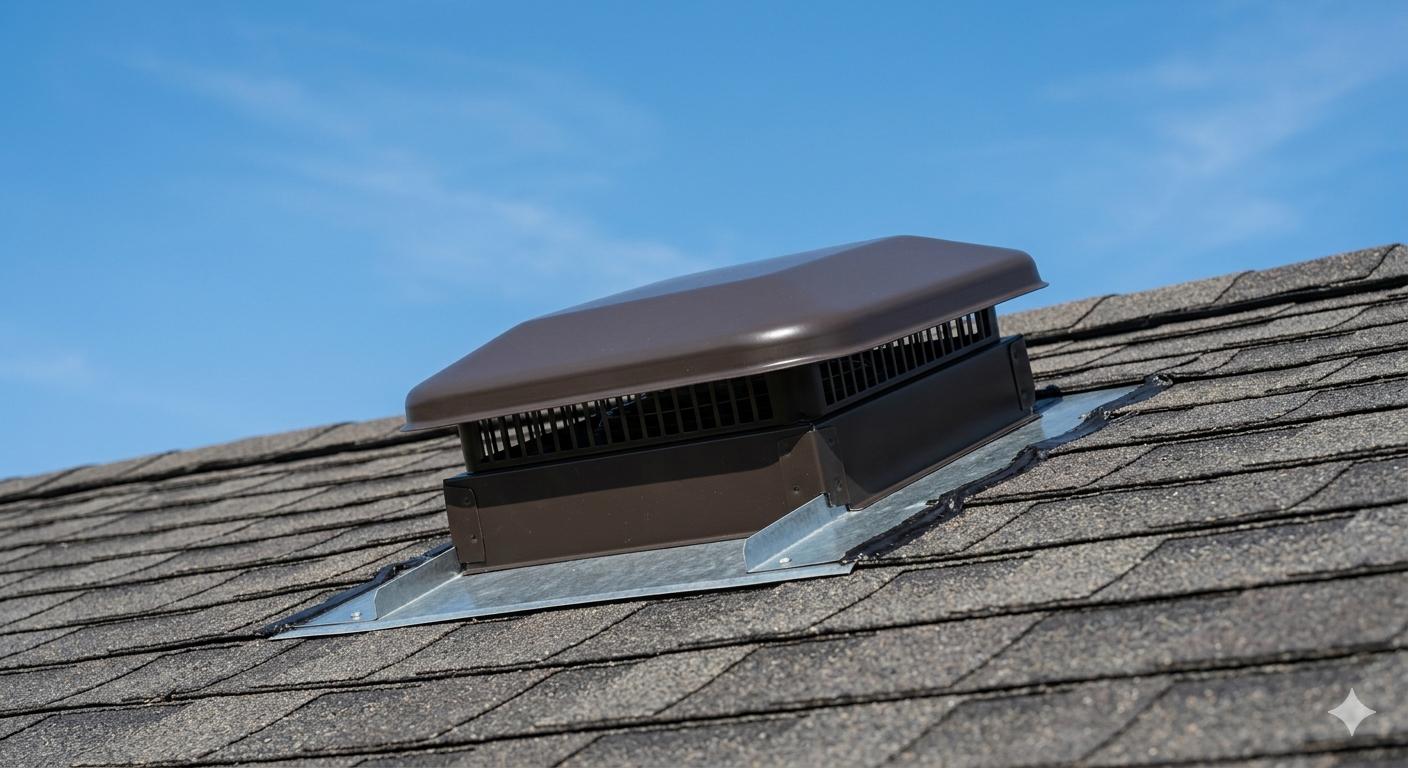
A roof air vent is one of the most important parts of any roofing system because it allows hot, stale air to escape your attic while pulling fresh air in from below.
Without proper ventilation, your attic traps moisture and heat, which leads to mold growth, ice dams in winter, and premature shingle damage. This post covers every angle of attic ventilation, from the different types available and how they work to why every Canadian home needs them.
You will also learn how to tell if your current setup is performing, what happens when it fails, and which option fits different roof styles. For homeowners in Winnipeg, Zega Roofing offers free inspections and customized ventilation solutions.
How Does a Roof Air Vent Work?
A roof air vent works through a simple principle called natural convection. Hot air rises, and when it collects in your attic space, it needs a way to escape. A vent installed near the ridge or upper portion of the roof allows that hot air to flow outward.
At the same time, cooler air enters through soffit vents or intake vents located along the lower edges of the roof. This continuous cycle of airflow keeps the attic temperature regulated and prevents moisture from settling on wooden structures, insulation, and sheathing.
During summer months, attic temperatures in Canadian homes can climb well above 60 degrees Celsius without ventilation. That extreme heat radiates downward through your ceiling, forcing your cooling system to work harder.
In winter, warm air from your living space rises into the attic and contacts the cold underside of your roof deck, creating condensation that promotes mold, wood rot, and structural weakening.
A properly functioning ventilation system balances the temperature and humidity inside your attic with the conditions outside. This balance is what protects your shingles from curling, prevents ice dams from forming along your eaves, and keeps your insulation performing at peak efficiency.
Types of Roof Air Vents You Should Know
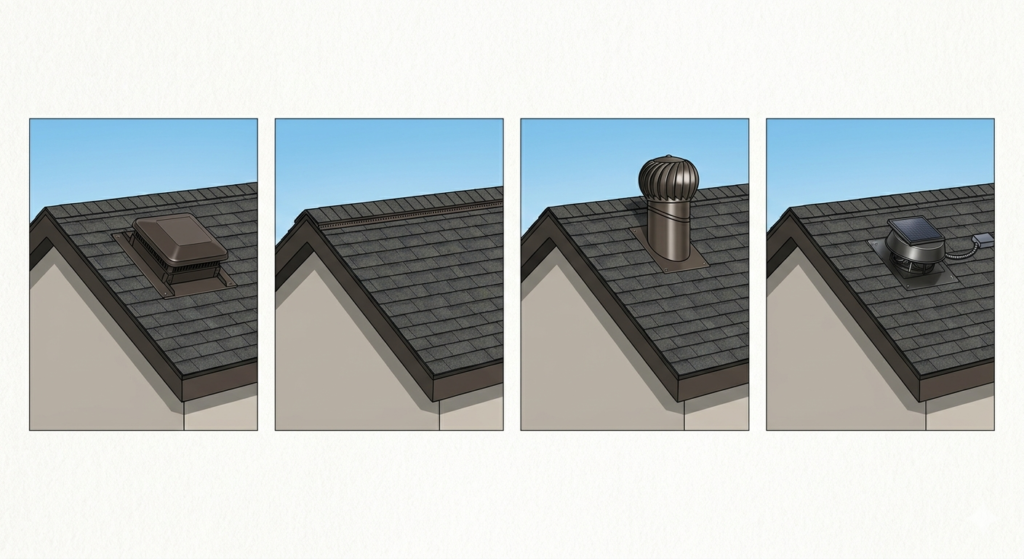
Not all ventilation options are the same, and choosing the right one depends on your roof design, attic size, and local climate. Here are the most common types available for residential and commercial properties.
Static Box Vents
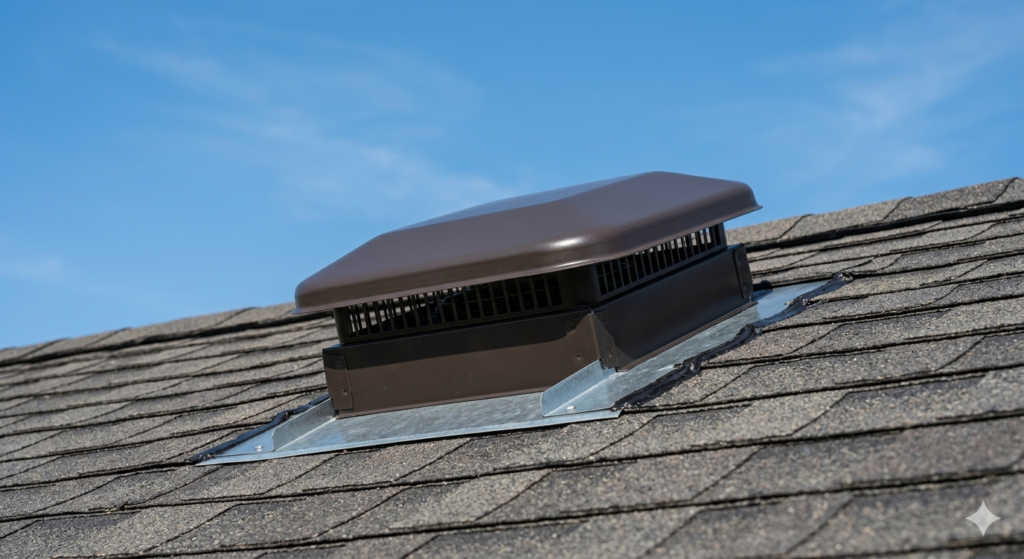
Static box vents are among the most affordable and widely installed options. They sit on the roof surface and rely on natural wind and convection to move air. Because they have no moving parts, they rarely need maintenance. However, you may need several units spread across the roof to achieve proper airflow, especially on larger homes.
Ridge Vents
Ridge vents run along the peak of the roof and blend into the roofline, making them nearly invisible from the ground. They provide continuous ventilation across the entire length of the ridge, which distributes airflow more evenly than individual box vents. Many roofing professionals consider ridge vents the most effective roof air vent for standard sloped roofs.
Turbine Vents
Turbine vents use wind power to spin an internal fan that actively draws hot air out of the attic. They work best in areas that experience consistent wind patterns. When there is no wind, they still function as passive vents, though at a reduced rate. Turbine vents offer a good middle ground between passive and powered ventilation.
Powered Vents
Powered vents use an electric motor or solar panel to drive a fan that forces hot air out of the attic. These are ideal for homes with complex roof shapes, limited ridge space, or areas with low natural wind. Solar-powered models are popular because they operate without adding to your electricity bill.
Soffit Vents (Intake Vents)
Soffit vents are not technically exhaust vents, but they are a critical part of any attic ventilation system. Installed along the underside of the roof overhang, they allow cool, fresh air to enter the attic. Without adequate soffit intake, even the best exhaust vent will underperform because the airflow cycle cannot complete itself.
Why Every Canadian Home Needs a Roof Air Vent
Canadian weather puts enormous stress on roofing systems. From heavy snowfall and freezing rain in winter to intense sun and humidity in summer, your roof endures constant punishment. A roof air vent helps your home handle these extremes by maintaining a stable attic environment.
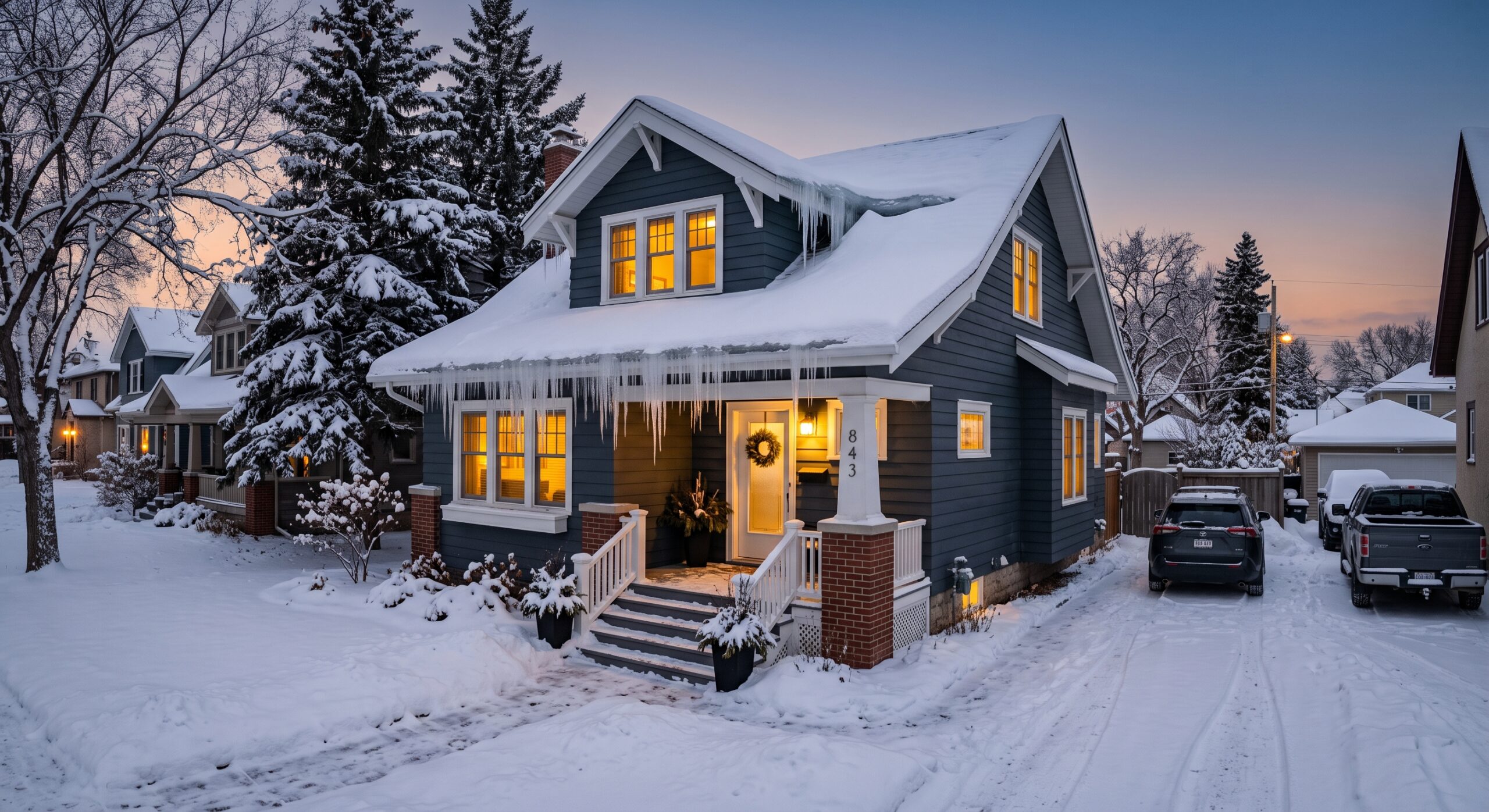
One of the biggest risks for homes in Winnipeg and across Manitoba is ice damming. When attic heat melts snow on the upper portion of the roof, the meltwater flows down toward the colder eaves and refreezes, creating a dam that blocks drainage. Water backs up behind the dam and seeps under shingles, leaking into your home. Proper vent placement keeps the attic cold enough to prevent uneven snowmelt and eliminates the conditions that cause ice dams.
Moisture control is another critical reason to invest in ventilation. Canadian homes produce a lot of indoor humidity through cooking, showering, laundry, and even breathing. Some of that moisture travels upward into the attic. Without a clear exit path, it accumulates and causes damage that can cost thousands of dollars to repair.
Energy efficiency is the third major benefit. A well-ventilated attic reduces the workload on both your heating and cooling systems. In summer, hot air exits through the roof air vent instead of radiating heat into your living space. In winter, balanced ventilation keeps your attic cold and dry, which protects insulation from moisture damage that reduces its effectiveness.
| Problem | Cause | How Proper Ventilation Helps |
| Ice dams along eaves | Warm attic melting snow unevenly | Keeps attic temperature consistent to prevent melting |
| Mold and mildew in attic | Trapped moisture with no exit path | Allows humid air to escape before condensation forms |
| High energy bills | Heat trapped in attic radiating into living space | Vents hot air out, reducing cooling system workload |
| Premature shingle aging | Excessive heat from below baking shingles | Lowers attic temperature to protect roofing materials |
| Wood rot on roof deck | Condensation sitting on sheathing over time | Circulates dry air to prevent moisture buildup |
Signs Your Current Roof Air Vent Is Not Working
Even if your home already has vents installed, they may not be performing properly. Here are some common warning signs that your ventilation system needs attention.
Peeling or bubbling paint on your exterior walls near the roofline often indicates excess moisture escaping from the attic. If you notice rust on metal components like nail heads or ductwork, that points to prolonged moisture exposure. Ice dams forming along your eaves during winter are a clear sign that your attic is too warm.
Unusually high heating or cooling bills can also be linked to poor attic ventilation. When your attic traps heat in summer, your air conditioner runs longer cycles. When moisture degrades your insulation in winter, your furnace runs more frequently to compensate.
If you step into your attic on a warm day and the temperature feels much hotter than the outside air, your roof air vent setup is likely insufficient.
For homeowners in Winnipeg who suspect their ventilation is underperforming, a professional inspection can identify the exact issue. Zega Roofing provides roofing installation services that include full ventilation assessments.
How to Choose the Right Roof Air Vent for Your Home
Selecting the right roof air vent comes down to a few key factors: your roof design, attic square footage, local climate, and your budget. Here is a practical breakdown to help you make the right decision.
| Vent Type | Best For | Pros | Cons |
| Ridge vent | Standard gable or hip roofs | Even airflow, low visibility, no power needed | Requires sufficient ridge length |
| Static box vent | Smaller roofs or supplemental use | Low cost, no moving parts, easy to install | May need multiple units for adequate coverage |
| Turbine vent | Windy regions | Wind-powered, no electricity needed | Reduced performance on calm days |
| Powered vent | Complex roof shapes, low-wind areas | Strong airflow, works in any weather | Higher upfront cost, electrical or solar setup |
| Soffit vent (intake) | All roof types as intake pairing | Completes airflow cycle, essential for balance | Must be kept clear of insulation and debris |
For most homes in Winnipeg, a combination of ridge vents and soffit vents provides the best year-round performance. This pairing creates a continuous airflow path from the eaves to the peak without relying on electricity or wind. If your roof lacks a long ridge line, static box vents or turbine vents paired with soffit intake can also deliver strong results.
If you are unsure which roof air vent configuration suits your property, contact Zega Roofing at +1 204-997-2697 for a free inspection. For pricing details on installation, just reach out to Zega Roofing directly for a personalized estimate.
Things To Know About Roof Air Vent Maintenance
Maintaining your ventilation system is just as important as choosing the right one. A vent that gets blocked, damaged, or neglected will eventually stop doing its job, and the consequences show up in your attic before you notice them on your energy bill.
Check your vents at least twice a year, ideally in spring and fall. Look for debris like leaves, bird nests, or snow buildup that could block airflow. For soffit vents, make sure attic insulation has not shifted over the openings. Baffles installed between rafters help keep insulation away from soffit vents and maintain a clear air channel.
Inspect the flashing around each roof air vent for signs of cracking, lifting, or rust. Damaged flashing allows water to seep in around the vent, which defeats the purpose of having ventilation in the first place. If you spot any issues, scheduling a repair sooner rather than later prevents bigger problems down the road.
Turbine vents with moving parts should spin freely. If a turbine squeaks, wobbles, or refuses to turn, the bearings may need lubrication or replacement. Powered vents should be tested periodically to confirm the motor and thermostat are functioning correctly.
For homes that have had shingle roof replacement work done, it is a good idea to have the ventilation system re-evaluated at the same time. New shingles paired with outdated or inadequate vents will not deliver the full lifespan you expect from your investment.
How Roof Air Vents Affect Attic Insulation
Your ventilation system and your attic insulation work as a team. Ventilation controls airflow and temperature, while insulation controls heat transfer. When one fails, the other suffers.
If your attic lacks proper ventilation, moisture accumulates and soaks into your insulation. Wet insulation loses its ability to resist heat transfer, making your home harder and more expensive to heat or cool. Fiberglass batts that absorb moisture sag and compress, creating gaps where heat escapes freely.
On the other hand, a ventilation system that moves too much air without adequate insulation on the attic floor can pull conditioned air out of your living space. The goal is balance between enough airflow to keep the attic dry and enough insulation to keep heated or cooled air inside your home.
For homeowners interested in improving both ventilation and insulation at the same time, spray foam insulation in Winnipeg offers a sealed barrier that works well alongside a properly designed ventilation configuration.
About Zega Roofing, Your Winnipeg Roofing Professionals
Zega Roofing is a trusted Canadian roofing company with over 25 years of experience helping property owners across Winnipeg and surrounding areas. From complete roof replacements and emergency leak repairs to attic insulation and ventilation installation, Zega Roofing delivers dependable solutions backed by expert craftsmanship and top-grade materials built to handle Manitoba’s toughest weather. Call +1 204-997-2697 to learn more.
Keeping Your Roof Ventilated for the Long Run
A roof air vent is not a luxury or an optional add-on. It is a core component of a healthy roofing system that protects your home from moisture, heat, ice dams, and rising energy costs.
Whether you choose ridge vents, box vents, turbine models, or powered options, the key is balanced airflow with proper intake and exhaust. Regular maintenance keeps everything running smoothly, and pairing ventilation with quality insulation maximizes results.
For homeowners across Winnipeg, Zega Roofing is your go-to team for expert installation, inspections, and long-term roofing care.
Frequently Asked Questions
What is a roof air vent for?
A roof air vent removes hot, humid air from your attic and allows cooler air to circulate in. This process prevents moisture damage, reduces energy costs, and extends the life of your roofing materials by keeping attic temperatures regulated throughout every season.
What is the air vent on the roof called?
It is commonly called a roof air vent, and specific types include ridge vents, box vents, turbine vents, and powered attic ventilators. The name depends on the design and how the vent moves air, whether passively through convection or actively through a fan mechanism.
Should roofs have air vents?
Yes, roofs should always have air vents to maintain proper attic ventilation. Building codes across Canada require a minimum level of attic ventilation, and most roofing professionals recommend a balanced system with both intake and exhaust vents to prevent ice dams, mold, and premature roof deterioration.
What type of roof vent is best?
Ridge vents paired with soffit intake vents are considered the best option for most residential roofs. This combination provides even, continuous airflow across the entire attic space without relying on electricity or wind. However, homes with flat roofs or limited ridge space may benefit more from powered or turbine-style options.
Are roof vents good or bad?
Roof vents are good and essential for any properly functioning roofing system. They protect your attic from heat buildup, condensation, mold, and structural damage. The only time a roof air vent causes issues is when it is improperly installed, incorrectly sized, or blocked by debris, which is why professional installation and regular maintenance matter.