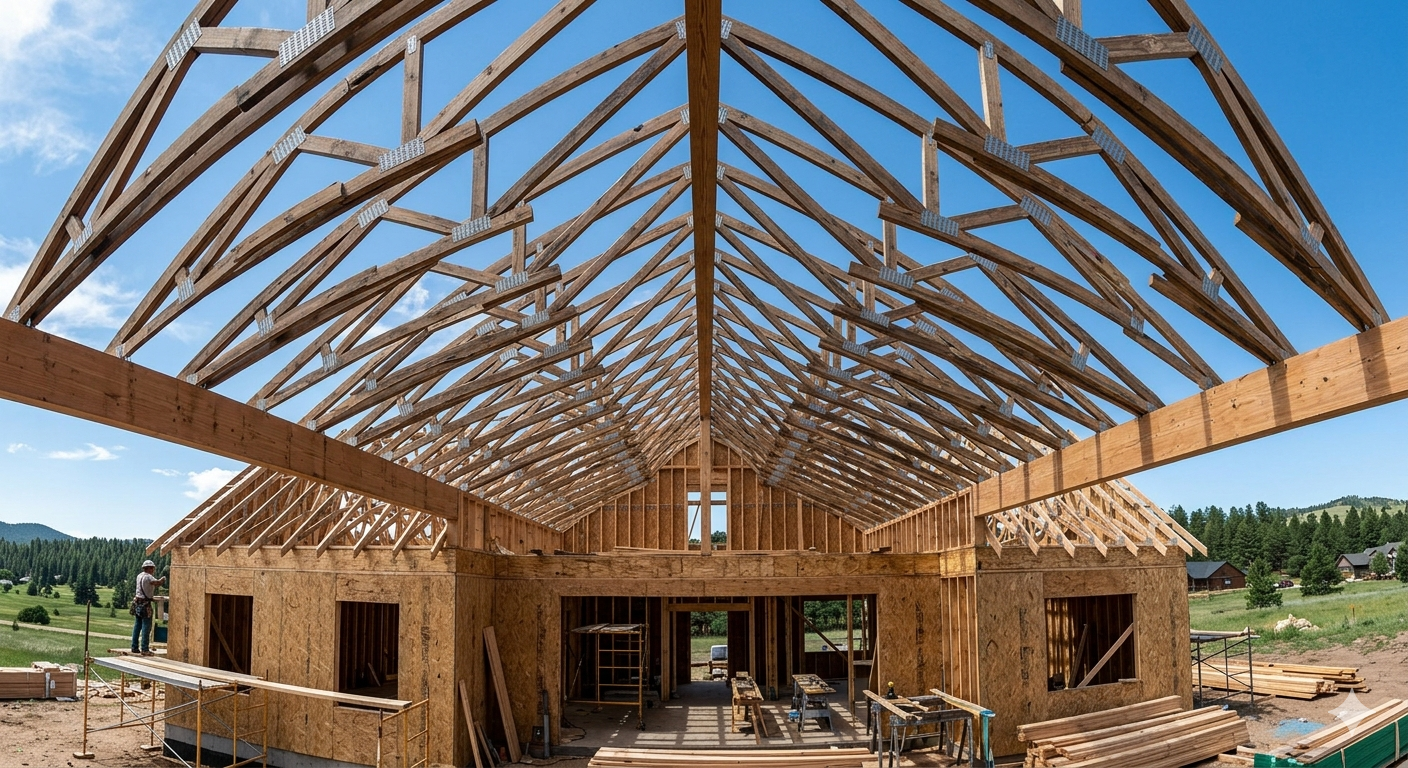
Roof trusses are pre-engineered frameworks that distribute the weight of your roof evenly across exterior walls, keeping your home stable and structurally sound.
Choosing the right style depends on your roof design, the span of your building, and the climate you live in. If you own a home or commercial property in Winnipeg, you already know that winter snow loads and high winds put serious stress on your roofing system.
Roof trusses play a major role in handling that pressure. They are made from triangular units of lumber and metal connector plates, and they sit at the core of nearly every modern roofing project in Canada.
This post covers how they work, the most popular types used across Canadian homes, the five main components inside every truss, and practical tips for making informed decisions about your roofing structure.
You will also learn when it makes sense to buy prefabricated options versus building on-site. Whether you are planning a roof installation in Winnipeg or simply want to understand what holds your roof together, the information here will help you move forward with confidence.
How Do Roof Trusses Work?
Roof trusses work by transferring the weight of your roofing materials, snow, wind, and other loads down through connected triangular shapes until that force reaches the load-bearing walls. Each triangle within a truss is naturally rigid, resisting deformation far better than a single beam or rafter on its own.
When a snow load piles up during a Winnipeg winter, the top chords absorb that downward pressure. The web members then redirect those forces, splitting them between compression and tension.
The bottom chord ties everything together and prevents the walls from being pushed outward. This balance is what allows these frameworks to span large distances without interior support walls.
Because of this engineering, open floor plans become possible in ways that traditional rafter systems simply cannot achieve. For homeowners in Manitoba, where heavy snowfall is a reality for several months each year, properly designed roof trusses are not optional. They are a structural requirement that keeps your property safe.
Types of Roof Trusses Used in Canadian Homes
Not all truss designs look or perform the same way. The type you need depends on your building’s span, the roof pitch, and how you plan to use the attic space. Below is a breakdown of the most popular styles found across Canadian residential and commercial properties.
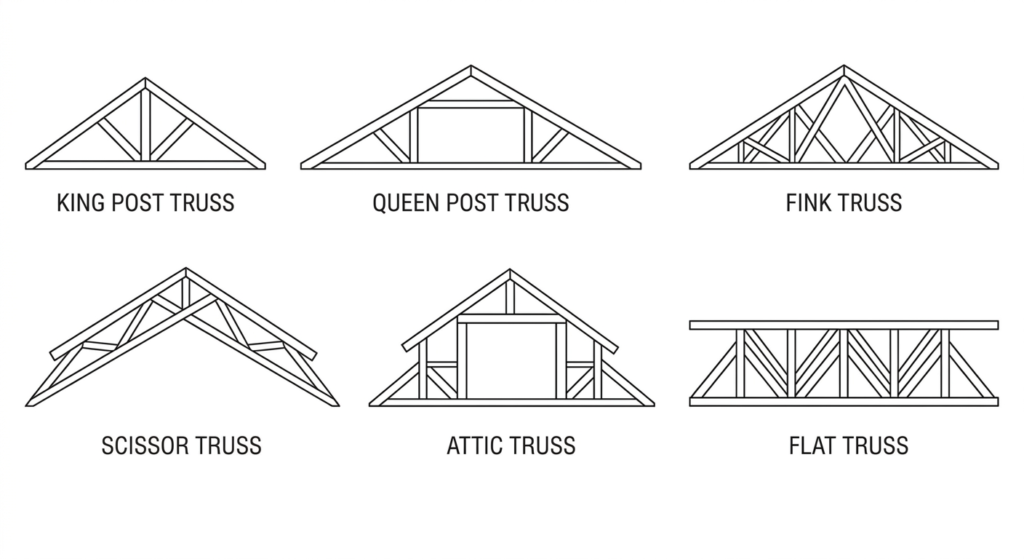
King Post Truss
The king post is the simplest form of truss design. It has a single vertical web member that runs from the peak of the top chords down to the center of the bottom chord. This configuration works well for shorter spans, typically up to about 8 meters, and is commonly used in garages, sheds, and smaller homes.
Queen Post Truss
A queen post truss uses two vertical web members instead of one. This creates a wider open area in the middle, making it suitable for slightly larger spans. Homeowners who want a bit of usable attic space often prefer this configuration because it opens up room between the two posts.
Fink Truss
The fink style is one of the most widely used roof trusses in residential construction. Its web members form a “W” pattern, which distributes loads very efficiently. Fink configurations handle moderate to large spans and are a go-to choice for standard pitched roofs on Canadian homes.
Scissor Truss
If you want vaulted or cathedral ceilings, scissor trusses are the answer. The bottom chords of this design slope upward toward the center, creating an angled ceiling line on the interior of the home. This style adds visual drama to living rooms and great rooms, though it does reduce attic storage space.
Attic Truss
Attic designs are specifically built to leave a livable or storable space within the framework. The web members are arranged around a rectangular opening, giving you a room-like section inside the structure. This is a popular choice for homeowners who want to maximize square footage without expanding their building’s footprint.
Flat Truss
Flat versions, sometimes called parallel chord configurations, have top and bottom chords that run roughly parallel to each other. They are used on flat or low-slope commercial roofs and are common in commercial roofing repairs across Winnipeg. These provide a clean ceiling line and allow mechanical systems to run between the chords.
Truss Types Comparison Table
| Truss Type | Best For | Typical Span | Attic Space |
| King Post | Garages, sheds, small homes | Up to 8 m | Minimal |
| Queen Post | Medium-sized homes | 8 to 12 m | Moderate |
| Fink | Standard residential roofs | 10 to 15 m | Minimal |
| Scissor | Vaulted ceiling rooms | 8 to 14 m | Limited |
| Attic | Homes needing extra living area | 8 to 12 m | Full room |
| Flat | Commercial and low-slope buildings | Varies widely | None (open plenum) |
The 5 Main Components of Roof Trusses
Every truss, regardless of type, is built from five core components. Knowing these parts helps you understand how the entire system holds together and where potential issues might develop over time.
The top chord is the uppermost member, running along the slope of the roof. It carries the weight of sheathing, shingles, and environmental loads. The bottom chord is the horizontal member at the base, acting as a tie that prevents the walls from spreading outward.
Web members are the internal diagonal and vertical pieces connecting the top chord to the bottom chord, transferring forces throughout the structure and allowing roof trusses to span large distances without sagging.
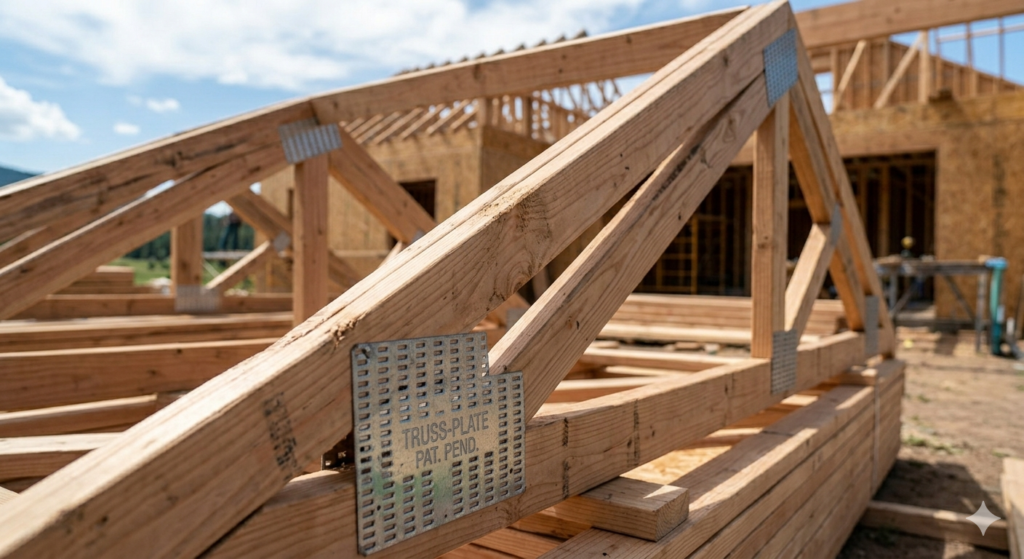
Gusset plates, usually made from galvanized steel, hold all the joints together by pressing into the wood at each junction point. Finally, the heel joint is where the top chord meets the bottom chord at the outer wall, transferring the roof load into the building’s walls.
Understanding these five components is especially useful when scheduling roof inspections or discussing potential structural concerns with a roofing professional.
Components at a Glance
| Component | Location | Primary Function |
| Top Chord | Runs along roof slope | Supports roofing materials and external loads |
| Bottom Chord | Horizontal base of truss | Ties the framework together, resists wall spread |
| Web Members | Interior diagonals and verticals | Transfers and distributes forces |
| Gusset Plates | At each joint connection | Holds members together securely |
| Heel Joint | Where top and bottom chords meet at the wall | Transfers roof load to the building walls |
Should You Buy Prefabricated or Build On-Site?
This is one of the most common questions homeowners face when starting a roofing project. Both options have real advantages, and the right choice depends on your specific situation.
Prefabricated roof trusses are manufactured in a controlled factory environment using computer-aided design, which means consistent quality and tight tolerances. Factory-built options arrive on-site ready to install, which significantly cuts down on labour time. For most residential projects in Winnipeg, prefabricated versions are the faster and more reliable option.
Building on-site can make sense for custom or unusual roof shapes where standard prefabricated configurations do not fit. On-site construction also eliminates the need to transport large frameworks on flatbed trucks, which can be a challenge in tight urban lots.
From a cost perspective, prefabricated options tend to be more affordable because factories benefit from bulk purchasing and automated assembly. Custom on-site builds often require more skilled labour, which drives up the total expense. For accurate pricing on roof trusses for your Winnipeg home, contact Zega Roofing directly at +1 204-997-2697 for a free estimate.
How Winnipeg’s Climate Affects Your Roof Trusses
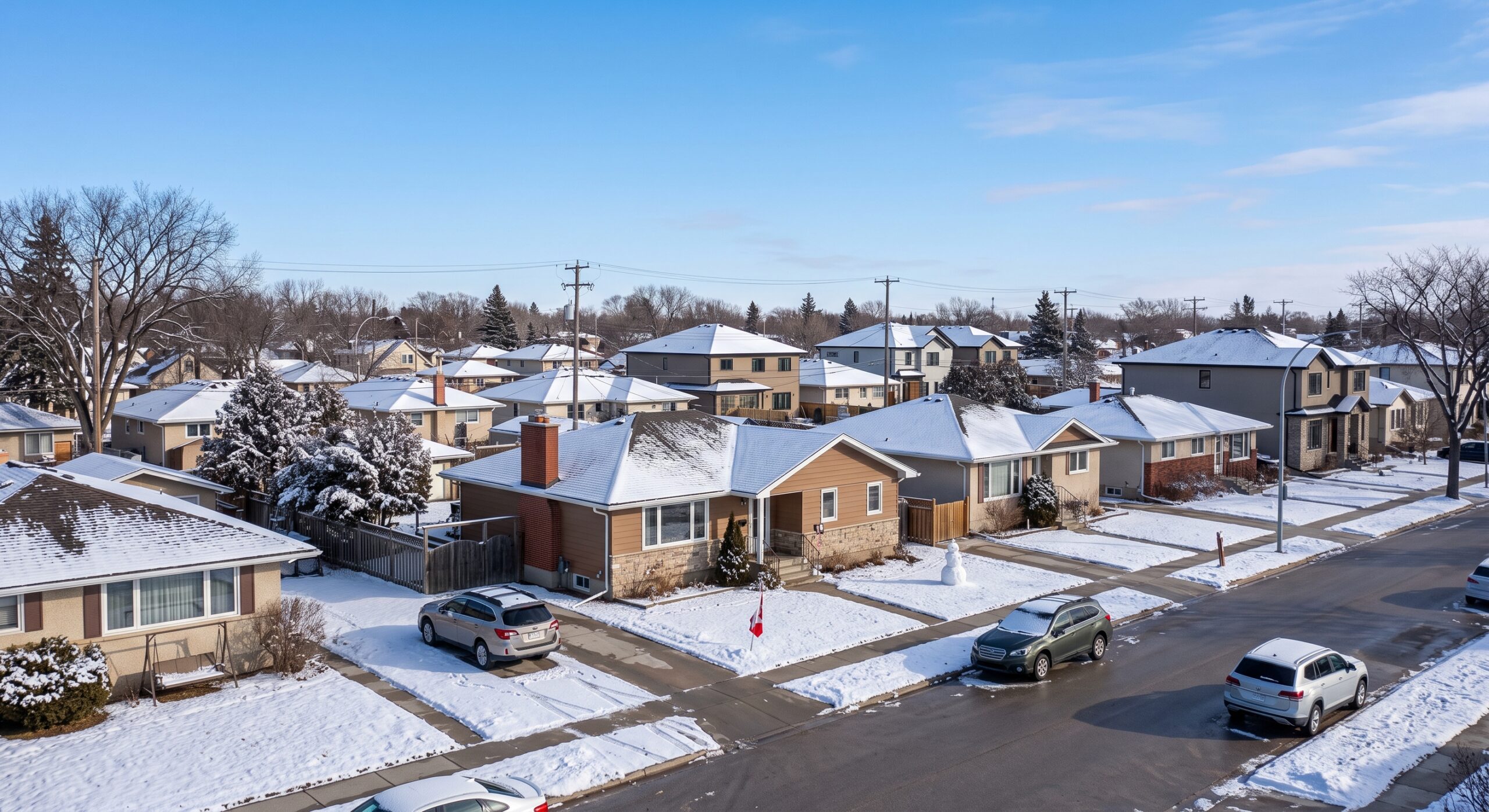
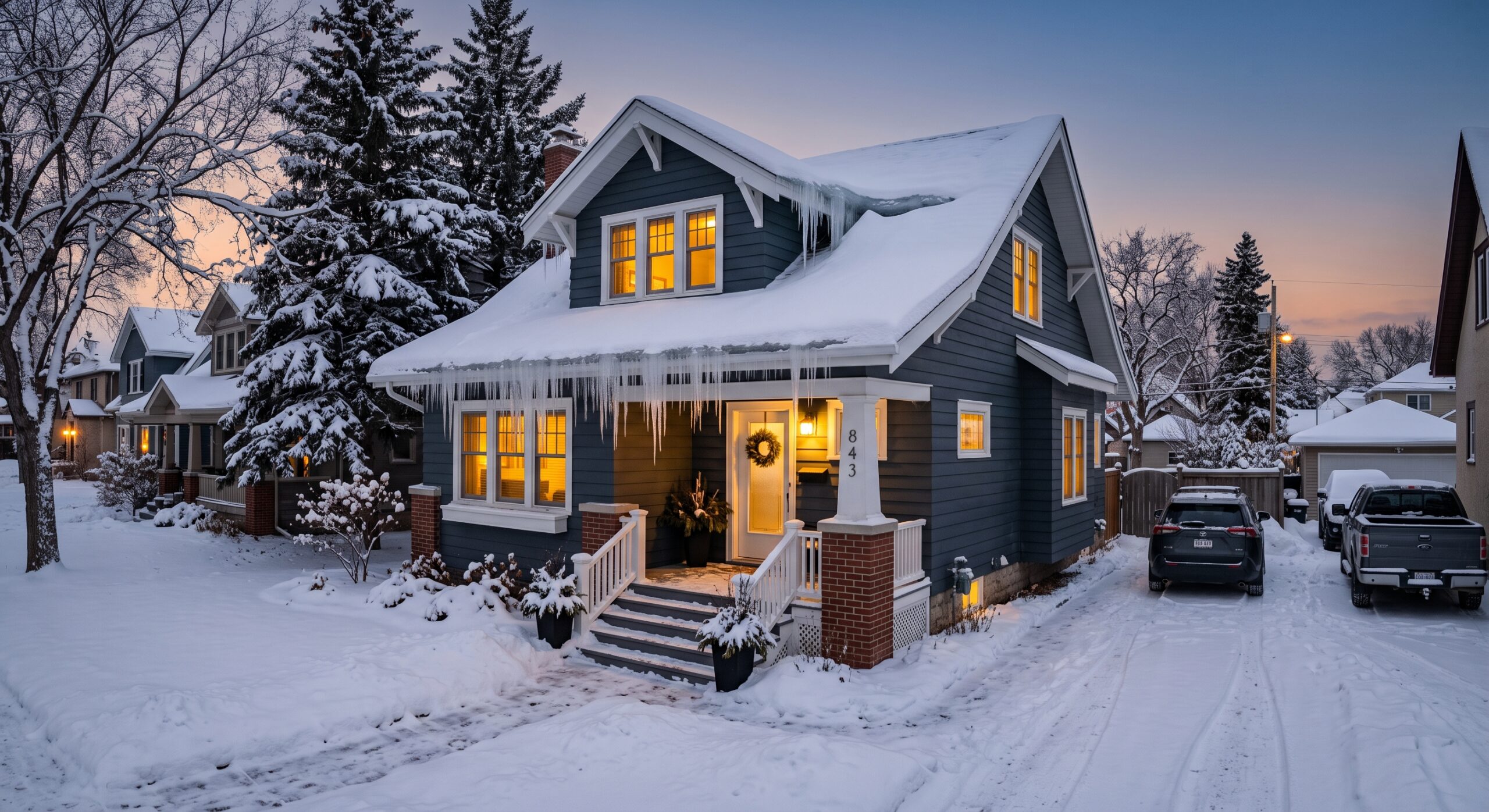
Manitoba’s winters are no joke. Temperatures regularly drop below minus 30 degrees Celsius, and heavy snowfall can dump significant weight onto your roof in a short period. Roof trusses in Winnipeg need to be engineered to handle these snow loads, which are calculated based on local building codes and historical weather data.
Wind is another factor. Winnipeg sits in an open prairie landscape, and strong gusts can create uplift forces that try to pull your roof away from the walls. Properly connected trusses with adequate bracing and hurricane clips or tie-downs resist these forces and keep your roofing system anchored.
Moisture is a third concern. Temperature swings between indoor heat and outdoor cold create condensation risks inside the attic, which can lead to wood rot, mould, and weakened joints. Good attic ventilation and proper vapour barriers work together with your roofing framework to prevent this. If your attic insulation is not performing well, it may be worth exploring spray foam insulation in Winnipeg to improve your building envelope.
Homeowners who invest in properly rated roof trusses, combined with quality insulation and ventilation, get a roofing system that performs for decades instead of one that struggles through every freeze-thaw cycle.
Things To Know About Roof Trusses
Before you commit to a roofing project, here are several practical points that many homeowners overlook when it comes to their roofing framework.
These structures should never be modified after manufacturing without approval from a structural engineer. Cutting into a web member or chord to run plumbing, electrical, or ductwork can seriously compromise the framework. Always consult a professional before making any alterations.
Spacing matters. Most residential installations in Canada are spaced 24 inches apart on centre, though some designs call for 16-inch spacing based on the anticipated loads.
Storage on-site requires care. If your trusses arrive before installation, store them upright and supported at multiple points. Laying them flat can cause bowing or warping in wet conditions.
Bracing during installation is critical. Roof trusses are strong once fully sheathed and connected, but during installation, they can be unstable. Temporary bracing holds each unit in position until the system is secured.
Finally, always check your local building codes. Winnipeg and surrounding municipalities have specific requirements for truss design and load ratings. Working with a licensed roofing contractor ensures your project meets these standards.
About Zega Roofing
Zega Roofing is a trusted roofing company in Winnipeg with 25 years of experience serving residential and commercial clients across the city. From roof installations to emergency repairs, attic insulation, and spray foam solutions, their licensed and insured team handles every project with expert craftsmanship. Whether you need help choosing the right truss system for a new build or want a professional inspection of your current roofing structure, Zega Roofing is ready to assist. Reach them at +1 204-997-2697 for a free roofing inspection.
Frequently Asked Questions About Roof Trusses
What is a roof truss?
A roof truss is a pre-engineered structural framework made from lumber and metal connector plates, designed to support the weight of a roof and transfer loads to the building’s exterior walls. These structures use triangular shapes to distribute forces efficiently, allowing them to span large distances without interior support columns.
Is it cheaper to buy or build trusses?
Buying prefabricated trusses is generally cheaper for standard residential projects. Factory manufacturing uses automated processes and bulk material purchasing, which keeps costs lower than custom on-site construction. For a personalized estimate, contact Zega Roofing directly.
How many types of roof truss are there?
There are over a dozen recognized types, though six to eight styles cover the vast majority of residential and commercial projects. The most common include king post, queen post, fink, scissor, attic, and flat (parallel chord) configurations. Each type serves a different purpose based on the building’s span, desired ceiling height, and load requirements.
What is the purpose of a truss?
The purpose of a truss is to support the roof covering and distribute all roof loads safely down to the load-bearing walls of a building. These frameworks handle dead loads, live loads like snow, and environmental loads such as wind uplift. Their triangular design makes them rigid and efficient at resisting deformation.
What are the 5 main components of a roof truss?
The five main components are the top chord, bottom chord, web members, gusset plates, and the heel joint. The top chord follows the roof slope and carries external loads. The bottom chord acts as a horizontal tie. Web members transfer forces internally. Gusset plates connect all joints securely, and the heel joint is where the framework meets the wall and transfers loads into the building structure.