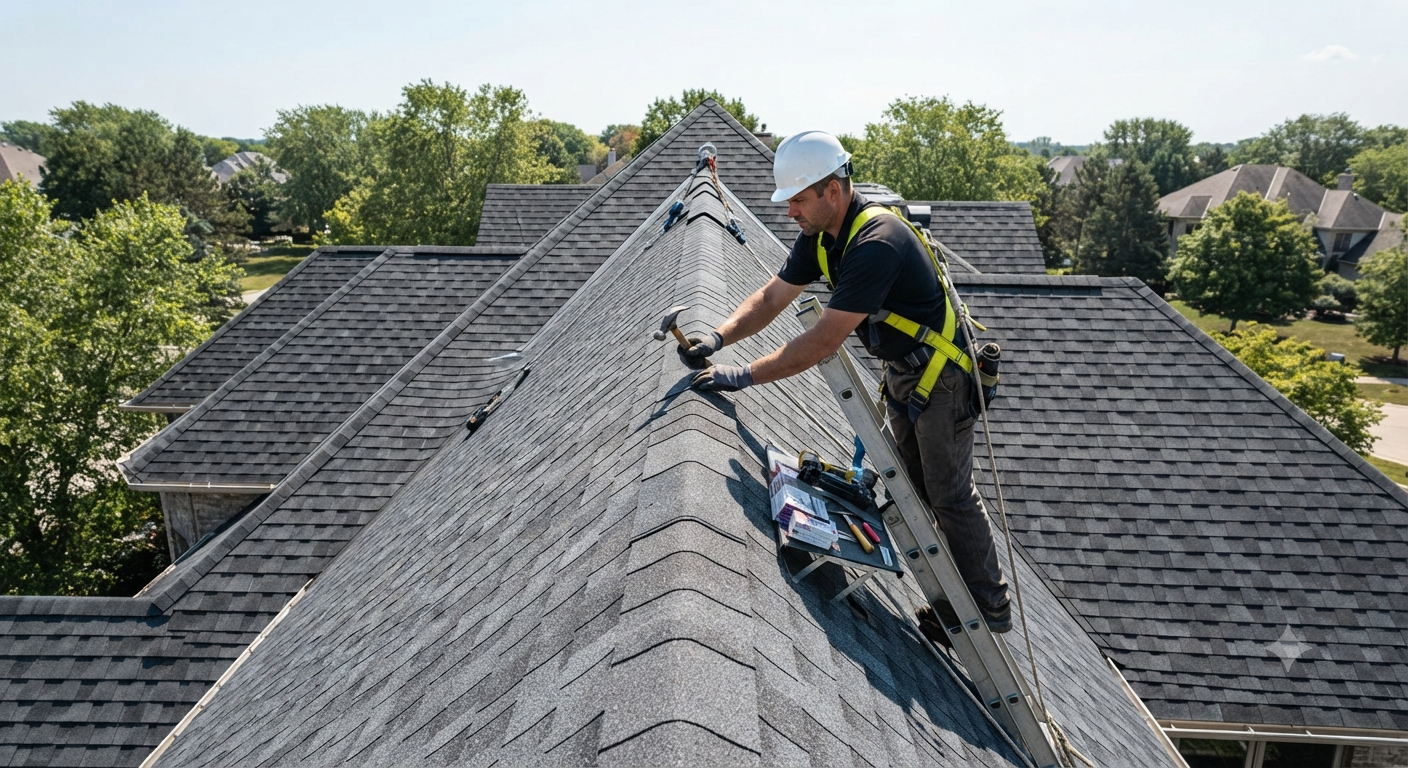
A roofing ridge cap covers the highest point of your roof where two slopes meet, sealing that seam against wind, rain, and melting snow. Without it, the peak becomes the weakest point on the entire structure, prone to leaks and premature wear. Below is a breakdown of what a ridge cap does, the styles available, and how homeowners can decide which option fits their roof best.
What a Roofing Ridge Cap Actually Does
A roofing ridge cap covers the horizontal or sloped junction where two roof planes intersect. Regular shingles cannot bend cleanly over this angle, so specially shaped or trimmed pieces are layered and nailed down to close the gap completely. This keeps wind-driven rain, snow melt, and debris from working their way into the attic space below.
The peak of a roof carries more exposure to sun, wind, and precipitation than any other section, which is why this small strip of material plays such an outsized role in the roof’s overall lifespan.
What a Roofing Ridge Cap Is and How It Works
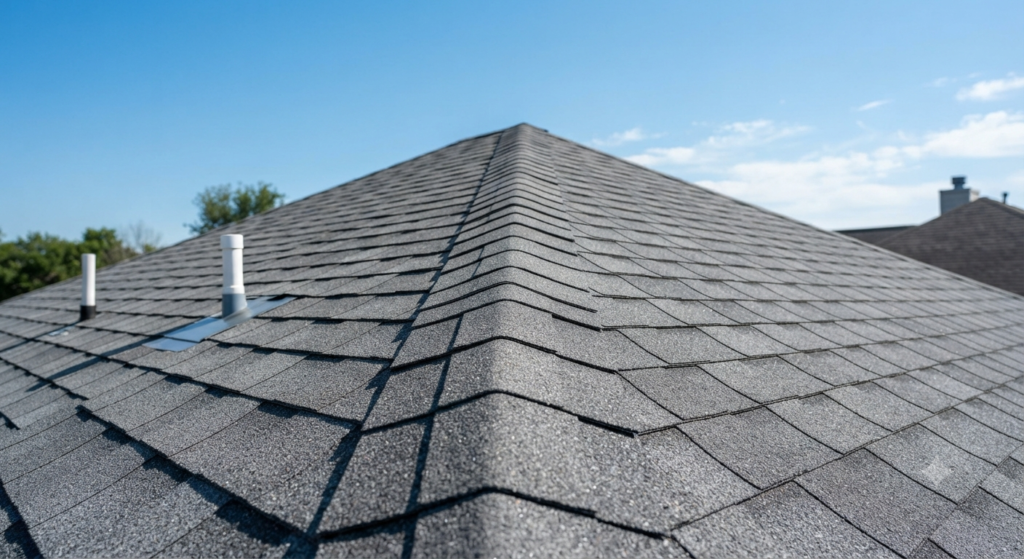
A ridge cap is a row of shingles, usually thicker and pre-bent, installed along the very top edge of a roof. Each piece overlaps the one before it, similar to how regular shingles are layered, so water always runs over the seam rather than into it.
Underneath the visible cap sits a layer of underlayment or a ridge vent, depending on the roof design. Many homes use a vented cap system that allows warm attic air to escape while still blocking moisture and pests. This combination of ventilation and waterproofing is why a properly installed ridge cap matters just as much for airflow as it does for keeping water out.
Installers typically start at one end of the ridge and work toward the other, overlapping each piece by a set amount to keep the seal consistent. The nails on each shingle are placed high enough that they stay hidden beneath the next overlapping piece, which is what keeps the fasteners themselves from becoming a leak point later on.
Why Roofing Ridge Cap Matter for Every Winnipeg Roof
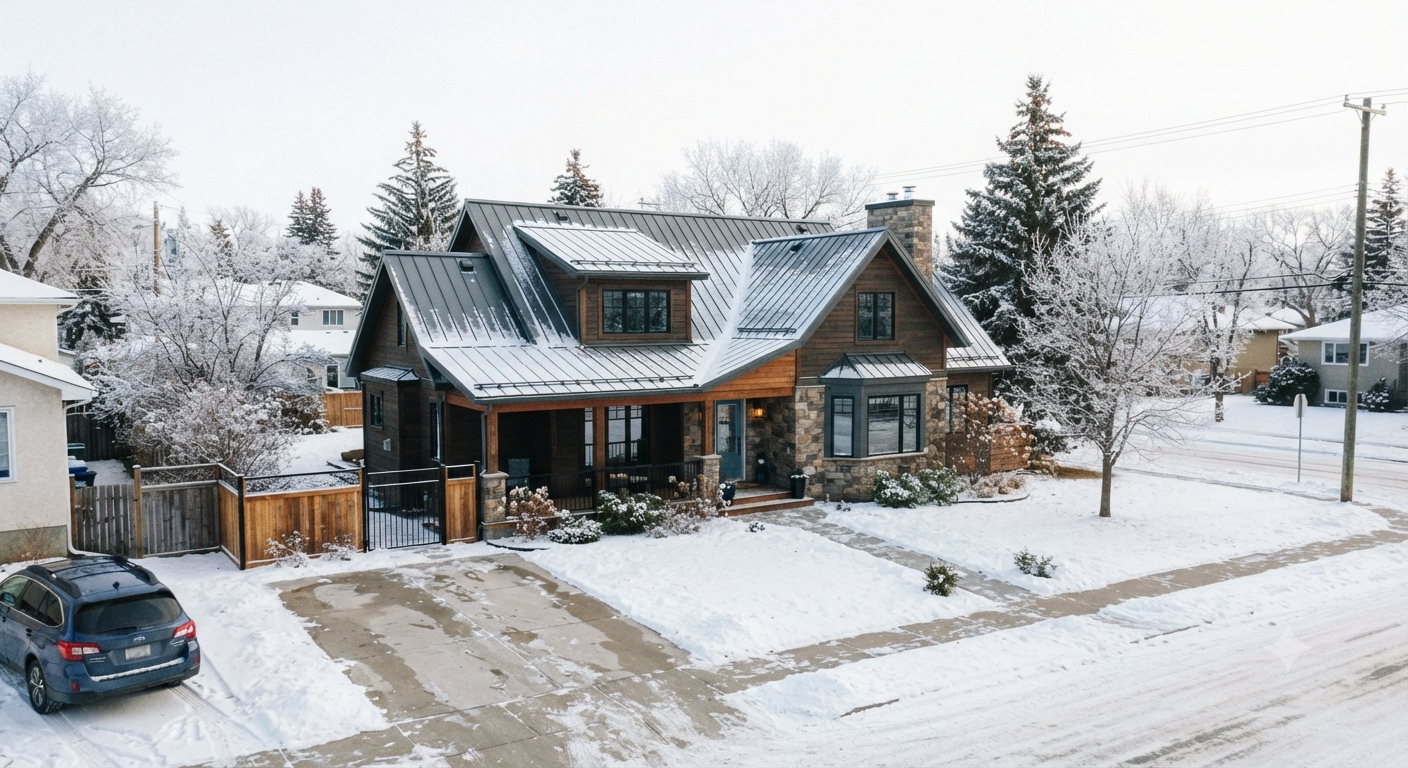
Winnipeg winters bring heavy snow loads, freeze-thaw cycles, and strong winds, all of which put extra stress on the roof peak. A cap that is worn, cracked, or missing pieces gives snowmelt a direct path into the roof deck, which can lead to rot, mould, and interior damage long before it becomes visible from the ground.
Common Signs a Ridge Cap Needs Attention
- Cracked, curling, or missing shingle pieces along the peak
- Visible daylight through the attic near the ridge line
- Granule loss collecting in gutters after storms
- Higher energy bills caused by poor attic ventilation
- Water stains on ceilings directly below the roof peak
Catching these signs early is far less costly than repairing water damage inside the attic or ceiling. A quick inspection twice a year, ideally before and after winter, helps homeowners spot wear along the ridge before it turns into a larger repair bill.
Types of Roofing Ridge Cap Shingles
Not all ridge caps are built the same way, and the option chosen affects both appearance and durability. The table below compares the most common styles used on residential roofs.
| Roofing Ridge Cap Type | Best For | Durability | Appearance |
| Standard cut shingle caps | Budget-friendly repairs | Moderate | Matches existing shingles |
| High-profile ridge caps | Steep or dimensional roofs | High | Adds visible texture |
| Vented ridge caps | Homes needing attic airflow | High | Low-profile, discreet |
| Hip and ridge specialty caps | Complex roof shapes | High | Uniform, tailored fit |
Each style serves a slightly different purpose, so the right pick often depends on the roof’s shape, age, and ventilation needs rather than looks alone. A steep, dimensional roof for example will flex a standard cut cap over time, while a low-slope bungalow rarely needs the added bulk of a high-profile option.
Roofing Ridge Cap vs Ridge Roll: What’s the Difference
Homeowners sometimes confuse a roofing ridge cap with a ridge roll, but the two serve different functions on different types of roofs. A cap is made of individual overlapping shingle pieces, while a roll is a single continuous strip, often used on metal or lower-slope roofing systems.
| Feature | Ridge Cap | Ridge Roll |
| Material format | Individual overlapping pieces | One continuous roll |
| Common roof type | Asphalt shingle roofs | Metal or flat-slope roofs |
| Installation style | Layered, nailed piece by piece | Rolled out and fastened in sections |
| Repair flexibility | Easier to replace single sections | Often requires full section replacement |
Understanding this difference matters when planning repairs, since mixing the wrong product with the wrong roof type can shorten its lifespan considerably. A homeowner with an asphalt shingle roof, for instance, should never substitute a metal roof ridge roll, since the fastening pattern and expansion behaviour are built for a different material entirely.
Which Roofing Ridge Cap Option Is Best for Your Home
The best roofing ridge cap for a given home depends on three factors: the roof’s slope, the local climate, and whether the attic needs additional ventilation.
Why it matters: A cap that does not match the roof’s pitch or material will wear unevenly, creating gaps sooner than expected. A mismatch also tends to show up visually, with lifted edges or uneven shadow lines along the peak.
How to decide: Homes with steep or dimensional shingle roofs generally benefit from high-profile caps, since they are built to handle sharper angles without cracking. Homes that struggle with attic heat or moisture buildup typically do better with a vented option, which doubles as part of the ventilation system rather than just a weatherproof cap. A simple attic check on a hot afternoon, feeling for trapped heat near the peak, often tells homeowners whether ventilation is already a problem.
Which option applies: For most standard residential roofs in a cold-climate city, a vented cap tends to offer the best long-term value. It combines weather protection with airflow control, reducing the risk of ice damming along the roof edge during winter thaw cycles. Roofs with unusual angles or hip-style designs often need a specialty cap instead, since standard pieces will not bend or overlap correctly on those shapes.
Homeowners unsure which type suits their roof can review examples of completed roofing ridge cap projects or compare options during a scheduled inspection.
Installing or Replacing a Roofing Ridge Cap
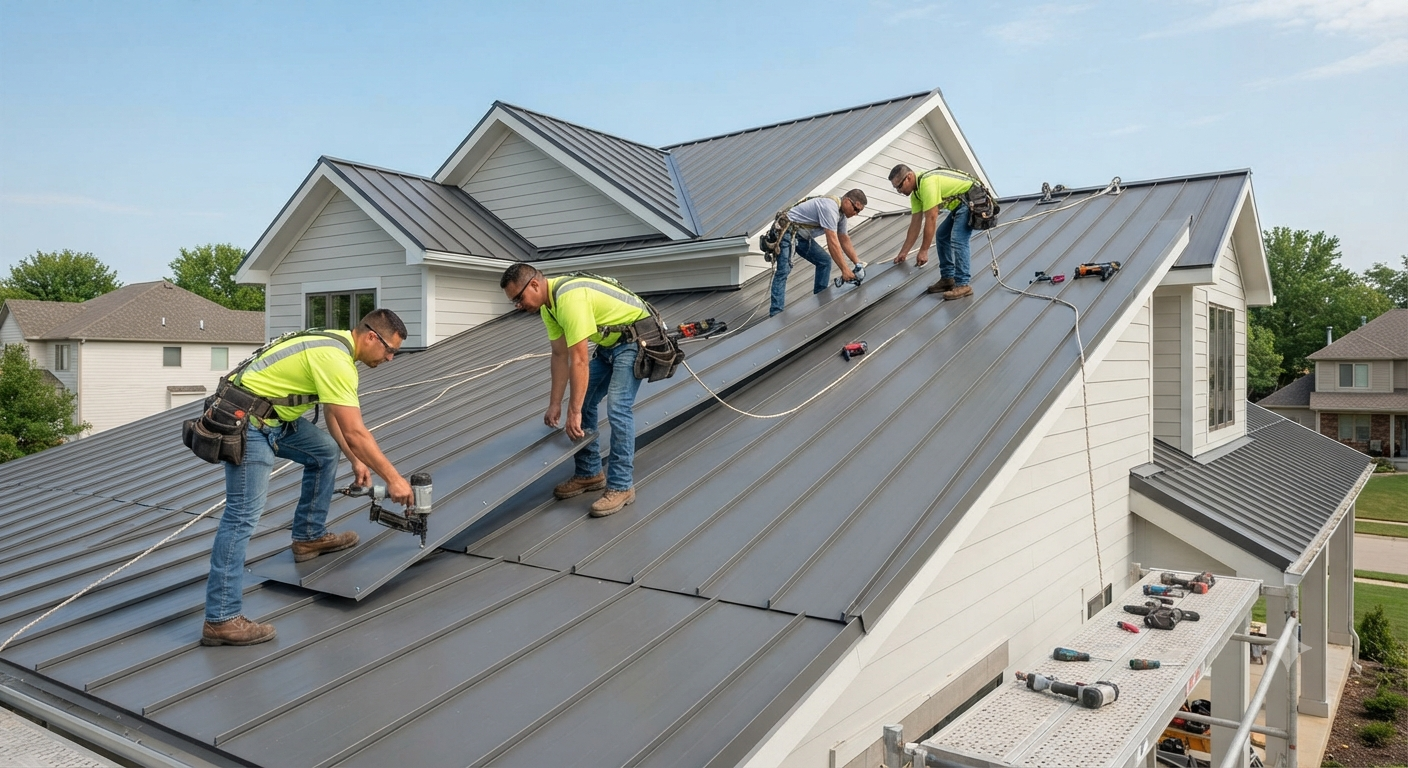
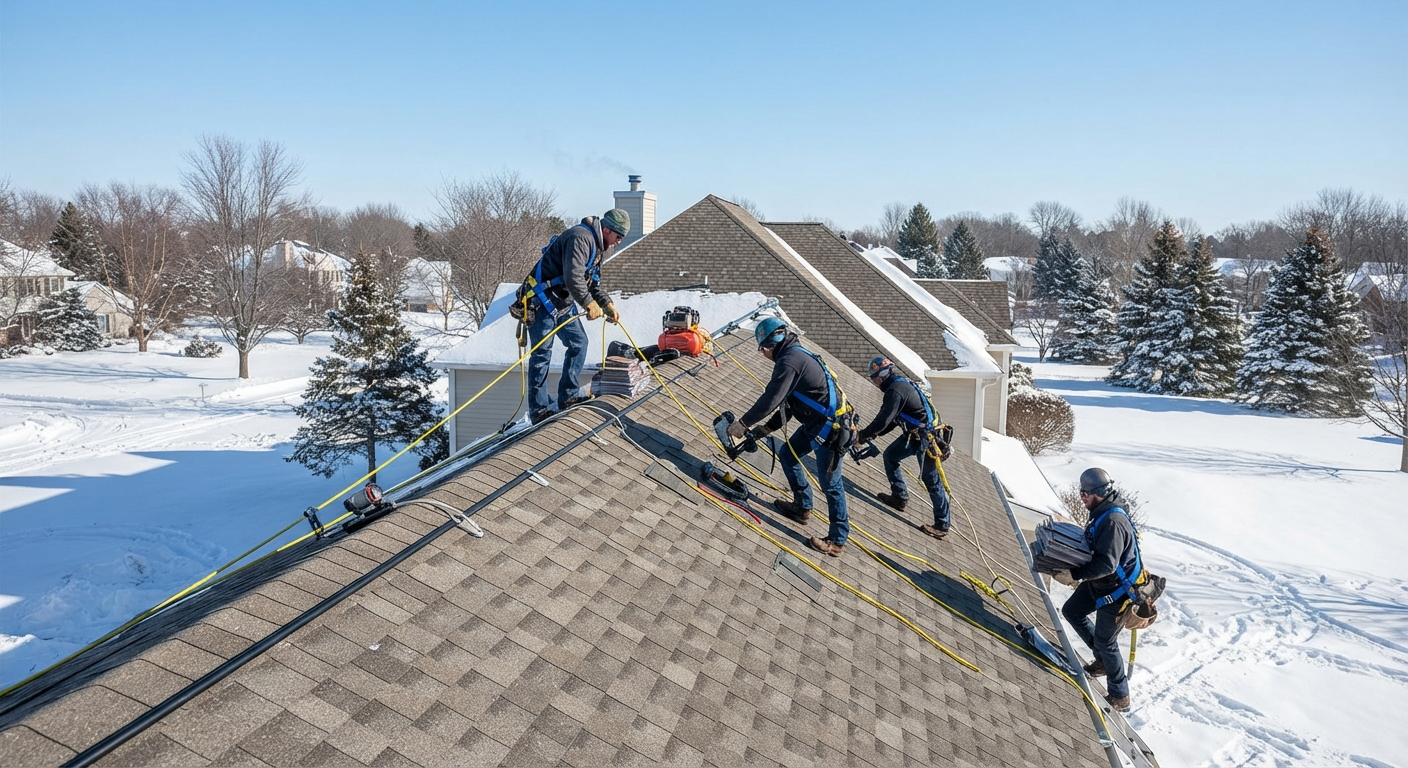
Replacing a ridge cap involves removing the damaged pieces, checking the underlying deck and ventilation for damage, and installing new caps in overlapping rows starting from one end of the ridge to the other.
This step is straightforward in concept but requires careful measurement and secure fastening, since a poorly aligned cap can loosen during strong winds. Many homeowners choose to have this work done alongside a full shingle roof replacement, since the ridge is easier to access and match when the rest of the roof is already being redone. Timing the two projects together also avoids paying for a separate setup and teardown of scaffolding or ladders later on.
Things To Know
- A roofing ridge cap typically lasts as long as the rest of the shingle roof when installed correctly, usually 20 to 25 years.
- Vented caps help regulate attic temperature, which can reduce ice buildup along the eaves in winter.
- Mixing cap products from different manufacturers on the same roof can void certain warranties.
- Ridge caps should be inspected after major windstorms, not just during routine seasonal checks.
- A sagging or uneven ridge line often signals a structural issue beneath the cap, not just a surface problem.
For homes near roofing edge flashing that also shows wear, it is worth having both areas checked together, since flashing and ridge caps often fail around the same time due to shared weather exposure. Zega Roofing recommends pairing a ridge cap inspection with a broader roof assessment, since issues at the peak are sometimes connected to problems near the eaves or valleys.
Homeowners dealing with attic moisture alongside a worn cap may also want to look into roofing ice shield options, which add another layer of protection against winter leaks near the roof’s edges and valleys.
Wrapping Up the Role of a Roofing Ridge Cap
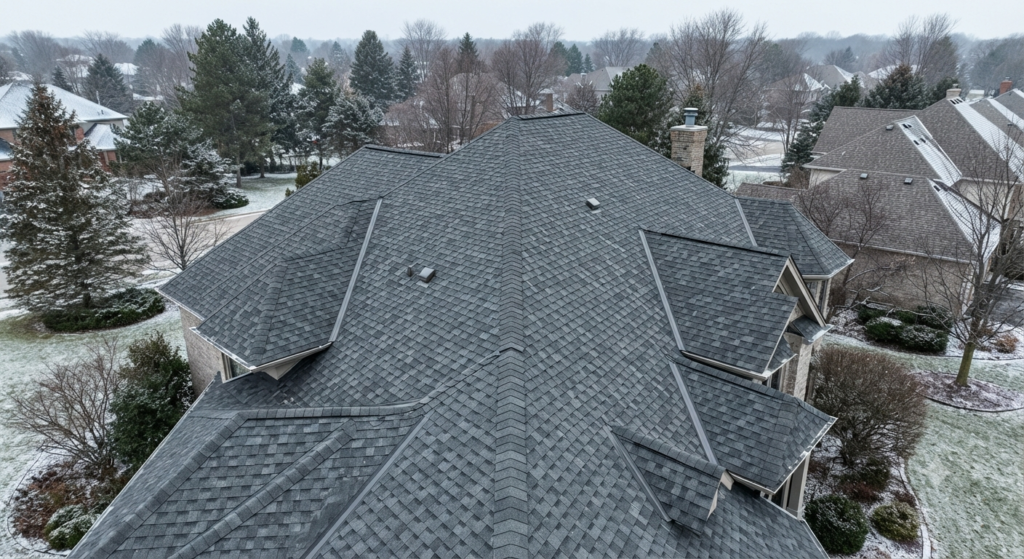
A roofing ridge cap may be a small part of the roof by size, but it carries an outsized responsibility for keeping the entire structure dry and stable. Choosing the right style, whether standard, high-profile, or vented, and keeping it well maintained helps avoid costly interior damage down the line. Homeowners who notice cracking, gaps, or granule loss near the peak should have it checked before the next storm season arrives.
For a closer look at local roofing conditions and service coverage, visit the Zega Roofing service areas page or reach out through the contact page to book an inspection.
Frequently Asked Questions
Can I use regular shingles for ridge cap?
No. Regular shingles are not pre-bent and tend to crack when folded over the ridge line, leading to early leaks.
Why are ridge caps important in roofing?
They seal the roof’s most exposed seam, blocking wind-driven rain and snowmelt from entering the attic.
What is the difference between ridge cap and ridge roll?
Ridge cap uses layered individual shingle pieces, while ridge roll is one continuous strip suited to metal or low-slope roofs.
What does a ridge cap look like?
It appears as a row of overlapping shingle pieces running along the very top of the roof, often slightly raised or textured.
What is the purpose of the ridge?
The ridge is the roof’s highest point where two slopes meet, and a roofing ridge cap keeps that seam watertight.