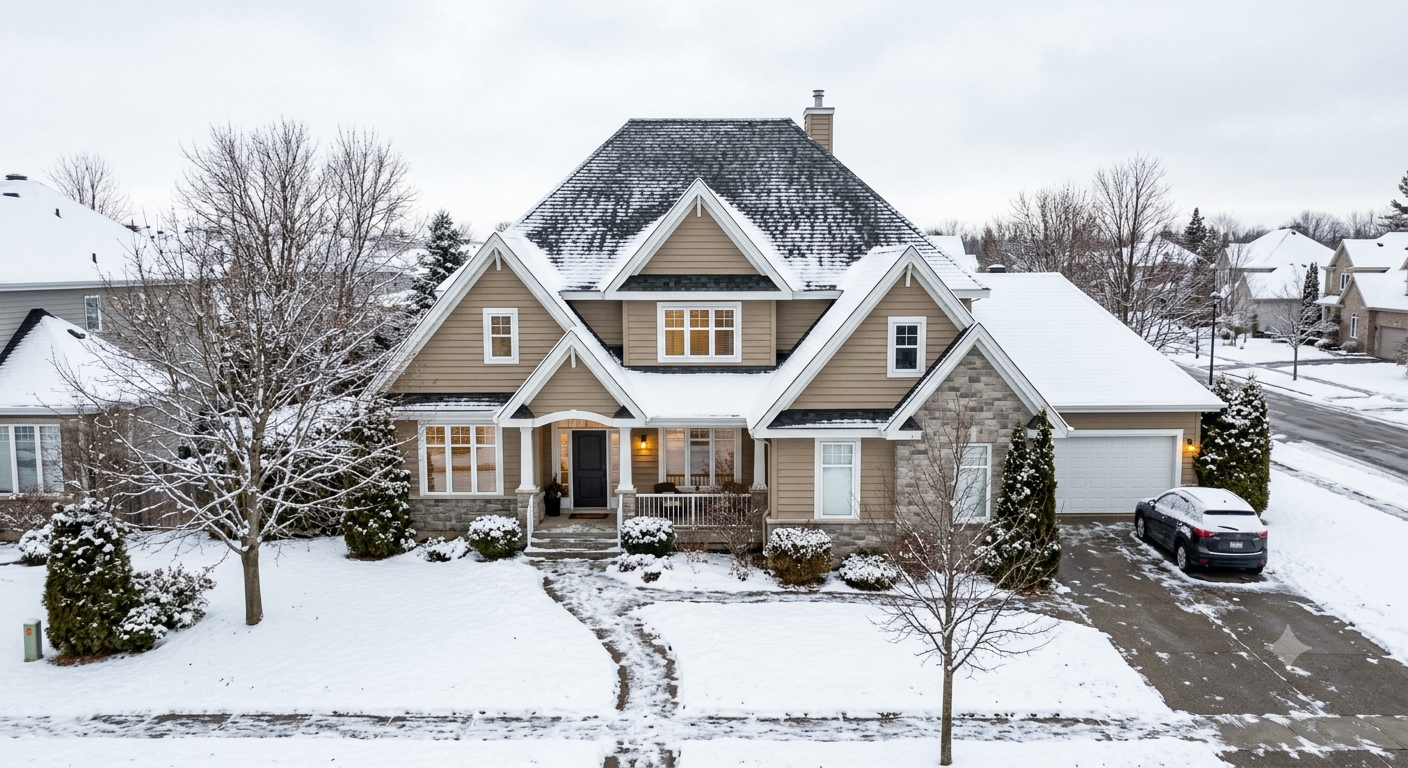
Roof designs are one of the most important decisions a homeowner makes, because the shape and structure of your roof directly affects how well your home handles snow loads, heavy rain, wind, and temperature swings. The best roof designs for Canadian homes combine durability, drainage efficiency, and visual appeal, with gable, hip, and flat roofs being the most widely used across Winnipeg and surrounding areas. Whether you are building from scratch or replacing an aging roof, understanding the differences between roof designs helps you choose a structure that performs well through Manitoba’s harshest seasons.
Why Roof Designs Matter More Than Most Homeowners Realize
Many people treat roof designs as a purely visual decision, choosing a shape because it looks attractive in a neighbourhood or matches a particular architectural style. The reality is that roof designs carry significant structural and functional weight, especially in a climate like Winnipeg’s where the temperature can swing from minus 40 in winter to over 35 degrees in summer. A well-chosen roof design manages water runoff, prevents ice dam formation, supports heavy snow accumulation, and reduces long-term maintenance costs in ways that a poorly chosen shape simply cannot.
Every roof design comes with its own set of drainage patterns, structural requirements, and ventilation considerations. A low-slope design that works perfectly for a commercial warehouse in a dry climate may be completely impractical for a residential home in a region that receives significant snowfall. On the other hand, a steeply pitched gable roof that sheds snow efficiently might not suit a homeowner who wants a rooftop patio or a modern, minimalist exterior. Understanding these trade-offs before committing to a particular design saves you money, frustration, and potential structural problems down the road.
Roof designs also affect your home’s resale value. In many Canadian neighbourhoods, certain styles signal quality construction and thoughtful planning, which appeals to buyers and appraisers alike. Choosing a roof design that complements your home’s overall architecture while meeting the functional demands of your local climate is a balance worth taking seriously.
How Roof Designs Are Classified and Why It Matters
Roof designs are generally grouped by their pitch, shape, and the number of slopes involved. Pitch refers to how steep the roof is, measured by how many inches it rises for every 12 inches of horizontal distance. A high-pitch roof sheds snow and water quickly, while a low-pitch or flat roof requires a membrane-based waterproofing system to prevent pooling and leaks.
Beyond pitch, roof designs differ in how many planes or faces they use to cover a structure. Some designs use just two sloping faces that meet at a central ridge, while others use four or more faces to wrap around a building from multiple angles. Each configuration creates different drainage paths, different attic shapes, and different amounts of interior usable space beneath the roofline.
Understanding classification also helps when communicating with roofing contractors, applying for permits, or evaluating whether a roof replacement project requires structural changes. Knowing the basic vocabulary of roof designs puts you in a much stronger position to make informed decisions.
The Most Common Roof Designs for Residential Properties
Gable Roof
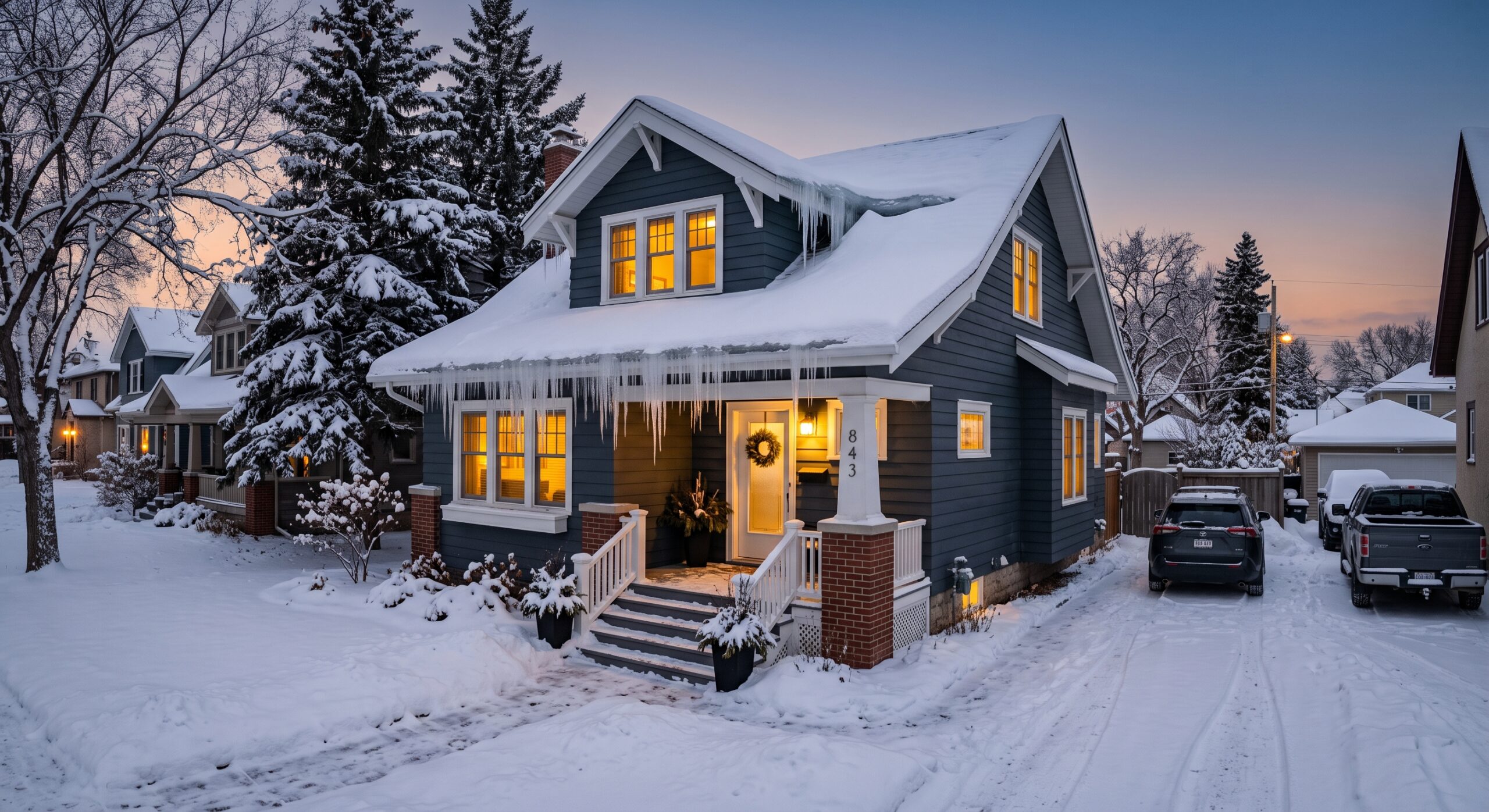
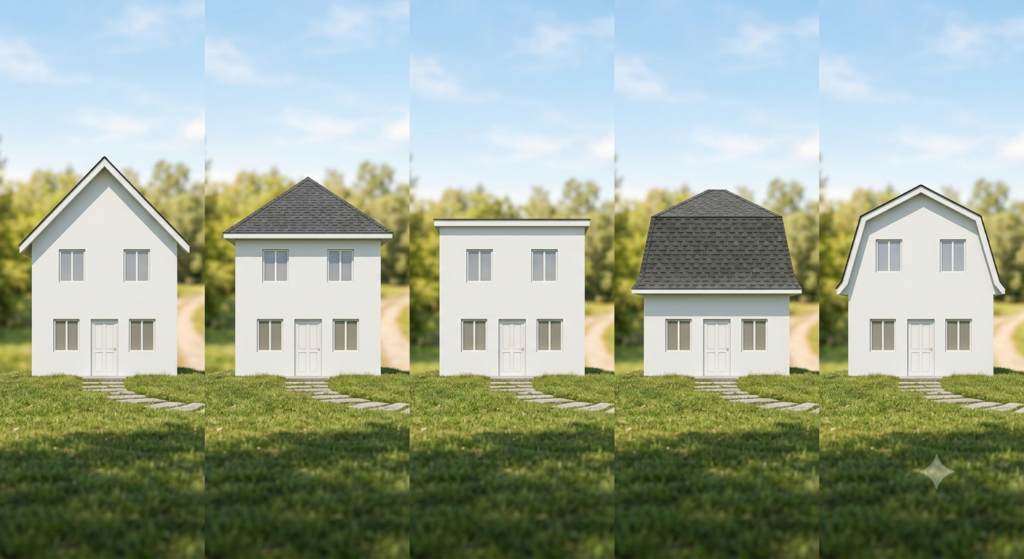
The gable roof is arguably the most recognized of all roof designs in Canadian residential construction. It features two sloping sides that rise to a central ridge, creating a triangular shape at each end of the building. This design is especially practical for regions with heavy snowfall because the steep pitch allows snow to slide off naturally rather than accumulate and create dangerous weight loads on the structure. Gable roofs also offer excellent attic ventilation and provide more usable attic space compared to many other designs. They are relatively straightforward to construct, which often makes them more cost-effective than complex multi-slope alternatives.
Hip Roof
Hip roof designs slope downward on all four sides of the building, meeting at a central ridge at the top. Unlike gable roofs, hip roofs have no vertical end walls, which makes them more aerodynamically stable in high-wind conditions. This design performs well in areas that experience strong gusts alongside heavy snow, since there are no exposed triangular end sections for wind to push against. Hip roofs tend to require more materials and more complex framing than gable roofs, but the added structural stability often justifies the investment. They also create a consistent, symmetrical appearance that complements many traditional and colonial-style homes.
Flat Roof
Despite the name, flat roof designs are not perfectly level. They use a very slight slope, typically between one and three degrees, to encourage water runoff toward drainage points. Flat roof designs are far more common in commercial construction, but they also appear in modern residential architecture and in home additions such as garages, sunrooms, and extensions. In Winnipeg’s climate, flat roofs require specific membrane systems and regular maintenance to prevent ice buildup and water infiltration. They do offer one significant residential advantage, which is the ability to use the roof surface for mechanical equipment, green roof systems, or outdoor living spaces where zoning allows.
Mansard Roof
Mansard roof designs feature four slopes on each side, with the lower slope being nearly vertical and the upper slope being much gentler. This French-inspired design maximizes usable interior space beneath the roof, effectively creating a full additional floor within the roofline. Mansard roofs are often found on heritage homes and Victorian-era architecture across older Canadian cities. While they offer excellent interior space, the nearly vertical lower slope can be challenging to waterproof properly, and the multiple angles require more complex installation and maintenance.
Gambrel Roof
Similar to the mansard in concept, gambrel roof designs use two slopes on each of two sides, with a steeper lower section and a gentler upper section. This style is most associated with barns and rural architecture but has found its way into residential construction as well, particularly for homes where the owners want to maximize attic storage or living space without adding a full second storey. Gambrel roofs shed rain and light snow well, though heavy accumulation can be a concern at the break points between slopes.
Which Roof Designs Perform Best in Winnipeg’s Climate
Winnipeg’s climate is unforgiving, and not every roof design handles the full range of seasonal conditions equally well. Winters bring heavy snowfall, prolonged freezing temperatures, and the ever-present risk of ice dam formation along eaves. Summers can bring intense heat, hail, and strong thunderstorms. A roof design that handles all of these demands without requiring constant maintenance is the clear priority for most Winnipeg homeowners.
Steeply pitched gable and hip roofs consistently outperform low-slope designs in Manitoba winters. The steep pitch allows accumulated snow to slide off before it reaches a dangerous weight threshold, and proper eave design combined with adequate attic insulation reduces ice dam risk significantly. Hip roofs add the benefit of superior wind resistance, which becomes relevant during spring and summer storm seasons.
Flat roofs are manageable in Winnipeg when they are properly installed with the right membrane system and maintained regularly, but they demand more attention than pitched alternatives. Homeowners who choose flat roof designs for additions or full structures need to budget for periodic inspections, membrane repairs, and drainage maintenance to keep the system performing reliably.
For homeowners considering a new build or a full roof replacement in Winnipeg and the surrounding areas, getting professional guidance on which roof designs suit your specific structure, budget, and long-term goals is the most practical starting point. To explore your roofing options and get a free inspection, contact Zega Roofing and speak with a local expert who understands Manitoba’s unique demands. You can also browse completed projects on the Zega Roofing gallery to see the range of roof designs handled across Winnipeg properties.
How Roof Designs Affect Insulation, Ventilation, and Energy Efficiency
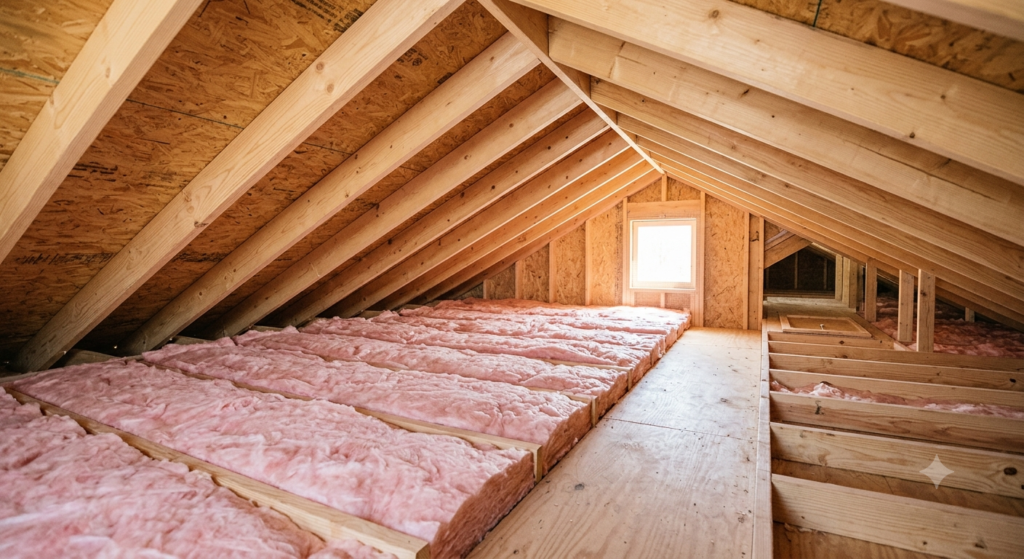
The shape of your roof has a direct relationship with how well your home retains heat in winter and stays cool in summer. Steeply pitched roof designs create larger attic cavities, which allow for more insulation depth and better air circulation through soffit and ridge vents. A well-ventilated attic prevents moisture buildup in winter and reduces heat gain through the ceiling in summer, which lowers your heating and cooling costs year-round.
Low-slope and flat roof designs require a different approach to insulation, typically relying on rigid insulation boards applied above the roof deck rather than loose-fill or batt insulation in an attic space. This approach can be highly effective when installed correctly, but it must be designed carefully to avoid condensation problems within the roof assembly.
Mansard and gambrel designs, because they enclose a large interior volume, often benefit from spray foam insulation along the angled interior surfaces to prevent thermal bridging and moisture infiltration at the complex slope transitions. Choosing the right insulation strategy for your specific roof design is as important as choosing the design itself, and the two decisions should be made together with input from an experienced roofing professional.
A Practical Comparison of Popular Roof Designs
| Roof Design | Best Climate Use | Snow Performance | Wind Resistance | Interior Space |
| Gable | Cold, snowy regions | Excellent | Moderate | Good attic space |
| Hip | Mixed climates | Very Good | Excellent | Moderate attic |
| Flat | Dry or commercial | Poor without membrane | Good | Rooftop access |
| Mansard | Mild to moderate | Moderate | Moderate | Excellent living space |
| Gambrel | Rural or cold | Good on upper slope | Moderate | Excellent storage |
Roof Design Cost Factors to Consider
The cost of installing any of these roof designs varies significantly depending on the size of the structure, the materials chosen, the complexity of the roofline, and local labour rates. More complex designs with multiple slopes, valleys, and hips require more material, more cutting and fitting time, and more skilled labour than a straightforward gable roof. For accurate pricing on any of the roof designs discussed here, reach out directly to Zega Roofing for a free estimate tailored to your specific property and needs.
| Factor | Impact on Cost |
| Roof pitch steepness | Higher pitch increases labour time and safety requirements |
| Number of slopes or valleys | More angles mean more cutting, flashing, and material waste |
| Roofline complexity | Dormers, hips, and intersecting slopes add significant cost |
| Material selection | Affects both upfront cost and long-term durability |
If you are exploring your options for a full roof replacement or new installation, reading more about residential roof installations and shingle roof replacement can help you understand what to expect during the process.
Things To Know Before Choosing Your Roof Design
Before committing to any of the roof designs covered in this article, there are several practical points worth keeping in mind as you plan your project.
Your home’s existing structural framing may limit which roof designs are feasible without significant modifications. A flat roof replacement can typically be installed on an existing flat-roof structure, but converting from a flat to a gabled design involves substantial framing changes that add to both cost and project timeline.
Local building codes and permit requirements in Winnipeg govern minimum slope requirements, snow load ratings, and fire resistance specifications. Any roof design you choose must comply with these standards, and your roofing contractor should handle permit applications as part of the project.
The orientation of your home on the lot affects how different roof designs perform. A south-facing slope on a gable roof captures more solar exposure, which can accelerate shingle aging on that side. Hip roofs distribute exposure more evenly across all four slopes, which can lead to more uniform wear over time.
Maintenance access is another consideration. Complex roof designs with many valleys, intersecting slopes, and tight corners create more points where debris can accumulate and where flashing can fail. Simpler roof designs are generally easier and less expensive to maintain over the long term.
Choosing materials that suit your chosen design is the final piece of the puzzle. Not all roofing materials perform equally well on all slope angles, and the manufacturer’s warranty requirements often specify minimum pitch values. A roofing professional can help you match the right material to your chosen design and climate conditions.
Finding the Right Roof Design Support in Winnipeg
Zega Roofing has served Winnipeg homeowners and commercial property owners for over 25 years, providing expert guidance on roof designs, installations, repairs, and maintenance across the city and surrounding communities. The team brings hands-on experience with every major roof design type used in Manitoba, which means the advice you receive is grounded in real local knowledge rather than general theory. Whether you are deciding between a gable and a hip design for a new home or assessing whether your existing flat roof design needs replacement or repair, the team is ready to help. Learn more about the areas served and roofing services available at zegaroofing.ca/areas-we-served.
Frequently Asked Questions About Roof Designs
What is the best design for a roof?
The best roof design depends on your climate, budget, and structural needs, but gable and hip roof designs are consistently the top performers in Canadian conditions.
For cold, snowy regions like Winnipeg, steep-pitch gable roofs offer excellent snow shedding and attic ventilation, while hip designs add superior wind resistance. The right choice ultimately comes down to your home’s architecture and the specific performance demands of your location.
What type of roof is best for a house?
For most Canadian houses, a gable or hip roof design offers the best combination of weather performance, durability, and long-term value.
Gable roofs are the most common choice because they are cost-effective to build, shed snow efficiently, and provide good attic space. Hip roofs are preferred where wind resistance is a priority. Flat and mansard designs suit specific architectural styles but require more specialized maintenance.
What are the most popular roof designs?
The most widely used roof designs in Canada are the gable roof, hip roof, flat roof, and gambrel roof, with gable being the most common across residential properties.
Each of these designs appears throughout Winnipeg’s neighbourhoods in different combinations and scales. Gable and hip roof designs dominate new residential construction, while flat roof designs are the standard for commercial buildings and modern additions.
What are the best rooftop design ideas?
The best rooftop design ideas combine functional performance with visual appeal, such as incorporating dormers into a gable roof for added light and space, or using a hip design with extended eaves for better shade and drainage.
Green roofing systems, solar-ready layouts, and integrated drainage planning are also worth considering as part of your overall rooftop design strategy, particularly if you are investing in a long-term build or major renovation.
What are the 10 types of roofs?
The ten most common roof types include gable, hip, flat, mansard, gambrel, shed, butterfly, saltbox, jerkinhead, and Dutch gable, each offering different structural and aesthetic characteristics.
Among these, gable, hip, and flat roof designs are the most relevant to Winnipeg residential and commercial construction. The others appear in specific architectural styles or regional traditions and may require specialized installation expertise.
For more information on roofing options suited to Manitoba’s climate, explore the roofing ice shield guide to understand how proper protection layers work alongside your chosen roof design.