
An annual roofing inspection is a yearly professional check of shingles, flashing, drainage, and attic conditions that finds small problems before they become leaks. For Winnipeg homes, one visit per year, ideally in fall, is enough to catch freeze-thaw damage early and keep the roof performing longer.
Winnipeg roofs live through heavy snow, strong prairie winds, and temperature swings of 60 degrees Celsius or more across a year, so wear shows up faster here than in milder cities.
A trained inspector walks the surface, studies the flashing and gutters, and checks the attic for moisture, then reports what needs attention with photos. Fall and spring are the strongest booking windows, a professional visit beats a quick look from the ground, and a handful of warning signs between visits deserve a call right away.
Pricing depends on roof size, pitch, and access, so the most useful step is to request a free roofing inspection and get an honest picture of the roof before any decision is made.
Is an Annual Roofing Inspection Worth It?
Yes, and the reason is simple. Roofs rarely fail all at once. Most failures start with a lifted shingle, a dried-out sealant line, or a loose piece of flashing that nobody notices from the driveway. Water finds that small opening, travels along the decking, and soaks insulation long before a stain appears on the ceiling.
A yearly visit is worth it because it replaces surprise with a plan. Minor repairs can be scheduled in good weather, budgeted calmly, and often completed in a single short visit. Waiting for a leak usually means rushed work in bad conditions, wet insulation, and sometimes repairs to drywall and paint as well.
Early repairs also protect the attic insulation, which keeps heating costs from creeping up. For a family planning to stay in the home for years, a documented inspection history also gives buyers and insurers a clearer record of how the roof has been maintained.
Why Winnipeg Roofs Wear Faster Than Most
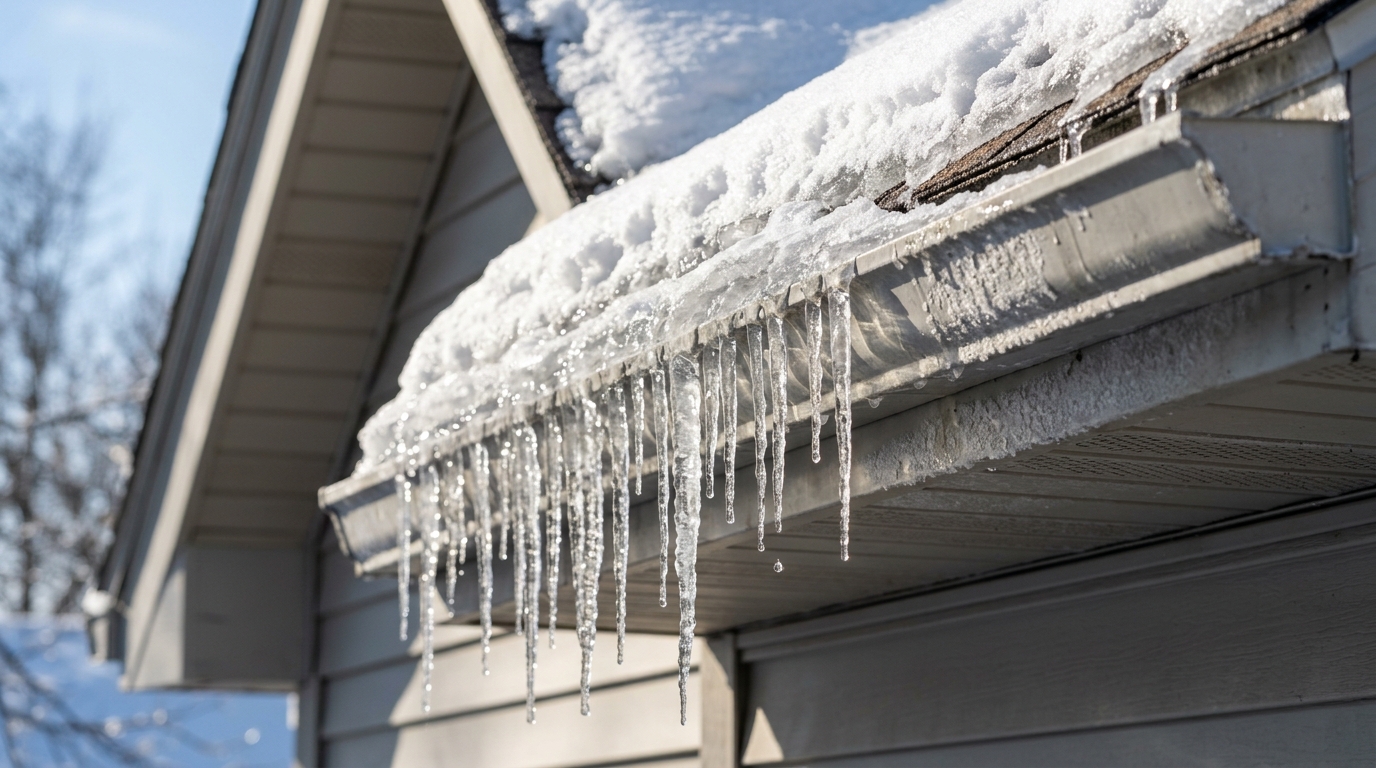
Manitoba weather is hard on every roofing material. Snow melts during a sunny afternoon, runs down to the cold eaves, and refreezes overnight. That cycle forces water under shingles and into tiny gaps, where it expands as ice and pries the materials apart.
Repeat it dozens of times each winter and even a well-installed roof loses ground. Checking local weather forecasts in late winter helps owners spot the thaw-and-freeze weeks when ice dams are most likely.
Wind adds another layer of stress. Open prairie exposure means gusts can lift shingle edges, loosen ridge caps, and tug at flashing along chimneys and vents.
Summer brings its own problems, since long hours of direct sun bake asphalt surfaces, dry out sealants, and push granules loose. Hail and sudden storms can bruise shingles in ways that look minor from below but shorten service life.
Because every season leaves a different mark, an annual roofing inspection works like a yearly health check. It captures the combined effect of ice, wind, sun, and storms in one report, which lets a homeowner see trends instead of isolated problems.
A roof that shows slightly more granule loss each year, for example, is telling a story that a single glance would miss.
What an Inspector Looks at on Your Roof
A thorough visit follows a set routine, moving from the outside in. Knowing the routine helps owners judge whether the inspection they received was complete, and it explains why a proper annual roofing inspection takes far longer than a walk around the yard.
Roof Surface and Shingles
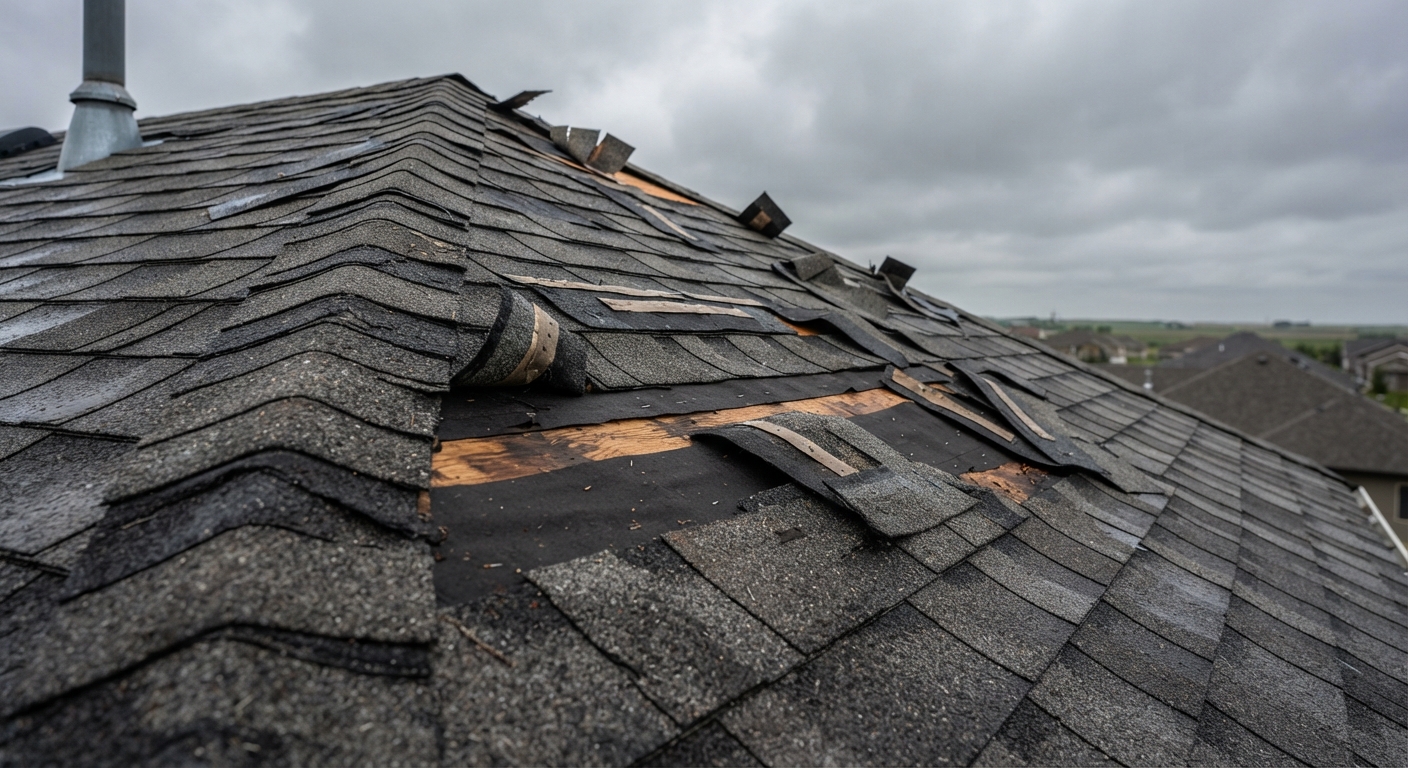
The inspector looks for curled, cracked, or missing shingles, bare patches where granules have worn away, and soft spots that suggest rotted decking underneath. Moss, algae streaks, and debris piles are noted too, since trapped moisture speeds up aging.
Flashing, Vents, and Penetrations
Flashing around chimneys, skylights, plumbing stacks, and valleys is the most common leak source. The inspector checks for rust, gaps, lifted edges, and sealant that has split. Rubber boots around pipes often crack after several winters and are an easy fix when caught early.
Gutters, Eaves, and Drainage
Clogged or sagging gutters push water back toward the fascia and under the first row of shingles. In Winnipeg, packed gutters also feed ice dams along the eaves. The inspector confirms that downspouts carry water well away from the foundation and that the eaves are not showing rot or peeling paint.
Ventilation and Insulation
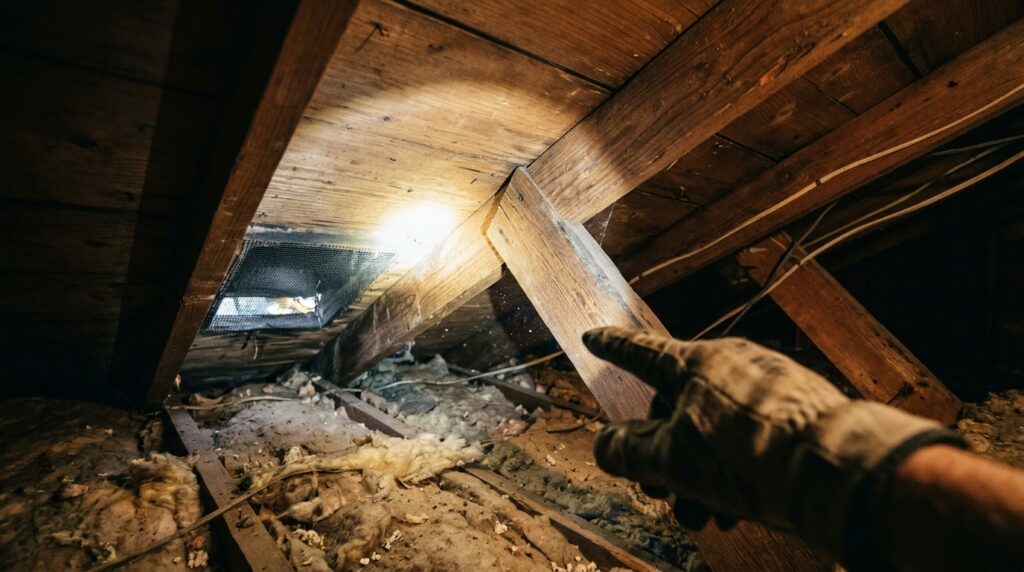
Balanced airflow keeps the attic cold in winter, which limits the melting that feeds ice dams. The inspector looks at intake vents, exhaust vents, and insulation depth, because blocked soffits or thin insulation can quietly shorten the life of shingles.
Attic and Interior Clues
Inside, the attic tells the real story. Dark stains on the sheathing, damp insulation, daylight through gaps, and frost on nails during winter all point to leaks or poor ventilation. Ceiling stains, musty smells, and bubbling paint on upper floors are checked as well.
Homes with flat or low-slope sections get extra attention, since a worn roof membrane can let water pool and seep through seams. Where records or exposed edges allow, the inspector also notes whether a roof ice and water shield was installed along the eaves, since that layer blocks meltwater backed up by ice dams.
Best Time to Book a Yearly Roof Check
Timing matters almost as much as the inspection itself. Fall is the favourite window for most Manitoba homeowners because the roof can be checked and repaired before the first snowfall locks it under a white blanket. Spring is the second choice, since it reveals what winter did while there is still time to fix it before summer storms.
Scheduling an annual roofing inspection in the same month each year also builds a reliable habit, and it makes year-to-year comparisons simple.
| Season | Main Advantage | Main Limitation |
| Fall | Repairs finish before snow arrives | Booking slots fill quickly in October |
| Spring | Shows winter damage clearly | Wet roofs can delay repairs |
| Summer | Easy access and dry conditions | Hot surfaces limit midday foot traffic |
| Winter | Useful for leak emergencies | Snow cover hides most of the surface |
For most households, fall wins, with spring as a smart backup for anyone who missed the autumn window. Summer visits suit post-storm checks, while winter calls should be reserved for active leaks.
Picture a bungalow checked in late September where a cracked plumbing boot is sealed in minutes. Left alone, the same crack would feed meltwater into the attic all winter.
Which Inspection Option Works Best
Not every roof check is equal, and the right choice depends on the roof’s age, pitch, and the owner’s comfort with heights. Three options are common, and the table lays out where each one fits.
| Option | Best For | Main Limitation |
| Ground-level look with binoculars | Quick seasonal spot checks | Cannot reveal flashing or attic issues |
| Professional on-roof inspection | Yearly maintenance and older roofs | Requires booking and safe access |
| Drone-assisted survey | Steep or multi-level roofs | Needs a separate attic check |
The best pick for most homes is the professional on-roof inspection, which anchors any dependable annual roofing inspection routine, with a ground-level look added in spring and after major storms.
Professionals can lift a shingle tab, press on suspect decking, and test sealant, none of which binoculars can do. A drone survey is a helpful add-on for steep or multi-level roofs where walking the surface adds risk, but it should never replace the attic check.
Age also shapes the decision. A roof under ten years old may only need a light yearly check, while one past fifteen deserves closer scrutiny and an honest talk about remaining life. When an inspector finds widespread curling or granule loss, a shingle roof replacement may be a wiser investment than repeated patching.

What Happens After the Inspection Report
The report should sort findings into three groups. Urgent items, such as active leaks or exposed decking, need prompt repair. Items to schedule, such as worn sealant or aging pipe boots, can be handled in the next dry window. Items to monitor, such as early granule loss, are simply tracked and compared at the next visit.
This sorting keeps spending sensible. A homeowner who sees a clear ranking can fix the leak first, plan the flashing work for spring, and avoid paying for repairs that are not yet needed. If the findings point to a roof near the end of its life, the same report becomes the starting point for replacement planning, with photos that explain the reasoning.
Warning Signs That Cannot Wait for Next Year
Some problems should not sit until the next scheduled visit. Call for a check right away after any of the following.
- Shingle pieces found on the lawn after a windstorm
- Water stains or drips on ceilings after rain or thaw
- Large icicles or ice buildup along the eaves
- Daylight visible through the roof boards in the attic
- Sudden increases in heating bills with no clear cause
- Sagging areas or soft spots on the roof plane
Any one of these justifies a call, and several together can point to ventilation or insulation trouble rather than a surface leak. Photos taken from the ground, with the date noted, make the conversation with a roofer faster and more useful.
Homeowners across Charleswood, River Heights, St. James, and the other areas we served around Winnipeg see these same patterns each spring.
Things To Know Before You Book
- Ask for a written report with photos so repairs can be compared year to year.
- Stay off a snow-covered roof, since frozen surfaces are slippery and a shovel can scar shingles.
- Keep past reports, repair receipts, and warranty papers in one folder, since insurers and buyers may ask for them.
- Trim overhanging branches and have gutters cleared before the visit so the inspector sees the true condition.
- Confirm the contractor is licensed, insured, and willing to explain every finding in plain language.
- Look through the project gallery to judge the quality of repairs and flashing details.
- Treat the annual roofing inspection as maintenance rather than a sales visit, and ask for repair priorities ranked as urgent, soon, or monitor.
Keeping Your Roof Ready Season After Season
A roof rarely announces trouble until water is already inside. Booking an annual roofing inspection each fall turns that quiet risk into a short, manageable to-do item, and it gives Winnipeg homeowners a dated record of the roof’s condition. Pair the visit with quick spring checks, prompt attention to warning signs, and well-kept gutters, and the roof is far more likely to reach the end of its service life without costly surprises.
Book Your Roof Check Today
If you have any questions about roofing or want a free roofing inspection, contact Zega Roofing today. Call +1 204-997-2697 or reach the team through the contact page, and a skilled roofer will help you plan the right next step for your home. For active leaks, call the emergency line right away.
Frequently Asked Questions
Is an Annual Roofing Inspection Enough for an Older Roof?
Usually yes, with an extra check after major storms. Roofs past fifteen years can benefit from a second visit in spring, since small flaws grow quickly as materials weaken.
How Long Does a Roof Inspection Take?
Most visits take about an hour. Larger or steeper roofs, and homes with several levels, can take longer.
Can a Roof Inspection Help With Insurance Claims?
It can help by documenting the roof’s condition. Dated reports and photos give insurers a clear baseline, though coverage always depends on the individual policy.
Should I Get a Roof Inspection Before Buying a House?
Yes, it is a smart step. An inspector can reveal remaining roof life and hidden leaks before the purchase is final, which supports better negotiation.
How Much Does a Roof Inspection Cost?
Pricing depends on roof size, pitch, and access. Contact the team for a free roofing inspection and a clear answer for your home.