A roof metal sheet sheds snow quickly, resists ice damming, and holds its shape through decades of freeze-thaw cycles, which makes it one of the more dependable roofing choices for Winnipeg homes. It also reflects summer heat and stands up to strong prairie winds without curling, cracking, or losing granules the way some other coverings do.
Winnipeg roofs deal with a wide temperature swing every single year, from deep winter cold to hot, humid summers, and that constant expansion and contraction is what wears out a roof faster than almost anything else. This roofing material is built to move with that temperature change instead of fighting it, which is a big part of why so many homeowners in Manitoba are switching over from traditional coverings.
What Is a Roof Metal Sheet Made Of?
This roofing material is typically formed from steel or aluminum coils that are coated with a protective finish to resist rust, fading, and moisture damage. The coil is run through rollers that shape it into long panels, ribs, or shingle-style profiles, then a factory-applied coating is added for colour and weather protection.
That coating matters more than most people realize. A well-coated panel holds its colour for years and resists the salt spray, road grime, and moisture that Winnipeg roofs are exposed to during winter months. Lower-quality coatings tend to chalk or fade within a few seasons, which is why it pays to ask a contractor about the coating warranty before committing to a project. Panel thickness, sometimes called gauge, also plays a role in how well the covering handles hail and heavy snow load throughout the season.
How Does This Roofing Material Compare to Other Options in Roof Metal?
Homeowners weighing metal roofing against other coverings usually want to know how it stacks up on lifespan, weight, and winter performance. The table below breaks down the practical differences between the two.
| Feature | Metal Roofing Panels | Traditional Asphalt Covering |
| Typical lifespan | 40 to 60 years | 15 to 25 years |
| Snow shedding | Fast, low buildup | Slower, more buildup |
| Weight | Lightweight | Heavier per square foot |
| Winter maintenance | Minimal | Moderate to high |
| Recyclable at end of life | Yes | Limited |
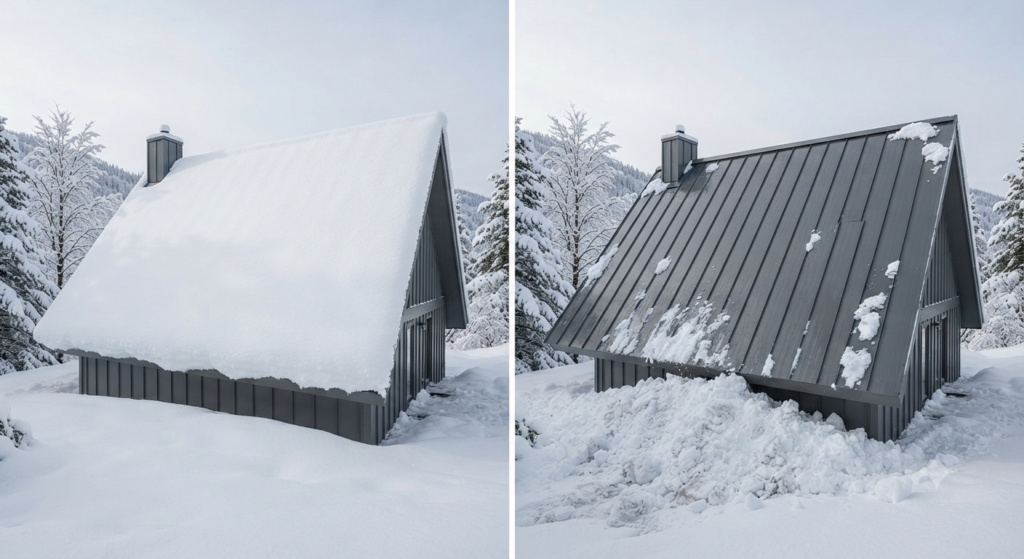
Snow shedding is one of the biggest reasons Winnipeg homeowners lean toward this style of covering. Because the surface is smooth and slick, snow tends to slide off before it can pile up and refreeze into ice dams along the eaves. That single trait alone can save a homeowner from a lot of spring water damage.
How Long Does a Roof Metal Sheet Last in Winnipeg?
A properly installed roof metal sheet can last 40 to 60 years, far outpacing most traditional roofing materials, though the actual lifespan depends on the coating quality, installation method, and how the roof is maintained over time. Winnipeg’s freeze-thaw cycles put extra stress on fasteners and seams, so those details matter more here than in milder climates.
Factors That Affect Its Lifespan in Roof Metal
- Coating quality: A stronger factory finish resists chalking, fading, and corrosion for a longer stretch of years.
- Fastener type: Concealed fasteners tend to outperform exposed screws because they are less exposed to moisture cycling.
- Panel gauge: Thicker steel or aluminum resists denting from hail and heavy snow load.
- Ventilation: Proper attic airflow prevents condensation from forming underneath the panels during winter.
- Installation quality: Correctly overlapped seams and properly sealed penetrations keep water out during the spring melt.
Our team at Zega Roofing has seen firsthand how much of a difference proper installation makes once Manitoba winters set in, and it’s usually the deciding factor between a roof that lasts decades and one that needs early repairs.
How Do You Install This Type of Roofing Correctly?
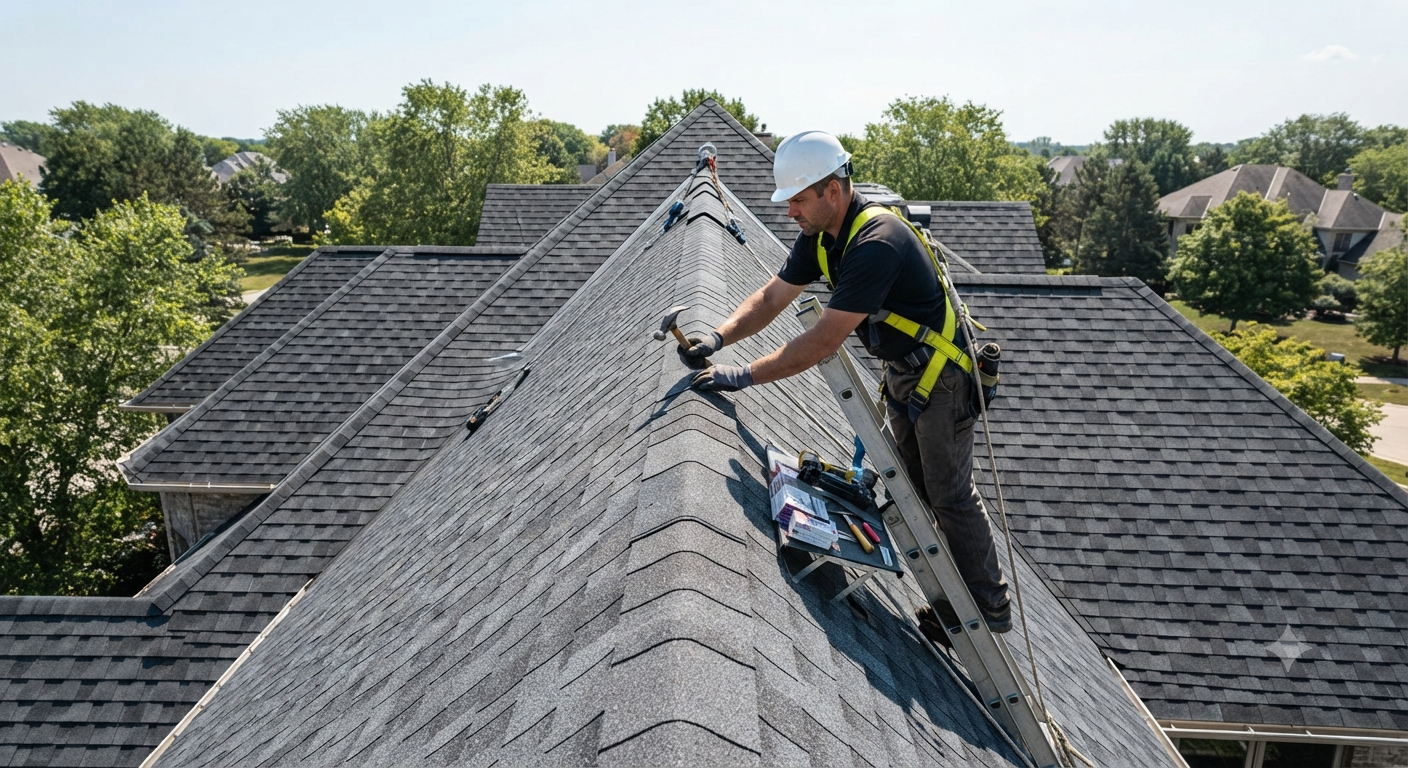
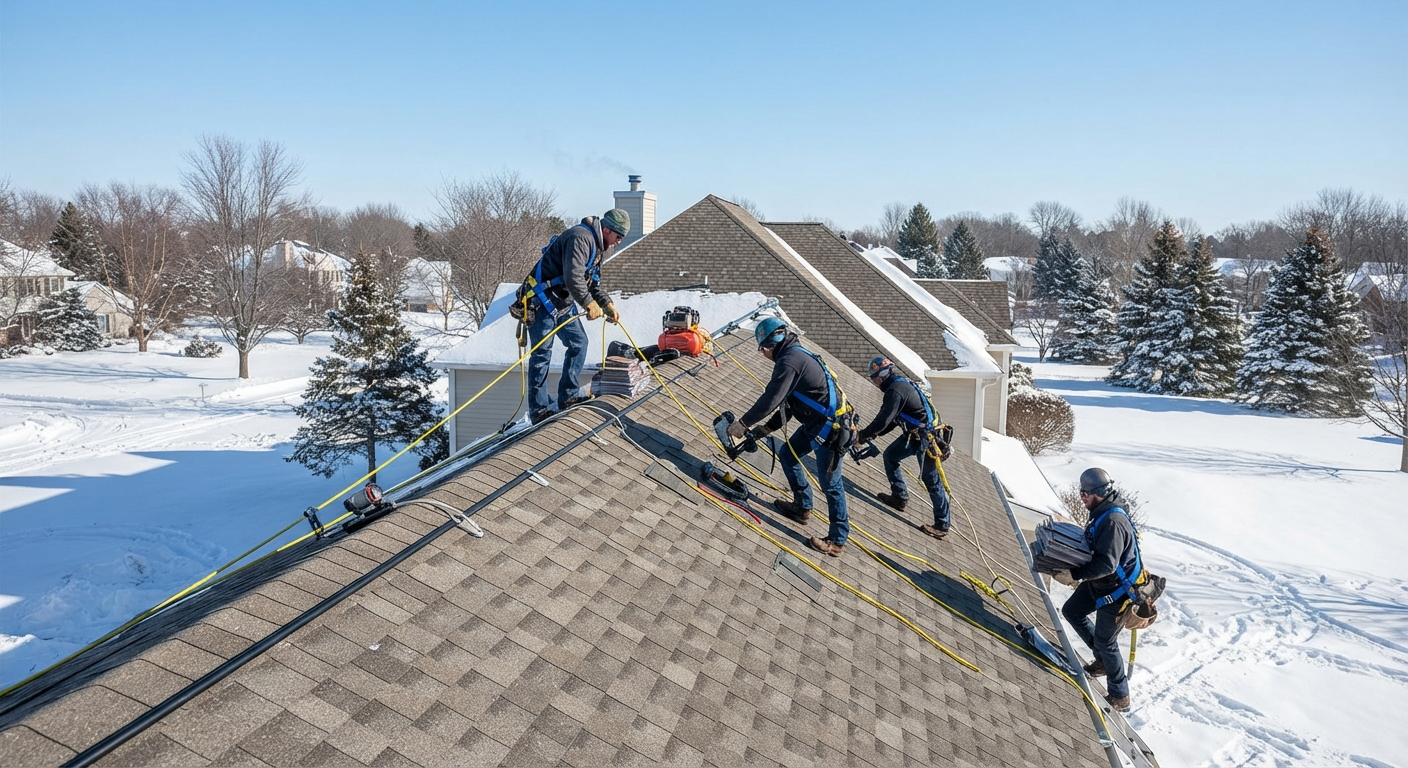
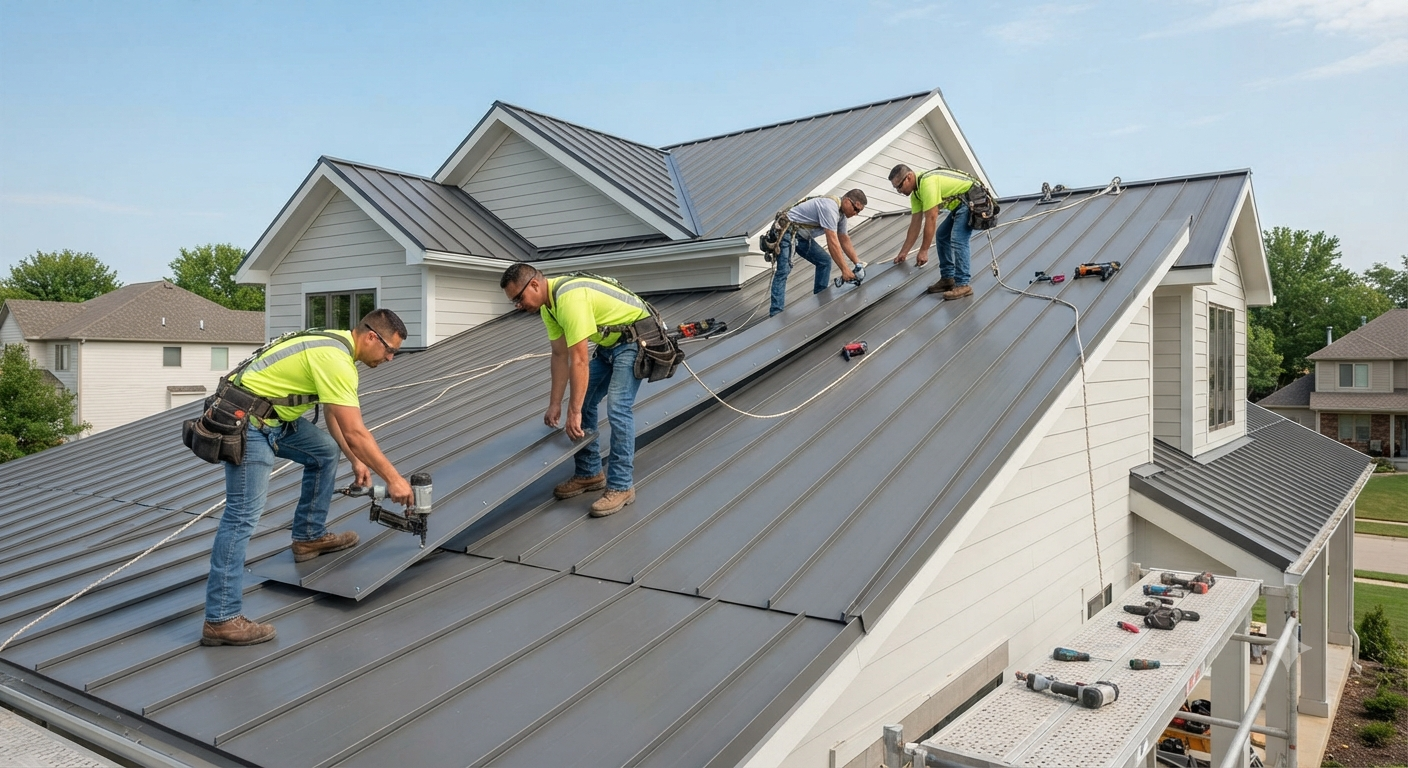
Installing roof metal starts with a solid deck, a moisture barrier, and precise panel alignment, since even small gaps can let wind-driven snow work its way underneath during a storm. Panels are typically run from eave to ridge, overlapped according to the manufacturer’s spacing, and fastened using a pattern designed to allow for natural expansion and contraction.
Before any panels go up, most contractors will add an ice and water shield along the eaves and valleys, which are the areas most prone to backup during a thaw. You can see examples of how this layering works in our metal roofing ice shield installations, where extra protection is built in before the final panels are set.
Flashing around chimneys, vents, and skylights also needs careful attention, since these are the spots where leaks most commonly start. A rushed installation on this type of roofing can undo most of the durability benefits the material is known for, so it is worth choosing a contractor with real experience in this kind of work rather than someone who only occasionally installs it. A properly finished underlayment, paired with the correct metal roofing membrane underlayment, also helps prevent condensation buildup in the attic space below.
What Are the Pros and Cons of a Roof Metal Sheet?
Weighing the upsides against the drawbacks helps homeowners decide whether this material fits their home, budget expectations, and long-term plans.
| Pros | Cons |
| Long lifespan, often 40+ years | Higher upfront investment than some materials |
| Sheds snow and resists ice damming | Can be noisier during heavy rain without proper underlayment |
| Lightweight and puts less stress on the structure | Requires a skilled installer for best results |
| Energy efficient, reflects summer heat | Panels can dent under severe hail without a thicker gauge |
| Low maintenance over its lifespan | Colour matching for future repairs can be tricky |
Most of the drawbacks listed above can be minimized with proper underlayment, correct gauge selection, and an experienced installation crew, which is why the contractor you choose matters just as much as the material itself.
Which Option Is Best for Winnipeg Homes?
The best roof metal sheet option for Winnipeg is a steel panel with a thicker gauge and a high-quality factory coating, since it holds up best against heavy snow load, hail, and repeated freeze-thaw stress. Aluminum is a solid alternative for homes closer to open water or areas with higher moisture exposure, since it naturally resists corrosion without needing as heavy a coating.
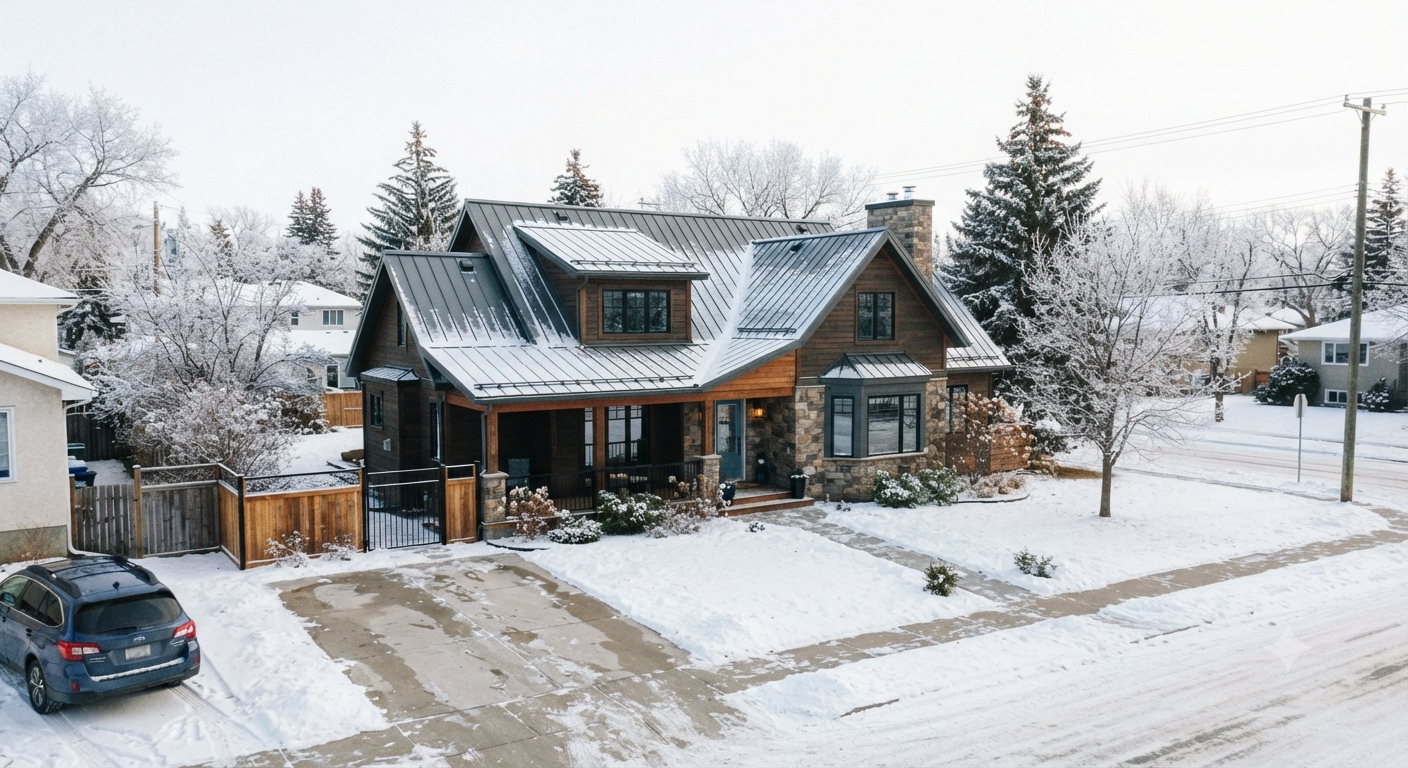
Homeowners choosing between panel styles should also think about roof pitch. Steeper roofs shed snow faster regardless of material, but a smooth-profile covering on a moderate slope still performs noticeably better than a textured or shingle-style covering in the same conditions. If you’re unsure which profile suits your home, browsing our metal roofing project gallery can help you visualize how different styles look once installed. Talking through your specific roof shape with an experienced installer is still the most reliable way to land on the right choice for your property.
Things To Know About Roof Metal
- This roofing style is measured by gauge, and a lower gauge number actually means a thicker, more durable panel.
- Snow guards are often recommended to prevent sudden snow slides off a metal roof onto walkways below.
- Proper attic insulation and ventilation work together with the roofing to prevent ice dams from forming in the first place.
- Panels are typically installed over a solid deck with a synthetic underlayment for extra moisture protection.
- Regular seasonal inspections help catch loose fasteners or minor seam issues before they turn into leaks.
- Homes near busy streets or industrial areas may benefit from an upgraded coating to resist added grime buildup.
Wrapping Up
This roofing material holds up to Winnipeg’s harsh winters better than most traditional coverings, shedding snow efficiently, resisting ice damming, and lasting decades longer with proper installation and care. For homeowners planning a long-term investment in their property, it offers a practical balance of durability, energy efficiency, and low upkeep.
If you’re considering this upgrade for a home in Charleswood, River Heights, St. James, or anywhere else across the city and surrounding communities, our residential metal roofing installations team can walk you through panel options, gauge choices, and what to expect from start to finish.
Frequently Asked Questions About Roof Metal
Which roof metal sheet is best for roofing?
Steel with a thick gauge and a quality factory coating is generally the best choice for most homes, since it balances durability, cost, and weather resistance well.
What type of roof metal is used for roofing sheets?
Steel and aluminum are the two most common metals used, with steel offering strength and aluminum offering natural corrosion resistance.
How much does a roof metal roof cost in Canada?
Pricing varies by home size, panel style, and installation complexity, so it’s best to request a metal roofing quote for accurate numbers based on your property.
What type of roof metal is best?
Standing seam panels with concealed fasteners tend to perform best, especially in areas with heavy snow and frequent freeze-thaw cycles.
What is the biggest problem with metal roofs?
The most common issue is improper installation, particularly around fasteners and flashing, which can lead to leaks if not done correctly.