
A roof garden is a planted layer built on top of your roof, sitting above a waterproof membrane, a drainage layer, and soil. It works by shielding the roof surface from sun, wind, and rain while giving you a green space to enjoy, but in Winnipeg the setup needs a stronger membrane and better drainage to survive freeze-thaw cycles.
Not every roof can carry the weight of a roof garden, so the slope, structure, and current condition of your roof all matter before you start.
How Does a Roof Garden Work on a Winnipeg Home?
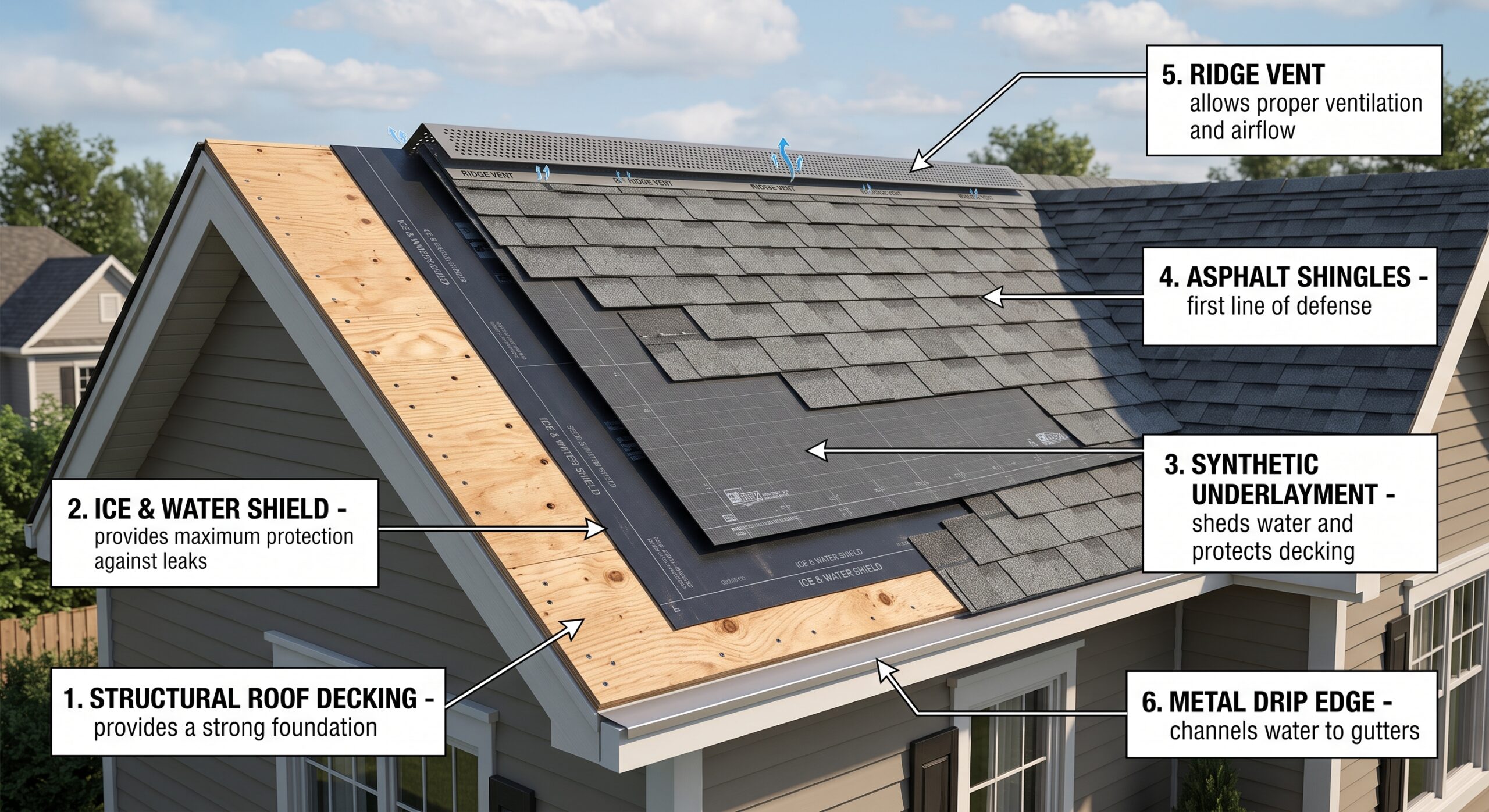
It works in layers, and each layer has a job. The bottom layer is your existing roof deck, followed by a waterproof membrane that stops water from reaching the building below. On top of that sits a root barrier, then a drainage layer that carries away extra rain and melted snow, and finally the growing medium and plants.
In Winnipeg, this system has to handle snow load in winter and heavy rain in spring, so the drainage layer does a lot of the work. Without a strong drain system, water can pool and freeze, which puts pressure on the membrane underneath.
This is why a roof garden built for Manitoba weather usually pairs with a reinforced roof membrane to keep the whole structure dry through the year.
Think of it like dressing for a Winnipeg winter. Each layer has a job, and skipping one leaves the rest exposed to the cold and wet. It built without a proper root barrier, for example, might look fine during the first summer, but roots can slowly work their way into the membrane over a few seasons.
That slow damage is often hard to spot until water starts showing up inside the home, which is why a professional inspection before the soil goes down saves a lot of trouble later.
Types of Roof Gardens
Not all roof gardens look the same, and the type you choose depends on your roof’s slope, weight limit, and how much time you want to spend on upkeep.
Common Roof Garden Types
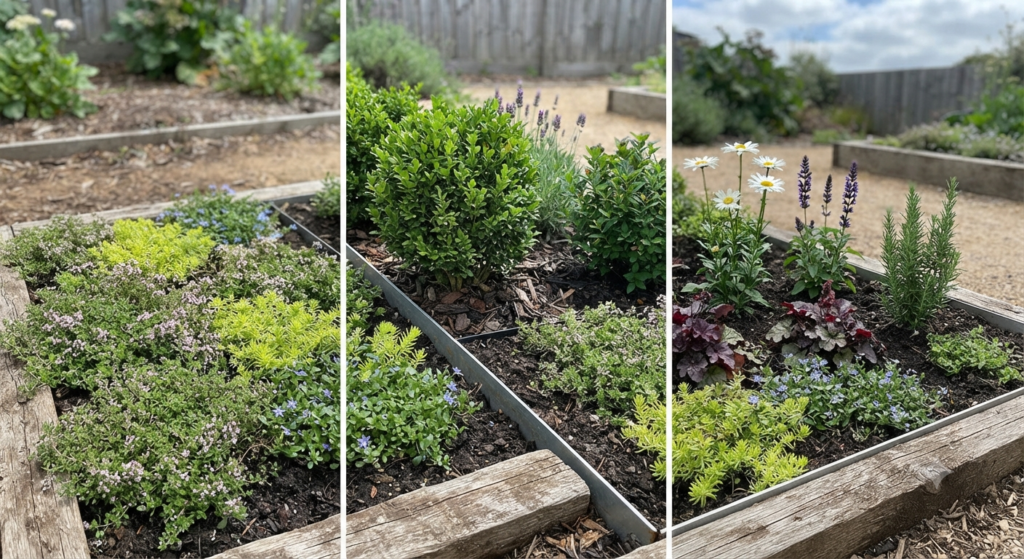
- Extensive roof garden: A thin layer of soil and low-growing plants, light enough for most roof structures and easy to maintain.
- Intensive roof garden: Deeper soil that supports shrubs, small trees, and even walkways, but it needs a stronger roof frame.
- Semi-intensive roof garden: A middle option with moderate soil depth and a mix of plant types, good for homeowners who want more greenery without a full structural upgrade.
Each type changes how much weight your roof needs to hold, so a proper inspection should always come before you pick one. A homeowner with an older bungalow roof, for instance, may only be a good fit for an extensive setup, while a newer build with reinforced framing could handle something closer to intensive without extra work.
It also helps to think about how much time you actually want to spend outside on the roof itself. An extensive roof garden is closer to a green blanket than a backyard, since the plants are low and hardy and mostly left alone once they’re established.
An intensive roof garden, on the other hand, is built to be used, with room to walk, sit, and even grow small trees or vegetables. Picking the wrong type for your lifestyle is a common regret, so it’s worth being honest about how much upkeep you’re ready for before choosing.
Roof Garden vs Traditional Roof: Which One Fits Your Home?
Choosing between a roof garden and a standard roof comes down to what you want from your space and how much your roof can support. A traditional roof is simpler to install and maintain, while a roof garden adds insulation value and outdoor living space but asks more from the structure underneath.
| Feature | Roof Garden | Traditional Roof |
| Weight on structure | Heavier, needs structural check | Lighter, standard framing works |
| Insulation benefit | Adds natural insulation | Depends on separate insulation layer |
| Maintenance | Regular plant care and drain checks | Occasional inspection and repair |
| Lifespan protection | Membrane shielded from sun and weather | Membrane exposed directly to elements |
| Winter performance | Needs strong drainage to avoid ice buildup | Relies on shingles or membrane alone |
If your main goal is extra outdoor space and better insulation, a roof garden is the stronger pick. If you want a low-maintenance option with fewer upfront steps, a traditional roof stays the simpler choice.
Why a Roof Garden Works Well in Winnipeg’s Climate
Winnipeg swings between hot summers and freezing winters, and a roof garden actually helps soften that swing for the building below it. The soil and plant layer act as a buffer, keeping indoor temperatures more stable and cutting down on how hard your heating and cooling systems have to work.
It also slows down rainwater and melted snow before it reaches your gutters, which can ease pressure during spring thaw. That said, this only works if the roof already has solid ice protection in place, since a roof garden sitting on a weak base can trap moisture instead of managing it. Pairing the setup with proper ice and water protection gives the whole system a better shot at lasting through Manitoba winters.
Picture a typical March in Winnipeg, when snow piles up on the roof for months and then melts fast once the weather warms. On a bare roof, that meltwater rushes straight into the gutters and downspouts all at once. On a roof garden, the soil and plant layer soak up some of that water first and release it slowly, which takes pressure off the drainage system during the busiest week of the year. Homeowners who’ve made the switch often notice less strain on their gutters during that spring melt compared to a plain roof.
Is a Roof Garden Right for Your Home?
Why consider one: A roof garden adds insulation, extends the life of the membrane underneath by shielding it from direct sun and weather, and gives you usable outdoor space in a city where yard space can be tight.
How to know if your roof can handle it: Start with a structural check from a professional to confirm your roof deck can carry the added weight of soil, plants, and water. Flat or low-slope roofs generally work best, while steep roofs are usually not a good match.
Which option is the best fit: For most Winnipeg homes, an extensive roof garden is the safest starting point. It carries less weight, needs less upkeep, and still gives you the insulation and drainage benefits without a major structural upgrade. Homeowners with a stronger roof frame and more time for upkeep may lean toward a semi-intensive setup instead.
What Affects the Cost of a Roof Garden
Several factors shape how much work goes into a roof garden project, and every home is a little different. Roof size, the type of garden you pick, the condition of your current membrane, and whether the structure needs reinforcement all play a part.
| Cost Factor | Why It Matters |
| Roof size | Larger roofs need more soil, plants, and drainage material |
| Structural reinforcement | Older roofs may need extra support before adding weight |
| Membrane condition | A worn membrane usually needs replacing first |
| Garden type chosen | Intensive gardens cost more in materials and labour than extensive ones |
| Drainage system | Better drainage means fewer repairs down the road |
Since every roof is different, the best way to get an accurate picture is to book an inspection. Reach out through our roofing contact page to get a clear idea of what your specific roof garden project would involve.
Things To Know Before Installing a Roof Garden
- It needs a permit in most cases, so check with your local building office before starting.
- Not every roof can support the added weight, and skipping a structural check is the most common mistake homeowners make.
- Drainage is the most important part of the whole system, especially with Winnipeg’s snow and spring runoff.
- Regular maintenance keeps roots from damaging the membrane over time.
- It works best when paired with strong edge protection, since wind and ice tend to hit the roof edges hardest. Adding roof edge flashing helps keep water from creeping under the garden layers.
- Plants that survive prairie winters, like sedum, native grasses, and low-growing groundcover, tend to do far better on a roof garden than plants meant for a warmer climate.
- Fall is a smart time to plan a roof garden project, since it gives the membrane and drainage system a full season to settle before the first heavy snow arrives.
Zega Roofing has worked on roofs across Winnipeg for 25 years, and one thing stays true across every project: the layers under the surface matter more than what you see on top.

Final Word on Building a Roof Garden
A roof garden can turn unused roof space into something useful while helping protect the structure underneath, but only when it starts with a roof built to handle it. Checking your roof’s weight limit, drainage, and membrane condition first saves you from bigger problems later. If you’re picturing a roof garden on your own home, browsing a few completed roofing projects can help you get a feel for what fits your space, and checking which neighbourhoods we serve is a quick way to see if your home is in our service area.
If you have any questions about roofing or you’re interested in exploring a roof garden for your home, reach out to Zega Roofing. Our team is happy to walk through your options and figure out what works best for your roof.
Frequently Asked Questions
Can any roof support a roof garden?
No, not every roof can support one. Flat and low-slope roofs work best, and a structural check is needed first to confirm the roof can carry the extra weight of soil, plants, and water.
Does a roof garden leak more than a regular roof?
Not if it is built correctly. A roof garden with a proper membrane and drainage layer actually protects the roof surface from weather, but a weak base underneath can lead to leaks over time.
How much maintenance does a roof garden need?
It needs regular but simple upkeep. Checking drains, trimming plants, and watching for pooling water a few times a year keeps the system working well.
Can a roof garden survive a Winnipeg winter?
Yes, with the right setup. Strong drainage, a solid membrane, and proper edge protection allow a roof garden to handle snow load and freeze-thaw cycles without damage.
Is a roof garden a good investment for a home?
For many homeowners, yes. It adds insulation, extends membrane life, and creates outdoor space, though the value depends on your roof’s condition and how well the system is installed.