Roof panels are one of the most critical structural components of any residential or commercial building, designed to shield the interior from rain, snow, wind, and extreme temperature changes.
Choosing the right roof panels for a Canadian climate, especially in a city like Winnipeg where winters are long and brutal, directly impacts your home’s energy efficiency, structural durability, and long-term maintenance costs.
There are several types of roof panels available today, each suited for specific applications, budgets, and performance expectations. This article covers how roof panels work, the different types available, how installation is carried out, which material performs best in Canada’s climate, and practical tips to help you make a confident decision before your next roofing project.
How Roof Panels Actually Protect Your Home
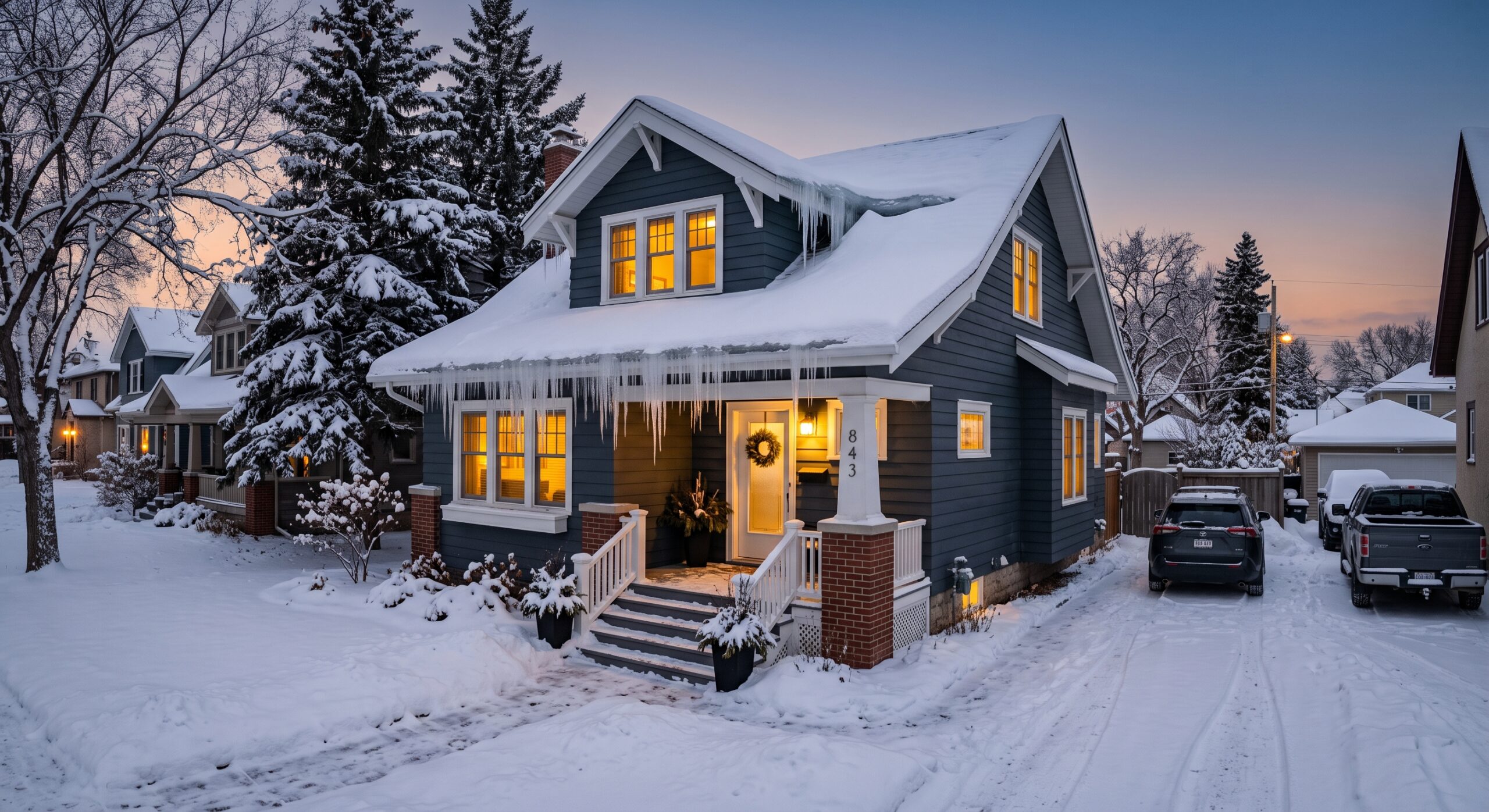
Roof panels serve as the outermost layer of defense between your home and everything the sky throws at it. In Canada, that means freezing rain, ice damming, heavy snowfall accumulation, and rapid freeze-thaw cycles that can crack or warp inferior materials over time. A well-chosen set of roof panels does not just sit on top of your structure; it actively manages water runoff, resists wind uplift, insulates the building envelope, and reflects or absorbs solar heat depending on the material type and finish.
The way roof panels protect your home starts at the substrate level. Beneath the visible surface material, a solid decking layer supports the panels. Over that sits an underlayment, which acts as a secondary moisture barrier. The roof panels themselves then lock together or overlap to channel water away from seams and edges. When this system is installed correctly, it creates a continuous protective shell that prevents moisture infiltration, which is one of the leading causes of structural damage, mold growth, and insulation breakdown in Canadian homes.
Beyond waterproofing, roof panels also contribute to thermal performance. In Winnipeg, where heating costs can be significant, the insulating value of your roofing system matters considerably. Metal roof panels, for example, can be paired with rigid foam insulation to dramatically reduce heat loss through the roof deck. Other panel types, like composite or synthetic materials, are engineered with built-in thermal resistance that helps stabilize interior temperatures throughout the year.
Wind resistance is another critical protection factor. Roof panels that are mechanically fastened or interlocked provide superior wind uplift resistance compared to loose-laid systems. This is particularly relevant for commercial flat-roof applications where large panel spans are more vulnerable to wind pressure differentials.
Types of Roof Panels Used in Canadian Roofing
Not all roof panels are created equal, and the right choice depends on your roof pitch, building type, climate exposure, and budget range. Below is a breakdown of the most commonly used panel types across residential and commercial properties in Canada.
Standing Seam Metal Panels
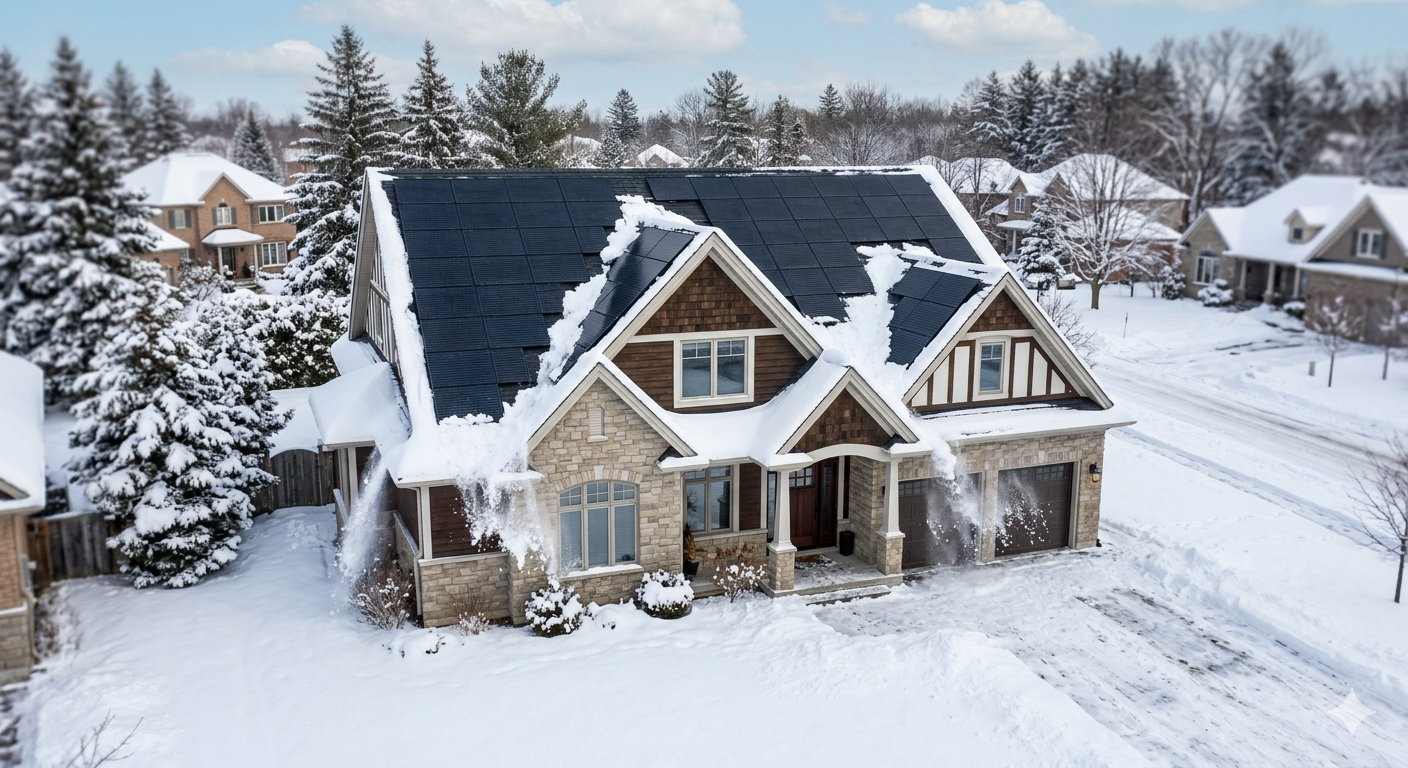
Standing seam panels are among the most popular choices for both residential and commercial buildings in Canada. These panels run vertically from the ridge to the eave, with raised seams that interlock and conceal fasteners from exposure to weather. Because there are no exposed screws, the risk of water infiltration through fastener holes is eliminated entirely. Standing seam systems are highly durable, resistant to snow shedding, and have a lifespan that significantly outlasts traditional shingle systems. They perform exceptionally well in high-snowfall regions because their smooth surface allows snow to slide off naturally rather than accumulating and adding structural load.
Corrugated Metal Panels
Corrugated metal panels are a budget-conscious option widely used on agricultural buildings, garages, and some commercial structures. Their wave-like profile provides rigidity and strength despite being lightweight. While corrugated panels are less refined in appearance than standing seam systems, they are durable, quick to install, and readily available. In a Canadian context, they are commonly found on outbuildings and industrial facilities where aesthetics are secondary to function.
Insulated Metal Panels
Insulated metal panels, sometimes called sandwich panels, combine an exterior metal skin with a rigid foam core and an interior metal liner in a single prefabricated unit. These panels offer excellent thermal performance, making them a popular choice for commercial and industrial buildings where energy efficiency is a regulatory and operational priority. The foam core significantly reduces thermal bridging, which is a common issue in metal roof assemblies without adequate insulation separation.
Composite and Synthetic Panels
Composite roof panels are engineered from a combination of materials such as recycled rubber, plastic, and wood fibre. They are designed to mimic the appearance of natural materials like slate or cedar shake while offering improved durability and lower maintenance requirements. For Canadian homeowners who want a visually distinctive roof without the weight and fragility of natural slate, composite panels represent a compelling middle-ground option.
Flat Roof Membrane Panels
For low-slope and flat roof applications, membrane-style panels and built-up systems are the standard approach. If your building has a flat or near-flat roof, learning more about roof membrane systems can help you understand which waterproofing method is most appropriate for your structure. These systems are particularly common in commercial Winnipeg buildings and multi-unit residential properties.
Which Roof Panels Perform Best in Canada’s Climate
Canada’s climate is demanding, and not every roof panel type stands up equally to its extremes. The best-performing roof panels for Canadian conditions share several key characteristics: high resistance to freeze-thaw cycling, strong load-bearing capacity for snow accumulation, effective moisture management at seams and edges, and compatibility with proper ventilation systems that prevent ice damming.
| Panel Type | Snow Load Performance | Freeze-Thaw Resistance | Typical Lifespan | Best Application |
| Standing Seam Metal | Excellent | Excellent | 40-70 years | Residential, Commercial |
| Insulated Metal Panel | Very Good | Very Good | 30-50 years | Commercial, Industrial |
| Composite/Synthetic | Good | Very Good | 30-50 years | Residential |
| Corrugated Metal | Good | Good | 20-40 years | Agricultural, Outbuildings |
| Flat Membrane | Moderate | Good with maintenance | 15-30 years | Flat/Low-slope Roofs |
For steep-slope residential roofs in Winnipeg, standing seam metal panels or high-quality composite panels tend to deliver the best combination of performance and longevity. Their resistance to thermal movement, ice formation at the eaves, and wind uplift makes them well-suited for Manitoba’s climate variability.
For commercial flat roofs, the answer shifts toward insulated membrane or insulated panel systems that can handle the thermal loads specific to large horizontal surfaces exposed to direct sun in summer and heavy snow in winter.
How Roof Panels Are Installed Step by Step
Roof panel installation is a sequential process that requires careful preparation at every stage. Rushing or skipping steps creates vulnerabilities that become expensive problems later. Understanding the process helps homeowners ask the right questions when hiring a roofing contractor.
The process typically begins with a thorough inspection and preparation of the existing roof deck. Any soft spots, rot, or damaged decking boards must be replaced before any new panel system goes on top. Once the substrate is solid and level, a synthetic or felt underlayment is rolled out across the deck surface and fastened down. This layer provides temporary water resistance during installation and acts as a secondary barrier beneath the panels.
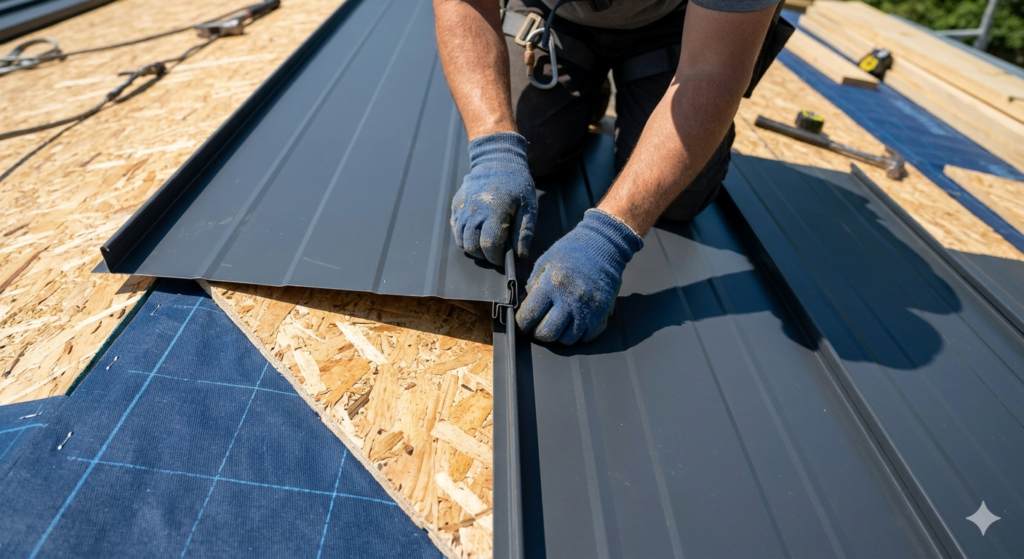
For metal panel systems, installers begin at the eave edge and work upward toward the ridge. Each panel is aligned carefully, fastened according to the manufacturer’s specification, and then the next panel is set so that its edge locks into or overlaps the previous one. Flashing is installed around all penetrations, valleys, and perimeter edges to seal transitions that panels cannot cover directly. Ridge caps are applied last to close the peak of the roof.
For flat membrane systems, the process differs in that panels or membrane sheets are adhered, mechanically fastened, or heat-welded to the deck. The key focus is on creating continuous seams with no gaps or voids where water can pond and eventually infiltrate.
To understand how proper edge detailing plays into the overall system, reviewing the role of roofing edge flashing gives useful context on how panels interact with the building’s perimeter and drainage pathways.
Things To Know Before Choosing Roof Panels
Before committing to a particular roof panel system, there are several practical realities worth understanding so you can set accurate expectations and avoid common mistakes.
Your roof pitch dictates your options. Not all panel types are appropriate for every slope. Standing seam metal panels are typically recommended for roofs with at least a 3:12 pitch, while membrane systems are designed specifically for low-slope applications. Choosing the wrong panel for your pitch can result in poor drainage and accelerated wear.
Weight matters more than people expect. Some panel materials, particularly natural stone or older-style concrete options, add significant dead load to your structure. Before installing heavy roof panels on an older building, a structural assessment may be needed to confirm the framing can support the added weight.
Ventilation is not optional. Roof panels seal the top of your building, which means air circulation beneath the panels must be engineered deliberately. Without proper ventilation, heat and moisture build up in the attic space, leading to ice damming in winter and accelerated material degradation in summer. If you are also addressing attic ventilation as part of your project, understanding roofing ice shield requirements is an important related topic for Canadian homes.
Colour and finish affect performance. Darker roof panels absorb more heat, which can be beneficial in cold climates to help melt snow but may increase cooling loads in summer. Lighter finishes reflect solar radiation and help manage summer heat gain. Some metal panels are available with special coatings that balance both concerns.
Maintenance is still required. Even the most durable roof panel systems require periodic inspection and maintenance. Debris accumulation, damaged flashings, and sealant degradation at penetrations are common issues that, if left unaddressed, can compromise even a premium panel system.
The Role of Roof Panels in Energy Efficiency
Energy performance is an increasingly important consideration for Canadian homeowners, particularly as energy costs rise and building codes continue to tighten. Roof panels are not just a weatherproofing layer; they are a significant part of the building envelope’s thermal performance.
Insulated metal panels are the most thermally efficient option currently available, as their foam cores eliminate the thermal bridging that occurs in conventional metal assemblies. For residential applications, adding a layer of rigid insulation beneath the panel system can dramatically improve the R-value of the roof assembly without requiring a change to the visible panel type.
Reflective coatings on metal roof panels can reduce solar heat gain during summer months, which lowers cooling costs in buildings that are not heavily shaded. In a climate like Winnipeg’s, where summer temperatures can climb considerably, this reflective benefit is not insignificant.
| Roof Panel Type | Approximate R-Value (Panel Only) | Energy Efficiency Rating |
| Insulated Metal Panel (4-inch core) | R-25 to R-30 | Excellent |
| Standing Seam with Rigid Foam Insulation | R-20 to R-40 (assembly) | Very Good |
| Composite Synthetic Panel | R-3 to R-5 | Moderate |
| Corrugated Metal (uninsulated) | R-1 to R-2 | Low |
| Flat Membrane with Insulation Board | R-20 to R-30 (assembly) | Very Good |
For homeowners planning a full roofing project, Zega Roofing provides expert guidance on selecting roof panels that meet both performance and energy efficiency goals specific to Winnipeg’s climate. Reaching out for a professional assessment ensures your panel choice is matched correctly to your building type, budget, and long-term ownership goals.
Wrapping Up Your Roof Panel Decision
Selecting the right roof panels for a Canadian home or commercial building is a decision that affects your property’s protection, energy performance, and long-term maintenance burden for decades. Standing seam metal panels lead the field for steep-slope residential and commercial applications in harsh climates, while insulated metal and membrane systems offer the best performance on flat and low-slope roofs.
Composite panels provide a visually appealing middle-ground option for homeowners who prioritize aesthetics alongside durability. Regardless of which roof panels you choose, proper installation, ventilation, and edge detailing are non-negotiable factors that determine whether the system performs as intended. If you are unsure which panel type is the right fit for your property, a qualified roofing professional can walk you through the options based on your specific structure and local climate demands.
Frequently Asked Questions About Roof Panels
What is the cheapest way to cover a roof?
The most affordable roof covering option is corrugated metal panels or basic asphalt-style systems, which require less material cost and faster labour hours to install. While these options reduce upfront spending, it is worth considering that lower-cost systems typically have shorter lifespans and may require more frequent repairs or replacement cycles, which adds to the total cost of ownership over time.
What is the best roof material for Canada?
Standing seam metal roof panels are widely considered the top-performing material for Canadian climates because of their exceptional snow shedding, freeze-thaw resistance, and long service life. Composite synthetic panels are also a strong contender for residential applications where aesthetics are a priority alongside durability.
What are the 5 types of roof cover?
The five main types of roof covering are metal panels, asphalt shingles, flat membrane systems, composite synthetic panels, and tile or slate systems. Each is suited to different building types, roof slopes, and climate conditions, so the best choice depends on your specific structure and local weather demands.
What are roof sheets called?
Roof sheets are commonly referred to as roof panels, roofing cladding, or roof decking depending on the context and material type. Metal versions are often called corrugated sheets, standing seam panels, or ribbed roof sheets, while flat roofing membranes are typically referred to as membrane sheets or ply systems.
Can I roof over an existing roof?
In some cases, installing new roof panels over an existing layer is technically possible, but it is generally not recommended for most Canadian homes. The added weight, the inability to inspect the underlying deck condition, and potential code restrictions make a full tear-off and reinstall the safer and more reliable long-term approach.